
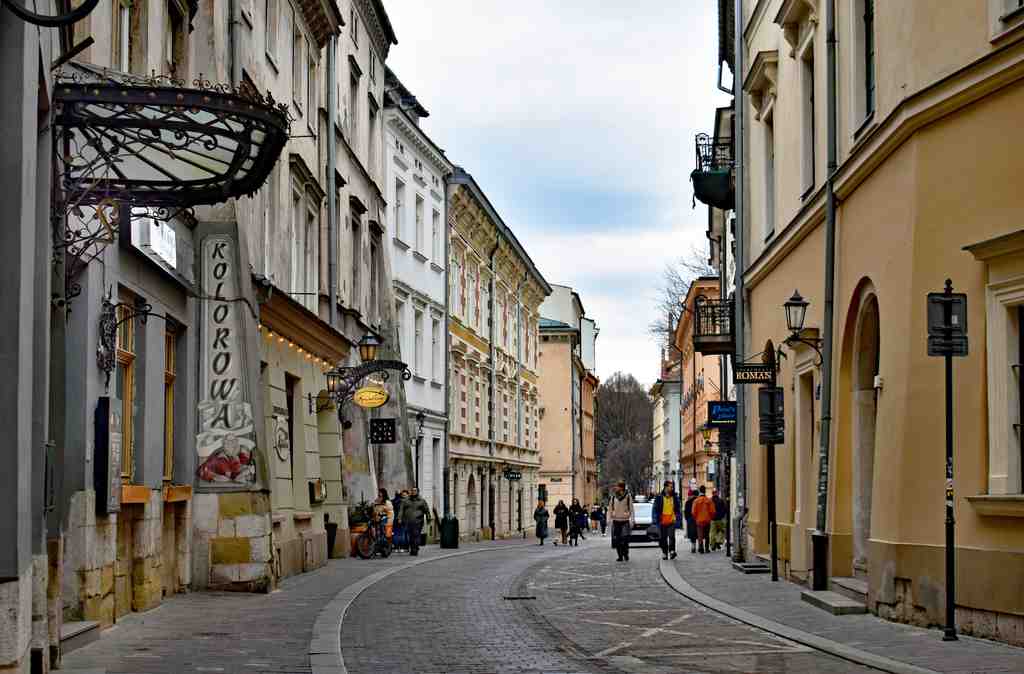
Look for a narrow stone-paved street lined with pale historic façades, with the red-brick, pointed-gable bulk of Collegium Novum rising along it like a scholarly little castle.
Gołębia Street may sound soft and fluttery, but this address has carried some serious weight. It runs from Bracka to the Planty, and that is exactly its character: part university corridor, part neighborhood street, part memory vault with squeaky hinges.
From where you stand, you’re in one of Kraków’s great mixing bowls. The Jagiellonian University gathers here in force: Collegium Minus, Collegium Witkowskiego, the Polish Studies building, and at number twenty-four, Collegium Novum, the university’s main building. If you peek at the image on your screen, you can see how the street forms a long academic canyon, its buildings almost marching in thought.
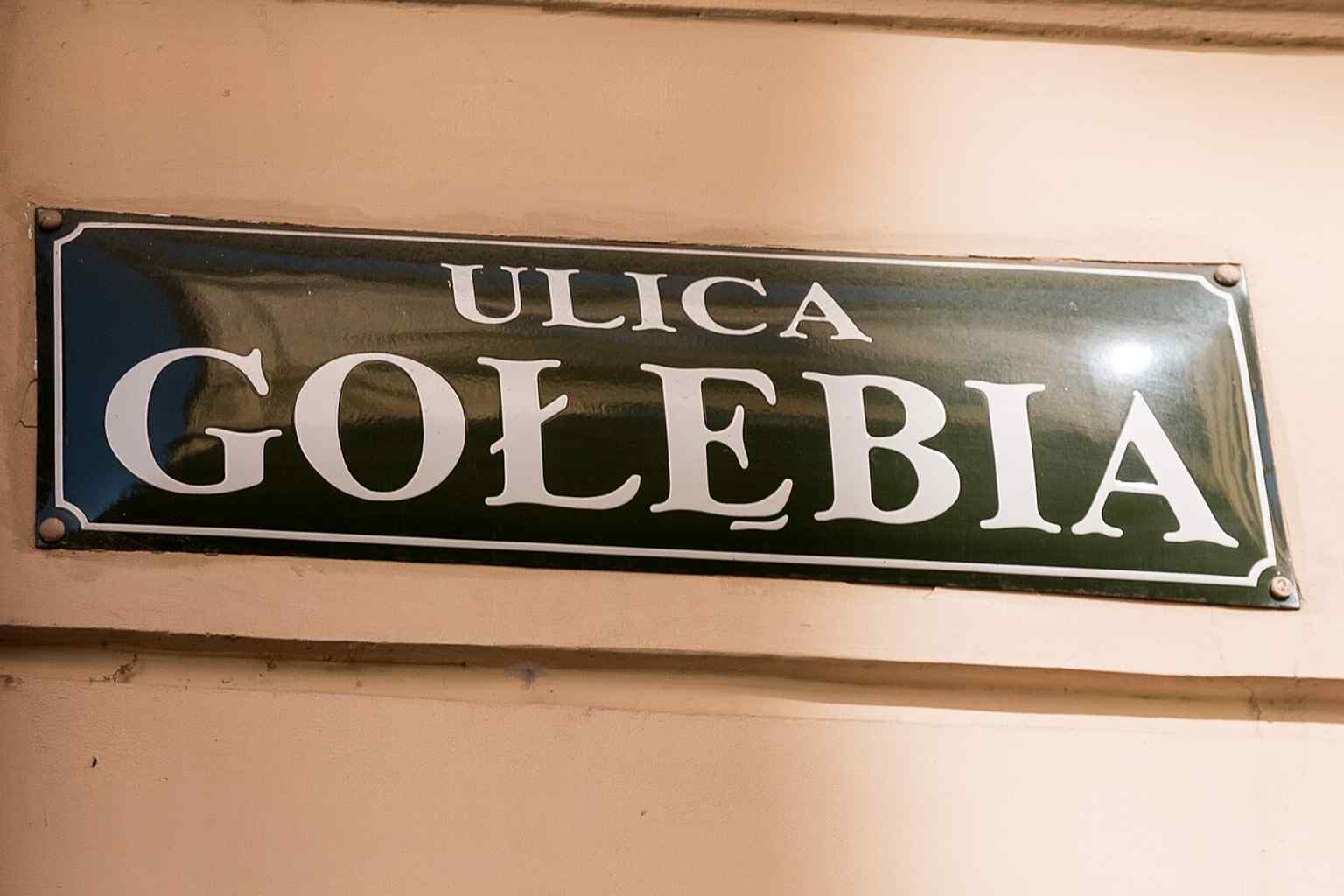
But locals know Gołębia never belonged only to professors. At number two lived Florian Straszewski, one of the men who helped create the Planty. Here is the bit tourists usually miss: he also ran a public lottery, and he poured the proceeds into beautifying that park. Civic improvement, Kraków style - part urban vision, part raffle ticket. His house had a reputation for cards, dinners, and cheerful chaos; apparently Mrs. Straszewska sometimes learned how many guests were coming only when they sat down to eat. That is not entertaining, that is Olympic hosting.
A few doors away, number one held a very different life. Fryderyk Hechel, a forensic medicine professor and obstetrician, rented there for years. He came from poverty, had an alcoholic father, and in eighteen thirty-nine founded a Temperance Society and wrote against drunkenness. He also avoided Kraków’s glittering social circles. Sensible man. The same house carried older dramas too: Henrietta Ewa Ankwicz, who inspired Adam Mickiewicz, and much earlier the scholar Faustus Socinus, whom a mob of students dragged from his rooms in fifteen ninety-eight and whose library they burned.
Gołębia also glimmers in the story of modern Kraków. In eighteen thirty, the city installed its first gas lamps here, one of the earliest such demonstrations in a Polish city. Very grand, very forward-looking - until residents later complained that the gas gave a weak, flickering, multicolored flame, sometimes failed for four days, and the street lamps were not even lit until after ten o’clock. Progress arrived, but it arrived like a distracted uncle.
Then there is Collegium Novum. In the app image, its red-brick confidence feels almost reassuring. Yet on the sixth of November, nineteen thirty-nine, Bruno Müller summoned professors there to room fifty-six for what sounded like a lecture. German occupiers arrested one hundred eighty-three scholars from Kraków’s universities. Many were sent to Sachsenhausen and never came back.
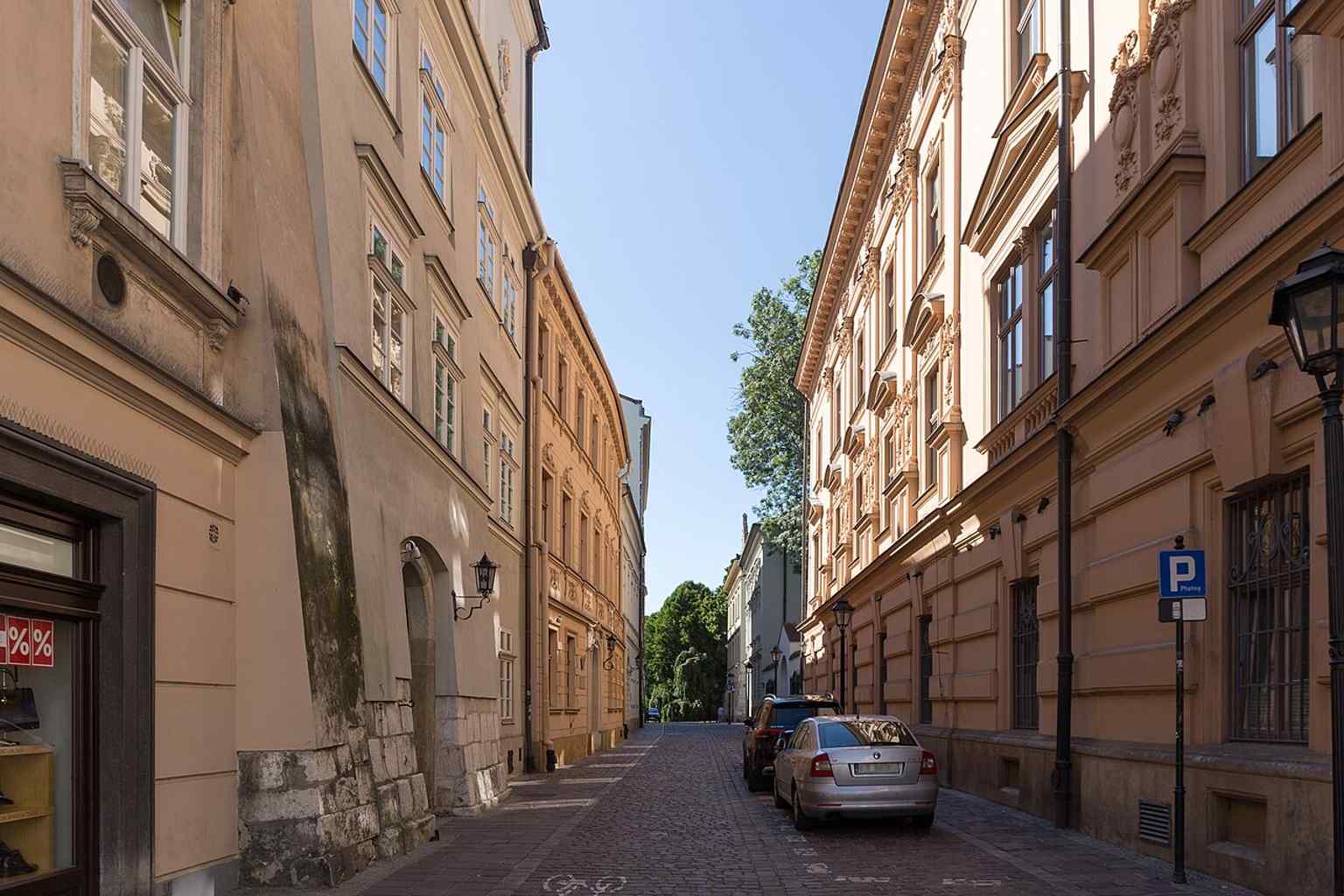
And still, the street kept handing things on: books through Robert Jahoda’s bindery at number four, ideas through lecture halls, public beauty through Straszewski’s park, hard arguments through centuries of belief and doubt. That may be Kraków’s best trick. Not perfection. Transmission. Here, the city endures because knowledge, art, faith, and argument keep passing from one set of hands to the next.






