
50+ langues

 Oldenburg · Allemagne
 Audioguides Oldenburg
Découvrez Oldenburg avec des tours à pied audioguidés en autonomie
headphones
4 tours
pin_drop
20 monuments
translate
Monuments incontournables
Le Oldenburg que tout le monde connaît.
Les monuments de tous les guides — et les tours qui te racontent ce que les guides taisent.
Quelques mots sur Oldenburg
A market town that has been growing steadily since 1108.
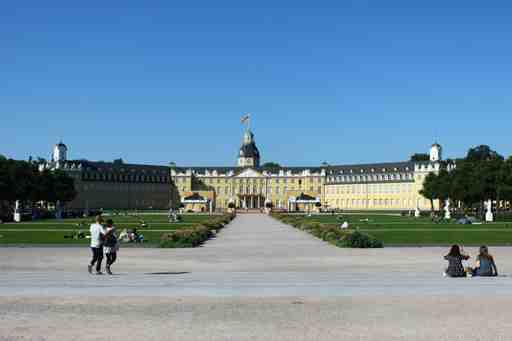
Oldenburg was first documented in 1108, when Count Elimar I held a ford on the Hunte River and the settlement that grew around it took his name. The counts of Oldenburg became kings of Denmark, then Norway, then Sweden, then Greece, across various dynastic complications over six centuries. The town itself, meanwhile, grew into a compact capital of a small state and accumulated the civic buildings that role requires: the Schloss, now a regional museum with a particularly good art collection, and the Staatstheater on Theaterwall, operating since 1833.
The Kramermarkt, the city's annual autumn fair, dates to the seventeenth century and runs for ten days in October.
The Schlossgarten, the formal garden behind the palace, is open year-round and is used by locals with a frequency that suggests they think of it as their own garden, which in some sense it is. St Lamberti Church, its tower visible from across the low flat country that surrounds Oldenburg, is the seat of the regional Lutheran church. The surrounding landscape is dairy country: eighty percent grassland, flat, and producing milk that goes into the northern German butter and cheese supply.
Oldenburg
Oldenburg FAQ
Before you walk.
Tous les tours de Oldenburg, dans ta langue.
50+ langues, incluses avec chaque réservation.
🇬🇧 English🇫🇷 Français🇪🇸 Español🇩🇪 Deutsch🇮🇹 Italiano🇯🇵 日本語🇨🇳 中文🇰🇷 한국어+ 41 autres
star AudaTours Unlimited
Tu visites plus d'une ville ? Abonne-toi.
Débloque tous les tours de Oldenburg — et des milliers d'autres partout dans le monde. Annule quand tu veux.
$4.99/semaine · Annule quand tu veux

Encore en Allemagne
Explorer Allemagne arrow_forwardD'autres villes à parcourir en Allemagne.


Adoré par les voyageurs du monde entierDes milliers de tours commencés.
Des milliers de tours commencés.
Plein d'avis.
4,8 sur l'App Store et Google Play. En voici quelques-uns qu'on adore relire.
starstarstarstarstar
Ce tour était un excellent moyen de voir la ville. Les histoires étaient intéressantes sans paraître trop scénarisées, et j'ai adoré pouvoir explorer à mon propre rythme.

Jess
Tour de Tbilissistarstarstarstarstar
C'était un bon moyen de découvrir Brighton sans se sentir comme un touriste. La narration était profonde et contextuelle, sans en faire trop.

Christoph
Tour de Brightonstarstarstarstarstar
J'ai commencé ce tour avec un croissant dans une main et zéro attente. L'application vibre tout simplement avec vous, pas de pression, juste vous, vos écouteurs et quelques histoires sympas.

download Télécharger l'appli Mets tes écouteurs.


Mets tes écouteurs.
Sors te promener.
Gratuit à télécharger. Des tours dans chaque ville. Commence en 60 secondes — sans compte, sans carte.

headphones
~ 4 min avant ton premier tour
public
1 000+ villes dans le monde
all_inclusive
AudaTours
Unlimited
Chaque visite. Chaque ville. Un abonnement.
3096 tours2272 villes138 pays50+ langues