
Tour de audio por la ciudad de Nueva York: Resiliencia y reflexiones en el Distrito Financiero
A la sombra de la Torre de la Libertad, donde gigantes de cristal se elevan desde calles más antiguas que la propia nación, los secretos persisten bajo cada acera y piedra. Este tour de audio autoguiado desvela la historia oculta del Distrito Financiero, revelando calles secundarias e historias pasadas por alto por las multitudes apresuradas. Deja que leyendas susurradas y verdades enterradas transformen tu viaje en una aventura que solo los conocedores de la ciudad conocen. ¿Qué catástrofe en el Monumento Nacional del 11 de Septiembre sigue dando forma a las decisiones tomadas en las oficinas más altas? ¿Qué acto rebelde desató el pánico en las salas de juntas y resuena en los antiguos callejones? ¿Y por qué una pausa para el almuerzo ordinaria provocó un escándalo que casi derribó una fortuna? Siente el pulso de Nueva York mientras tus pasos te llevan desde las sagradas piscinas conmemorativas hasta rascacielos que sobrevivieron a batallas y traiciones. Cada giro trae descubrimientos audaces y un drama inolvidable. ¿Estás listo para caminar donde las leyendas nunca duermen? Comienza la historia bajo las imponentes torres.
Vista previa del tour
Sobre este tour
- scheduleDuración 30–50 minsVe a tu propio ritmo
- straighten0.5 km de ruta a pieSigue el camino guiado
- location_onUbicaciónNueva York, Estados Unidos
- wifi_offFunciona sin conexiónDescarga una vez, úsalo en cualquier lugar
- all_inclusiveAcceso de por vidaReprodúcelo en cualquier momento, para siempre
- location_onComienza en Torre de la Libertad
Paradas en este tour
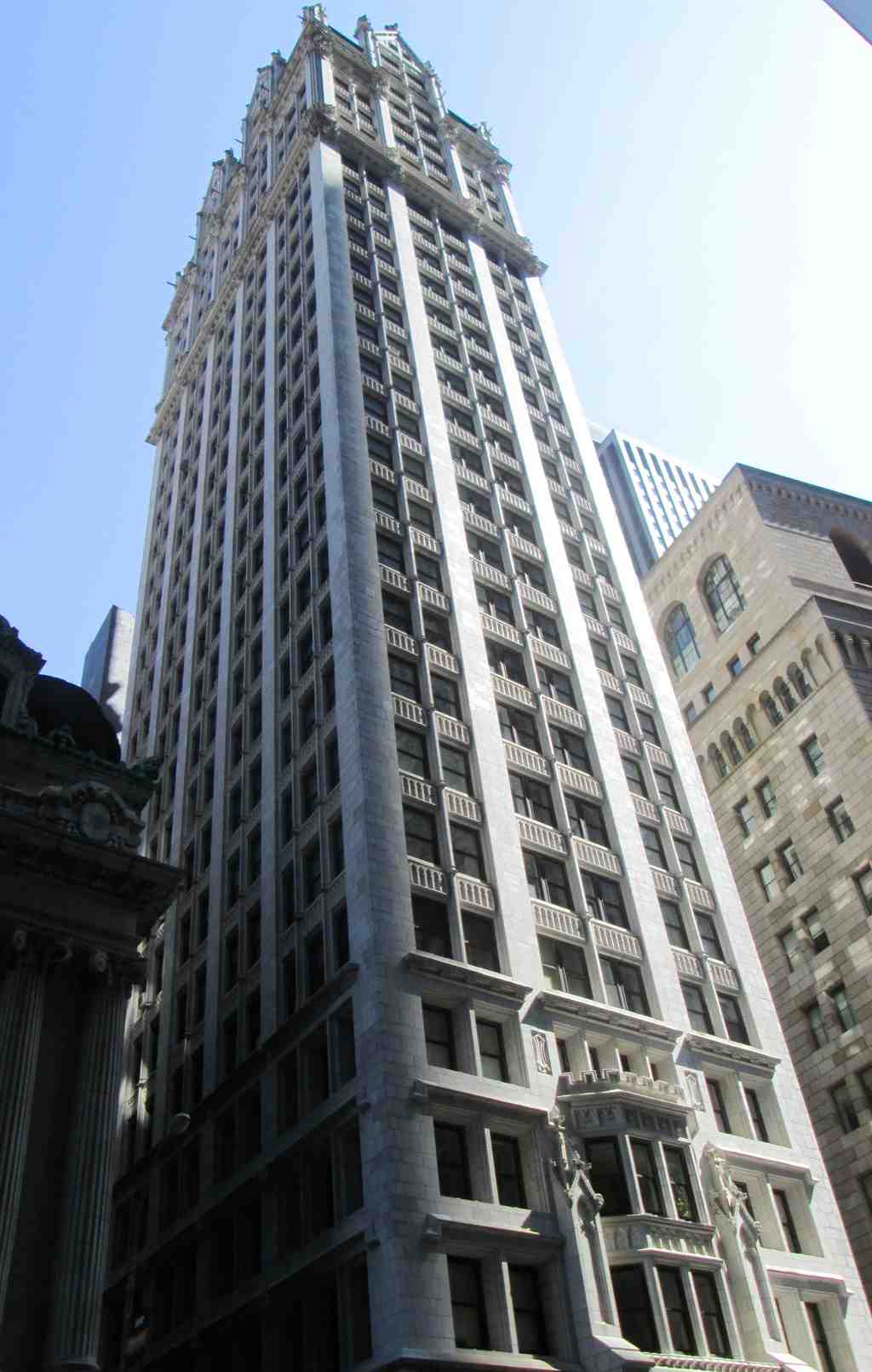
If you look upwards toward Nassau and Liberty Streets, you’ll spot a slender, bright white tower covered in intricate terracotta details-gargoyles, birds, and fanciful creatures…Leer másMostrar menos
If you look upwards toward Nassau and Liberty Streets, you’ll spot a slender, bright white tower covered in intricate terracotta details-gargoyles, birds, and fanciful creatures guarding a Gothic crown high above the clustered Financial District. Here you are, right at the foot of the Liberty Tower. It rises like a storybook castle, squeezed into a tiny plot but stretching a dizzying 33 stories above these bustling streets, its white terracotta gleaming in the sun-no matter how crowded the city feels, this building dares you to look up and catch its ambitious personality. Imagine the year is 1910: suffocating with excitement and the steam of progress, Manhattan is booming. Henry Ives Cobb, an architect with wild ideas from Chicago and Paris, is hired to craft something bold, something that almost pokes the clouds-he chooses English Gothic. Not for a cathedral, but for an unapologetic office tower, clad from foot to rooftop in terracotta. Over 3,000 blocks of it, filled with quirks and characters carved into the walls. You could search for hours spotting alligators and creatures peering down at you! What made the Liberty Tower extraordinary wasn’t just its lacework of ornament but its insane proportions. The floor area ratio was over 30 to 1, making it the slimmest skyscraper in the world when it was finished. The whole thing rises on a plot of land that’s just 5,200 square feet. Its foundations sink down a remarkable 94 feet, built into soggy, treacherous ground with caissons so deep they were second only in the entire city. It was a gamble. The construction even triggered a series of mortgages, defaults, and legal struggles-nearly leaving the building unfinished before tenants even moved in. Inside, the marble lobby was once covered with lively murals-a tribute to the ambitions and fleeting youth of New York, and even the legendary William Cullen Bryant, whose “China Tower” newspaper office stood here before all this steel and terracotta. The tenants of Liberty Tower were fittingly ambitious: one of the first was the law office of Franklin D. Roosevelt, practicing here in his pre-presidential days, along with major insurance companies, brokers, and, rather secretly, German spies during the feverish days leading up to World War I. Then came Sinclair Oil, snapping up the entire building right after WWI. The place was buzzing with negotiations, and even the notorious Teapot Dome scandal was cooked up here-oil deals, bribery-a juicy slice of American history, played out in these narrow offices. When oil moved uptown, so did Sinclair, and the Rockefeller family took over before passing it through a carousel of owners. By the late 1970s, things were gloomy. The neighborhood was half-abandoned, and Liberty Tower stood almost empty-almost ready for a big sleep. Instead, Joseph Pell Lombardi stepped in, betting everything, with just $25,000 down, that New Yorkers would soon crave city living again. He stripped away the dusty cubicles and reimagined the place for homes, making this the Financial District’s first major office-to-residential conversion. It wasn’t easy-moving day for new residents meant raw, unfinished spaces and kitchens and bathrooms yet to be built. Still, the building sparked a trend, inviting life back into this part of the city. Of course, Liberty Tower has endured more than its share of trouble: battered by the collapse of the World Trade Center nearby in 2001, followed by years of costly repairs-residents pitched in to restore thousands of terracotta sculptures on its ornate exterior. But time and again it’s survived, returned, and now stands tall, crowned and proud, as both a city landmark and a symbol of rebirth-one that hides wild stories and wild creatures in plain sight, still keeping watch from its Gothic perch. As the traffic rushes by, pause and let your mind fill those old offices with the ambitions, secrets, and dramas of a century of New Yorkers. Fascinated by the site, architecture or the critical reception? Let's chat about it
Abrir página dedicada →
Preguntas frecuentes
¿Cómo empiezo el tour?
Después de la compra, descarga la app AudaTours e ingresa tu código de canje. El tour estará listo para comenzar de inmediato - solo toca play y sigue la ruta guiada por GPS.
¿Necesito internet durante el tour?
¡No! Descarga el tour antes de empezar y disfrútalo completamente sin conexión. Solo la función de chat requiere internet. Recomendamos descargar en WiFi para ahorrar datos móviles.
¿Es un tour guiado en grupo?
No - esta es una audioguía autoguiada. Exploras de forma independiente a tu propio ritmo, con narración de audio reproduciéndose en tu teléfono. Sin guía, sin grupo, sin horario.
¿Cuánto dura el tour?
La mayoría de los tours toman 60–90 minutos para completar, pero tú controlas el ritmo completamente. Pausa, salta paradas o toma descansos cuando quieras.
¿Qué pasa si no puedo terminar el tour hoy?
¡No hay problema! Los tours tienen acceso de por vida. Pausa y continúa cuando quieras - mañana, la próxima semana o el próximo año. Tu progreso se guarda.
¿Qué idiomas están disponibles?
Todos los tours están disponibles en más de 50 idiomas. Selecciona tu idioma preferido al canjear tu código. Nota: el idioma no se puede cambiar después de generar el tour.
¿Dónde accedo al tour después de comprarlo?
Descarga la app gratuita AudaTours desde App Store o Google Play. Ingresa tu código de canje (enviado por email) y el tour aparecerá en tu biblioteca, listo para descargar y comenzar.
Si no disfrutas el tour, te reembolsamos tu compra. Contáctanos en [email protected]
Paga de forma segura con 


