
Audioguía de Nueva Orleans: Leyendas, Libaciones y el Corazón de la Ciudad Media Luna
En Nueva Orleans, los secretos resuenan entre salones ornamentados y ventanas rotas, una ciudad donde el pasado nunca se suelta. Esta audioguía autoguiada te lleva a través de pasillos silenciosos y calles con historia, descubriendo dramas ocultos y leyendas olvidadas que la mayoría de los visitantes nunca encuentran. ¿Qué acto desesperado cerró las puertas del Charity Hospital de la noche a la mañana, enviando ondas de choque por toda la nación? ¿Quién susurró en los rincones silenciosos de la Corte Suprema, cambiando el destino de miles con un solo veredicto? ¿Por qué todavía hay preguntas sin respuesta en torno a una carta perdida en el corazón de los archivos de la Biblioteca Pública? Muévete por la ciudad a pie y en mente, rastreando rebeliones y escándalos, deteniéndote en habitaciones olvidadas y persiguiendo misterios nacidos bajo suelos que crujen. La vieja Nueva Orleans brilla bajo tus pies, esperando revelar sus cicatrices e historias. Comienza el viaje, deja que las profundidades ocultas de la ciudad te atraigan.
Vista previa del tour
Sobre este tour
- scheduleDuración 40–60 minsVe a tu propio ritmo
- straighten5.0 km de ruta a pieSigue el camino guiado
- location_onUbicaciónNueva Orleans, Estados Unidos
- wifi_offFunciona sin conexiónDescarga una vez, úsalo en cualquier lugar
- all_inclusiveAcceso de por vidaReprodúcelo en cualquier momento, para siempre
- location_onComienza en Biblioteca Pública de Nueva Orleans
Paradas en este tour
To spot the New Orleans Public Library, look for a modern building often marked with a colorful sign-blocks shaped like books-standing confidently along Loyola Avenue. Now, let…Leer másMostrar menos
To spot the New Orleans Public Library, look for a modern building often marked with a colorful sign-blocks shaped like books-standing confidently along Loyola Avenue. Now, let me take you on an adventure through time, right outside the beating heart of the city’s knowledge: the New Orleans Public Library. Imagine it’s the late 1800s, and the air smells of river water and horse carts. The library’s story begins not in this modern facade, but in the gracious drawings of Abijah Fisk’s house at the corner of Iberville and Bourbon Streets-think less ‘library’ and more ‘old merchant’s parlor packed wall-to-wall with books.’ It was 1895. There was no app for directions, just dusty paths and folks in starched collars. The city was hungry for a place to gather, to learn, to dream bigger than the Mississippi riverbanks. Enter the Fisk Free and Public Library-free in theory, but with a few strings attached. Lending wasn’t always open to everyone, but that was about to change with a little help from a determined mayor, John Fitzpatrick. Picture this: a city council room buzzing with anticipation, a bold city ordinance, and a crafty shuffle-joining the old Fisk collection with a fresher, municipal library. By the time the doors officially opened in 1897, more than 35,000 volumes were ready and waiting. The first bookkeeper-in-chief was a fellow named William Beer. Talk about dedication! He ran not one, but two libraries in New Orleans at the same time. By 1906, Henry Gill took up the torch, and the catalog kept growing, fueled by one spectacular stroke of luck: A $50,000 gift from Simon Hernsheim, a local businessman. And then-BAM!-along came Andrew Carnegie. His donation of $250,000 in 1902 was the golden ticket, building not just a new main library, but branches citywide. Suddenly, libraries sprouted up on Royal Street, Frenchmen, Napoleon Avenue, and even across the river in Algiers. But the library wasn’t just a place for books. By 1947, it had become the guardian of the City Archives-a treasure trove dating back to the Spanish colonial days of 1769. Here, inside these cool, quiet halls, are court papers, maps, dusty newspapers, and even sketches from Charles F. Youngman, the city’s newspaper historian-his handwriting still as lively as a jazz tune drifting in from the French Quarter. Fast-forward to more recent years, and our library faced its greatest test yet. August 29, 2005: Hurricane Katrina barreled down on New Orleans, smashing windows and swamping entire neighborhoods. Most of the staff had to go. All the city’s libraries closed their doors for two months. Water soaked rare books, mold crept across cherished manuscripts, and in some branches, the damage was so total, there was nothing left but memories and hope. But in true New Orleans spirit, the library didn’t close for long. Just two months after Katrina, the brave twenty staffers left surveyed the damage and set up shop wherever they could-sometimes in trailers or borrowed corners of city buildings while the main structure was slowly put back together. Bit by bit, the branches reopened. Today, there are fourteen serving the city, each with a patchwork of history, laughter, and the odd ghost story or two. Through it all, the New Orleans Public Library remains a place of resilience-a steadfast keeper of memories, dreams, and that distinct scent of old books and new beginnings. Next time you walk through those doors, maybe you’ll imagine the turning of a century, the hush after a storm, or the proud, stubborn heartbeat of New Orleans itself. Intrigued by the effects of hurricane katrina, branches or the city archives of new orleans? Make your way to the chat section and I'll be happy to provide further details.
Abrir página dedicada →To spot The Roosevelt New Orleans, just look for a massive, ornate white building with tall windows and grand detailing towering up from the corner-it's hard to miss, standing…Leer másMostrar menos
To spot The Roosevelt New Orleans, just look for a massive, ornate white building with tall windows and grand detailing towering up from the corner-it's hard to miss, standing proud like an elegant stone wedding cake on Baronne Street. Welcome, friend, to one of New Orleans’ legendary stages of history and high spirits! Picture yourself in the late 1800s - horse-drawn carriages rattling past, a whiff of strong coffee in the air, and the promise of Mardi Gras sparkle around every corner. Right here, a German immigrant named Louis Grunewald gazed over the ashes of his burned-down music hall and saw opportunity. Instead of mourning, he began building: by 1893, he opened The Hotel Grunewald, luring Mardi Gras revelers with 200 sumptuous rooms and enough elegance to make the finest top hats tip in envy. Now, fast forward to 1908. As partygoers clink glasses and jazz floats through the streets, a shimmering new tower rises - the Grunewald Annex. Fourteen grand stories, 400 new rooms, and a lobby with a staircase of Italian marble that looked like something straight out of a Venetian fairytale. But what truly stole the show was “The Cave,” a wild underground bar where you could sip a cocktail beside waterfalls, glowing stalactites, gnomes, and nymph statues. Imagine the sound of laughter echoing from that cavernous hideaway. Some even say it rivaled the Ziegfeld Follies - right here, beneath your feet! But as time swept on, change was in the air. In 1923, the Vacarro brothers snatched up the hotel and set out to make it bigger and better. Boom! The old hotel was torn down, a new 16-story Baronne Street tower soared into the sky, and the Hotel Grunewald transformed into the Roosevelt Hotel, named in honor of President Theodore Roosevelt. This new era sparkled with the buzz of jazz - the Venetian Room soon became the city’s hottest jazz venue, while the grand lobby began its tradition of lavish Christmas decorations, dazzling locals and visitors year after year. The 1930s brought a pinch of political intrigue. Seymour Weiss, originally the hotel’s barber shop manager (yes, really!), climbed the ranks to become owner and a confidant of Louisiana’s most colorful governor, Huey Long. Politics, power, and plenty of cocktails swirled around the 12th floor suite, where Long would plot, scheme, and order up his famous Ramos gin fizzes-once even flying his bartender up to New York to keep that signature drink just right. Somewhere in these halls, legend whispers of a secret “Deduct Box” where contributions and secrets were stashed away, never to be found. The Roosevelt became the city’s playground for stars. The Blue Room, with its swinging bands and sultry singers, welcomed the likes of Glenn Miller and Guy Lombardo. Then, the world-famous Sazerac Bar moved in, making headlines in 1949 as it finally allowed women to join the revelry-an event now known as “Storming the Sazerac.” Time and hurricanes could batter these walls, but the Roosevelt has always roared back to life. After Hurricane Katrina, the building was brought back from the brink with a $100 million facelift and reopened in 2009, glimmering with all the romance of the 1930s and a modern twist. Today, over 500 plush rooms and grand ballrooms stand ready for the next chapter, while guests float in a rooftop pool high above the humming city. So as you stand here, sense the blend of marble, music, and mischief swirling around you. This isn’t just a hotel - it’s a living memory palace of New Orleans, where every wall is waiting to share another secret, just as soon as the jazz picks up again.
Abrir página dedicada →

Mostrar 10 paradas másMostrar menos paradasexpand_moreexpand_less
Directly in front of you is Canal Street-look for the wide avenue lined with tall palm trees, classic hotels, and the unmistakable red streetcar gliding right down the center…Leer másMostrar menos
Directly in front of you is Canal Street-look for the wide avenue lined with tall palm trees, classic hotels, and the unmistakable red streetcar gliding right down the center tracks. Welcome to Canal Street, the grand boulevard where New Orleans’ history is as wide as the street itself-seriously, at three lanes each way and two streetcar tracks in the middle, some folks say it’s America’s widest ‘main street’! Picture the early 1800s here: on one side, the fancy French-speaking Creoles ruled the French Quarter with their wine, music, and rich gumbo, while on the other, new American settlers fresh from Kentucky and the Midwest were eager to make their mark. These neighbors agreed on one thing-the city needed a canal to divide the two worlds. That canal was never dug, but the street they built instead became the famous “neutral ground.” Even today, medians across New Orleans are called “neutral grounds” as a nod to this meeting (and sometimes, staring) point of two cultures-because it’s always awkward deciding who gets to bring the potato salad to a city party. Standing here, imagine elegant 19th-century department stores with sparkling glass displays, shopkeepers in crisp aprons hanging out in front, and families hustling for deals at Maison Blanche or D.H. Holmes. Shoppers once lined up for blocks during Mardi Gras to catch beads and snatch up the latest hats and gloves, and grand hotels sprang up to host everyone from traveling businessmen to Mardi Gras float queens. The street boomed-for more than a hundred years, this was the place to shop, to see and be seen, to elbow your way through the throngs and maybe, just maybe, find a bargain at the famous Godchaux’s. Here you’d find sound of laughter, streetcars, and maybe even a banjo or two playing beneath the enormous hotel neon signs. During the roaring twenties, the district soared with downtown hotels like Jung Hotel and LaSalle Hotel, each boasting rooftop ballrooms where jazz spilled into the street. If you think New Orleans is all about the parties now, you should’ve seen these folks dance a century ago! By the 1960s, convention hotels like the Marriott joined the skyline, blending old and new. And here’s a bit of drama-after Hurricane Katrina, the luxury Saks in Canal Place was nearly lost to fire. There’s resilience in these walls and on these streets: both mall and store bounced back within a year, determined to keep the party rolling. Head down Canal and you’d find world-class theaters and lights galore. In 1896, the world’s very first movie theater for paying customers-Vitascope Hall-opened its doors on Canal, catching the city in cinema fever. Neon marquees from the Saenger, Loews State, Orpheum and Joy illuminated the night sky, their buzzing lights bringing the Bourbon glow out toward the river. The Saenger in particular, with its grand staircase and “stars” on the ceiling, made every ticket-holder feel like a king or queen. Today, only a few movie houses remain, but their story glimmers when dusk falls. And the story isn’t done. Wander farther and you see a city in motion-recent years brought new hotels, a bio-innovation center, and Audubon’s famous Insectarium. Even cranes and jackhammers mark change, like that fateful day in 2019 when a building collapse interrupted a project at the former Hard Rock Hotel site. So as you stand on the legendary “neutral ground,” surrounded by swaying palms and the clang of streetcars, imagine the thousands of locals and visitors, shoppers and dreamers, who’ve made Canal their crossroads-where Creole meets Yankee, shopping meets jazz, and past meets future, all on America’s boldest stage. To expand your understanding of the shopping, entertainment or the hotels, feel free to engage with me in the chat section below.
Abrir página dedicada →To spot Our Lady of Guadalupe Church & International Shrine of St. Jude, look for a cream-colored building with three arched doorways and a sharp church steeple topped with a…Leer másMostrar menos
To spot Our Lady of Guadalupe Church & International Shrine of St. Jude, look for a cream-colored building with three arched doorways and a sharp church steeple topped with a cross, right at the corner of Rampart and Basin, across from the famous St. Louis Cemetery. Now, let’s dive into a tale straight from the heart of New Orleans-where faith, jazz, and a touch of miracle come together! Picture the year 1827: yellow fever is sweeping the city, and grieving families need a place to honor loved ones. This church was first created as a chapel just for funerals, standing quietly in the shadow of the city’s oldest cemeteries, its bells tolling for the departed. But don’t let the somber beginnings fool you-things get interesting! Fast forward to the early 1900s, when the chapel was nearly forgotten… until a group of spirited missionaries took over, brought it back to life, and people began praying to St. Jude, the patron of hopeless causes. Prayers were answered left and right-no kidding, it became famous for miracles! Today, the Gospel Jazz Masses fill the space with music and soul like nowhere else. Don’t forget to check out the grotto and shrines-you might just spot someone lighting a candle for speedy help from Saint Expedite, whether they’re Catholic or following the city’s rich Voodoo traditions. Nothing in New Orleans happens without a good story and a little music, and this place has plenty of both!
Abrir página dedicada →Look for a large, red-brick building with mint-green shutters and an ornate ironwork balcony wrapping around the corner-Arnaud’s stands proud with its American flag fluttering on…Leer másMostrar menos
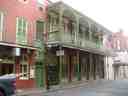
Look for a large, red-brick building with mint-green shutters and an ornate ironwork balcony wrapping around the corner-Arnaud’s stands proud with its American flag fluttering on Bienville Street. Alright, my friend, take in the scent of the French Quarter-a bit of roasted coffee, a twist of humidity, and maybe a whiff of Mardi Gras beads and history mixed together! You’re standing at the legendary Arnaud’s, and let me tell you, this place is dripping with stories, mystery, and more than a few secrets in its walls-and its cocktails, too! Let’s set the scene: It’s 1918, just as New Orleans is buzzing with jazz and riverboats, when a French wine salesman by the name of Arnaud Cazenave arrives with big dreams in his suitcase. He’s got a nose for good wine, a palate for Creole spice, and a personality as grand as the city itself. Arnaud sweeps up a handful of properties right here on Bienville Street, and instead of creating one small bistro, he combines them all-go big or go home, right? He names the restaurant after himself. Modest? Maybe not. Visionary? Absolutely! As you stand in front of the elegant ironwork balcony, imagine those early days: flickering lamps, diners dressed up for a night on the town, and Arnaud charming guests in a bouquet of French and Creole language. The food? Oh, the food! Classic Louisiana Creole-spicy, hearty, and absolutely unforgettable. Arnaud’s quickly becomes a cornerstone for everyone who’s anyone, and the sound of laughter and clinking glasses spills out onto the street. But here’s where the story gets even tastier: When Arnaud passed away in 1948, his daughter Germaine Wells took over. And if you think Arnaud had style, wait until you hear about Germaine! She continued her father’s rituals, running the restaurant with a velvet glove, a sharp wit, and an enormous heart. She also happened to be a Mardi Gras queen… several times over, in fact! The New Orleans National Restaurant Association even crowned her the queen of hospitality. Fast forward to the late '70s, and Arnaud’s is starting to show its age. Enter Archie and Jane Casbarian-a dynamic duo ready to rescue this tarnished treasure. Renovating Arnaud’s wasn’t just a facelift; it was a full-blown revival! They swept out the dust, brought back the elegance, and even came up with a clever way to fund it: selling timeshare rights for tables. For a cool $10,000, you got a golden key to dine like royalty whenever the urge struck. Imagine knowing there’s always a table with your name on it… even if getting your name on the wall might have required eating a few too many oysters! Speaking of oysters, did you know The New York Times once published Arnaud’s own Oysters Bienville recipe? It’s no wonder-the kitchen here is legendary, cranking out Creole classics for over a century, from a menu that caters to brunchers, foodies, and cocktail lovers alike. Nowadays, Chef Tommy DiGiovanni carries the baton, serving up everything with that distinctly New Orleans flair. And don’t miss the bar! During Prohibition, it was business as usual-if you knew the password, that is. In the modern day, the French 75 Bar next door (named after the famed champagne cocktail) is award-winning-a James Beard winner, no less. Last but not least, tucked inside this historic restaurant is something truly unexpected: a tiny Mardi Gras museum. When the Casbarians were restoring Arnaud’s, they stumbled upon Germaine’s glittering collection of carnival costumes. Today, you can peek inside and imagine yourself riding on a float, crowned with feathers and beads-a true taste of New Orleans magic. So, now that you’re standing here where history, flavor, and festivity mix together like the perfect gumbo, let your imagination wander. Who knows-you might just be walking in the footsteps of a king or queen of Mardi Gras, or a jazz legend ducking in for a French 75. Laissez les bon temps rouler-let the good times roll, because at Arnaud’s, they’ve been rolling for over 100 years! And if these balcony railings could talk, I’m sure they’d have more than a few secrets to whisper just above the lively sounds of the Quarter.
Abrir página dedicada →To spot the Louisiana Supreme Court, look ahead for a grand, stately building-its polished stone, tall columns, and regal presence will stand out front and center, and you might…Leer másMostrar menos
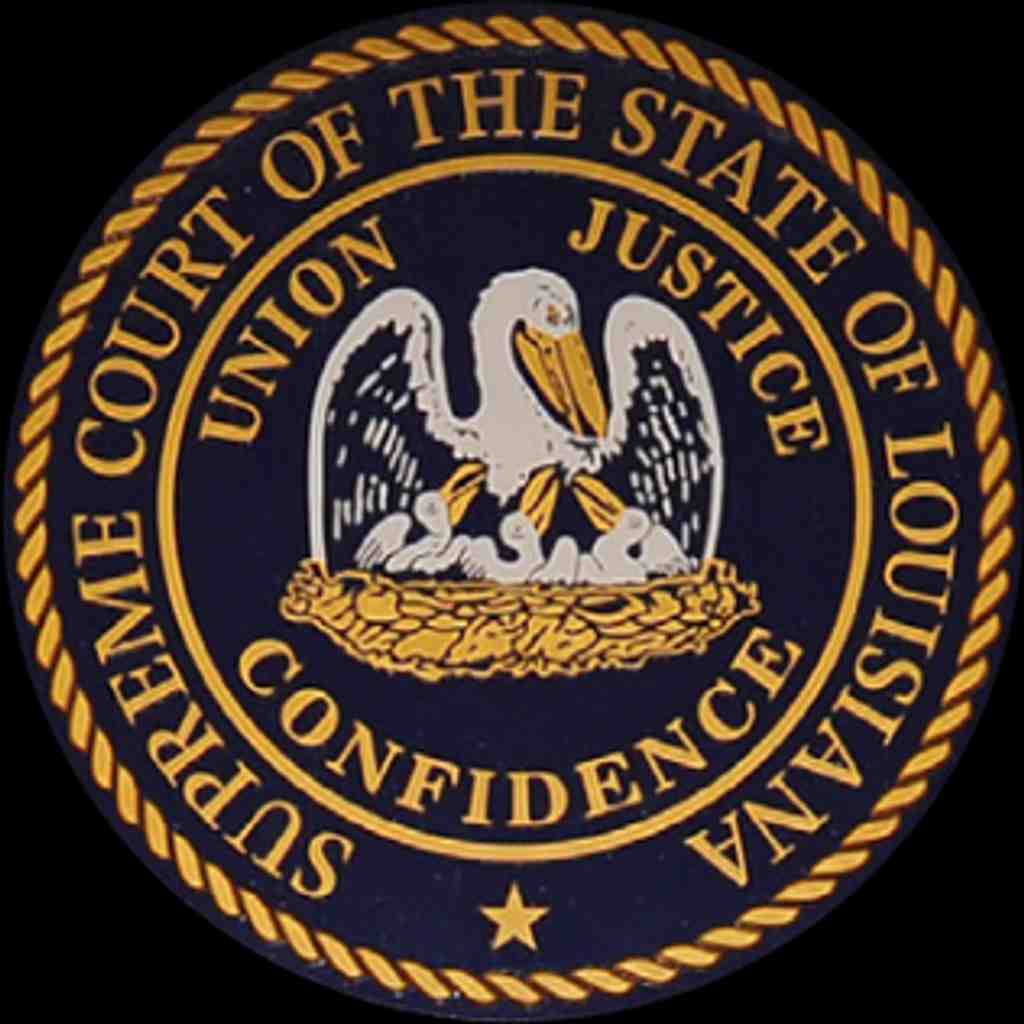
To spot the Louisiana Supreme Court, look ahead for a grand, stately building-its polished stone, tall columns, and regal presence will stand out front and center, and you might catch the official seal featuring a wise, motherly pelican that says, “Hey, justice is serious business here!” Now, let’s jump right into the story, right where you’re standing-imagine the buzz of courtrooms, the swish of black robes, and the quiet tension as judgments that affect millions are made inside these walls. But before this building ever echoed with legal arguments, the journey of Louisiana’s justice system began centuries ago, in a very different world. Picture yourself on the muddy streets of early French New Orleans, back in 1712, with the heat rolling off the Mississippi River. Instead of a Supreme Court, a council called the Superior Council-part courtroom, part government-presided over the city’s troubles, gossip swirled, and occasionally even duels were settled with more than just sharp words! When Spain took over in 1769, the Superior Council was tossed aside for the Cabildo, where the colonial governor’s word was final. So if you didn’t like a decision, you basically had to hope the governor was in a good mood. Meanwhile, the people in the Florida Parishes-just east of here-had their own set of rulers, which just made legal matters extra spicy. Fast forward to 1803, the land is suddenly American after the Louisiana Purchase, and everything changes. The Territory of Orleans was born-doesn’t that sound grand? Congress created a three-judge Superior Court, and before you could say “beignets,” local courts popped up in each parish, handling squabbles, crimes, and questions from all corners of the territory. When Louisiana officially became a state in 1812, its first real Supreme Court was set up. The governor picked three to five judges, and they split their time between New Orleans and a much sleepier town called Opelousas. Imagine riding halfway across swampy Louisiana by horse just to argue your case! The court changed as fast as Mardi Gras costumes, with each new state constitution shaking things up. In 1845, one chief justice and three associates were handpicked by the governor, tasked with keeping the peace for eight whole years. Then, in 1852, the people got to elect the justices themselves, adding a bit of democracy to the legal gumbo, and the court grew to five members. Political winds kept blowing; judges were sometimes elected, sometimes appointed, their terms stretching from eight to twelve years and back again-with the 1913 constitution deciding, finally, that all judges should be elected for their troubles. By 1921, the court swelled to seven justices, looking to tackle their mountain of paperwork by meeting in panels of three. Now, when the justices walk those wide stone halls, they represent seven different districts, each one a slice of Louisiana’s wild, complicated history. That air of dignity you feel? It’s well earned. The Louisiana Supreme Court isn’t just any legal club. It has the power to strike down unconstitutional laws, oversee capital crimes with the greatest seriousness, and rule over the bar itself, making sure justice isn’t just a word, but a promise. Oh, and if you ever want to challenge a judge-you’d better come armed with more than just strong coffee and thick skin. Drama isn’t only for jazz musicians here-just a decade ago, the question of who had seniority as Chief Justice made national headlines. Was it Justice Johnson, who had started under a special federal consent decree, or Justice Victory, who was elected just after? Arguments, lawsuits, and appeals buzzed through these halls like cicadas in summer, but in the end, seniority was decided-and Justice Johnson took the title. So next time someone says “Supreme Court” and you picture a quiet, fusty building, remember the centuries of rivalry, change, and big personalities peeking just behind these grand doors-and perhaps a few old spirits of French governors and Spanish cabildos quietly judging everyone’s fashion sense from the past. To expand your understanding of the french and spanish colonial government, american territorial government or the the court under the state government of louisiana, feel free to engage with me in the chat section below.
Abrir página dedicada →You’re looking for a three-story, weathered stucco building on the corner with deep green shutters, shallow iron balconies, and a prominent cupola rising from the roof-right where…Leer másMostrar menos
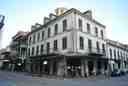
You’re looking for a three-story, weathered stucco building on the corner with deep green shutters, shallow iron balconies, and a prominent cupola rising from the roof-right where Chartres Street gets lively. Welcome to the legendary Napoleon House, a place where history swirls around like the aroma of good gumbo. Flash back to 1814: Nicolas Girod, mayor of New Orleans, expanded his home with a plot that was half madcap adventure, half mystery-he and his friends cooked up a plan to rescue Napoleon Bonaparte from exile and settle him right here in the French Quarter. Imagine the suspense: candles flickering, secret rendezvous, and all the city’s best gossip focused on this very spot. But just as the welcome party was getting started, word arrived that Napoleon had died, and the dream fizzled faster than a glass of Pimm’s Cup on a summer day. Eventually, the house hosted a grocery, then blossomed into a restaurant in 1914. Today, the Napoleon House is legend for its old-world atmosphere, classical music, and must-try muffulettas. Even the upper floors-now apartments-hold onto bits of their grand past. If you catch a breeze, maybe you're just getting a whiff of adventure that never quite left the corner of Chartres and St. Louis.
Abrir página dedicada →You’re standing outside a grand, two-story building with ornate wrought-iron balconies, where the Louisiana, American, and French flags wave above bold, vintage letters spelling…Leer másMostrar menos
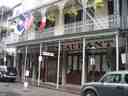
You’re standing outside a grand, two-story building with ornate wrought-iron balconies, where the Louisiana, American, and French flags wave above bold, vintage letters spelling Antoine’s-just look for the lush hanging ferns and you’re there! Now, imagine yourself stepping back in time-whiffs of garlic, butter, and roasting shellfish dance through the air as rain patters softly on the old ironwork. Welcome to Antoine’s, a true legend in the heart of New Orleans, where secrets and flavors have filled the walls since 1840! Antoine’s was founded by Antoine Alciatore, who had a delicious vision: bring a slice of French culinary magic to the French Quarter. Over the years, this restaurant became the birthplace of fantastical dishes like Oysters Rockefeller-worth a million dollars in flavor, but I promise your wallet will survive-along with Eggs Sardou, pompano en papillote, and more. Imagine the sizzle and chatter from the kitchen, as chefs whip up “haute Creole” cuisine with French flair and a Louisiana twist-not a single Cajun or Italian note on the menu, mind you! And this isn’t just any dining room-it’s a warren of 15 lavish spaces, each with its own story. Around every corner you’ll find Mardi Gras krewe memorabilia, glittering beads, masks, and even echoes of mysterious toasts from past carnivals. Antoine’s can fit more than 800 guests at once-perfect if you wanted to throw your own Mardi Gras parade indoors! During Prohibition, Antoine’s had a secret for thirsty patrons: they’d disguise their cocktails in coffee cups, sneak them through the ladies’ room, and deliver them to the hush-hush Mystery Room. Talk about your morning cup of “joe” becoming a lot more interesting! Don’t be fooled by that fancy wine list, either. Below ground cellars don’t work in soggy New Orleans, so Antoine’s built a “wine alley”-a corridor over 160 feet long and stacked with up to 25,000 bottles! Just imagine, each cork a story, perhaps uncorked for a president or even Pope John Paul II, who’ve both dined here. Speaking of VIPs, you might also spot a determined server-in-training hustling by, because at Antoine’s, it takes years of apprenticeship before you’re trusted to present a plate-now that’s dedication. The restaurant stayed in the Alciatore family for generations, with each heir adding their own spice. Founder Antoine’s wife, Julie, bravely ran the kitchen after his passing. Their son Jules eventually expanded the restaurant, even snatching up nearby buildings, including an old carriage house and former slave quarters, until Antoine’s was practically a city block of culinary wonder. When times got tough, especially after Hurricane Katrina, the family’s resilience shone through. After losing their wine collection in a climate-control mishap (the horror!), they rebuilt and reopened, keeping the spirit alive with jazz brunches-and even more jazz hands during the cleanup! Even Hollywood couldn’t resist Antoine’s charm; it appeared in the movie JFK, where the real maitre d’ made a cameo. And if you’re a fan of murder mysteries, Frances Parkinson Keyes’ 1948 novel “Dinner at Antoine’s” swirls with intrigue, secrets, and, of course, a grand feast in the 1840 Room. If you catch a flaming dessert heading to a table, don’t run for cover! That’s Café Brûlot-a zesty, pyrotechnic blend of coffee, spices, and orange liqueur, flamed right at your table. So, as you stand outside Antoine’s, picture generations of laughter, secrets, triumphs, and the ever-present aroma of French Quarter magic. You never know-maybe tonight’s mystery menu comes with your name on it! Interested in knowing more about the ownership and management, cuisine or the unique facilities
Abrir página dedicada →Look ahead for a patchwork of pastel buildings, balconies, and narrow streets tucked right near the river-you're staring into the heart of the French Quarter, a wonderful maze…Leer másMostrar menos
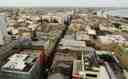
Look ahead for a patchwork of pastel buildings, balconies, and narrow streets tucked right near the river-you're staring into the heart of the French Quarter, a wonderful maze that stretches from Canal Street up to Esplanade Avenue. Alright, my friend, you’re now right on the edge of where it all began! The French Quarter-locals just call it “The Quarter”-is New Orleans’ oldest neighborhood, and, honestly, it’s the city’s soul wrapped up in cast-iron lace and sugar-dusted beignets! Picture this: it’s 1718, and Jean-Baptiste Le Moyne de Bienville has just picked this very spot out of sweltering wilderness to plant the flag of Nouvelle-Orléans. Back then, there was nothing here but swamps, wild cypress trees, and about a million mosquitoes (okay, maybe just half a million). City architect Adrien de Pauger soon laid out this neat little grid you see here-he even named the streets after French royalty and saints. That’s why you get Bourbon Street, named long before anyone dreamed of to-go cups or jazz parades. Strolling these narrow blocks, you’re walking an area that’s watched empires rise and fall. One fire after another in the late 1700s meant the Spanish, who’d taken over by then, rebuilt almost everything-and not a moment too soon! Their rules: no more wooden houses (too flammable), and bring on the fire-resistant bricks and stucco. They swapped sharp French rooftops for flat Spanish tiles but let the local flavor shine through with those wrap-around galleries and balconies-half French, half Caribbean, and totally one-of-a-kind. Jump ahead to the nineteenth century, and you’d find a place packed with Creoles-descendants of French and Spanish settlers-and a brand new group of Americans pouring in after the Louisiana Purchase. Canal Street wasn’t just a road, it was a cultural DMZ: the famous “neutral ground” where French and Anglophone folks, as different as gumbo and apple pie, hashed out business and maybe a few arguments over which language was better for cursing the hot weather. Back then, the economy thrummed with plantation cash-cotton, sugar, tobacco, all shipped by enslaved people and sold right through the riverfront. By 1840, New Orleans was America’s third biggest city, and its river was second only to New York’s! Lavish parties, grand buildings with fancy cast-iron galleries, and hungry prospectors all left their marks, along with huge waves of Irish and Sicilian immigrants whose traditions and food helped flavor the neighborhood. They say that by 1905, half of the Quarter was Italian-so if your nose picks up a hint of muffaletta or you see a bakery selling cannoli, thank “Little Palermo!” The Quarter took a wild turn come Prohibition and the bohemian 1920s, when artists, musicians, and free spirits flocked here-drawn by cheap rent, a little mystery, and a whole lot of atmosphere. Preservationists, worried about bulldozers and endless hotels, fought to save the Quarter’s charm. They got the Vieux Carré Commission started in 1925, and a decade-long tug of war kept the area from being replaced by a freeway! Just imagine-today you could have been standing under an overpass instead of under the smiling eyes of wrought-iron balconies. Through hurricanes, like Katrina in 2005, the French Quarter has survived each storm, protected by high ground and strong levees. When other parts of the city flooded, the Quarter stayed mostly dry, its stories and jazz notes still drifting along the cobbled streets. Of course, it’s no stranger to a bit of spooky fun: ghosts, legends, and a vampire tale or two are practically part of the visitor’s package deal! Today, the Quarter is a swirling blend of locals, tourists, jazz, tarot cards, gumbo, and glittering beads. From Jackson Square and its stately Pontalba Buildings to the thumping pulse of Bourbon Street, there’s art, music, and a pinch of mischief at every step. So while you’re here, soak up the colors, the clang of a streetcar, the laughter tumbling down every alley, and remember-you’re not just seeing history. You’re a part of it, right in the middle of New Orleans’ magical old square. Interested in knowing more about the geography, demographics or the education
Abrir página dedicada →To spot Bourbon Street, just look straight ahead-there’s a lively, narrow street packed with colorful neon signs on both sides, vibrant balconies dripping with beads and flags,…Leer másMostrar menos
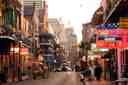
To spot Bourbon Street, just look straight ahead-there’s a lively, narrow street packed with colorful neon signs on both sides, vibrant balconies dripping with beads and flags, and the hum of people and traffic mixing in the evening air. Welcome to Bourbon Street! As you stand here, let your senses wake up: the scent of spicy Cajun food drifts through the air, slick neon lights flicker above the sidewalks, and distant laughter spills from open doorways. This isn’t just a street, it’s a living, breathing legend-a party you can walk through, any day, any night. But peel back the beads and bustle, and you’re walking on layers of history as thick as New Orleans gumbo. Picture it: in 1718, French explorer Jean Baptiste Le Moyne de Bienville founded the city. Just a few years later, royal engineer Adrien de Pauger drew up these very streets, naming them to honor saints and French royalty-including the House of Bourbon. Ironically, after a mighty fire in 1788, many of the elegant buildings were rebuilt by the Spanish, so if you see more Spanish than French in the ironwork and balconies…well, you’ve got history’s fingerprint right in front of you! Later, the Americans took over with the Louisiana Purchase of 1803, swapping the elegant Rue Bourbon for the slick new Bourbon Street. As you look around, imagine the port bustling with ships carrying sugar, tobacco, and fortunes made and lost overnight. By the 1840s, New Orleans was bigger and wealthier than just about any city in America outside New York. But this wasn’t your average southern city. The mix of French, Spanish, Creole, and American influences created a unique stew of culture-and, naturally, attracted travelers hoping for a taste. By the late 1800s, the neighborhood was famous for its wild side: gambling dens, brothels, and music halls where jazz was born. Just down the block, you’ll find Galatoire’s-opened in 1905, it’s been drawing dinner crowds that zigzag down the sidewalk for decades. If you’re ever hungry for tradition or a long wait, you know where to go! After World War II, Bourbon Street turned into a nightlife mecca. Imagine the 1950s-over 50 burlesque and striptease shows lighting up the night. Just like Erle Stanley Gardner’s detective novels hinted, the street shimmered with mystery and, let’s be honest, a bit of cheeky charm! The 1960s brought a wave of reform-police raids, clubs shutting down, and then a push to make Bourbon more tourist-friendly. Soon it was a pedestrian mall, with new souvenir shops elbowing in beside old jazz bars, turning some folks nostalgic for the "real" New Orleans. In 2018, a giant saxophone from Belgium landed right here-a new tribute to the music that pulses through this place. But Bourbon hasn’t always had an easy time. When Hurricane Katrina hit in 2005, this street, set on high ground, was among the survivors. The city poured energy into bringing the party back, knowing tourism is the lifeblood here. From advertising drives to celebrity pitches, the call went out: “Come fall in love with Louisiana all over again.” And thousands did, keeping New Orleans humming. More recently, COVID-19 turned the music down-bars shuttered, parades paused, traditions put on hold. The city felt the loss deeply, both in its pocketbook and its soul, as cafés and music clubs struggled to hang on. And, of course, Bourbon has faced dark days too-like the tragic attack on January 1, 2025, when the city’s spirit was tested but never broken. Now, as you stand in front of this neon-lit party, you’ll notice every type of nightlife-Mardi Gras madness, hurricanes and hand grenades (the drinks, don’t worry!), world-famous jazz at Musical Legends Park, drag shows, and burlesque right beside old voodoo shops. There’s even Café Lafitte-in-Exile, the country’s oldest gay bar, and the Velvet Line where New Orleans celebrates Southern Decadence with style! Remember, the real music of Bourbon Street is the people-locals and tourists, musicians, chefs, bartenders, all rubbing elbows and trading stories long into the night. Now, take a breath, listen for that next saxophone riff, and let the street work its magic. Laissez les bon temps rouler-let the good times roll!
Abrir página dedicada →In front of you, you’ll spot a wide, open plaza paved with swirling patterns of stone, framed by huge, shady oak trees-just look ahead for the circular bricks in the middle of all…Leer másMostrar menos
In front of you, you’ll spot a wide, open plaza paved with swirling patterns of stone, framed by huge, shady oak trees-just look ahead for the circular bricks in the middle of all that sunlight, right in the heart of Louis Armstrong Park. Ah, welcome to Congo Square! Today it looks peaceful-dappled sunlight, the rustle of oak trees, and maybe someone drumming quietly in the distance. But imagine it two centuries ago: a Sunday afternoon, the air thick with the scent of roasting food, the quick rhythm of drums, the calls of vendors, and bursts of laughter. Let your mind fill with the colors and energy because this place was once the beating heart of New Orleans’ African community and the cradle of American jazz. Back in the 1700s and 1800s, when Louisiana was under French and Spanish rule, enslaved Africans were “officially” given Sundays off, thanks to the Code Noir. Laws may have tried to stop their gatherings, but the spirit of these people couldn’t be bottled up. So on Sundays, hundreds-even thousands-came here to the edge of town, setting up markets, selling handcrafts, and sharing news and stories from distant lands. If you stood here back then, take a deep breath-you might catch the sharp scent of spices and sweet fruits sold at makeshift stalls, and see folks dressed in a riot of color: the latest French silks, Caribbean headwraps, handmade jewelry, and even animal tails jangling on dancers’ ankles. Whole crowds would cluster around musicians wielding drums, flutes made from river reeds, and homemade banjos. Just imagine the feet stomping along to rhythms from Africa, Haiti, and the Americas. There were dances with names as lyrical as their movements: the Bamboula, Calinda, Congo, and Juba. Some dances, like the Bamboula, were so powerful and hypnotic, visitors swore they could feel the ground vibrating. But Congo Square was more than just a Sunday party. As new laws came in-like the city of New Orleans restricting Black gatherings only to Congo Square in 1817-resilience grew stronger here. Enslaved people could sell goods, sometimes making enough money to buy their freedom. And music-a blend of African, Caribbean, and European styles-kept evolving, each beat handing down hope, history, and heartache. These rhythms are still pulsing through New Orleans jazz funerals and Mardi Gras parades today. It wasn’t all music and markets, though. Some Sundays, as dusk settled over the square, you might hear whispered prayers and mysterious chants. Congo Square was also the center of spiritual life and voodoo ceremonies, led by legendary figures like Marie Laveau. She’d begin a dance, and before long, hundreds were swirling under the open sky, their voices rising like the wind off Lake Pontchartrain. Voodoo here was a celebration, not just a secret-an expression of longing, freedom, and community. Even after the music gatherings faded in the late 1800s as the city’s laws grew harsher, the magic never really left. The square was renamed “Beauregard Square” for a while-though locals never stopped calling it Congo Square, and thanks to dedicated citizens like Freddi Williams Evans, the old name was officially restored in 2011. So, jazz up your day-literally!-because some of the world’s greatest music composers, from Gottschalk to Wynton Marsalis, wrote pieces inspired by moments right here. These days, Congo Square is still alive with music, drum circles, weddings, wild festivals, and even the famous Red Dress Run-don’t worry, you don’t have to change in public! Every Sunday, folks still gather, keeping the ancient rhythms alive, just like their ancestors. So, take a moment to listen-you just might hear echoes of joy, struggle, and rhythm swirling through the branches above. Welcome to Congo Square, where every step is a beat in the song of New Orleans.
Abrir página dedicada →Right in front of you, you’ll spot a grand, classical building with tall columns, rounded arches, and a triangular roof crowned by an American flag-just gaze above the arches and…Leer másMostrar menos
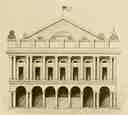
Right in front of you, you’ll spot a grand, classical building with tall columns, rounded arches, and a triangular roof crowned by an American flag-just gaze above the arches and you'll know you've arrived at the legendary Théâtre d'Orléans! Imagine standing on Orleans Street in the 1820s. The air is thick with anticipation, a few horses clop past, and elegant carriages pull up to this sparkling theater, the most important opera house in all of New Orleans. Brightly lit windows cast golden light over crowds in feathers and finery. Inside, a French melody might drift out as voices rehearse for that evening’s American premiere-because this place wasn’t just a theater, it was the launchpad for groundbreaking French opera in all of America. This story begins with Louis Tabary, a refugee from Haiti, who crafted the initial plans for the theater. Construction kicked off in 1806, but history had other ideas. The War of 1812 delayed its debut, so you’d have had to wait until 1815 to catch your first dazzling performance. But trust New Orleans to keep things spicy-a fire soon tore through the original building. The city’s answer? Rebuild, of course, this time with a fancy bonus: the Orleans Ballroom next door! Enter John Davis, another refugee from Saint-Domingue, who took the lead in 1819 and ushered in a golden era. Picture him at opening night, the orchestra warming up and the chandeliers glowing. Over five seasons, Davis’s crew rolled out 140 operas and premiered 52 right here for the first time in America! The stars of Paris would have rolled their eyes at the New Orleans heat, forcing the stage to go dark each summer. But Davis was crafty-he packed up the troupe and took the whole show on the road each year, bringing opera all the way to Boston, New York, and Philadelphia. Oh, but the theater business is never dull. The rival Camp Street Theatre tried to steal the spotlight, putting on English-language shows right down the street. Once, both theaters staged the same opera-Meyerbeer's Robert le diable. The English version opened sooner, but folks said the French show at Théâtre d'Orléans had the real heart and style. It was a theatrical rivalry hotter than a summer in the Big Easy. After John Davis, his son Pierre took over, adding more opera stars to the mix. The legendary soprano Julie Calvé joined, dazzling audiences in roles no one in America had heard before, like Henriette in L'éclair or Lucie in Lucie de Lammermoor. The walls here have seen creativity, drama, romance, jealousy, and even a bit of baby drama-a soprano once sang a starring role, then gave birth to a daughter the very next day. That daughter later graced this same stage-opera was truly a full-family affair. The party didn’t stop there. The opulent Orleans Ballroom hosted glittering balls and wild masquerades. Sometimes they’d throw a party so big, they built a floor over the orchestra pit, turning theater and ballroom into one massive dance floor. Even the Marquis de Lafayette, hero of the American Revolution, cut a rug here. But not all the drama happened on stage-duels broke out during glitzy quadroon balls, where forbidden romances sparked fierce rivalries. Eventually, new theaters rose, fires came and went, but the legend of the Théâtre d'Orléans stuck around. Even after the great fire of 1866, the Orleans Ballroom survived, becoming a home for the Sisters of the Holy Family-the first Black female religious order in the US. Today, you might find a wedding or party echoing those long-ago waltzes. So standing here, picture the elegance, the music, the drama-all the grandeur and quirks that made New Orleans the operatic heart of America. And if you hear someone humming an old French tune, well, maybe an opera ghost just can’t resist an encore!
Abrir página dedicada →

Preguntas frecuentes
¿Cómo empiezo el tour?
Después de la compra, descarga la app AudaTours e ingresa tu código de canje. El tour estará listo para comenzar de inmediato - solo toca play y sigue la ruta guiada por GPS.
¿Necesito internet durante el tour?
¡No! Descarga el tour antes de empezar y disfrútalo completamente sin conexión. Solo la función de chat requiere internet. Recomendamos descargar en WiFi para ahorrar datos móviles.
¿Es un tour guiado en grupo?
No - esta es una audioguía autoguiada. Exploras de forma independiente a tu propio ritmo, con narración de audio reproduciéndose en tu teléfono. Sin guía, sin grupo, sin horario.
¿Cuánto dura el tour?
La mayoría de los tours toman 60–90 minutos para completar, pero tú controlas el ritmo completamente. Pausa, salta paradas o toma descansos cuando quieras.
¿Qué pasa si no puedo terminar el tour hoy?
¡No hay problema! Los tours tienen acceso de por vida. Pausa y continúa cuando quieras - mañana, la próxima semana o el próximo año. Tu progreso se guarda.
¿Qué idiomas están disponibles?
Todos los tours están disponibles en más de 50 idiomas. Selecciona tu idioma preferido al canjear tu código. Nota: el idioma no se puede cambiar después de generar el tour.
¿Dónde accedo al tour después de comprarlo?
Descarga la app gratuita AudaTours desde App Store o Google Play. Ingresa tu código de canje (enviado por email) y el tour aparecerá en tu biblioteca, listo para descargar y comenzar.
Si no disfrutas el tour, te reembolsamos tu compra. Contáctanos en [email protected]
Paga de forma segura con 


