
Tour de audio de Jonesboro: Ecos de empresa y época
Una escaramuza de la Guerra Civil resonó una vez a pocas cuadras de donde los pasillos del hospital ahora brillan con luces de medianoche. Debajo de las calles familiares de Jonesboro yace una ciudad de susurros anhelando ser descubierta. Este tour de audio autoguiado te lleva a través de grandes juzgados y aserraderos históricos, invitándote a descubrir tragedias y triunfos de los que la mayoría de los visitantes nunca se enteran. ¿Quién protagonizó un furioso enfrentamiento en las escaleras del juzgado, sacudiendo la política local para siempre? ¿Qué escalofriante secreto se rumorea que persigue las salas del Centro Médico St. Bernards? ¿Por qué una sola elección en C.A. Stuck and Sons Lumber inclinó el destino de toda una industria? Pasea entre elegantes fachadas y avenidas sombreadas mientras el verdadero espíritu de Jonesboro resurge con cada giro. Siente el pulso de la rebelión, maravíllate con las personalidades épicas y sé testigo de cómo las luchas y los sueños elevados de la ciudad cobran vida. Corre el velo. Comienza el viaje y ve Jonesboro como nunca antes lo habías hecho.
Vista previa del tour
Sobre este tour
- scheduleDuración 40–60 minsVe a tu propio ritmo
- straighten4.3 km de ruta a pieSigue el camino guiado
- location_onUbicaciónJonesboro, Estados Unidos
- wifi_offFunciona sin conexiónDescarga una vez, úsalo en cualquier lugar
- all_inclusiveAcceso de por vidaReprodúcelo en cualquier momento, para siempre
- location_onComienza en Compañía de Hielo Home
Paradas en este tour
Look ahead for a bright, elegant two-story brick building on the corner, with striped awnings over the windows and classic trim along the top-it's right at the intersection in…Leer másMostrar menos
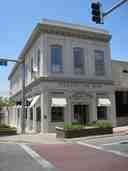
Look ahead for a bright, elegant two-story brick building on the corner, with striped awnings over the windows and classic trim along the top-it's right at the intersection in front of you. Welcome to the Mercantile Bank Building! Imagine the year is 1890: horse hooves clatter down a dusty Main Street, and this newly built bank is the heartbeat of Jonesboro’s bustling afternoons. People are stepping in-coins jingling in their pockets, maybe hoping the teller won’t count their mistakes. In just four short years, the county bank gives way to new tenants: a clothing store fills the rooms with the scent of fresh fabric and the low murmur of shoppers. By 1901, bank-lovers rejoice-here comes the Jonesboro Savings & Trust, future home of pennies and secrets! Then, the swinging doors slam shut during the Great Depression, echoing through an empty lobby. But don’t worry-after some good but frantic fundraising, Mercantile Bank breathes life back into these halls in 1932. From bankers to community dreamers, the building has seen it all, and in 2005 it made it onto the National Register of Historic Places. Now, as you stand beside it, you’re part of a story that’s been nearly 135 years in the making!
Abrir página dedicada →
Mostrar 9 paradas másMostrar menos paradasexpand_moreexpand_less
To spot the Craighead County Courthouse, simply look ahead for a bold red-brick building with limestone trim, dramatic Art Deco angles, and a statue framed by a shiny arch out…Leer másMostrar menos
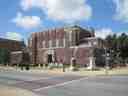
To spot the Craighead County Courthouse, simply look ahead for a bold red-brick building with limestone trim, dramatic Art Deco angles, and a statue framed by a shiny arch out front on the corner of Main Street. Now, as you stand beneath that sky of Arkansas blue and face those towering bricks, let me take you back to 1934. Picture workers bustling and bricks being stacked, piecing together what would become the most dazzling Art Deco structure in Jonesboro. This two-story courthouse towers with a classic stepped look, its limestone trim fluting up the sides like frozen waterfalls. The grand entrance sits tucked in a recess, watched over by panels dressed up in those same elegant flutes. Believe it or not, this is courthouse number five for Craighead County-turns out, they don’t make them like they used to (or maybe they just needed more space for paperwork). Out front, look for the statue of a doughboy, charging “over the top.” Folks have sometimes mistaken this World War I memorial for someone else’s design-hey, even statues can have an identity crisis! In 1998, the courthouse made it onto the National Register of Historic Places, earning bragging rights that remain to this day. Across decades, these walls have seen tears, laughter, protests, and handshakes, the heartbeat of Jonesboro’s wild stories, all sheltering under this proud Art Deco crown.
Abrir página dedicada →Look straight ahead for a three-story brick and limestone building with a raised basement of deep red brick and upper floors framed by light stucco and bold brick trim, standing…Leer másMostrar menos
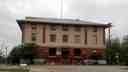
Look straight ahead for a three-story brick and limestone building with a raised basement of deep red brick and upper floors framed by light stucco and bold brick trim, standing proudly on the corner with a steep set of steps and a big awning marking the door. Now, just imagine the year is 1913: Model T's are puttering by, and you’re clutching a stack of letters, heading up these steps-maybe worried about a court date or just hoping your package isn't lost in the mail. This building, crafted by the talented James Knox Taylor, was the town’s one-stop shop for justice and postage, proudly rising like a sturdy cake layered with brick and limestone instead of frosting! It served as both a post office and a courthouse, its upstairs courtrooms giving judges that special “piano nobile” flair-basically, they had the fanciest floor in the house. Though it’s missing those big rounded arches you’ll spot on classic Renaissance buildings, the layout suggests grandeur all the same. From 1913 until 1977, the whiff of legal drama and the shuffle of mail filled the hallways, until eventually, the building dusted off its old federal hat and tried on more commercial jobs. It finally got its well-earned star on the National Register of Historic Places in 2019, and still stands, waiting to surprise visitors who might just expect another boring old post office-surprise, it’s a national treasure!
Abrir página dedicada →Right ahead, you’ll spot a large modern facility with sleek glass windows and red brick, stretching several stories high-the main entrance has a sweeping white canopy and a busy…Leer másMostrar menos
Right ahead, you’ll spot a large modern facility with sleek glass windows and red brick, stretching several stories high-the main entrance has a sweeping white canopy and a busy circle drive, so just look for the big, bustling building surrounded by cars and hedges! Imagine standing here in Jonesboro at the dawn of the 1900s. The air is thick and sticky, buzzing with summer heat, but what really filled the air was worry-a malaria epidemic was sweeping through northeastern Arkansas. There were no giant glass buildings then, only a small, creaky, two-story house turned hospital by some truly brave women: the Olivetan Benedictine Sisters. These sisters, more used to teaching rambunctious children, rolled up their sleeves and set up their makeshift hospital, using orange crates for wash stands. Their first patients arrived on July 5, 1900, and within a week, nearly all beds were claimed by feverish, shivering folks. The sisters made every meal in their convent kitchen, tended flower and vegetable gardens for food, and kept things spotless with homemade soap and a lot of elbow grease. Laundry day at St. Bernards was a symphony of tin washboards, tubs sloshing, and laughter echoing through the halls. When they needed money, these clever sisters hopped on trains to nearby logging camps, selling “Hospital Tickets” for nine bucks-your all-access pass to treatment for a whole year! The business plan was simple: heal bodies, and occasionally, charm some loggers into buying tickets. By 1905, St. Bernards had expanded into a brick hospital with 40 beds and a chapel, connecting past, present, and faith. Through dramatic Arkansas floods and howling tornadoes in the 1900s, the hospital stood strong, becoming a beacon for all in need-whether they needed a warm meal, a quiet spot to recover, or a patch-up after a wild storm. The sisters’ hospital kept growing, in size and spirit, earning its reputation as a regional giant for heart care, cancer treatment, women’s and children’s services, and senior care. Fast forward to now: you’re looking at a remarkable 457-bed center equipped with everything from a sprawling NICU-no more shipping newborns off to Little Rock!-to state-of-the-art surgical suites, cancer and heart care. Imagine: a $103 million tower rising above the modern landscape, with sunlight dancing along its windows. Jonesboro and its neighbors owe a lot to the kindness, grit, and humor of those early sisters-proof that from humble beginnings, mighty miracles can grow.
Abrir página dedicada →Just ahead on the corner, look for a two-story red brick building with arched windows and a rounded tower section hugging the intersection. Alright, let’s time travel! The Edward…Leer másMostrar menos
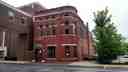
Just ahead on the corner, look for a two-story red brick building with arched windows and a rounded tower section hugging the intersection. Alright, let’s time travel! The Edward L. Westbrooke Building might seem quiet now, but picture this corner in 1899: carts rattle down the street, and townsfolk bustle past those tall, arched windows. This isn’t just any downtown building-it’s a masterpiece of Romanesque style, with dramatic arches and a tower that looks ready for secrets. Step closer and imagine the scents of polished wood and ink drifting out from the professional offices on the first floor, where doctors, lawyers, and maybe a gossip or two took their spots. But here’s where it gets mysterious: upstairs, the local Masonic lodge held their shadowy meetings-imagine the whispered oaths and the clink of ceremonial swords echoing through the evening! The building has seen it all: ambition, mystery, and a whole lot of Jonesboro history. By 2003, it was honored with a spot on the National Register of Historic Places, so let’s tip our hats to the folks who once hurried in and out of these doors-no secret handshakes required.
Abrir página dedicada →To spot the Bell House, look for a tall, two-story Victorian home painted in cheerful yellow with eye-catching red and pink trim, featuring a fancy porch supported by turned…Leer másMostrar menos
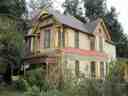
To spot the Bell House, look for a tall, two-story Victorian home painted in cheerful yellow with eye-catching red and pink trim, featuring a fancy porch supported by turned columns and nestled just behind some leafy trees here on West Cherry Street. Now, as you stand in front of the Bell House, step back in time to 1895, when Jonesboro was buzzing with new ideas and even newer buildings. This amazing house was built by J. V. Bell-the proud owner of one of Jonesboro’s very first bookstores. Imagine the sound of a horse and buggy clip-clopping by while Bell, perhaps with ink-stained fingers from his books, stood on this elegant porch admiring his fancy new home. The house is a showpiece of Queen Anne architecture, with bays, gables, and porches that look like they came straight off a storybook page. The delicate frieze work is almost lace-like, and the walls are decorated with all sorts of shingles-take a moment to spot all the patterns, it’s like a designer got a bit too excited! Listed on the National Register of Historic Places, this isn’t just a house-it’s a slice of Jonesboro history, filled with stories of books, laughter, and maybe the odd creaky floorboard. If you listen closely, you might just hear the faint sound of a page turning in the wind.
Abrir página dedicada →Look for a wide, buff brick building with a low gable roof and a striking white Art Deco entrance, right in the center and framed by trees and parked cars. Step closer and let’s…Leer másMostrar menos
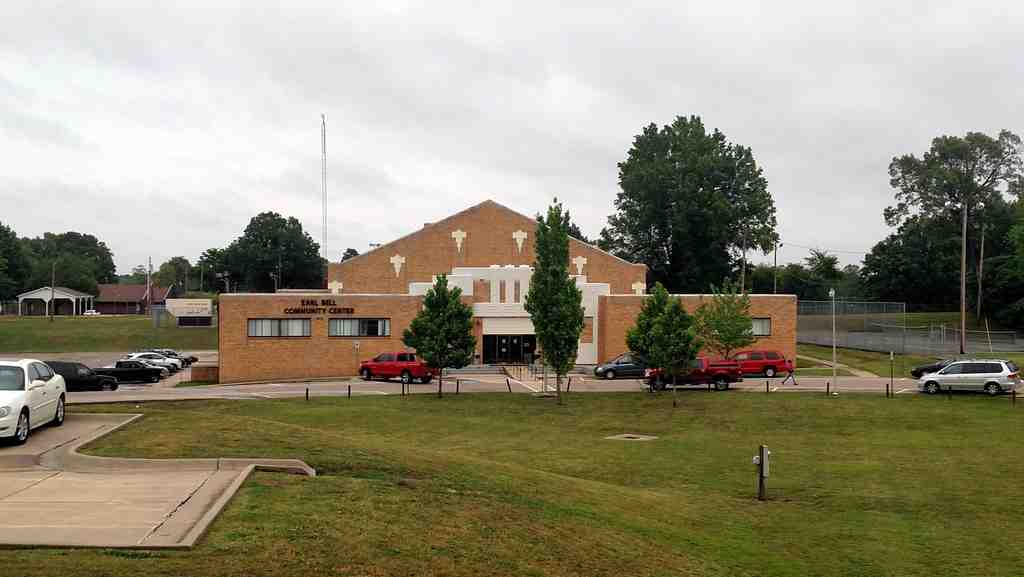
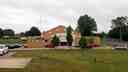
Look for a wide, buff brick building with a low gable roof and a striking white Art Deco entrance, right in the center and framed by trees and parked cars. Step closer and let’s travel back to 1936, when Community Center No. 1 first opened its doors in Jonesboro-a time when swing music filled the air and folks were digging out of the Great Depression. Imagine workers hauling smooth white concrete and buff bricks, all thanks to the Public Works Administration: you can almost hear the clang of hammers and the shuffle of busy boots on fresh pavement. The main entrance, decorated with crisp Art Deco towers and swirling shapes, must’ve sparkled with possibility, promising warmth and togetherness. Inside, families from all over town came here to play, gather, and build a sense of community, while the flat-roofed wings buzzed with laughter and games. Over the years, this simple center got quite the glow-up, finally being named after Earl Bell, the Olympic pole vaulter who once called Jonesboro home-try to picture him vaulting dreams as high as his Olympic bar! Today, standing in front of this building that’s lasted through name changes and changing times, you’re witnessing a true survivor, listed proudly on the National Register of Historic Places. Not bad for a little community hangout, right?
Abrir página dedicada →Take a look just ahead and you’ll spot a large, two-story brick house painted white, with a rounded turret on one end and a lovely patch of red flowers out front. Standing here,…Leer másMostrar menos
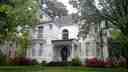
Take a look just ahead and you’ll spot a large, two-story brick house painted white, with a rounded turret on one end and a lovely patch of red flowers out front. Standing here, you’re about to meet one of Jonesboro’s oldest architectural celebrities, the Berger House, which has been watching over Main Street since 1896. Imagine the clatter of wagon wheels and the hum of early electric lights when Morris Berger, one of Jonesboro’s first Jewish businessmen, decided to build this grand home. If its walls seem a bit proud, it’s probably because the place once doubled as the town’s public library for over a decade-meaning it’s seen more overdue books than a high school backpack. Picture fancy parties of the late 1800s swirling through the high-ceilinged rooms, then fast-forward to the 1950s, when children tiptoed through the same hallways in search of adventure stories and fairy tales. The house might have lost some of its original frills, like its decorative porch and chimney details, but its two-story turret still rises like a magician’s hat topped with colorful slate tiles. Now listed on the National Register of Historic Places, the Berger House is a living reminder of Jonesboro’s changing story, waiting patiently for each new chapter.
Abrir página dedicada →

Preguntas frecuentes
¿Cómo empiezo el tour?
Después de la compra, descarga la app AudaTours e ingresa tu código de canje. El tour estará listo para comenzar de inmediato - solo toca play y sigue la ruta guiada por GPS.
¿Necesito internet durante el tour?
¡No! Descarga el tour antes de empezar y disfrútalo completamente sin conexión. Solo la función de chat requiere internet. Recomendamos descargar en WiFi para ahorrar datos móviles.
¿Es un tour guiado en grupo?
No - esta es una audioguía autoguiada. Exploras de forma independiente a tu propio ritmo, con narración de audio reproduciéndose en tu teléfono. Sin guía, sin grupo, sin horario.
¿Cuánto dura el tour?
La mayoría de los tours toman 60–90 minutos para completar, pero tú controlas el ritmo completamente. Pausa, salta paradas o toma descansos cuando quieras.
¿Qué pasa si no puedo terminar el tour hoy?
¡No hay problema! Los tours tienen acceso de por vida. Pausa y continúa cuando quieras - mañana, la próxima semana o el próximo año. Tu progreso se guarda.
¿Qué idiomas están disponibles?
Todos los tours están disponibles en más de 50 idiomas. Selecciona tu idioma preferido al canjear tu código. Nota: el idioma no se puede cambiar después de generar el tour.
¿Dónde accedo al tour después de comprarlo?
Descarga la app gratuita AudaTours desde App Store o Google Play. Ingresa tu código de canje (enviado por email) y el tour aparecerá en tu biblioteca, listo para descargar y comenzar.
Si no disfrutas el tour, te reembolsamos tu compra. Contáctanos en [email protected]
Paga de forma segura con 


