
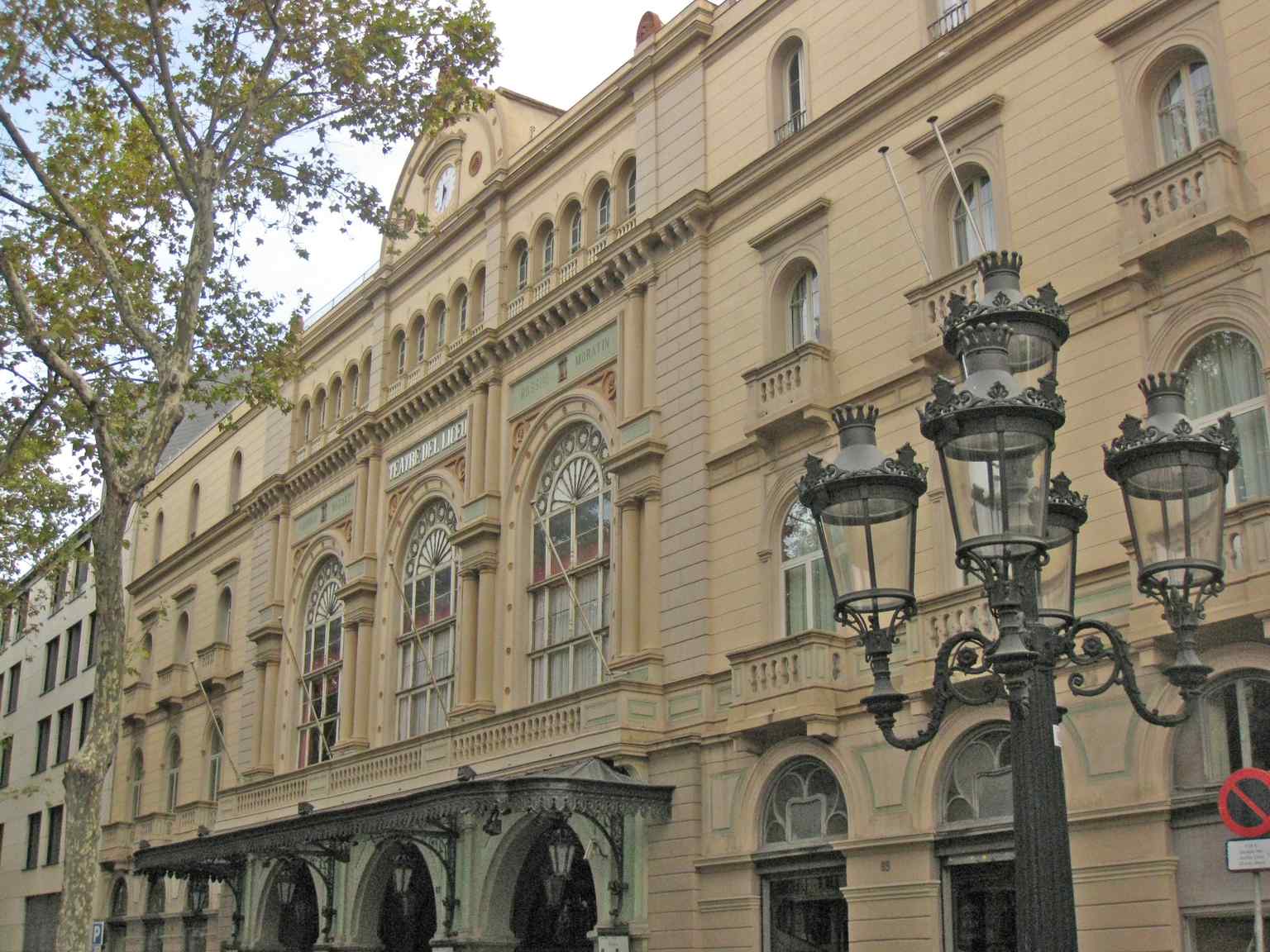
A diferencia de otros teatros de ópera europeos construidos por reyes y reinas, el Liceu fue financiado íntegramente por estos accionistas privados. De hecho, si entrara en su auditorio, notaría algo muy inusual para un teatro del siglo XIX. No hay palco real. La monarquía no pagó por ello, así que no obtuvo un asiento especial.
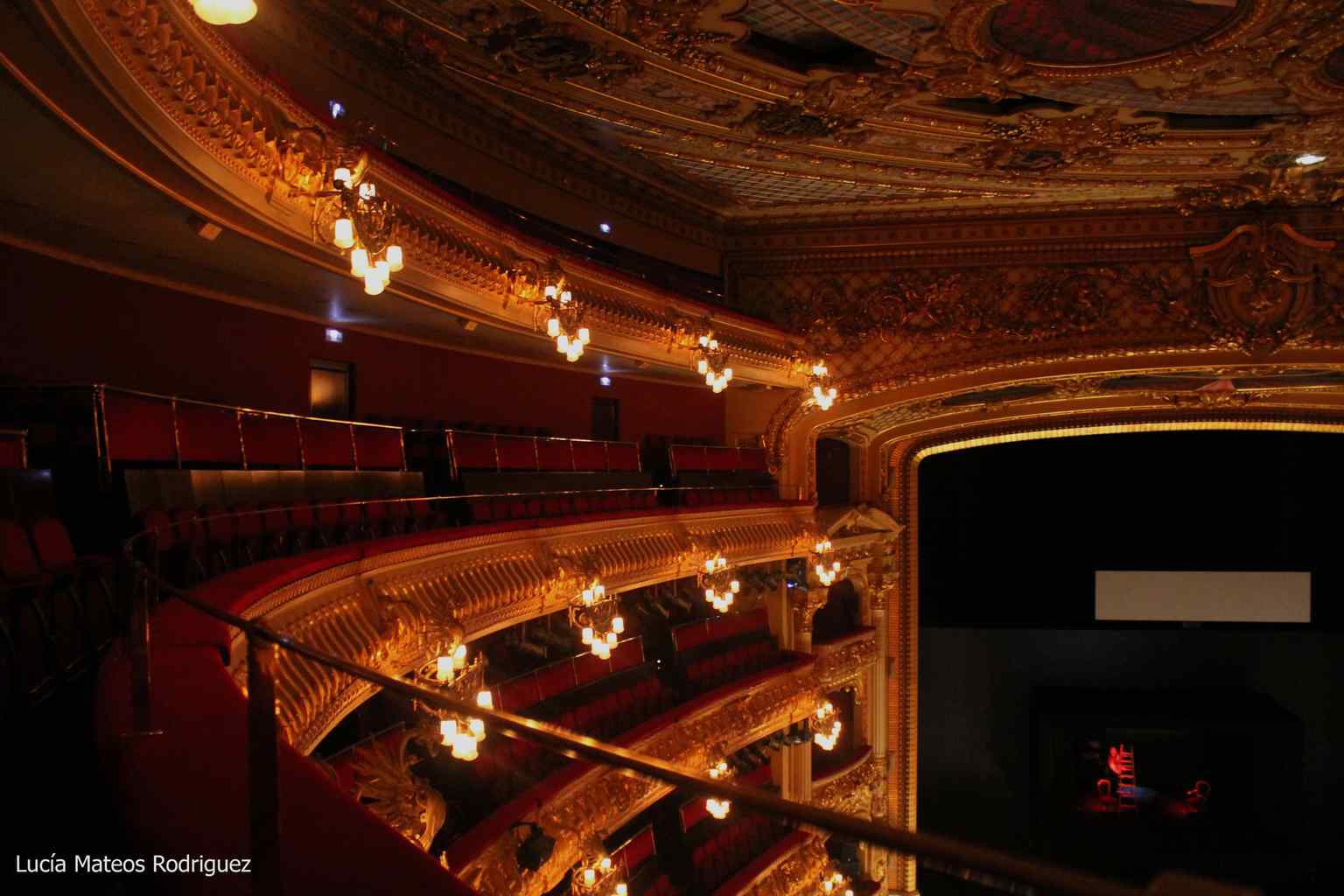
Sin embargo, no fueron solo los incendios los que pusieron a prueba este edificio. La asombrosa riqueza que se exhibía en su interior engendró un profundo resentimiento entre la clase obrera. En la noche de estreno de 1893, un anarquista llamado Santiago Salvador lanzó dos bombas Orsini -pequeños explosivos esféricos de mano- desde el balcón del quinto piso hacia la multitud vestida de diamantes que se encontraba debajo. Una explotó, matando a unas veinte personas y llenando el teatro de humo y gritos. Durante años, los asientos de las víctimas se dejaron notablemente vacíos como un escalofriante memorial de las profundas divisiones sociales de la ciudad.
Esta tensión entre la riqueza inimaginable y el malestar radical es el preludio perfecto para nuestra próxima parada. Nos adentraremos en las calles estrechas, a solo dos minutos a pie, para encontrar el Palau Güell, una mansión construida para uno de esos industriales extremadamente ricos. Por cierto, si desea echar un vistazo al interior del Liceu más tarde, suelen abrir de lunes a viernes de diez a siete, los sábados hasta las dos y cierran los domingos. Ahora, vayamos a descubrir algunos de los secretos más oscuros de la fortuna Güell.

But building this monument to wealth came with a heavy price. The theater was constructed in 1847 on the former site of a Trinitarian convent. According to local legend, the displaced nuns cursed the grounds, dooming the opera house to burn. Whether you believe in curses or not, the Liceu has certainly had a habit of going up in flames. It burned down in 1861, and then again in 1994. During that second fire, sparked by a workman's blowtorch, famous Catalan soprano Montserrat Caballé stood right here on La Rambla, weeping as huge balls of fire blasted into the sky. Yet, every time it turns to ash, the city stubbornly breathes life back into it, turning tragedy into a chance to reinvent itself.

It was not just fires that tested this building, though. The staggering wealth on display inside bred deep resentment among the working class. On opening night in 1893, an anarchist named Santiago Salvador dropped two Orsini bombs, which are small, spherical, hand-thrown explosives, from the fifth-floor balcony into the diamond-clad crowd below. One exploded, killing about twenty people and filling the theater with smoke and screams. For years afterward, the seats of the victims were left conspicuously empty as a chilling memorial to the city's deep social divides.
This tension between unimaginable wealth and radical unrest is the perfect primer for our next stop. We are going to head into the narrow streets just a two-minute walk away to find Palau Güell, a mansion built for one of those extremely wealthy industrialists. By the way, if you want to peek inside the Liceu later, they are usually open Monday through Friday from ten to seven, Saturdays until two, and closed on Sundays. Now, let us go uncover some darker secrets of the Güell fortune.






