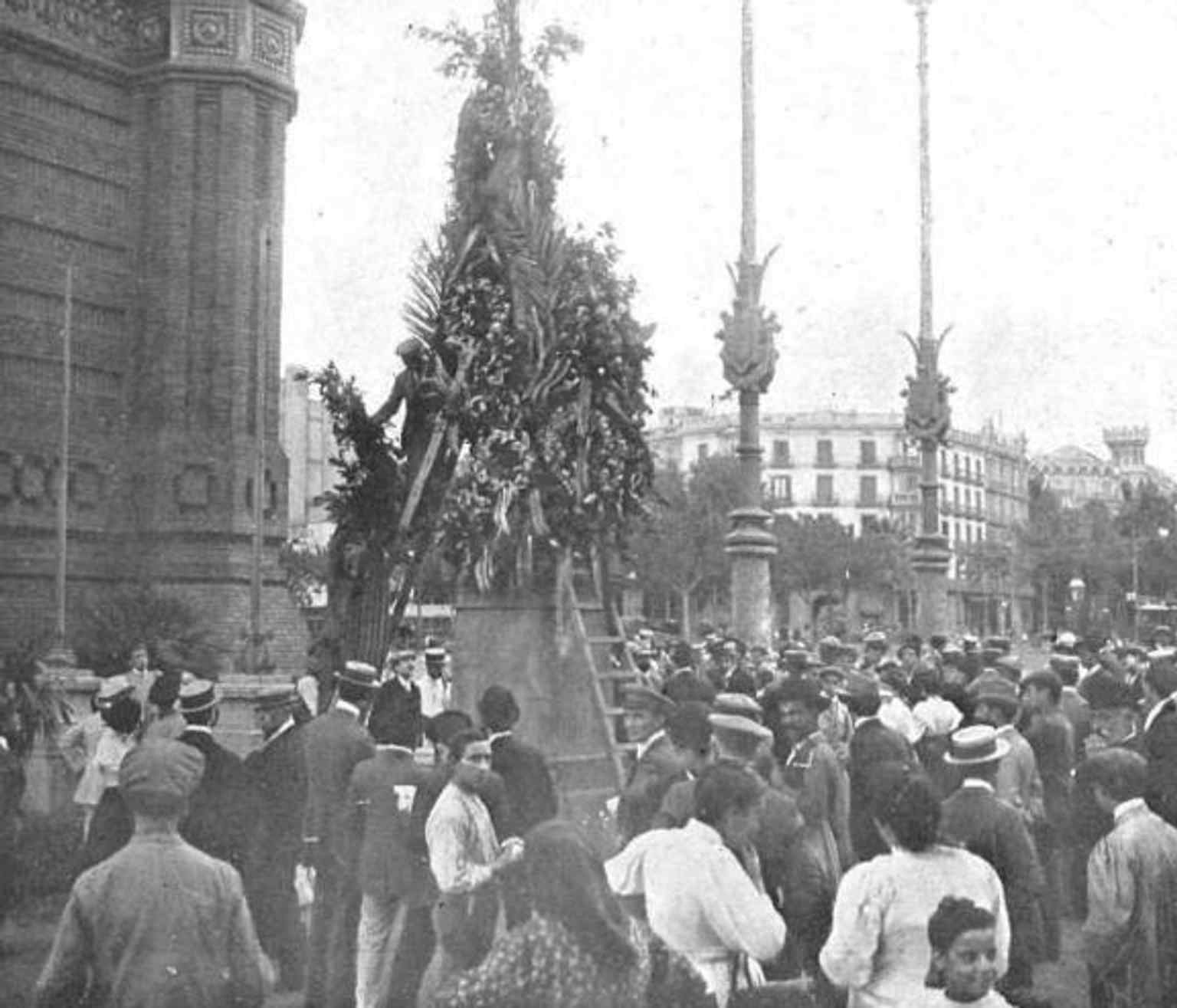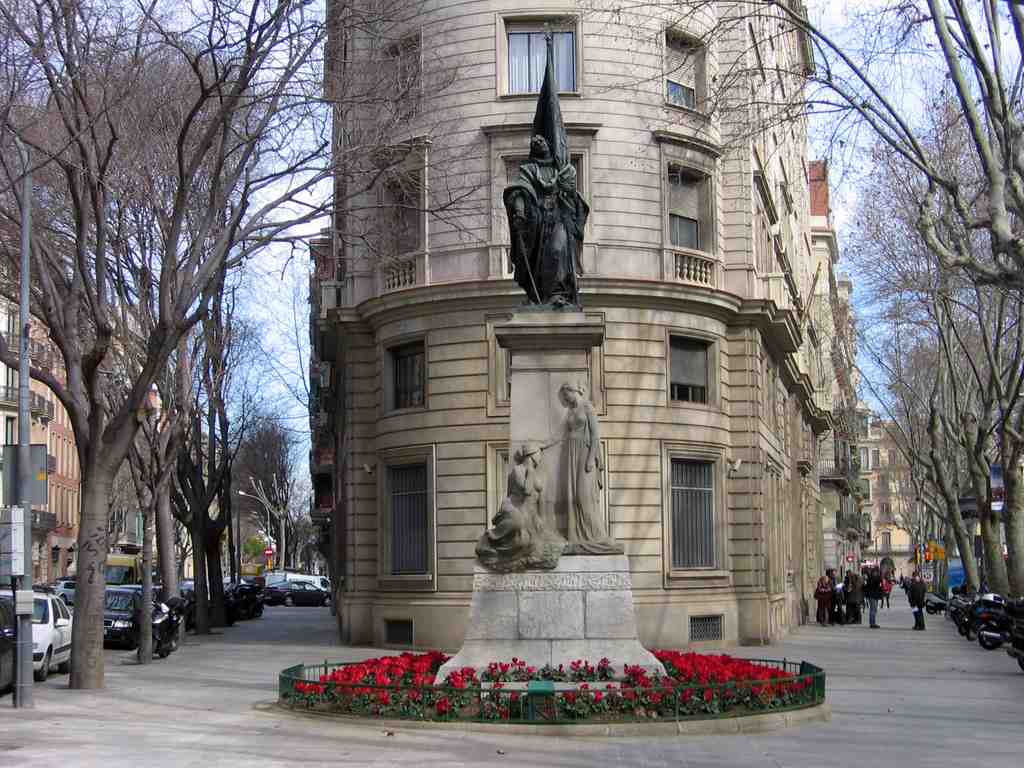
En realidad, Casanova sobrevivió. Fue llevado en secreto a un hospital, se disfrazó de fraile y vivió sus días bajo un nombre falso hasta que fue indultado discretamente años después. Pero el recuerdo de su resistencia se convirtió en un poderoso fantasma que las autoridades posteriores intentaron borrar desesperadamente. En 1939, el nuevo régimen autoritario ordenó que esta estatua fuera fundida para convertirla en bronce bruto y así hacer borrón y cuenta nueva. Pero en un acto silencioso de rebelión, el propio alcalde de la ciudad ignoró la orden en secreto. Hizo desmontar cuidadosamente la figura de bronce y esconderla en un polvoriento almacén de la calle Wellington. Durante casi cuarenta años, este héroe caído permaneció en la oscuridad, una reliquia de un pasado doloroso esperando a que pasara la marea de la historia mientras las visiones de una ciudad modernizada tomaban forma sobre él. Finalmente fue devuelto a la luz en 1977, durante la transición española a la democracia. Si desea ver cómo ha evolucionado este espacio a lo largo del siglo, consulte el control deslizante de antes y después en su pantalla. Muestra una reunión conmemorativa masiva justo aquí en 1908, en comparación con los recientes y cuidadosos esfuerzos de restauración. Es un testimonio de cómo las heridas más profundas de la historia se arrastran hacia adelante, luchando silenciosamente con el empuje hacia el mañana. Mientras le observa, piense qué haría si su ciudad estuviera rodeada y a punto de caer... ¿Mantendría su posición? Al ser un espacio público, este monumento está abierto las veinticuatro horas del día. Ahora, caminemos hacia la gran entrada de la era moderna mientras nos dirigimos al Arco de Triunfo.
Casanova actually survived. He was smuggled into a hospital, disguised himself as a friar, and lived out his days under a fake name until he was quietly pardoned years later. But the memory of his stand became a powerful phantom that later authorities tried desperately to erase.
In 1939, the new authoritarian regime ordered this statue to be melted down into raw bronze to wipe the slate clean. But in a quiet act of rebellion, the city's own mayor secretly ignored the order. He had the bronze figure carefully dismantled and hidden away in a dusty warehouse on Wellington Street.
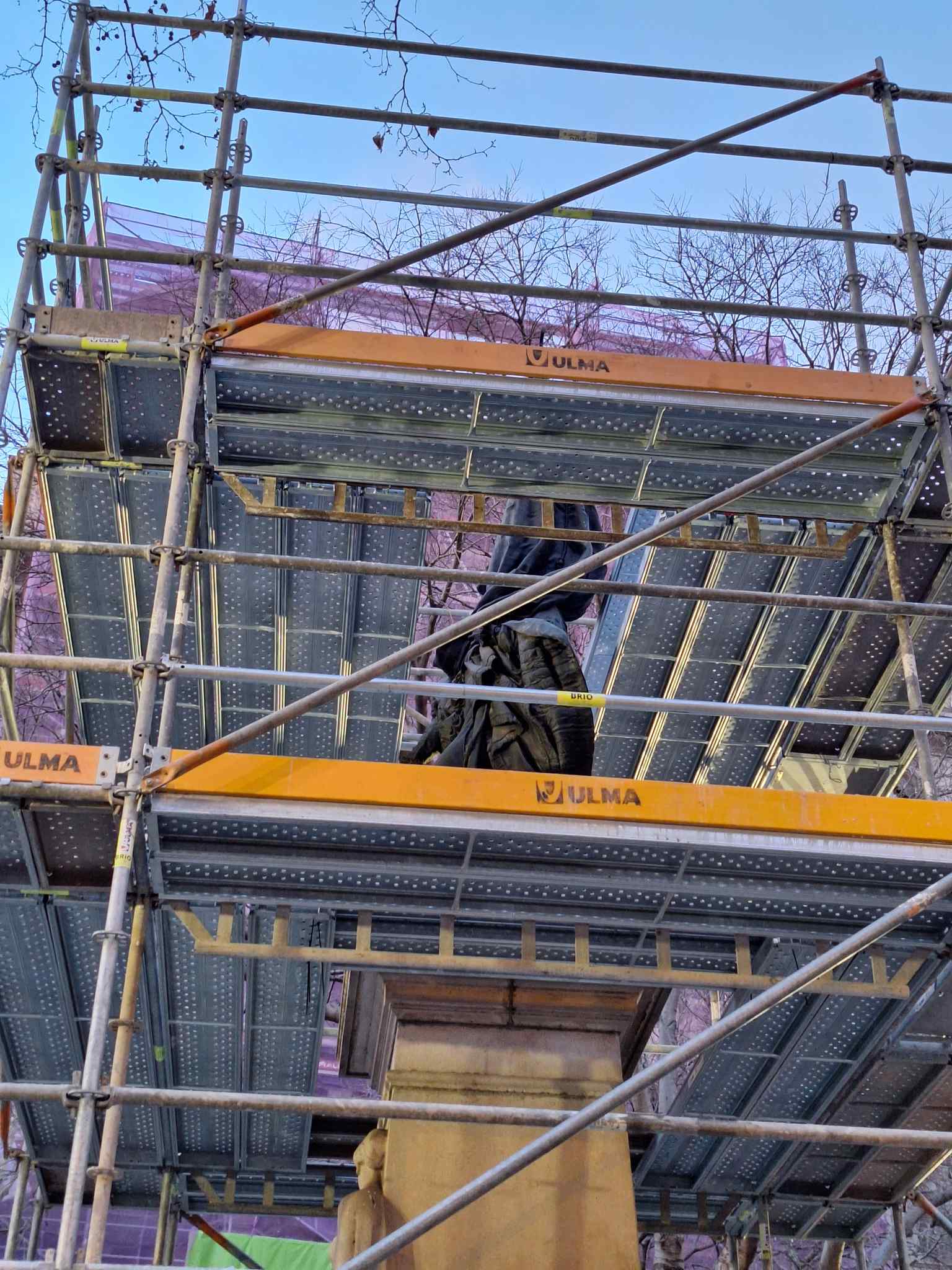
For nearly forty years, this fallen hero sat in the dark, a relic of a painful past waiting out the tide of history while visions of a modernized city took shape above him. He was finally brought back into the light in 1977 during Spain's transition to democracy. If you want to see how this space has evolved over the century, check out the before and after slider on your screen. It shows a massive memorial gathering right here in 1908, compared to recent careful restoration efforts. It is a testament to how the deepest wounds of history are carried forward, quietly wrestling with the push toward tomorrow.
As you look up at him, consider what you would do if your city was surrounded and falling... Would you stand your ground?
Since it is a public space, this monument is open twenty-four hours a day. Now, let's walk toward the grand entryway of the modern era, as we make our way to the Arc de Triomf.