
50+ idiomas

 Oldenburg · Alemania
 Oldenburg Audioguías
Descubre Oldenburg con audioguías a pie autoguiados
headphones
4 tours
pin_drop
20 monumentos
translate
Monumentos principales
El Oldenburg que todo el mundo conoce.
Los monumentos de cada guía — y los tours que te cuentan lo que las guías no dicen.
Unas palabras sobre Oldenburg
A market town that has been growing steadily since 1108.
Oldenburg was first documented in 1108, when Count Elimar I held a ford on the Hunte River and the settlement that grew around it took his name. The counts of Oldenburg became kings of Denmark, then Norway, then Sweden, then Greece, across various dynastic complications over six centuries. The town itself, meanwhile, grew into a compact capital of a small state and accumulated the civic buildings that role requires: the Schloss, now a regional museum with a particularly good art collection, and the Staatstheater on Theaterwall, operating since 1833.
The Kramermarkt, the city's annual autumn fair, dates to the seventeenth century and runs for ten days in October.
The Schlossgarten, the formal garden behind the palace, is open year-round and is used by locals with a frequency that suggests they think of it as their own garden, which in some sense it is. St Lamberti Church, its tower visible from across the low flat country that surrounds Oldenburg, is the seat of the regional Lutheran church. The surrounding landscape is dairy country: eighty percent grassland, flat, and producing milk that goes into the northern German butter and cheese supply.
Oldenburg
Oldenburg FAQ
Before you walk.
Cada tour de Oldenburg, en tu idioma.
Más de 50 idiomas, incluidos en cada reserva.
🇬🇧 English🇫🇷 Français🇪🇸 Español🇩🇪 Deutsch🇮🇹 Italiano🇯🇵 日本語🇨🇳 中文🇰🇷 한국어+ 41 más
star AudaTours Unlimited
¿Visitas más de una ciudad? Suscríbete.
Desbloquea todos los tours de Oldenburg — y miles más en todo el mundo. Cancela cuando quieras.
$4.99/semana · Cancela cuando quieras

Más en Alemania
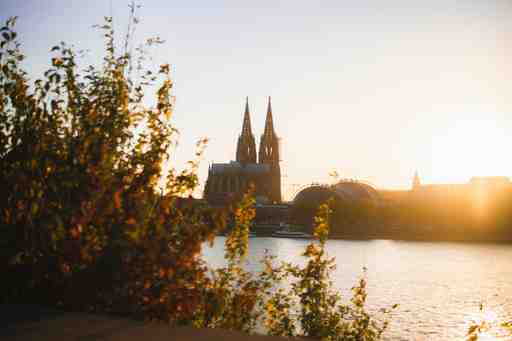
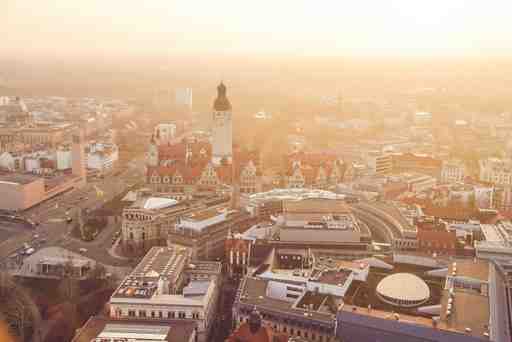
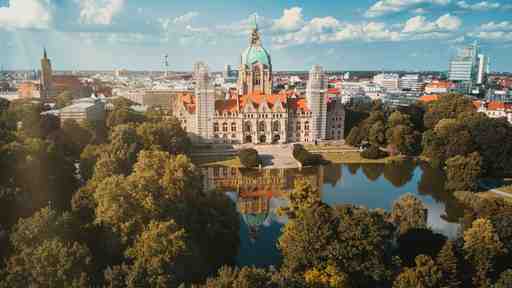
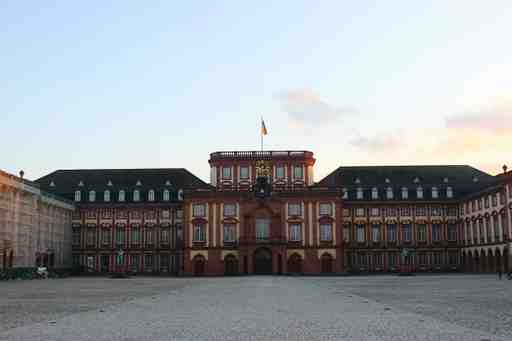
Explorar Alemania arrow_forwardOtras ciudades que recorrer en Alemania.


Amado por viajeros de todo el mundoMiles de tours comenzados.
Miles de tours comenzados.
Y muchas opiniones.
4.8 en App Store y Google Play. Estos son los comentarios a los que siempre volvemos.
starstarstarstarstar
Este tour fue una excelente manera de ver la ciudad. Las historias fueron interesantes sin parecer demasiado guionadas, y me encantó poder explorar a mi propio ritmo.

Jess
Tour de Tbilisistarstarstarstarstar
Esta fue una forma sólida de conocer Brighton sin sentirme como un turista. La narración tenía profundidad y contexto, pero no se excedía.

Christoph
Tour de Brightonstarstarstarstarstar
Empecé este tour con un croissant en una mano y cero expectativas. La app simplemente vibra contigo, sin presión, solo tú, tus auriculares y algunas historias geniales.

John
Tour de Marselladownload Descargar la app Ponte los auriculares.


Ponte los auriculares.
Sal a la calle.
Gratis para descargar. Tours en cada ciudad. Empieza en 60 segundos — sin cuenta, sin tarjeta.

headphones
~ 4 min hasta que empiece tu primer tour
public
1,000+ ciudades en todo el mundo
all_inclusive
AudaTours
Unlimited
Cada tour. Cada ciudad. Una suscripción.
3096 tours2272 ciudades138 países50+ idiomas
$39 /año
all_inclusive Explorar Ilimitado