
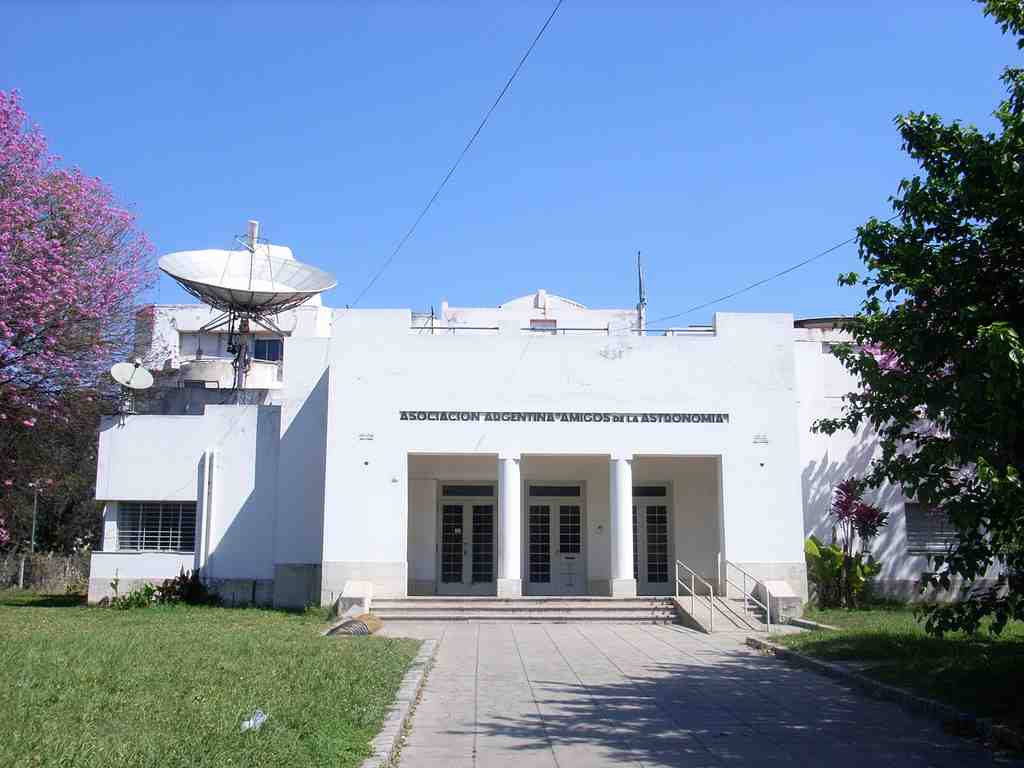
En 1944, el club se trasladó a esta sede construida especialmente para tal fin. Su posesión más preciada es el telescopio Gautier, un instrumento masivo traído a Argentina por los franceses en 1882 para una misión sumamente crítica. El objetivo era observar el tránsito de Venus, viendo la silueta del planeta cruzar la cara del sol para calcular la distancia exacta entre la Tierra y el Sol. Fue un esfuerzo internacional estresante donde un solo día nublado habría arruinado una oportunidad que no volvería a presentarse en más de un siglo. El telescopio tuvo éxito y finalmente encontró un hogar permanente justo debajo de la cúpula aquí, funcionando todavía con su mecanismo de relojería original.
Si desea mirar a través de esas lentes históricas usted mismo, el observatorio está abierto de lunes a sábado por la noche, de 19:00 a 23:00.
Al dejar atrás este templo del conocimiento popular, me pregunto: ¿Por qué cree que los músicos, cuyas vidas estaban llenas de sonidos abrumadores, se sentían tan profundamente atraídos por la silenciosa belleza visual del cielo nocturno? Tenga eso en mente mientras caminamos unos tres minutos hasta nuestra última parada, el Hospital Naval Buenos Aires, donde cambiaremos la dedicación a las estrellas por una reflexión sobre las instituciones construidas para el deber y el cuidado.
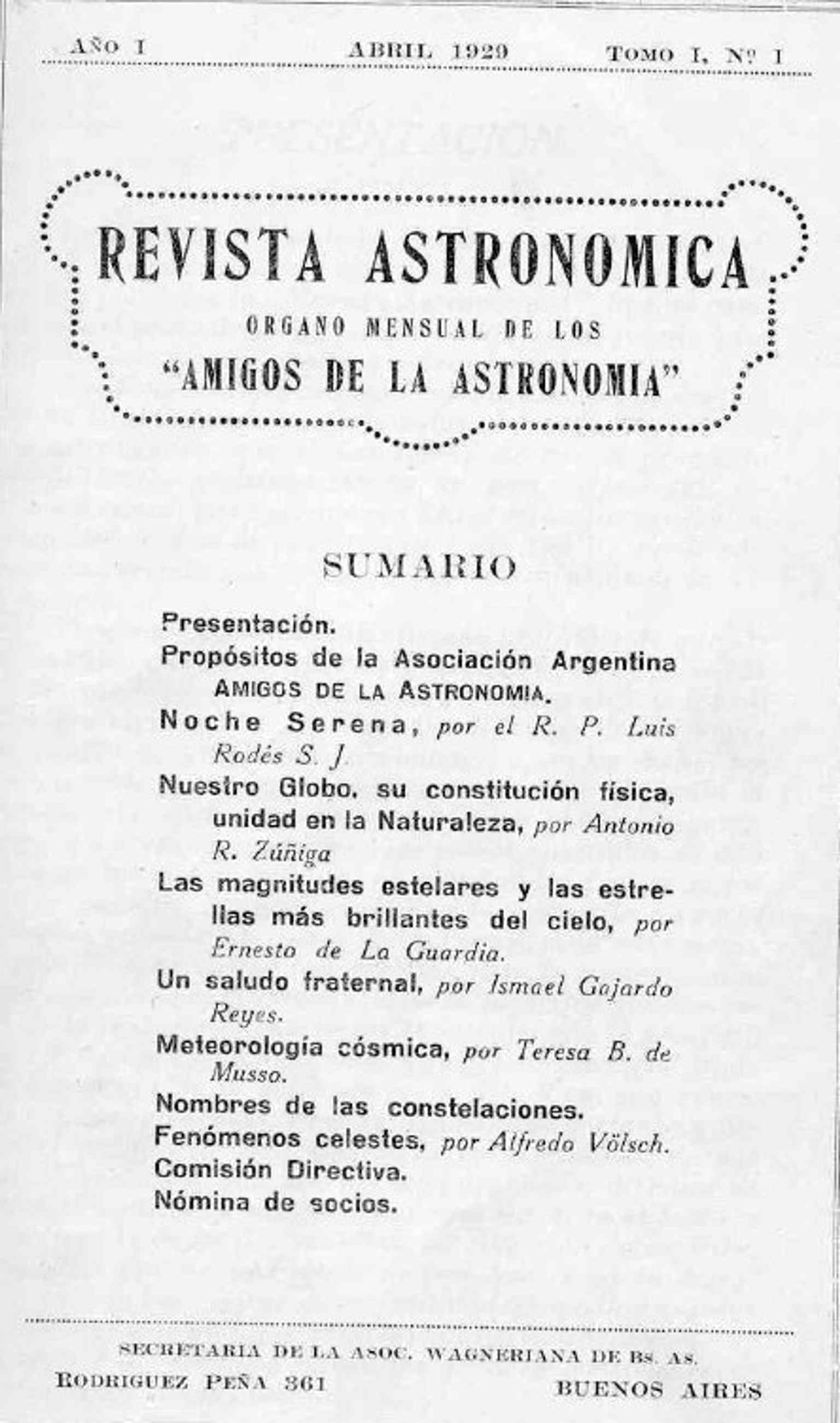
In 1944, the club moved into this purpose built headquarters. Their prized possession is the Gautier telescope, a massive instrument brought to Argentina by the French in 1882 for a highly critical mission. The goal was to observe the transit of Venus, watching the silhouette of the planet cross the face of the sun in order to calculate the exact distance between the Earth and the Sun. It was a stressful international effort where a single cloudy day would have ruined a chance that would not come again for over a century. The telescope succeeded, eventually finding a permanent home right under the dome here, still running on its original mechanical clockwork.
If you want to look through those historic lenses yourself, the observatory is open Monday through Saturday evenings from 7 to 11 PM.
As we leave this temple of grassroots knowledge behind, it leaves me wondering. Why do you think musicians, whose lives were filled with overwhelming sound, were so deeply drawn to the silent visual beauty of the night sky? Keep that in mind as we walk about three minutes to our final stop, the Hospital Naval Buenos Aires, where we will trade a dedication to the stars for a reflection on institutions built for duty and care.






.jpeg)
