
New York City Audio Tour: Widerstandsfähigkeit und Erinnerung im Finanzviertel
Ein einzelner Stahlträger ragt über die Skyline der Stadt und flüstert von zerbrochenem Glas und stillen Helden. New Yorks Finanzviertel verbirgt Jahrhunderte des Kampfes und der Widerstandsfähigkeit unter seinen glänzenden Türmen und belebten Straßen. Schließen Sie sich an für eine selbstgeführte Audiotour, die die Geheimnisse der Wall Street zum Leben erweckt. Wandern Sie dort, wo Vermögen gemacht und verloren wurden, wo die Geschichte direkt unter Ihren Füßen verläuft und darauf wartet, entdeckt zu werden. Welcher Geheimcode war nach der Tragödie auf dem Gipfel des Liberty Tower verborgen? Welches unerklärliche Artefakt liegt unter dem National September 11 Memorial & Museum und verwirrt selbst die Experten? Warum veränderte eine schattenhafte persönliche Fehde in einer kleinen Gasse in der Nähe die globale Finanzwelt für immer? Bewegen Sie sich durch Schluchten aus Glas und Stein. Erleben Sie epische Schlachten, widerhallende Proteste und mitternächtliche Geständnisse, wie sie sich dort entfalten, wo Sie stehen. Lassen Sie den Puls der Stadt unter Ihren Schritten schneller werden und ihre verborgenen Geschichten sich bei jeder Drehung offenbaren. Drücken Sie auf Play und entdecken Sie das unerzählte Herz von New York.
Tourvorschau
Über diese Tour
- scheduleDauer 30–50 minsEigenes Tempo
- straighten0.5 km FußwegDem geführten Pfad folgen
- location_onStandortNew York, Vereinigte Staaten
- wifi_offFunktioniert offlineEinmal herunterladen, überall nutzen
- all_inclusiveLebenslanger ZugriffJederzeit wiederholen, für immer
- location_onStartet bei Liberty Tower
Stopps auf dieser Tour
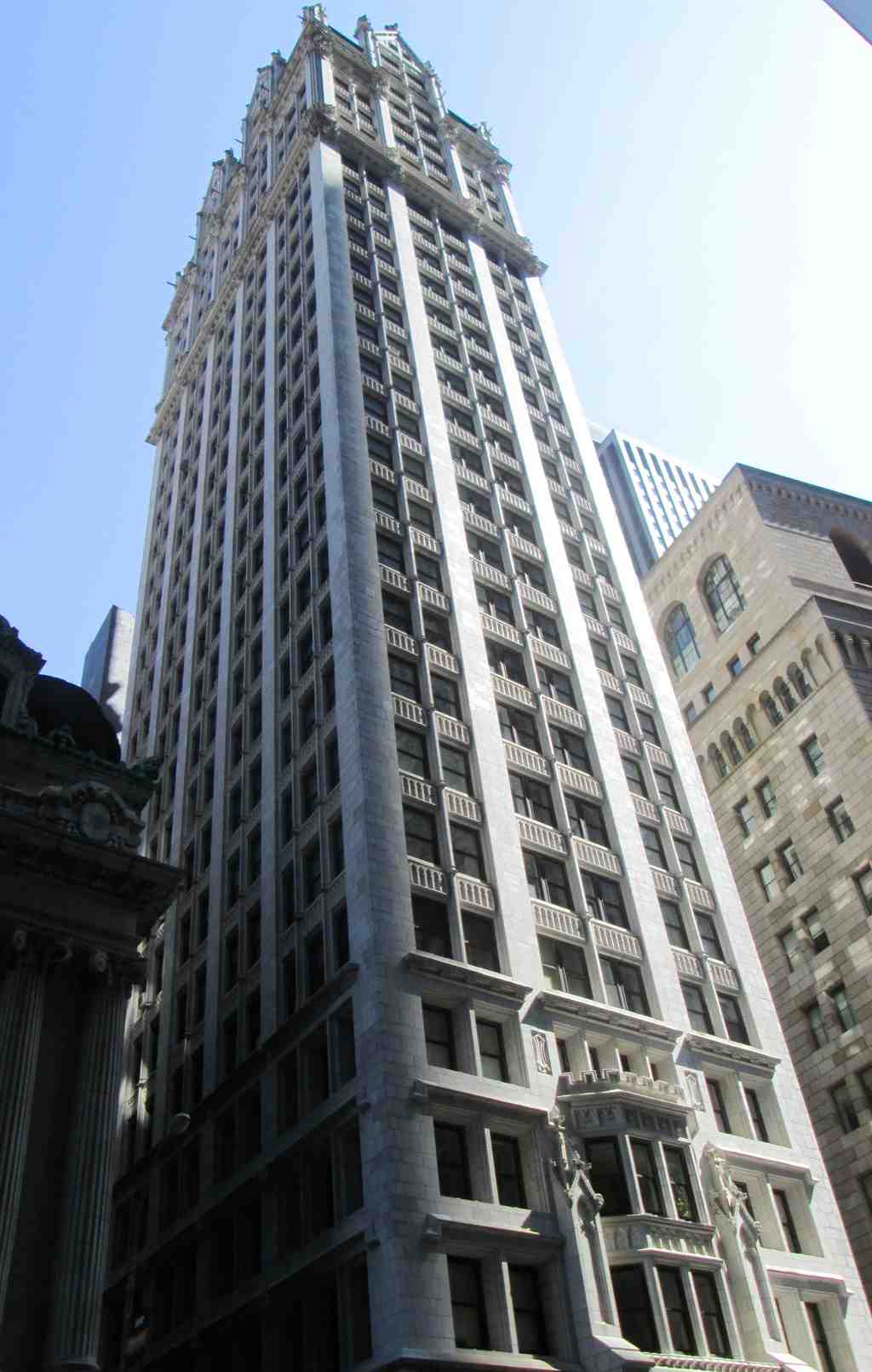
Look up and ahead for a strikingly slender, bright white tower adorned with intricate Gothic details, rising above you near the corner of Liberty Street and Nassau Street. As you…Mehr lesenWeniger anzeigen
Look up and ahead for a strikingly slender, bright white tower adorned with intricate Gothic details, rising above you near the corner of Liberty Street and Nassau Street. As you stand here, pausing in the shadows at the feet of the Liberty Tower, let your eyes trace its narrow frame all the way up-a proud column of white terracotta thrusting skyward, its pinnacles and ornate gargoyles watching the city below. Imagine the echo of hammers and the clang of steel from more than a century ago, when in 1909 the streets here bustled with horse carts, early automobiles, and restless, boot-clad workers. This building, now serene in its elegance, rose unexpectedly from a wedge-shaped site that once housed the headquarters of the New York Evening Post, known then as the Bryant Building, named for poet and journalist William Cullen Bryant. Liberty Tower was a vision spawned by a group of St. Louis investors, who hired Henry Ives Cobb, a distinguished architect, to design an office building like no other-tall, impossibly slender, and clad in a skin of creamy, white terracotta alive with birds, alligators, and mythic creatures. Imagine Cobb himself, inspired by Gothic cathedrals, determined to craft a tower filled with drama: a solid base, a soaring shaft, and turrets that crown the top. In 1910, it was said to be the world’s tallest building for such a small footprint-a feat that made seasoned New York developers gasp in surprise. The building's foundation, sunk deeper than almost any other in the city, rested on an elaborate maze of caissons plunging through quicksand to the lasting bedrock far below your feet. It was in these offices, lit by the glow of gas lamps and the hum of early electricity, that a young Franklin Delano Roosevelt began his law career, unaware that destiny was already stirring outside on Nassau Street. Tenants came and went-lawyers, surety companies, ambitious financiers-but just when the tower should have celebrated prosperity, a string of financial crises haunted its halls. Developers defaulted, loans were called in, and court cases passed through its marble entrance, while the city outside wrestled with its own growing pains. For a time, this was the Sinclair Oil Building, its new owner Harry Sinclair striking deals in boardrooms high above the rumble of the street-some deals innocent, others shrouded in the secrets that led to national scandal: the infamous Teapot Dome. The tower’s walls even became a backdrop for international intrigue, as German spies quietly rented offices here in 1917, hoping to sway the tides of war, until the mysterious Zimmermann Telegram was intercepted and exposed, tilting America toward the battlefields of World War I. Years passed. Ownership changed hands repeatedly. By the late 1970s, the once-glamorous skyscraper fell silent, nearly forgotten and two-thirds empty while the Financial District’s fortunes ebbed. Then, a new chapter: Joseph Pell Lombardi, a visionary architect, saw beauty where others saw only faded grandeur. He rescued the tower and, brick by brick, room by room, began a bold transformation-from offices to homes. In a neighborhood once ruled by commerce, Liberty Tower became one of downtown’s first residential high-rises. Its 86 co-op apartments drew artists and urban pioneers alike, the city’s pulse beating a little stronger in these historic walls. Still, hardship lingered. When the World Trade Center collapsed just blocks away on September 11, 2001, the Liberty Tower suffered wounds: shattered terracotta, leaking water, and silent, hidden steel rusting beneath its skin. Residents banded together once more, investing millions to restore its sparkle and keep its old magic alive. Now look up again, and consider this: the Liberty Tower is not just a building, it is the sum of a thousand stories-each one whispered in the rush of the wind high above Liberty Street, each one a testament to the resilience of this extraordinary city. Fascinated by the site, architecture or the critical reception? Let's chat about it
Eigene Seite öffnen →
Häufig gestellte Fragen
Wie starte ich die Tour?
Laden Sie nach dem Kauf die AudaTours-App herunter und geben Sie Ihren Einlösecode ein. Die Tour ist sofort startbereit – tippen Sie einfach auf „Play“ und folgen Sie der GPS-geführten Route.
Benötige ich während der Tour Internet?
Nein! Laden Sie die Tour vor dem Start herunter und genießen Sie sie vollständig offline. Nur die Chat-Funktion benötigt Internet. Wir empfehlen den Download über WLAN, um mobiles Datenvolumen zu sparen.
Handelt es sich um eine geführte Gruppentour?
Nein – dies ist ein selbstgeführter Audioguide. Sie erkunden unabhängig in Ihrem eigenen Tempo, wobei die Audioerzählung über Ihr Telefon abgespielt wird. Kein Reiseleiter, keine Gruppe, kein Zeitplan.
Wie lange dauert die Tour?
Die meisten Touren dauern 60–90 Minuten, aber Sie kontrollieren das Tempo vollständig. Pausieren Sie, überspringen Sie Stopps oder machen Sie Pausen, wann immer Sie wollen.
Was, wenn ich die Tour heute nicht beenden kann?
Kein Problem! Touren haben lebenslangen Zugriff. Pausieren Sie und setzen Sie sie fort, wann immer Sie möchten – morgen, nächste Woche oder nächstes Jahr. Ihr Fortschritt wird gespeichert.
Welche Sprachen sind verfügbar?
Alle Touren sind in über 50 Sprachen verfügbar. Wählen Sie Ihre bevorzugte Sprache beim Einlösen Ihres Codes. Hinweis: Die Sprache kann nach der Tour-Generierung nicht mehr geändert werden.
Wo greife ich nach dem Kauf auf die Tour zu?
Laden Sie die kostenlose AudaTours-App aus dem App Store oder von Google Play herunter. Geben Sie Ihren Einlösecode (per E-Mail gesendet) ein, und die Tour erscheint in Ihrer Bibliothek, bereit zum Download und Start.
Wenn Ihnen die Tour nicht gefällt, erstatten wir Ihnen den Kaufpreis. Kontaktieren Sie uns unter [email protected]
Sicher bezahlen mit 


