
50+ Sprachen

 Bradford · Vereinigtes Königreich
 Bradford Audioguides
Entdecken Sie Bradford mit selbstgeführten Audioguides
headphones
1 Touren
pin_drop
20 Wahrzeichen
translate
Top-Sehenswürdigkeiten
Das Bradford, das jeder kennt.
Die Wahrzeichen aus jedem Reiseführer — und die Touren, die erzählen, was Reiseführer nicht sagen.
Ein paar Worte zu Bradford
The wool capital of the world, and the world's first UNESCO City of Film
Bradford was producing around two-thirds of the United Kingdom's woollen textiles by the mid-19th century, a fact so improbable it requires context. In 1800 it was a small market town. By 1850 it had 70 mills and 100,000 inhabitants, having transformed itself faster than almost any city in Britain through access to local coal, soft water, and the ambitions of the mill owners who built the Wool Exchange on Market Street in 1867. The Wool Exchange, now occupied by a Waterstones bookshop, is one of the finest Victorian commercial buildings in the north of England, with an interior that still reads clearly as a space designed for serious trade.
Little Germany, a neighborhood of streets between Hall Ings and East Parade, takes its name from the German-Jewish merchants who arrived in the 1850s to deal in Bradford's textiles.
They built more than 50 warehouses and commercial buildings in Italianate and Flemish Revival styles that together form one of the most architecturally coherent Victorian commercial quarters in England. The whole area is listed, largely intact, and largely overlooked by visitors who have not been told to look for it.
Bradford
Bradford FAQ
Before you walk.
Jede Bradford-Tour, in deiner Sprache.
Alle 50+ Sprachen, bei jeder Buchung inklusive.
🇬🇧 English🇫🇷 Français🇪🇸 Español🇩🇪 Deutsch🇮🇹 Italiano🇯🇵 日本語🇨🇳 中文🇰🇷 한국어+ 41 weitere
star AudaTours Unlimited
Besuchst du mehr als eine Stadt? Dann abonniere.
Schalte alle Bradford-Touren frei — plus tausende weitere weltweit. Jederzeit kündbar.
$4.99/Woche · Jederzeit kündbar

Mehr in Vereinigtes Königreich
Vereinigtes Königreich erkunden arrow_forwardAndere Städte in Vereinigtes Königreich zum Erkunden.
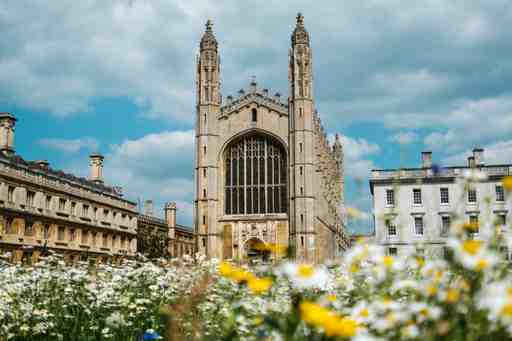

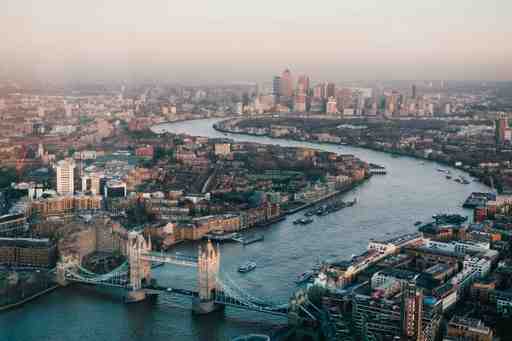
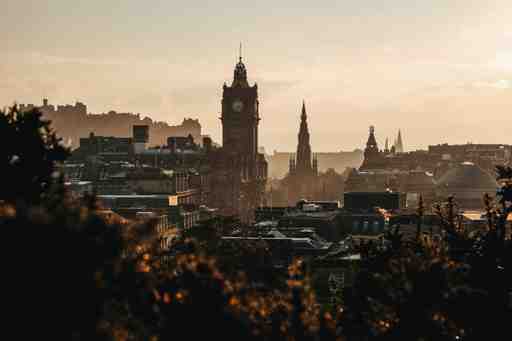
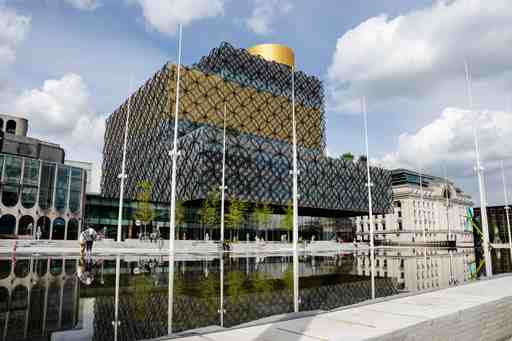
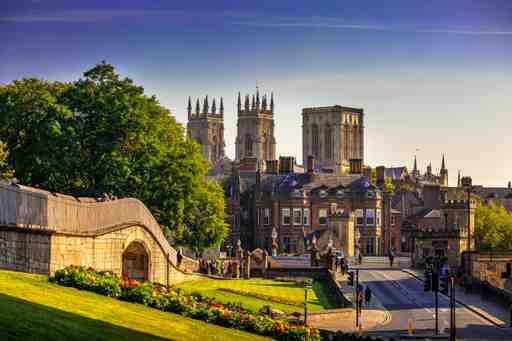
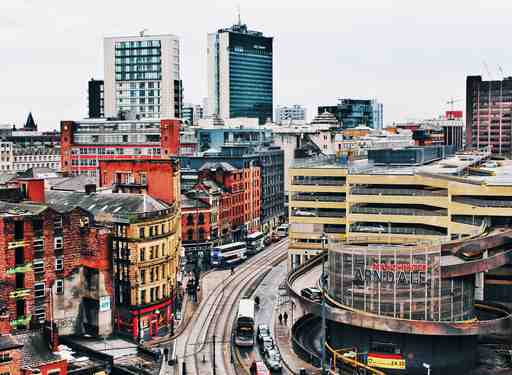
Beliebt bei Reisenden weltweitTausende gestartete Touren.
Tausende gestartete Touren.
Genug Meinungen.
4,8 im App Store und Google Play. Hier sind ein paar, zu denen wir immer wieder zurückkehren.
starstarstarstarstar
Diese Tour war eine großartige Möglichkeit, die Stadt zu sehen. Die Geschichten waren interessant, ohne zu konstruiert zu wirken, und ich liebte es, in meinem eigenen Tempo erkunden zu können.

Jess
Tbilisi-Tourstarstarstarstarstar
Das war eine solide Art, Brighton kennenzulernen, ohne sich wie ein Tourist zu fühlen. Die Erzählung hatte Tiefe und Kontext, übertrieb es aber nicht.

Christoph
Brighton-Tourstarstarstarstarstar
Habe diese Tour mit einem Croissant in der einen Hand und null Erwartungen gestartet. Die App schwingt einfach mit einem mit, kein Druck, nur man selbst, Kopfhörer und ein paar coole Geschichten.

John
Marseille-Tourdownload App holen Kopfhörer rein.


Kopfhörer rein.
Raus nach draußen.
Kostenlos herunterladen. Touren in jeder Stadt. Startklar in 60 Sekunden — kein Konto, keine Karte.

headphones
~ 4 Min. bis deine erste Tour startet
public
1.000+ Städte weltweit
all_inclusive
AudaTours
Unlimited
Jede Tour. Jede Stadt. Ein Abo.
3096 Touren2272 Städte138 Länder50+ Sprachen
$39 /Jahr
all_inclusive Unlimited erkunden