AudaTours logoAudaTours

Aylesbury Audio-Tour: Aylesbury Sehenswürdigkeiten Extravaganza

Audioguide9 Stopps

Aylesburys Skyline wird von alten Türmen und märchenhaften Geheimnissen gekrönt, wo jahrhundertealte Steine auf magische Galerien treffen. Diese selbstgeführte Audio-Tour führt Sie über die Postkartenansichten hinaus, um verborgene Skandale und legendäre Momente zu enthüllen, die die meisten Besucher verpassen. Wer riskierte alles, indem er sich in der Krypta unter St. Mary's versteckte? Welches königliche Drama veränderte das Schicksal des rotsteinigen Krankenhauses der Stadt für immer? Und wie kam es, dass eine Kindergalerie jeden Sommer Riesen durch Aylesburys historische Straßen paradierte? Schlendern Sie durch verwinkelte Gassen, während Sie an jeder Ecke Echos von Rebellion, Erfindung und Launenhaftigkeit umgeben. Jeder Schritt enthüllt Dramen, die tief in den lokalen Mauern verwoben sind, und lädt zu einem neuen Blick auf Orte ein, die Sie zu kennen glaubten. Entdecken Sie Aylesburys lebendige Geschichten – treten Sie näher und lauschen Sie. Die Stadt wartet darauf, Sie zu überraschen.

Tourvorschau

map

Über diese Tour

  • schedule
    Dauer 30–50 minsEigenes Tempo
  • straighten
    3.2 km FußwegDem geführten Pfad folgen
  • location_on
  • wifi_off
    Funktioniert offlineEinmal herunterladen, überall nutzen
  • all_inclusive
    Lebenslanger ZugriffJederzeit wiederholen, für immer
  • location_on
    Startet bei Königliches Buckinghamshire Krankenhaus

Stopps auf dieser Tour
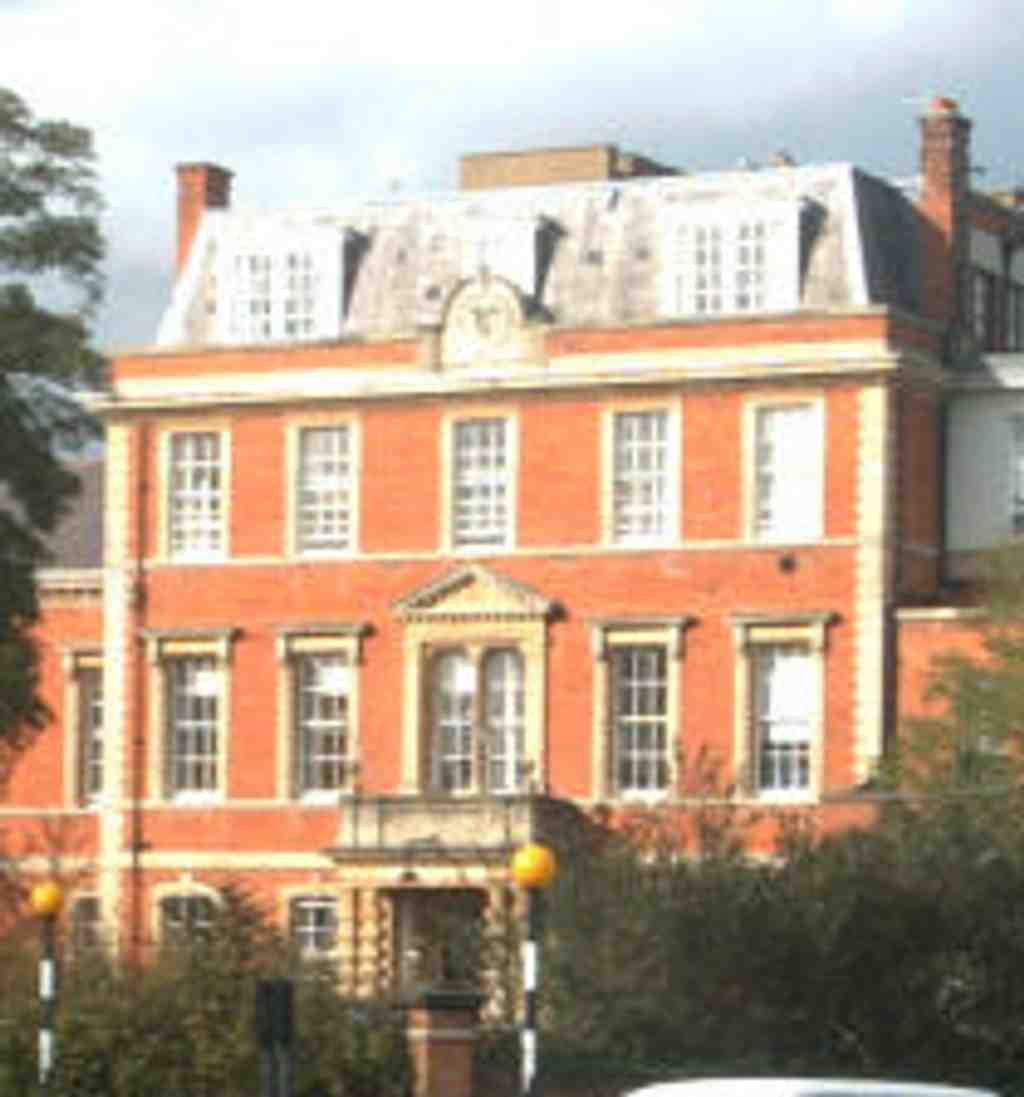
  1. Look ahead for a stately red-brick building with tall windows and a grand stone entrance, standing just behind the treetops-that’s the Royal Buckinghamshire Hospital. Alright,…Mehr lesenWeniger anzeigen

    Look ahead for a stately red-brick building with tall windows and a grand stone entrance, standing just behind the treetops-that’s the Royal Buckinghamshire Hospital. Alright, welcome to stop number one! Take in the impressive sight of this grand old building, its brickwork warm and solid, as if it’s been keeping secrets since the 18th century. Imagine the clatter of horses’ hooves on cobblestones as you walk along, the air brisk, filled with the echoes of Victorian life. The hospital was born by adding wings to a real country house in 1832-talk about an upgrade! Just over your head, those elegant windows once promised light and healing for the sick. Now, picture a time when hospitals weren’t the clean, airy spaces we know. Enter Florence Nightingale, the legendary Lady with the Lamp, who helped redesign the hospital’s layout. She suggested, through her brother-in-law Sir Harry Verney, a revolutionary “pavilion” style-lots of open space, fresh air, and sunlight. She even said it would become “the most beautiful hospital in England.” Not bad praise from the queen of nursing, right? Back then, in 1862, it opened as a general infirmary, but not long after, it got its royal title-thanks to a very special guest: the Prince of Wales reportedly came here for treatment, and, rumor has it, the hospital wore that royal badge with pride ever since. A new chapter began in 1905 when Lord Rothschild himself laid a foundation stone for an even bigger wing. Fast forward: in 1948, with the expansion of nearby Stoke Mandeville Hospital, the Royal Bucks became a maternity hospital under the NHS-cue the cries of newborns echoing down the grand halls. By 1994, it had become a private hospital, specializing in complex injuries and conditions, and in 2013, it was transformed again to offer state-of-the-art rehabilitation under new management. And just when you thought it couldn’t get more interesting, in 2023, the hospital prepared for yet another fresh start with a major refurbishment. This place has seen hopes, worries, laughter, tears, and a good deal of well-pressed uniforms. So, as you stand here, you’re right in front of a building that’s cared for Aylesbury’s people for nearly two centuries-a true pillar of the community. And who knows? Maybe the walls here are holding one last secret, just waiting for someone curious enough to find it!

    Eigene Seite öffnen →
  2. To spot St Mary the Virgin's Church, just look ahead for the grand stone building with pointed gothic windows and a striking clock tower topped by a silvery spire, peeking above…Mehr lesenWeniger anzeigen

    To spot St Mary the Virgin's Church, just look ahead for the grand stone building with pointed gothic windows and a striking clock tower topped by a silvery spire, peeking above the trees and gravestones. You’re now standing in front of one of Aylesbury’s oldest and grandest residents-St Mary the Virgin’s Church. Picture yourself on a foggy Saxon morning, around the year 700, when this place was a simple gathering spot in a settlement called Aeglesburge. Rumor has it there may have even been a Saxon church crypt here-imagine descending ancient stone steps to a cool, torch-lit chamber below, where centuries later piles of bones would quietly wait to be rediscovered. Some say this crypt could have once sheltered worshippers in troubled times-or even hid the remains of the mysterious St Osyth, drawing pilgrims from near and far, hoping for a touch of the miraculous. The church you see today began to rise between 1200 and 1250, its walls echoing with everything from holy chants to, on occasion, the thud of grain being threshed or the laughter of a medieval banquet. The history here is as tangled as a medieval mystery novel, filled with hidden chambers, ancient artifacts, and even a font-the “Aylesbury font”-that was dug up in pieces from the dirt just beneath your feet, then painstakingly put back together. And let’s not forget those Lady Chapels and stone sedilia, so old and worn that if you ran your fingers along them, you’d almost expect the cold touch of history itself. Step back in time to the 15th century and you might hear the chimes of a magnificent clock, funded by the will of local hero John Stone, who left two whole houses just for the purpose of keeping time in Aylesbury ticking along. The clock’s chimes rang out over political intrigue too: inside, dignitaries from the Guild of St Mary plotted their moves during the Wars of the Roses, possibly while feasting or watching a mystery play. Life at St Mary’s was never dull. In one century, you’d find a priest hanging robes from his secret priest’s chamber; in another, the air would fill with the smell of gunpowder stored during the Napoleonic wars. There were epic repairs too-sometimes more enthusiastic than effective! In the 1800s, one surveyor said he wasn’t sure the walls would outlast his travel to Watford, and during an 1848 service, some loose chimes fell with a great racket, sending parishioners scrambling over pews in a state of wild panic. Don’t worry-they returned soon after when it was clear that only the chimes had fallen, not the whole church! And then there’s the drama of the churchyard. Once, not just a resting place for the departed, this was the bustling heart of the town-children played, soldiers were disciplined, and elections were held atop a now-vanished tombstone. Dig around in the soil and you might find Saxon-era skeletons and ancient coins-remnants from times when the church presided over both the burials and bustling daily life of Aylesbury. If you peer at the tower, you’ll spot a little spire from the reign of Charles II. The Lady Chapel and Chapter House, and the secret priest’s hole above the sacristy, all hold whispers of hidden stories. Did you know the local grammar school started right here, with lessons taking place among the sunlight streaming through the old windows and boys turning the churchyard into a makeshift playground? Even as centuries rolled on, every generation left its mark, adding pews, painting and repainting, shoring up buttresses, and arguing with great ceremony over who should sit where. At times, the church became so jam-packed that finding a grave space was a logistical puzzle-sometimes new burials would bump into old neighbors. St Mary the Virgin’s Church has survived wars, storms, and enthusiastic but questionable restoration projects. In the 1970s, people feared it might have to be demolished, but after an ambitious project, its bones were shored up yet again; and on the day of reopening, the bells rang out over Aylesbury, celebrating a landmark made as much by the hands of its builders as by the spirit (and stubbornness!) of its townsfolk. So next time you hear those chimes, remember-each clang is the sound of almost 1,000 years of stories woven into the very stonework at your feet.

    Eigene Seite öffnen →
  3. To spot the Roald Dahl Children’s Gallery, look to your right for a charming old brick building with tall windows and a sign with a diamond-shaped logo hanging near the…Mehr lesenWeniger anzeigen

    To spot the Roald Dahl Children’s Gallery, look to your right for a charming old brick building with tall windows and a sign with a diamond-shaped logo hanging near the corner. Ah, here we are, outside a place that’s as magical as a Wonka chocolate bar! The Roald Dahl Children’s Gallery might look like a quiet, sturdy coach-house, but inside, it bursts to life with adventure, laughter, and a sprinkle of just the right amount of mischief. Imagine stepping through that doorway not into a plain museum, but into a swirling world of Roald Dahl’s wildest stories. It’s as if you can hear the excited footsteps of children dashing inside, eager for discovery. Quentin Blake’s playful artwork lines the walls, so don’t be surprised if you spot the BFG peeking out from behind a corner, or Matilda practicing her reading magic! When it first opened in 1996, the well-loved Demon Headmaster himself, Terrence Hardiman, did the honors-so maybe keep an eye out for hypnotic stares, just in case. They’ve scooped up awards for brilliant education, and every July, the town throws a parade stuffed with enormous puppets that lumber down the streets like friendly giants. So, are you ready to dive inside, where books and imagination burst out like fizzy lifting drinks? I promise, you’ll leave with a story or two of your own!

    Eigene Seite öffnen →
6 weitere Stationen anzeigenWeniger Stationen anzeigenexpand_moreexpand_less
  1. Look ahead for a grand red brick building with tall stone columns and three large archways at its base, topped by elegant windows and a small circular window in the center…Mehr lesenWeniger anzeigen

    Look ahead for a grand red brick building with tall stone columns and three large archways at its base, topped by elegant windows and a small circular window in the center gable-this is the striking Town Hall Arches, right in front of you. So, here you are, standing in front of one of Aylesbury’s most historic survivors-the Town Hall Arches. Imagine the bustling Market Square behind you-horses clopping, traders shouting, and the crisp scent of fresh bread and hay wafting through the air. Back in the 1800s, this spot was the heart of commerce, but not yet with these grand arches. No, you’d be standing in front of the famous White Hart Inn, a coaching inn where travelers and weary horses stopped for rest before the age of trains. Fast-forward to 1864: the inn is knocked down with a bang of hammers and a swirl of dust, making way for something even more ambitious. A group of local businessmen put their heads-and their wallets-together and raised £18,000 (which was a massive sum at the time!) to bring a shiny new corn exchange to life. The architect, David Brandon, designed a building in the grand Jacobean style you see before you: red brick trimmed with stone, lots of big, proud windows, and these impressive archways you can practically hear echoing with the footsteps of merchants and townsfolk. But fortunes change, and soon after its grand opening in 1865, the agricultural depression of the 1870s hit. Grain prices fell, and the bustling corn exchange wasn’t so bustling any more-those traders had to tighten their belts! Aylesbury’s local board of health, which ran the town at the time, stepped in. By 1901, the corn exchange turned town hall was officially given its new role: a place for council meetings, high drama debates, and all the official business of Aylesbury’s growing community. The old market hall? Converted into municipal offices-the wheels of local government turning, even when the markets were quiet. Imagine now: the early 1900s, and all the pomp and circumstance of council meetings, motions being passed, and the odd dispute that probably needed more than a gavel to settle. In 1917, Aylesbury was granted the rare honor of becoming a municipal borough-cue the cheering, and maybe a bit of proud, genteel handshaking. But not all chapters are golden. One fateful night in March 1962, flames leapt through the building. Sparks flickered in the dark-a fire, later blamed on arson, ripped through the main hall and these very archways. Though the town would rebuild the damaged rear facade, some of the original decoration was lost beneath the smoke and destruction. Change came swiftly. As the 1960s rolled on, the council moved to newer offices nearby, and most of the magnificent town hall was demolished. Today, only this archway wing remains-a Grade II* listed reminder of its grand past. If you look closely, you might see where the original grandeur tries to shine through the scars of time, its columns and windows standing proudly in the sun. But the story doesn’t end with history books and old photographs. After a few moves and many changes, the local council found a new home in 2007 at 5 Church Street, still keeping the Town Hall name alive. And right here, beneath the arches, there’s a modern twist: a statue of David Bowie was put up in 2018, celebrating his many performances at the old civic centre that once buzzed just down the street. Now there’s a bit of rock-and-roll among the red brick! So next time you stroll under these arches, remember: this isn’t just a pretty building. It’s seen everything from corn deals and council debates to roaring fires and the dulcet tones of Ziggy Stardust. Sometimes history’s doorway isn’t just for walking through-it’s for remembering the echoes of everything, and everyone, that’s come before.

    Eigene Seite öffnen →
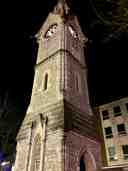
  2. The Aylesbury Clock Tower is a tall, stone structure with a pointed roof and glowing clock faces on each side-just look up in the middle of Market Square and you really can’t miss…Mehr lesenWeniger anzeigen

    The Aylesbury Clock Tower is a tall, stone structure with a pointed roof and glowing clock faces on each side-just look up in the middle of Market Square and you really can’t miss it! Now, let’s travel back to 1876 when this very spot was bustling and echoing with the sound of traders, horses, and chattering townsfolk-you’d hardly recognize it! The old market house that once stood here had just come down, making way for a tower that would become the face of Aylesbury. Picture the dust and the commotion, and imagine architect D Brandon sketching his plans, determined to build something the whole town would admire. He didn’t just stop at the clock tower, you know-he was designing all sorts of things around town, but this, this was special. Up the sides you’ll see flowers and spirals carved into the stone, as if the tower’s wearing its own forever-garland for a party. That’s the work of Frank William Bennett, a master carver with talented hands and probably a bit of stone dust in his hair-he was married to Lucy Stevens, so maybe there were a few love hearts hidden among the scrolls! Now, here’s a mystery for you: for all those grand looks, the tower never rings. No bell chimes from above to wake you-unlike St Mary’s Church down the way. Still, it stands proud, watching over the market square, a silent guardian and a much-loved piece of Aylesbury’s story.

    Eigene Seite öffnen →
  3. To spot Friars Square, look up ahead for the modern, bold blue and green signage that reads “Friars Square Aylesbury”-it’s hard to miss with its striking design right at the heart…Mehr lesenWeniger anzeigen

    To spot Friars Square, look up ahead for the modern, bold blue and green signage that reads “Friars Square Aylesbury”-it’s hard to miss with its striking design right at the heart of the busy town centre. Welcome to Friars Square! Step closer and let the hum of Aylesbury’s shopping heartbeat surround you. Close your eyes for a second and imagine the echoing footsteps of every resident and visitor who’s ever hurried through these doors, chasing deals or maybe just sheltering from the rain. Now open your eyes-because there’s quite a story behind these walls, one filled with ambition, change, and just a sprinkle of fashion drama! Picture this place way back in the 1960s. Instead of the sleek storefronts you see now, there was a wild whirl of open-air pedestrian walkways and the smell of fresh market produce floating in the air. The first phase of the Friars Square dream opened in 1967, offering shoppers not just shops but a brand new home for the town’s bustling market. Imagine traders calling out their wares, the clang of coins, the energy of a town being reinvented-all swirling through the redeveloped Market Square and Silver Street. Fast forward a few years. In comes the second phase: Woolworths, the bus station, and maybe a stop for a cheeky fry-up at the Cadena café, perched above the open market like a UFO full of cakes and coffee. The 60s and 70s were a time of big hopes, big hairs, and even bigger shopping bags. But Friars Square was never content to stand still. In the 90s, the centre metamorphosed again, spending a cool £70 million on morphing into a modern shopping fantasy in 1993-Stanley Bragg Architects’ vision rising up from the old buildings. They didn’t sweep everything away, though. The old Woolworths became the anchor for House of Fraser and the local library, weaving the past into the present like a secret thread in your favourite jumper. Stores have come and gone in the years since-Wimpy to H&M, Topshop to JD Sports, one fashion empire making way for the next-but if you listen, you can still almost hear the hush of anticipation on opening day or the laughter of window-shoppers dodging raindrops. And it’s not just about shopping-Friars Square once dazzled the town with its Cloisters indoor market and even picked up a Security Team of the Year award, proving you’re safe whether you’re buying trainers or stationery. So while Friars Square might just look like a shopping centre to some, to Aylesbury it’s the ever-changing living room of the town. Let’s be honest: where else can you buy jeans, grab a coffee, and relive decades of local history all before lunchtime? Now, who’s ready for a bit of retail therapy… or at least a snack?

    Eigene Seite öffnen →
  4. Look up and you’ll spot County Hall towering over the treetops, a striking 15-floor concrete and glass skyscraper with bold, boxy shapes and rows upon rows of identical…Mehr lesenWeniger anzeigen

    Look up and you’ll spot County Hall towering over the treetops, a striking 15-floor concrete and glass skyscraper with bold, boxy shapes and rows upon rows of identical windows-like a giant Rubik’s cube that’s never been solved! Alright, take a moment to let your eyes wander up those repeating windows-because you’re standing in front of one of Aylesbury’s most controversially famous buildings! County Hall wasn’t always a towering fortress of Brutalism; in fact, it all began with the bustle of 18th-century Market Square, where the old County Hall sat, watching over a much sleepier town. Fast forward a couple of centuries and by the 1920s, things started to feel tight, so they put up the “County Offices” just across Walton Street-imagine everyone carrying armfuls of paperwork back and forth! But those buildings just weren’t enough, so in the early 1960s, county leaders set their eyes on this very spot, where a peaceful home called Willowbank once rested. With a blast of optimism-and probably a lot of tea-the town decided what they really needed was a modern masterpiece, something that could be seen for miles. Enter Sir Henry Floyd, Lord Lieutenant of Buckinghamshire. Picture him, ceremonial sash and all, laying the foundation stone back in 1964. Then came Fred Pooley, the county architect, with his dreams of concrete greatness. Two whole years of banging, drilling, and, let’s be honest, a lot of architectural head-scratching later, up rose “Pooley’s Folly”-or “Fred’s Fort,” as the locals cheekily called it. At 200 feet tall and costing just under a million pounds, it certainly stood out from the lower, more traditional rooftops all around. For a while, it even outshone the town’s church spires, and you could spot it from villages miles away, like a giant gray periscope keeping curious watch. Inside, beneath those endless rows of windows, the new County Hall housed not just offices, but the county’s Reference Library, Aylesbury’s Register Office, and even a Record Office. If you listen closely, you can almost hear the shuffle of official papers, and maybe the whispered debates of council members deciding the fate of Buckinghamshire. But while the council workers lived the high-rise life here, the grand meetings kept on happening back in the old halls in Market Square-at least until 2012, when things truly moved on. With a hint of Frank Lloyd Wright’s boldness, Le Corbusier’s style, and even a dash of Parisian flair from the early 1900s, County Hall wasn’t loved by everyone, but it certainly got people talking. And if you’re wondering about a touch of antique charm, the inside also once displayed masterpieces by Godfrey Kneller, Joshua Reynolds, and Peter Paul Rubens-just to remind everyone that Aylesbury could do a bit of everything! Today, this bustling tower still serves the council, though the actual big meetings moved to the Oculus at The Gateway. Now, County Hall is a monument to ambition and practicality-a place where you can imagine both the sharp clack of modern shoes and the quiet awe of villagers seeing the skyline change forever. So, there you have it: Aylesbury’s very own skyscraper, a symbol of change, conversation, and more than a few strong opinions!

    Eigene Seite öffnen →
  5. To spot Stocklake Park Community School, look for a friendly sign with two stylized figures-one boy, one girl-standing hand-in-hand next to a tree, with the words “PARK SCHOOL”…Mehr lesenWeniger anzeigen

    To spot Stocklake Park Community School, look for a friendly sign with two stylized figures-one boy, one girl-standing hand-in-hand next to a tree, with the words “PARK SCHOOL” wrapped around them. Now imagine yourself standing here nearly forty years ago. A small group of big-hearted rugby supporters were watching England’s rugby team at the 1983 Five Nations Championship. Now, England didn’t do so well that year-they won the dreaded “Wooden Spoon,” which means coming last! Most fans would mope, but these clever folks had a different idea: they held a charity golf match, full of laughter and bad swings, raising enough money to buy a minibus for this very school, which at the time still welcomed younger children, too. That’s right: the echoes of rugby boots and thumping golf balls helped Stocklake Park Community School, a place where around 65 young people with severe and multiple learning difficulties come to learn, laugh, and grow. The fun doesn’t stop there-out of this single act of kindness, the famous Wooden Spoon Society was born! Today, it’s a major charity across the UK and Ireland, supporting thousands of disadvantaged children. So, as the breeze stirs the playground and you hear distant laughter, remember: even an unlucky rugby match can change the world for the better, one minibus at a time.

    Eigene Seite öffnen →
  6. Things changed dramatically during the Second World War-this humble workhouse transformed into Tindal Hospital, its walls suddenly echoing with the urgent footsteps of nurses and…Mehr lesenWeniger anzeigen

    Things changed dramatically during the Second World War-this humble workhouse transformed into Tindal Hospital, its walls suddenly echoing with the urgent footsteps of nurses and doctors. Over time, it stood as a lifeline for those facing mental health challenges, which, let’s face it, means it’s seen more dramatic stories than a soap opera binge! Can you picture the main block lit up at night, a beacon of hope for those inside? Eventually, a new chapter began when the services moved to the Whiteleaf Centre, and in 2014, the Tindal Centre quietly shut its doors. Now, as you stand here, you’re connected to everyone who’s walked through these doors, from the days of top hats and horse-drawn carts to the present. A hidden piece of the town’s story-who knew a former workhouse had such tales to tell? Thanks for joining me; your curiosity is the real key to the city!

    Eigene Seite öffnen →

Häufig gestellte Fragen

Wie starte ich die Tour?

Laden Sie nach dem Kauf die AudaTours-App herunter und geben Sie Ihren Einlösecode ein. Die Tour ist sofort startbereit – tippen Sie einfach auf „Play“ und folgen Sie der GPS-geführten Route.

Benötige ich während der Tour Internet?

Nein! Laden Sie die Tour vor dem Start herunter und genießen Sie sie vollständig offline. Nur die Chat-Funktion benötigt Internet. Wir empfehlen den Download über WLAN, um mobiles Datenvolumen zu sparen.

Handelt es sich um eine geführte Gruppentour?

Nein – dies ist ein selbstgeführter Audioguide. Sie erkunden unabhängig in Ihrem eigenen Tempo, wobei die Audioerzählung über Ihr Telefon abgespielt wird. Kein Reiseleiter, keine Gruppe, kein Zeitplan.

Wie lange dauert die Tour?

Die meisten Touren dauern 60–90 Minuten, aber Sie kontrollieren das Tempo vollständig. Pausieren Sie, überspringen Sie Stopps oder machen Sie Pausen, wann immer Sie wollen.

Was, wenn ich die Tour heute nicht beenden kann?

Kein Problem! Touren haben lebenslangen Zugriff. Pausieren Sie und setzen Sie sie fort, wann immer Sie möchten – morgen, nächste Woche oder nächstes Jahr. Ihr Fortschritt wird gespeichert.

Welche Sprachen sind verfügbar?

Alle Touren sind in über 50 Sprachen verfügbar. Wählen Sie Ihre bevorzugte Sprache beim Einlösen Ihres Codes. Hinweis: Die Sprache kann nach der Tour-Generierung nicht mehr geändert werden.

Wo greife ich nach dem Kauf auf die Tour zu?

Laden Sie die kostenlose AudaTours-App aus dem App Store oder von Google Play herunter. Geben Sie Ihren Einlösecode (per E-Mail gesendet) ein, und die Tour erscheint in Ihrer Bibliothek, bereit zum Download und Start.

verified_user
Zufriedenheit garantiert

Wenn Ihnen die Tour nicht gefällt, erstatten wir Ihnen den Kaufpreis. Kontaktieren Sie uns unter [email protected]

Sicher bezahlen mit

Apple PayGoogle PayVisaMastercardPayPal

AudaTours: Audioguides

Unterhaltsame, budgetfreundliche, selbstgeführte Stadtrundgänge

App ausprobieren arrow_forward

Beliebt bei Reisenden weltweit

format_quote Diese Tour war eine großartige Möglichkeit, die Stadt zu sehen. Die Geschichten waren interessant, ohne zu konstruiert zu wirken, und ich liebte es, in meinem eigenen Tempo erkunden zu können.
Jess
Jess
starstarstarstarstar
Tbilisi-Tour arrow_forward
format_quote Das war eine solide Art, Brighton kennenzulernen, ohne sich wie ein Tourist zu fühlen. Die Erzählung hatte Tiefe und Kontext, übertrieb es aber nicht.
Christoph
Christoph
starstarstarstarstar
Brighton-Tour arrow_forward
format_quote Habe diese Tour mit einem Croissant in der einen Hand und null Erwartungen gestartet. Die App schwingt einfach mit einem mit, kein Druck, nur man selbst, Kopfhörer und ein paar coole Geschichten.
John
John
starstarstarstarstar
Marseille-Tour arrow_forward

Unbegrenzte Audioguides

Schalten Sie Zugriff auf JEDE Tour weltweit frei

0 Touren·0 Städte·0 Länder
all_inclusive Unlimited erkunden