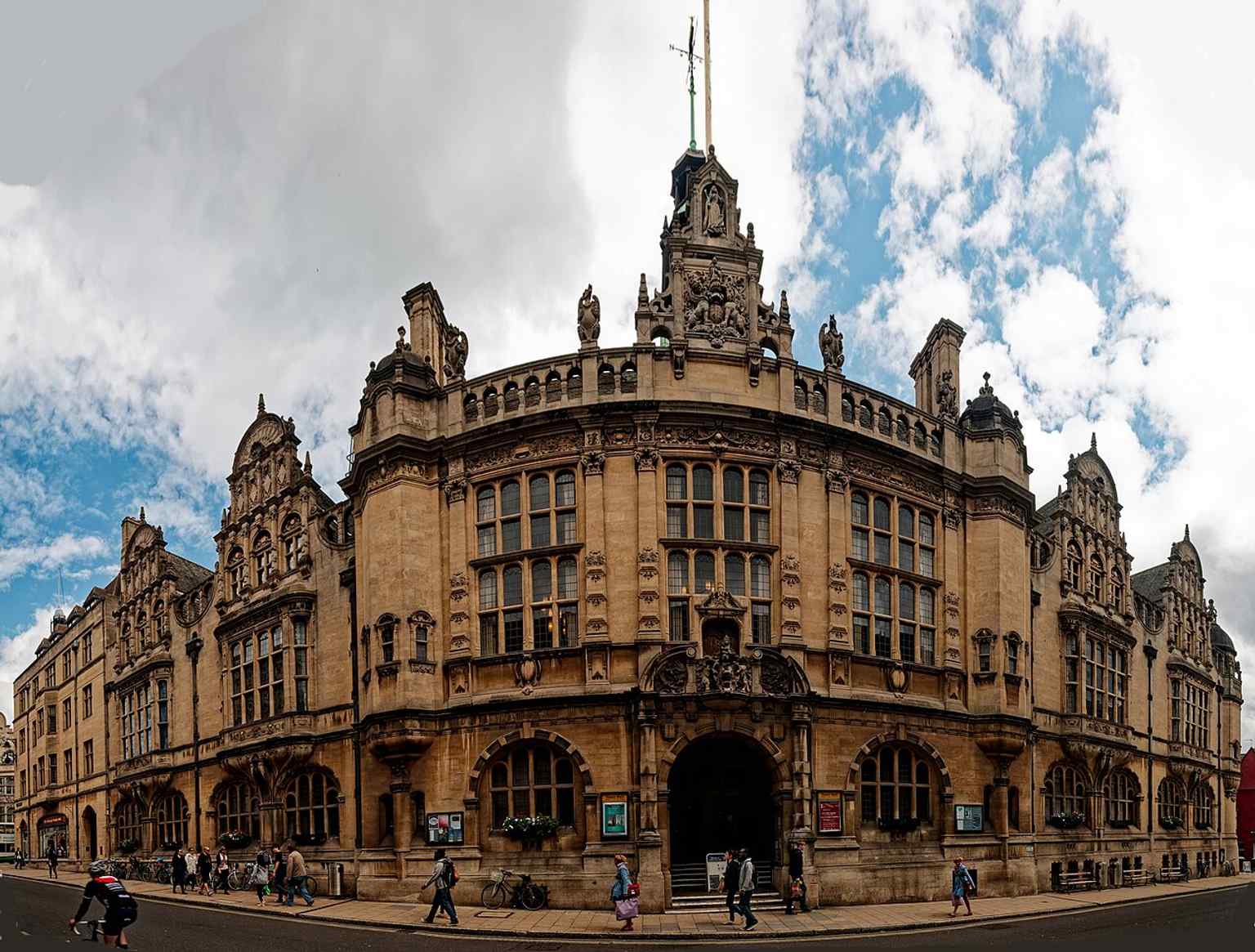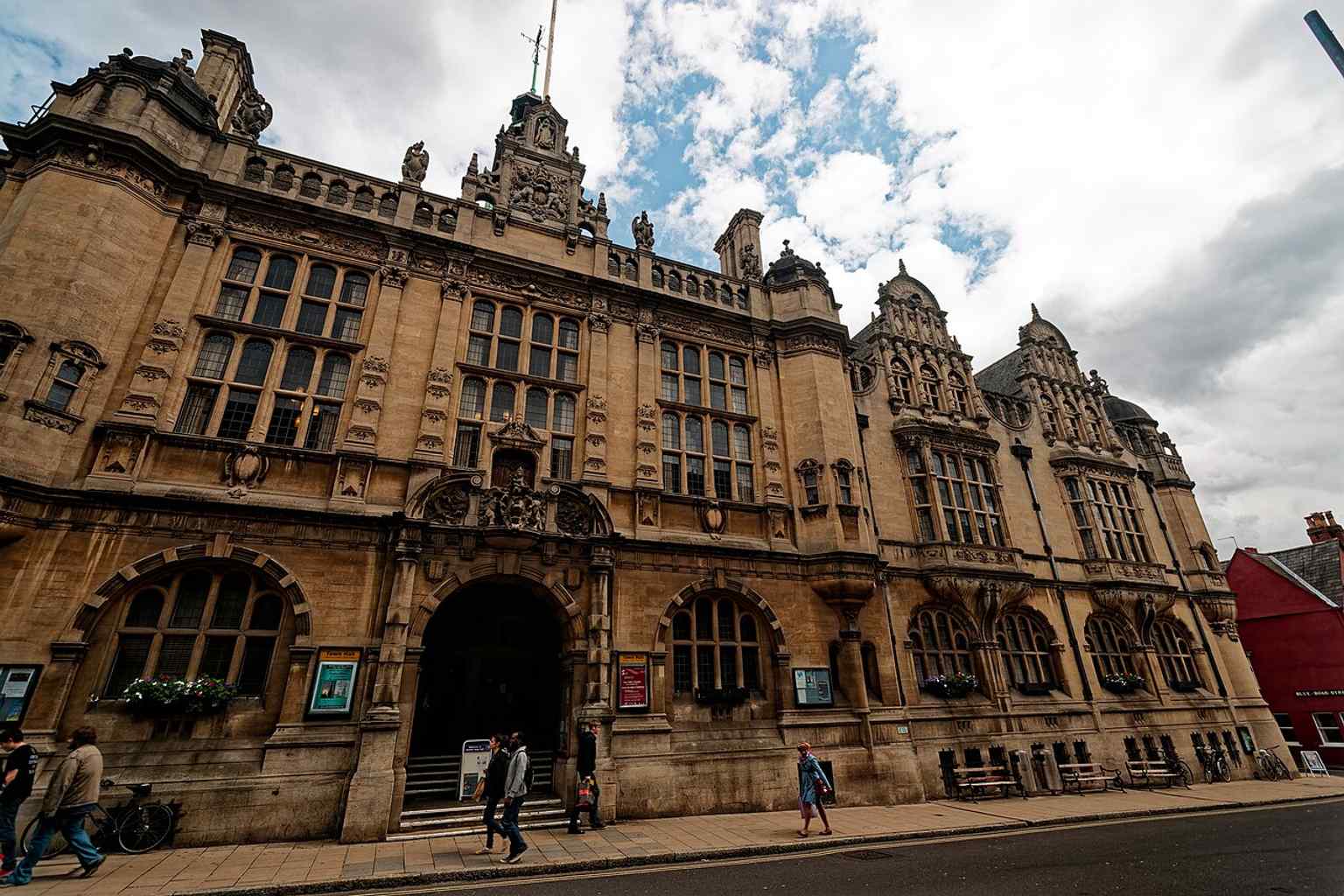
On your right stands a broad honey-colored stone frontage with tall arched windows and a carved central balcony, the grand face of Oxford Town Hall.
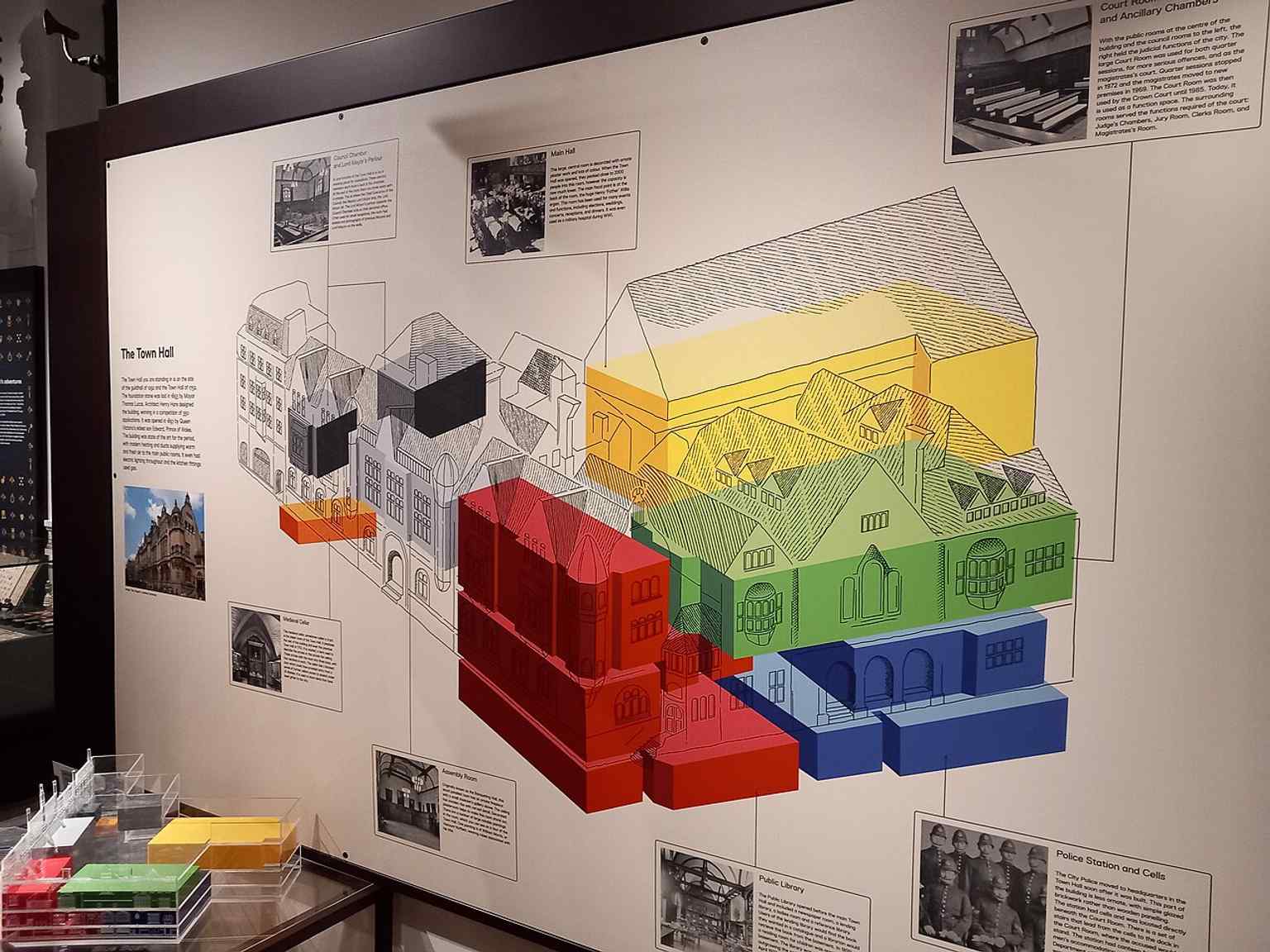
Inside this civic heavyweight sits the Museum of Oxford... and that matters, because Oxford is not only colleges, gowns, and people arguing politely in Latin. This museum tells the story of the city and its residents, from prehistoric Oxford to the present, and it has done that here since nineteen seventy-five, when it took over the old Oxford Public Library rooms.
What makes it good is its range. One minute you are face to face with Oliver Cromwell’s death mask. The next, you are looking at artefacts from Oxford’s medieval Jewish quarter, the city crest given by Elizabeth the First, a chunk of the Cutteslowe Wall that once divided communities by class, or Cold War gadgets designed to measure nuclear fallout... which is an awfully tense thing to display in a museum gift-shop world. There are also Rolling Stones concert tickets, a copy of Pink, Oxford’s first L-G-B-T newspaper, personal belongings from Lewis Carroll and Alice Liddell, and even a tin of Frank Cooper’s marmalade that joined Robert Falcon Scott’s doomed South Pole expedition.
In two thousand and five, a grant helped the museum collect Oxfordshire memories of the Second World War, preserving local voices instead of letting them drift away. Then came a rough patch. In two thousand and nine, the city council considered closing the museum because it cost about two hundred thousand pounds a year to run. Local campaigners pushed back, and volunteers helped keep it alive. That feels fitting for a museum about a city’s people... the people saved it.
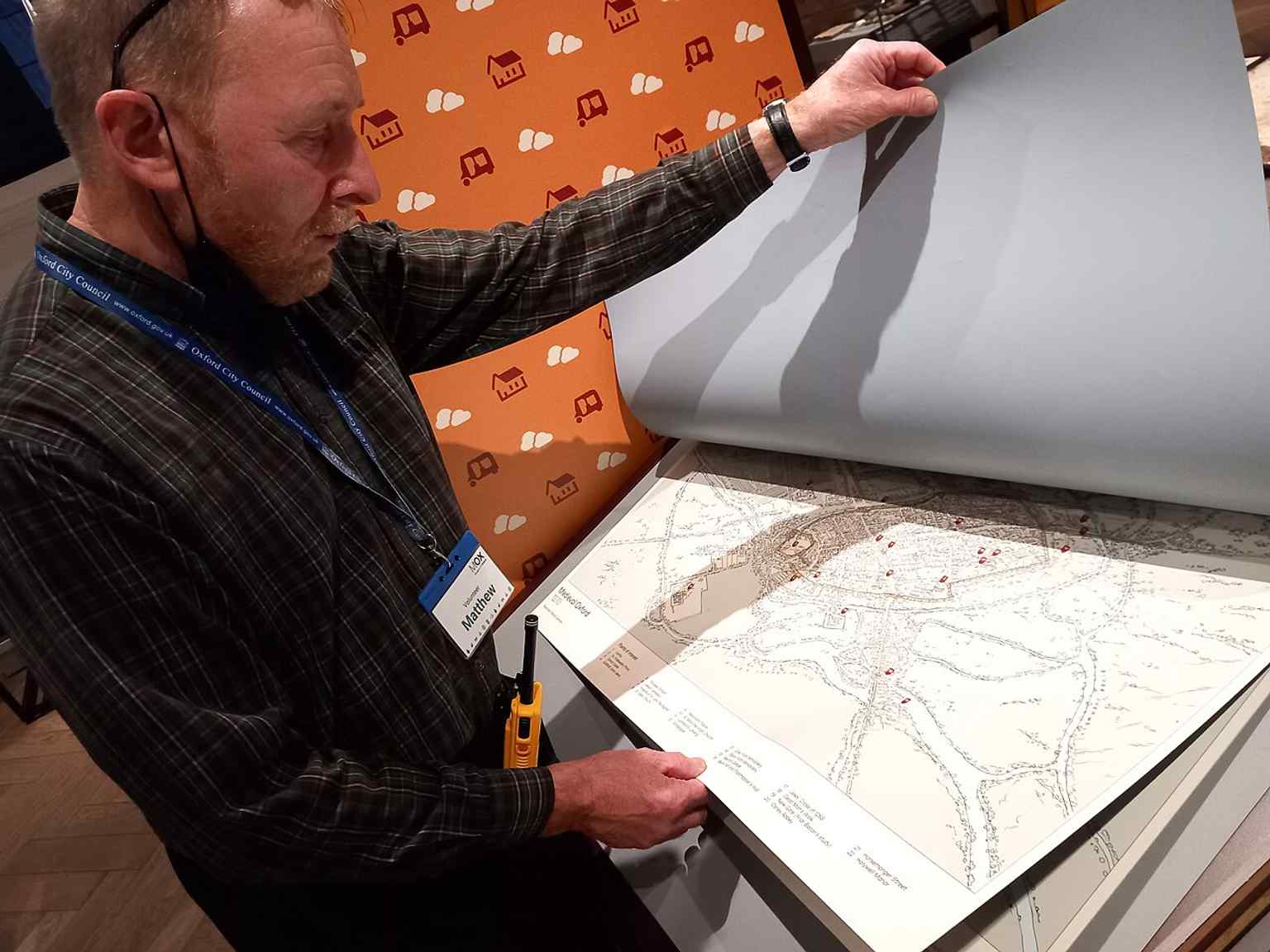
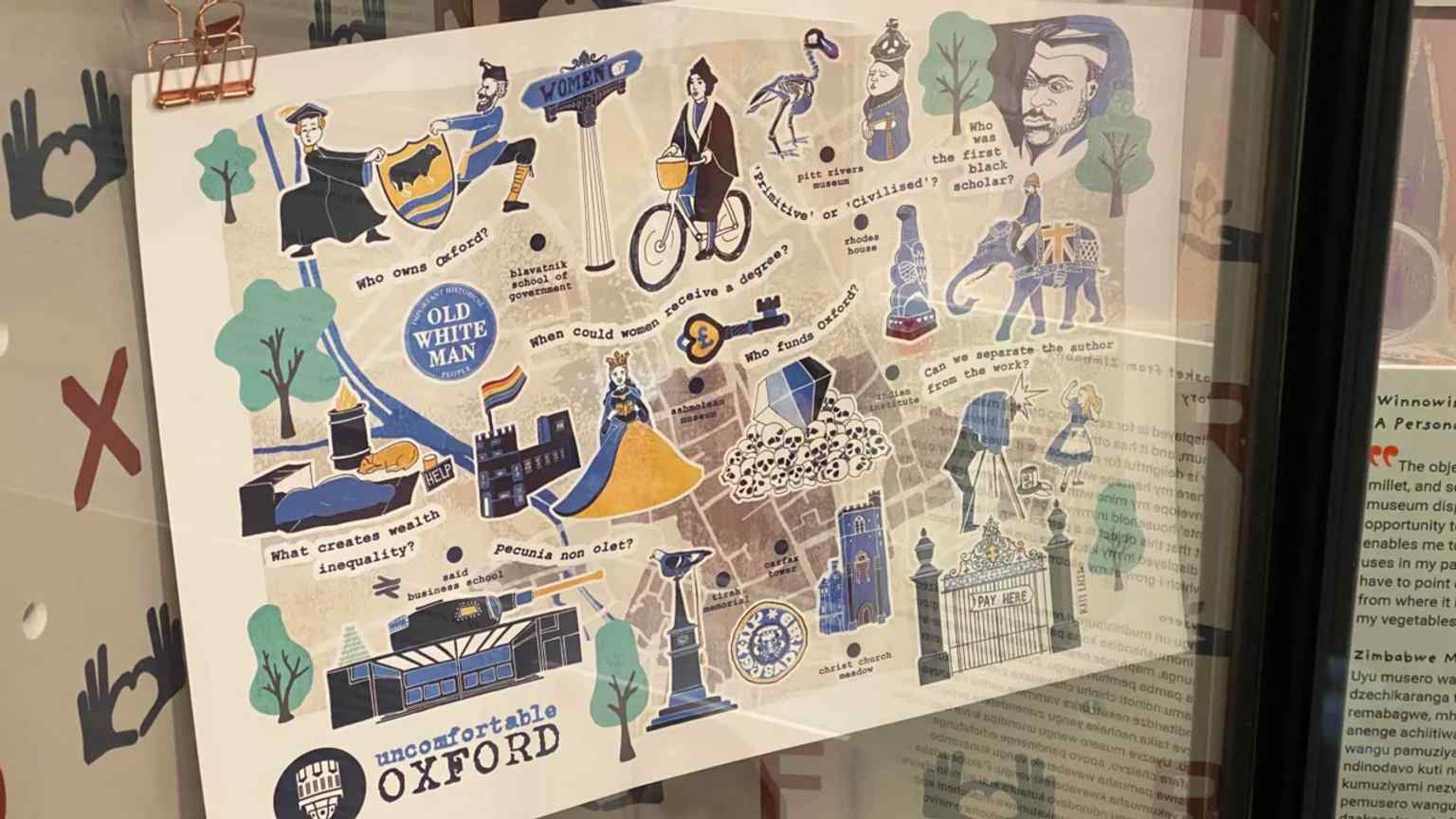
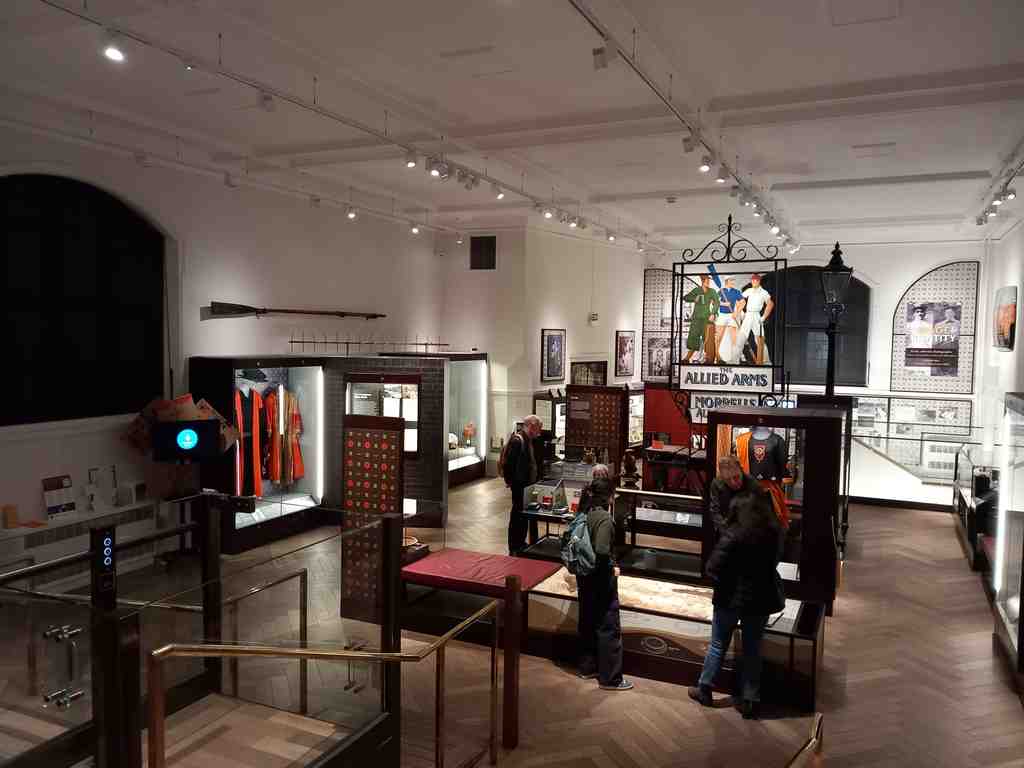
You can see the refurbished main gallery on screen. Between two thousand and eighteen and two thousand and twenty-one, architects at Purcell led a major overhaul that tripled the museum’s space and expanded the displays from two hundred and eighty-six exhibits to around seven hundred and fifty. The museum reopened with a broader sense of who Oxford belongs to, including stronger displays on Black British history and queer history, plus a Windrush exhibition celebrating Caribbean life in Oxford since the nineteen fifties. The image of a volunteer guiding visitors through historic maps is apt, because more than one hundred volunteers now help power the place.
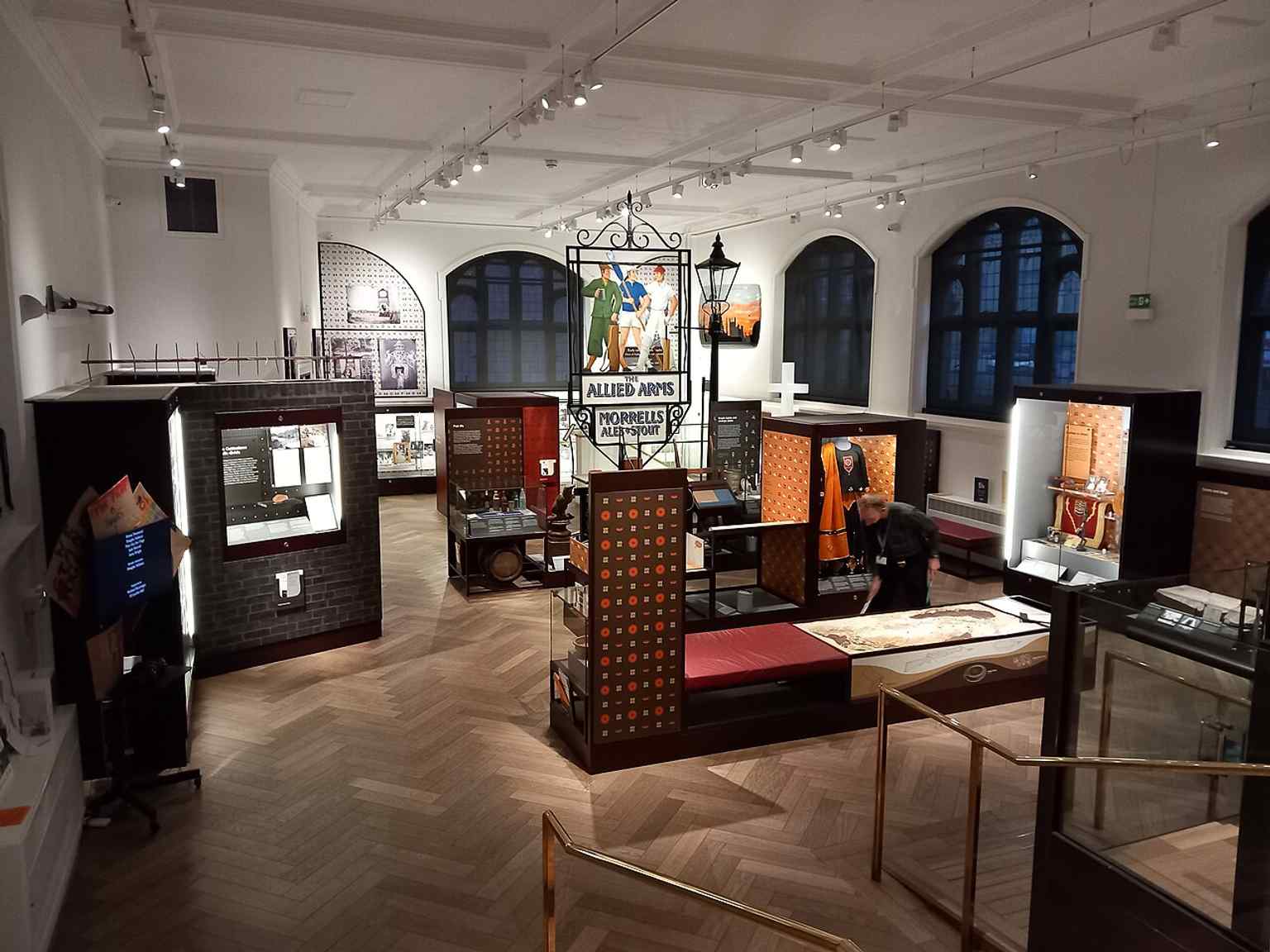
It also works as a meeting space, a classroom, and occasionally a stage. In two thousand and twenty-three, it hosted Little Edens, a play about the Florence Park rent strikes of nineteen thirty-four... proof that local history does not have to sit quietly in a case.
If you want to go in later, it usually opens Monday to Saturday from ten in the morning to five in the afternoon, and stays closed on Sunday.
This is Oxford telling its own story, in its own voice. When you’re ready, continue on toward Cornmarket Street.