
Fäden der Zeit: Úbedas geheime Pracht Audiotour
Unter einem Himmel, erleuchtet von alten Straßenlaternen und den Flüstern der Vergangenheit, offenbart Úbeda sein wahres Ich denen, die bereit sind, tiefer zu blicken. Dies ist eine selbstgeführte Audiotour für Geschichtensucher – entdecken Sie stolze Festungen, verwitterte Stadtmauern und Kreuzgänge, die von halbvergessenen Geheimnissen widerhallen. Finden Sie das kühne Dávalos-Wappen über dem Haus der Türme; verfolgen Sie die verwunschenen Stadtmauern, die Invasionen abwehrten und königliche Skandale überstanden. Welcher dunkle Verrat schwelte einst hinter den Eisenstangen der Casa de las Torres? Welche mysteriöse Tradition an der Stadtmauer konnte mit einer unmöglichen Wette Früchte in Schätze verwandeln? Warum versteckten sich zwei separate Kreuzgänge im Dreifaltigkeitskloster – und welche geheimen Gelübde wurden dort im Mondlicht geflüstert? Bewegen Sie sich durch honigfarbenes Licht und Festungsschatten. Jeder Halt bringt Drama, Entdeckung und Gänsehaut, während Úbeda seine verborgene Seite vor Ihren Augen entfaltet. Beginnen Sie zuzuhören – und treten Sie über das Gewöhnliche hinaus in die Legende.
Tourvorschau
Über diese Tour
- scheduleDauer 30–50 minsEigenes Tempo
- straighten1.7 km FußwegDem geführten Pfad folgen
- location_on
- wifi_offFunktioniert offlineEinmal herunterladen, überall nutzen
- all_inclusiveLebenslanger ZugriffJederzeit wiederholen, für immer
- location_onStartet bei Haus der Türme
Stopps auf dieser Tour
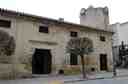
As you come closer, look straight ahead for a powerful stone building with two chunky towers guarding the entrance. The whole front is made of warm, rough-hewn blocks, standing…Mehr lesenWeniger anzeigen
As you come closer, look straight ahead for a powerful stone building with two chunky towers guarding the entrance. The whole front is made of warm, rough-hewn blocks, standing firm against the sky. There’s an old-fashioned streetlamp right in front-imagine it casting a golden glow as the day gets darker. The doorway is grand, decorated with carvings and crests, and the towers rise up on either side, making the building look almost like a little castle plucked out of a storybook. Even the windows have sturdy iron bars, adding to the fortress feel. You’re standing before the House of the Towers, or Casa de las Torres. Imagine yourself here in the dusty streets of medieval Úbeda… centuries ago, you would have heard the stomp of horses and the clank of armor as the powerful Dávalos family ruled these walls. No wonder it’s called "the House of the Towers"-those towers were a sign of prestige. Only the big shots had towers back then! Unfortunately, the towers aren’t quite as tall as they once were. They’ve been trimmed down over the years-sort of like giving a haircut to someone who’s just a bit too proud. You might be surprised to know that beneath all this stone and strength, there’s a softer side: inside, there’s a beautiful Renaissance patio with two levels of arches and columns. If you listen closely, you can almost imagine echoes of artists and students-because today, the building is a School of Art! Back in the 1500s, it had its own secrets and intrigues, but now, it’s full of creativity and life. Rumor has it, in the moonlight, the crests and shields above the doors practically whisper old tales-so keep an eye (and an ear) out. Ready for our next stop? Let’s see where the adventure takes us!
Eigene Seite öffnen →As you approach, look ahead and to your right-see that enormous stone wall rising up, built with chunky blocks of weathered, sandy brown stone? Notice how it stretches along the…Mehr lesenWeniger anzeigen
As you approach, look ahead and to your right-see that enormous stone wall rising up, built with chunky blocks of weathered, sandy brown stone? Notice how it stretches along the street with tall towers and jagged, tooth-like crenellations at the top. There’s a shadowy old archway in the base, just waiting for someone to imagine knights stepping out from its shadows. That’s the Úbeda Wall, and if you listen closely, maybe you’ll hear an echo from the city’s past. You’re standing in front of a wall that’s seen more history than your favorite ancient history podcast. Built mostly back in the 10th century, these thick ramparts once wrapped all around Úbeda’s old city. Picture this place centuries ago-a grand defense system, bristling with towers, echoing with the calls of heralds and the distant beat of war drums. Argote de Molina, an old-time historian, said Úbeda was “fenced by very strong walls, beautifully towered, giving it much majesty and splendor.” Long ago, this wall held back invaders, protected citizens, and watched as kings and conquerors passed through its mighty gates. Imagine the thundering hooves outside as the armies from the Battle of Las Navas de Tolosa rumbled by, while locals hurried to the safety of the mosque inside these very walls. The drama! The city’s wall wasn’t just for fighting. The towers were home to noble knights, each with their own family crest. Heralds would stand at the top, shouting big news for all the city to hear-births, marriages, sometimes even royal visits or, less happily, invasions. Over time, houses crept up and pressed against the stones. Bit by bit, some parts of the wall vanished as people broke through to make more space-probably the medieval version of knocking out a wall for a bigger kitchen. Huge gates like the Puerta de Toledo, once grand enough for an emperor to swear loyalty beneath, were lost. Still, many sections-like what’s looming right here-stand proud. If you look closely, you’ll spot hints of the wall’s secrets: arches, ancient towers, even the old Mudéjar-style Puerta del Losal, with its horseshoe arches built in the Muslim tradition. And here’s a mysterious tradition for you: if you can eat a whole pomegranate in front of the Puerta de Granada, without dropping a single seed, legend says a treasure will appear at your feet. No pressure! So as you stand before these monumental stones, take a moment. Run your hand over the rough, ancient surface if you can. These walls have seen centuries of stories, and if you listen, maybe you’ll catch a whisper from the medieval winds. Onward, explorer-the next adventure awaits!
Eigene Seite öffnen →Straight ahead, you’ll see a beautiful old stone building with creamy, honey-colored walls and a tall, square bell tower standing watch like a loyal sentry. The entrance is…Mehr lesenWeniger anzeigen
Straight ahead, you’ll see a beautiful old stone building with creamy, honey-colored walls and a tall, square bell tower standing watch like a loyal sentry. The entrance is dramatic: look for those swirling carvings and chunky stone details around the big wooden door-almost as if someone decided to sculpt a Baroque picture frame and then said, “You know what, let’s make it extra grand!” Imagine yourself standing here centuries ago, just outside the bustling walls of Úbeda, with the Church and Convent of the Holy Trinity rising in front of you, its doors promising mystery and maybe a little drama. This place was built from the 1600s to the 1700s; you can practically feel the stories clinging to the stones! There are actually two entrances-one facing north, decorated with a scene of the Holy Trinity, and one to the south, showing off an image of Saint John of Matha gazing down. If you step inside, you’d find three long aisles separated by soaring arches. Picture sunlight slipping through high windows, casting dancing shadows on the floor, and all around you, elegant Corinthian columns holding up a ceiling decorated with curling leaves and vines molded in delicate plasterwork. But wait, there’s more-hidden behind these walls are not one, but two cloisters, where monks once walked and whispered. The older one, from the 1500s, is proud of its double row of arches; the other, a bit younger, lets you walk the same pathways as those who lived here in quieter, more mysterious times. So, while you stand here, imagine the sound of distant bells echoing up and down the street, the scent of incense drifting out, and maybe-just maybe-the feeling of a ghostly monk or two peeking out to check who’s come to visit today. And honestly, if there was ever a time to bump into a saint, this is it!
Eigene Seite öffnen →
5 weitere Stationen anzeigenWeniger Stationen anzeigenexpand_moreexpand_less
Look straight ahead-you’ll see a long, sturdy stone building with a sloping tiled roof and a few small, square windows. The front is almost fortress-like, simple yet strong, with…Mehr lesenWeniger anzeigen
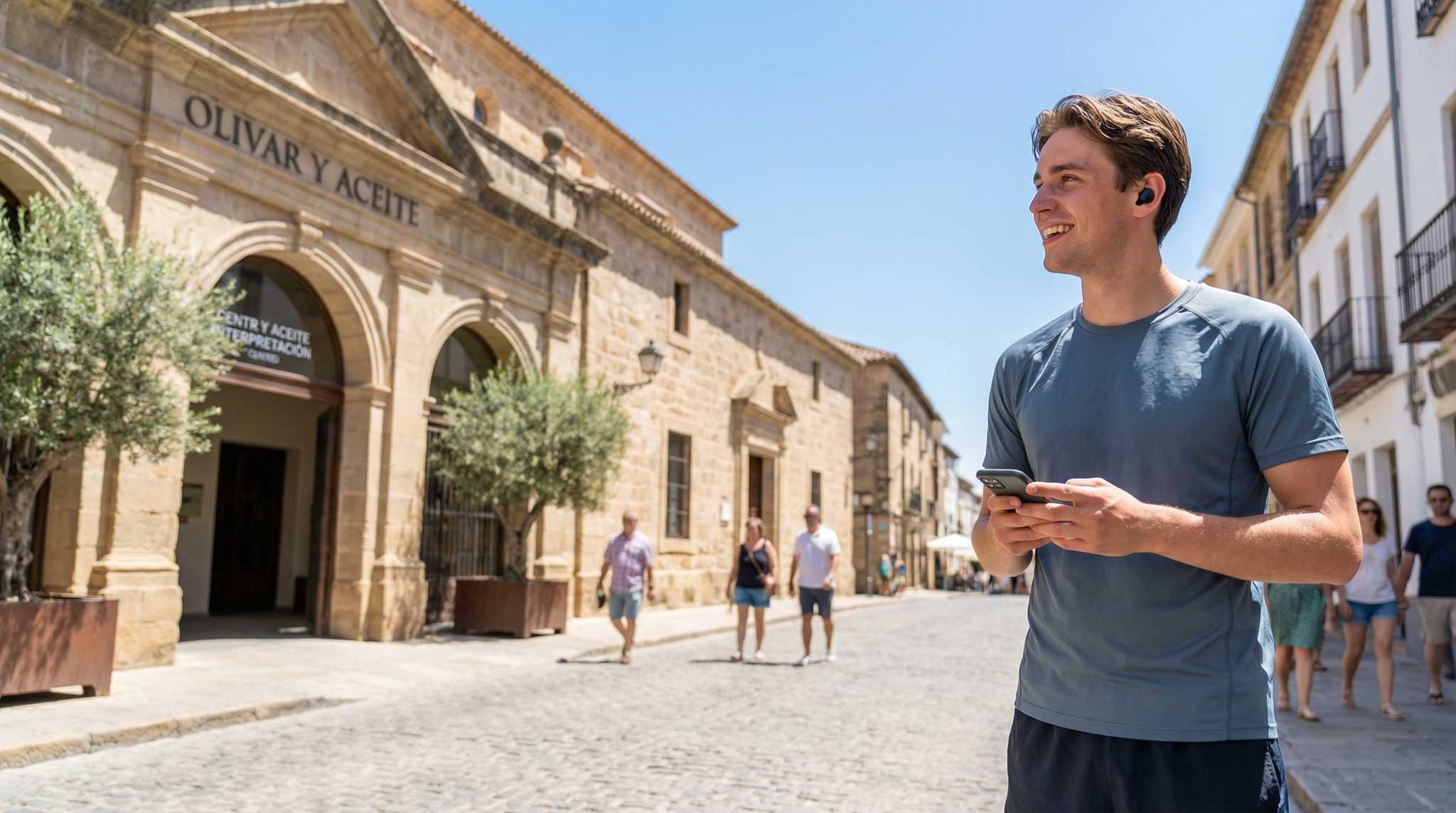
Look straight ahead-you’ll see a long, sturdy stone building with a sloping tiled roof and a few small, square windows. The front is almost fortress-like, simple yet strong, with two dark wooden doors and a pair of neatly trimmed trees standing guard on the sidewalk. But what really gives this spot its flair is the tall, chunky stone tower rising behind the building, peeking out like a curious giant. That’s your clue: you’ve found the Olivar and Oil Interpretation Center. Now, take a deep breath-can you smell that hint of olives on the breeze? You’re standing in front of one of the most fascinating places in all of Úbeda, where olive oil isn’t just something for your salad but a star of history, culture, and even a little local drama. Welcome to the Olivar and Oil Interpretation Center, right here in the old Casa de la Tercia, a beautiful building that’s been hanging around since the 1600s. Long before it smelled of olives, this place was home to everything from libraries to offices, and even the official headquarters for the region’s precious olive oil label. Inside, you’ll find over a thousand square meters packed with everything olive oil: a museum, exhibition halls, kitchens for cooking classes, and spaces for all kinds of workshops and adventures. And if you ever wondered why locals treat olive oil like liquid gold, you’ll find the answer here, brought to life with stories, tastings, and hands-on learning. The center is run by an enthusiastic crew-a whole gang of local farmers, engineers, tour guides, and foodies-who are absolutely obsessed with sharing the secrets of making and appreciating extra virgin olive oil. Seriously, they’d put olive oil on ice cream if they could! So, take a look at the weathered stone walls and imagine centuries of history soaking into every nook and cranny, as barrels rolled, oil pressed, and eager hands learned the ancient magic of the olive. Whether you love history, food, or just want a great story to tell, this is the spot to let your senses run wild. And if you’re lucky, you might just leave with oily fingers and a new appreciation for one of Spain’s greatest treasures. Ready to press on?
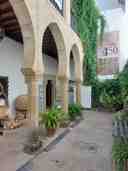
Eigene Seite öffnen →You’re nearly there-look just ahead for a charming, two-story building covered in green ivy, its white walls gleaming in the sunlight. To help you spot it, keep your eyes out for…Mehr lesenWeniger anzeigen
You’re nearly there-look just ahead for a charming, two-story building covered in green ivy, its white walls gleaming in the sunlight. To help you spot it, keep your eyes out for those elegant stone arches along the porch and a big banner that reads “Museo Arqueológico de Úbeda.” The lush ferns, old clay pots, and curled-up vines might convince you you’ve stepped into another century. Take a moment-deep breath. You’re standing right in front of a real treasure chest of history. Welcome to the Archaeological Museum of Úbeda! If the walls could talk, imagine the stories they’d share. That building you see was once hidden until the 1960s-discovered like a plot twist in a detective novel, and it’s actually a fine showcase of Mudejar architecture from the 14th and 15th centuries. Pretty stylish for a place with so many secrets, don’t you think? Back in 1972, the museum began as a simple corner in the Jaén Museum. Thanks to its founder, Rafael Vañó Silvestre-who was so excited about archaeology, he even donated his personal collection-this became a place bursting with things lost and found. Inside, you’ll find ancient treasures dug up from hills and fields around the province: mysterious tools from La Calera, haunting Iberian statues from Castellones de Ceal, and little bronze offerings that might have slipped out of an ancient god’s back pocket. Close your eyes for a moment and picture dust swirling in the air, the faint clang of a chisel, the quiet thrill someone must have felt brushing dirt from these forgotten objects. Every pot, every statue, every chunk of bronze on display once belonged to someone’s daily life or deepest wish. Pretty amazing, right? And now, you get to peek through this window into thousands of years of Úbeda’s story-without having to wield a single shovel! Ready for the next stop? Let’s see what other secrets Úbeda has waiting for us. Just don’t try digging up the patio-you’d give the museum staff a real headache!
Eigene Seite öffnen →If you look just ahead, you’ll spot an impressive stone building rising over the narrow street-a real showstopper for any history lover. Just look for the large, three-story…Mehr lesenWeniger anzeigen
If you look just ahead, you’ll spot an impressive stone building rising over the narrow street-a real showstopper for any history lover. Just look for the large, three-story façade with strong lines and lots of character. At street level, there’s a sturdy wooden door framed by two tall Corinthian columns. Up above, you’ll notice balconies-especially the one on the corner, which looks like it’s ready to peek around and see what’s happening in the next street. The very top has a row of lovely rounded arches, creating a gallery open to the sky. If you ever feel lost, just look for the sunlight catching those bright arches at the top-it’s hard to miss! Welcome to the Cobos Candle Palace, or as the locals call it, the Palacio Vela de los Cobos. Picture yourself here about 500 years ago. It’s the 1500s, and a powerful city councillor, Francisco Vela de los Cobos, decides he needs a showpiece-something that lets everyone know he’s the big cheese of Úbeda. So, he hires the famous architect Andrés de Vandelvira, who’s basically the Renaissance equivalent of a rock star. Just imagine the sound of chisels and voices echoing through these streets, while Jorge Leal, the master stonemason, brings the design to life, one block at a time. The palace’s stone front looks tough enough to keep secrets, but then-bam!-you spot the fancy balconies, the family crest held up by two stone warriors, and that dramatic corner balcony. It’s almost as if the building itself was challenging everyone to a stylish duel. Back in the day, there was even a grand central patio-sadly gone now, thanks to the not-so-generous hands of time. Today, the inside is jam-packed with art and a proper library. And here comes the twist: this is the only palace in Jaén province that’s still used as a private home and also opens its doors for visitors. Imagine living here-though I’m sure the cleaning bill would be enough to make anyone faint! Before you wander off, don’t mix up this place with the other Cobos palace up the road. It’s a different palace, built by a different Cobos-if you’re ever in a palace-themed quiz, this could be your winning fact. So soak up the grandeur, snap a mental photo of those warriors on the balcony, and let’s keep exploring
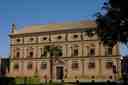
Eigene Seite öffnen →If you’re looking for the Vázquez de Molina Palace, just look for the grand sandstone building ahead that looks like it should have its own dramatic soundtrack. You’ll know it by…Mehr lesenWeniger anzeigen
If you’re looking for the Vázquez de Molina Palace, just look for the grand sandstone building ahead that looks like it should have its own dramatic soundtrack. You’ll know it by its straight lines, perfectly balanced windows with triangular tops, and-if you look up-those round, porthole-style windows and statues standing proudly above them. The entrance is crowned with a peaked stone, and the building itself looks like a very fancy wedding cake-just, well, much harder to eat. As you’re standing here in front, imagine the clatter of horses’ hooves echoing on these stones. This is one of Spain’s greatest Renaissance treasures-built by Juan Vázquez de Molina himself, the right-hand man to King Philip II. The architect, Andrés de Vandelvira, must have loved geometry, because this palace is a perfect quadrilateral, elegantly squared and split into seven neat sections on its front. But it hasn’t always been about power and politics. After Vázquez de Molina passed away, the palace filled with a different kind of hush-the footsteps of Dominican nuns, their soft voices whispering prayers among the grand halls. For a while, this stately home became a convent, and even today, if you went inside, you could see mural paintings that tell stories from those peaceful days. Of course, like a twist in a telenovela, the building was taken over in the 1800s and became the city hall. You can almost hear the shuffle of official papers and the earnest discussions about city affairs. As you look up at the roof, spot the lanterns at the corners-like little crowns marking the palace’s edge. And don’t forget the caryatids-those stone ladies on the second floor, always standing guard. So, whether you imagine this place teeming with power, filled with quiet devotion, or bustling with city business, the walls here have seen more drama than a soap opera marathon. And to think, it all started with a secretary who wanted an office with a view!
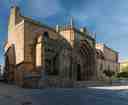
Eigene Seite öffnen →If you look ahead, you’ll spot a grand, weathered stone church rising above the plaza. The walls are golden from centuries of sun, and right at the front, there’s a gothic doorway…Mehr lesenWeniger anzeigen
If you look ahead, you’ll spot a grand, weathered stone church rising above the plaza. The walls are golden from centuries of sun, and right at the front, there’s a gothic doorway with arching stone ribs - it’s hard to miss, almost like the church is reaching out to welcome you! There’s a jagged crown of stone along the roof, looking like a row of castle crenellations, and a tower peeking up near the back. Wide stone steps lead up to the entry, while the sunlight dances across the building’s intricate surface. Welcome to the Church of Saint Paul, one of Úbeda’s oldest treasures! Imagine yourself here hundreds of years ago, the air thick with whispers, heavy doors creaking open for nobles and city council. The church has stood since Visigothic times-that’s seriously old, even by my digital standards! Back then, people came here for much more than church service. This building was Úbeda’s meeting spot-a place where deals were struck, arguments were had, and sometimes the drama in here could rival a soap opera. Bet you didn’t expect a medieval city hall that also tossed in a little bit of heaven! Take a closer look at the front door-locals call it “the carpenters’ gate.” Pretty tough-looking for carpenters, right? It’s Romanesque and solid as a rock. On the south side, the entrance has these sharp gothic arches, all fancy in Isabel’s style. And don’t forget to glance up near the back-see those quirky carvings peeking under the roof? If you squint, you might spot the little dancer jumping, bending, and spinning, surrounded by musicians and jugglers-almost like the church is hosting its own medieval talent show. Towering beside you, the church holds a source of life: a Renaissance fountain, always trickling, always fresh. The roofs above are a checkerboard of two-color tiles, catching the sun like a crown. Inside, the space opens into three aisles and a beautiful ceiling that weaves upward-some say it feels like stepping right inside a storybook. Even after centuries of changes and repairs, the Church of Saint Paul still stands proud, holding secrets from every age. And look around you-this isn’t just any church, it’s a piece of UNESCO World Heritage, keeping all of Úbeda’s stories alive. And if you ever hear tap-tap-tap footsteps or faint laughter, don’t worry-it’s probably just those ancient dancers refusing to leave the party!
Eigene Seite öffnen →

Häufig gestellte Fragen
Wie starte ich die Tour?
Laden Sie nach dem Kauf die AudaTours-App herunter und geben Sie Ihren Einlösecode ein. Die Tour ist sofort startbereit – tippen Sie einfach auf „Play“ und folgen Sie der GPS-geführten Route.
Benötige ich während der Tour Internet?
Nein! Laden Sie die Tour vor dem Start herunter und genießen Sie sie vollständig offline. Nur die Chat-Funktion benötigt Internet. Wir empfehlen den Download über WLAN, um mobiles Datenvolumen zu sparen.
Handelt es sich um eine geführte Gruppentour?
Nein – dies ist ein selbstgeführter Audioguide. Sie erkunden unabhängig in Ihrem eigenen Tempo, wobei die Audioerzählung über Ihr Telefon abgespielt wird. Kein Reiseleiter, keine Gruppe, kein Zeitplan.
Wie lange dauert die Tour?
Die meisten Touren dauern 60–90 Minuten, aber Sie kontrollieren das Tempo vollständig. Pausieren Sie, überspringen Sie Stopps oder machen Sie Pausen, wann immer Sie wollen.
Was, wenn ich die Tour heute nicht beenden kann?
Kein Problem! Touren haben lebenslangen Zugriff. Pausieren Sie und setzen Sie sie fort, wann immer Sie möchten – morgen, nächste Woche oder nächstes Jahr. Ihr Fortschritt wird gespeichert.
Welche Sprachen sind verfügbar?
Alle Touren sind in über 50 Sprachen verfügbar. Wählen Sie Ihre bevorzugte Sprache beim Einlösen Ihres Codes. Hinweis: Die Sprache kann nach der Tour-Generierung nicht mehr geändert werden.
Wo greife ich nach dem Kauf auf die Tour zu?
Laden Sie die kostenlose AudaTours-App aus dem App Store oder von Google Play herunter. Geben Sie Ihren Einlösecode (per E-Mail gesendet) ein, und die Tour erscheint in Ihrer Bibliothek, bereit zum Download und Start.
Wenn Ihnen die Tour nicht gefällt, erstatten wir Ihnen den Kaufpreis. Kontaktieren Sie uns unter [email protected]
Sicher bezahlen mit 


