
Hongkong Audiotour: Audiotour zu Wan Chais charakteristischen Orten
Unter den Neonlichtern und Glastürmen von Wan Chai flackert die Seele des alten Hongkong noch immer in Gassen und versteckten Spielplätzen. Diese selbstgeführte Audiotour führt Sie durch Victorias stattliche Anfänge, durch Gassen, die einst von Rebellion, Romantik und Erneuerung widerhallten. Gehen Sie dort, wo Kolonialgouverneure Grenzen in Stein meißelten und Straßenhändler dem stadtweiten Wandel trotzten. Welcher geheime Funke entzündete einen Konflikt, der einen jahrhundertealten Handel in der Lee Tung Street zum Schweigen bringen sollte? Welche vergessenen Ecken des Southorn Playground wurden zu Schlachtfeldern für Familien, die verzweifelt ihre Stadt zurückerobern wollten? Und welches kuriose Artefakt markiert genau den Ort, an dem die „Zivilisation“ angeblich begann? Entdecken Sie Geschichten, während Sie sich von der Pracht am Hafen zum Trubel auf dem Spielplatz bewegen und Legenden, Skandale und stille Revolutionen unter Hongkongs moderner Oberfläche verfolgen. Gehen Sie zwischen alten Grenzsteinen und belebten neuen Boutiquen hindurch – jede Biegung enthüllt Dramatik hinter den Fassaden. Wagen Sie es, den Spaziergang dort zu beginnen, wo sich die Geschichte offen verbirgt und jedes Straßenschild auf eine tiefere Geschichte hindeutet.
Tourvorschau
Über diese Tour
- scheduleDauer 30–50 minsEigenes Tempo
- straighten3.5 km FußwegDem geführten Pfad folgen
- location_onStandortHongkong, Sonderverwaltungsregion Hongkong
- wifi_offFunktioniert offlineEinmal herunterladen, überall nutzen
- all_inclusiveLebenslanger ZugriffJederzeit wiederholen, für immer
- location_onStartet bei Victoria, Hongkong
Stopps auf dieser Tour
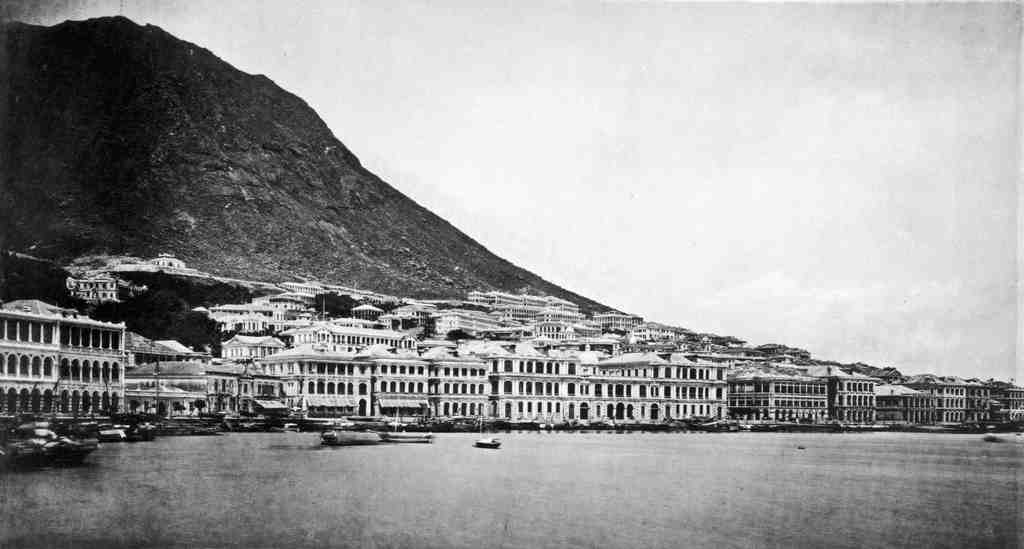
Take a look towards the harbor where a row of grand, colonial-era buildings stretches along the shoreline beneath the steep, looming slope of the mountain rising behind them-this…Mehr lesenWeniger anzeigen
Take a look towards the harbor where a row of grand, colonial-era buildings stretches along the shoreline beneath the steep, looming slope of the mountain rising behind them-this is the historic heart of Victoria, the city where Hong Kong’s story truly began. Alright, traveler, let’s imagine the year is somewhere between the steam-whistle days of the late 1800s and the hopeful hum of early British Hong Kong. Right where you’re standing, the city of Victoria began, its stately buildings a mix of granite dignity and British grit, with the rocky face of what we now call Victoria Peak casting a dramatic shadow over a bustling waterfront. In those early days, if you squinted just right, you might see dock workers rushing along the piers, ladies in parasols fluttering between arcades, and policemen with impressive mustaches giving directions to newly arrived traders-many looking a bit lost, thanks to the irresistible confusion of those twisty streets! Now, here’s a little secret: Victoria was originally supposed to be called Queenstown. Sounds like a place to host tea parties and royal garden gnomes, doesn’t it? But the British, feeling particularly grand (as the British often did), decided to name the city after Queen Victoria herself. From then on, Victoria City boomed. But even if the name “Victoria” has faded in common parlance-replaced by the buzzier “Central”-its legacy is stamped into the very ground you’re walking on. Just check out the names: Victoria Harbour, Victoria Peak, Victoria Park, and even Victoria Prison (because even a city named after a queen needs a place to keep its mischief-makers). The city grew quickly-by 1857, its borders stretched in all directions, broken up into four “rings” or wans: Sai Wan to the west, Sheung Wan-meaning “Upper Ring”-roughly where you’d find Sheung Wan today, Choong Wan (that’s “Central” to you and me), and Ha Wan, now modern Wan Chai. It’s like the city wore a stack of hula hoops, each one buzzing with neighborhoods, families, and the laughter of street hawkers. The area was further divided into no less than nine yeuks, or districts, from Happy Valley all the way to the edge of Kennedy Town-enough little neighborhoods to get lost in at least twice on your way to lunch. Victoria’s boundaries weren’t just a rumor or the stuff of city council squabbles-they were literally carved in stone. In 1903, the Hong Kong government planted boundary stones, each about as tall as your waist, with “City Boundary 1903” etched into the side. Imagine being a government clerk handed a stone and told, “Here, go mark the limit of civilization itself!” Today, a few of those stones are still scattered between Causeway Bay and Kennedy Town. Who says history doesn’t leave its mark? As the decades passed, Victoria took in the tramways and buses, granite storefronts, and brick houses tumbling down toward the foamy edge of the harbor. The city’s lifeblood-its first sixteen streets-spread across Central, the Mid-Levels, and Sheung Wan, every one named after someone important, or at least someone who thought they were important. Imagine Sir John Francis Davis, the second governor, sitting at a table, naming each new street like he was picking out puppies. But don’t let the elegance fool you-Victoria wasn’t always calm. Under these old eaves, you would have heard the hubbub of markets, the squawk of caged birds from old men in bowler hats, and children darting between sedan chairs. With each new year, a layer of history piled up: from the founding letters patent of 1849 to the mixing of British lords and Cantonese traders. And if you stick around long enough, you’ll find that almost every organization worth its salt-be it the Scouts, the Junior Chamber, or the courts-keeps a bit of “Victoria” in their name, a hat-tip to the city that just wouldn’t fade away. So next time someone asks where Hong Kong got its start, you can tell them: right here in Victoria, where the stones still whisper stories of queens, explorers, and everyday city dwellers who made this place the heart of Hong Kong. And if you hear someone call it “Central,” just wink-the city’s old soul never really left. Fascinated by the boundaries, first streets or the boundary stones? Let's chat about it
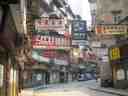
Eigene Seite öffnen →To spot Lee Tung Street, just look ahead for a narrow street with rows of old, colorful shop signs hanging above you, squeezed between mid-rise buildings-it's impossible to miss…Mehr lesenWeniger anzeigen
To spot Lee Tung Street, just look ahead for a narrow street with rows of old, colorful shop signs hanging above you, squeezed between mid-rise buildings-it's impossible to miss those cheerful signboards cluttering the air! Welcome to Lee Tung Street, once known far and wide as “Wedding Card Street”-yes, that’s right, this was Hong Kong’s go-to spot for soon-to-be-wed couples eager for the most beautiful wedding invitations imaginable. Imagine the street as it was in the 1970s: a lively ribbon of shopfronts, each glowing with red and gold paper samples, wedding cards stacked from the floor to the ceiling, and the constant hum of printers working overtime. Back then, the air here was thick with the smell of fresh ink, and the shopkeepers’ banter bounced between the buildings, echoing above the rattle of trams and taxis rolling down Johnston Road. But Lee Tung Street tells a story that’s more than just paper and printer’s ink. In the 1950s, the government encouraged the print shops to gather in this strip, making it easy to keep an eye on any not-so-legal publications, or so the rumors go. By day, it was all about business and wedding joy, but by night, you might imagine a touch of mystery-a poet scribbling verses by lamplight, or underground meeting spots hidden behind the stacks of red envelopes that filled every window. As the decades rolled forward, the wedding invitation trade here exploded; by the 1980s, Hong Kongers from every district made pilgrimages here just to pick out their perfect invitations or New Year’s goodies. There were stories of couples queuing up for hours, bargaining for the most auspicious designs, and arguing over fonts with a seriousness usually reserved for picking out the family’s dinner menu! However, the winds of change were howling. In 1998, the government decided that this bustling slice of life needed a face-lift, one that would sweep away the old, squeeze out the small family businesses, and erect modern towers in their place. Years of debate, planning, and surveys followed-then, despite fierce protests and even a hunger strike by a beloved shop owner, the street fell silent. By December 2007, the old buildings came tumbling down. People watched, heartbroken, as the shops-once so full of life-were replaced with dust and debris, their memories scattering like confetti at a wedding parade. Developers had promised a new “Wedding City,” but what rose was luxury apartments and boutiques with rents so high that almost none of the original shopkeepers could return. One shop owner, Mr. Luk, bravely tried to keep his printing business going elsewhere-only to watch his business plummet, losing the loyal community that made this street special. Another, Ms. Chan, saw nearly half her income disappear after her relocation. Compensation was given, but many said it was just a drop compared to what new apartments would fetch on the market years later. Still, the ghost of old Lee Tung Street lingers. Locals mourned what was lost and made their feelings known-in the charts, no less. In 2008, Kay Tse’s song “Wedding Card Street” shot to number one, acting like a love letter to this lost community, and still hits Hong Kong hearts today. Meanwhile, activists and community groups used Lee Tung Street’s story to campaign for better urban renewal, arguing that a neighborhood’s spirit should be as valued as its real estate. They called for “flat-for-flat” and “shop-for-shop” compensation, fighting to keep communities from vanishing with every construction crane. So as you stand here, picture all of that-the buzz of old printers, the glint of gold foil on red paper, the laughter of newlyweds, and the bittersweet notes of a city saying goodbye. Lee Tung Street may look new on the surface, but its heart is a complex, layered love story between old traditions, new ambitions, and the community that once called this place home. Now, isn’t that a plot twist worthy of a wedding invitation? Seeking more information about the redevelopment, controversy or the lee tung avenue? Ask away in the chat section and I'll fill you in.
Eigene Seite öffnen →
6 weitere Stationen anzeigenWeniger Stationen anzeigenexpand_moreexpand_less
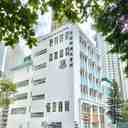
Look for a bright, seven-story white building with blue accents and a school crest near the top; it stands out just ahead of you among the trees and high rises, with large, square…Mehr lesenWeniger anzeigen
Look for a bright, seven-story white building with blue accents and a school crest near the top; it stands out just ahead of you among the trees and high rises, with large, square windows running up each side. Welcome to Hong Kong Tang King Po College! Now, take a deep breath-can you smell the fresh school air and maybe just the tiniest whiff of exam stress? This school, founded way back in 1965, has history built right into its walls-if you listen closely, you might even hear the echoes of generations of students, or at least the faint squeak of sneakers on the corridor floors. In the mid-1960s, when Hong Kong was busy rebuilding and reinventing itself, a legendary philanthropist, Sir Tang King Po, joined forces with the Salesian Society-a Catholic group known for their passion for youth education-and created this boys’ school right here in Wan Chai. Imagine the excitement: classrooms swirling with Cantonese and English, science experiments fizzing, football shoes thumping on the ground, and the confident hope that life could only get brighter with enough study and determination. At first, Tang King Po College did not even have its own home. Its early students spent a year borrowing space from St. Louis School, waiting patiently as the very building in front of you grew from blueprints and bricks into the seven-story “giant” you see now. By 1966, when the new school campus was ready, the feeling must’ve been electric. Even years later, in 1983, another three-story extension was added-and the school was always buzzing with activity. The story of Tang King Po College is not only about architecture, though; it’s about spirit. The students here-nicknamed the “Tangkingporians”-are divided into four very competitive “houses,” each named after Salesian saints. There’s House of Rua in blue, House of Savio in green, House of Versiglia in red, and House of Rinaldi in yellow. Every year, the houses face off-not in a medieval joust, but in fierce contests of knowledge and athletic skill, all hoping to claim the grand trophy: the Bosco Shield. You can almost hear the year-long anticipation! But, of course, school life isn’t just about battles for glory. Tang King Po College is famous for huge arrays of clubs: science, maths, drama, band, dance-you name it! The sound of music filters down from the top floor where students practice for annual singing contests, while in the basement you might hear the click-clack of table football-a tradition here, thanks to the 11 tables set up per Salesian custom. The community spirit goes deeper. The student council fights for more snack options and better Wi-Fi (very important, if you ask me), prefects keep the peace, and everyone gathers for joyful festivals-think Christmas Balls with names like “Sparkles” and “Eternity.” And imagine the energy at the student-decorated New Year’s market stalls, each year with a cheeky animal pun to match the occasion. Inside the classrooms, both English and Chinese ring out, with half the students learning in English since 2012, and the others in Cantonese-except for certain subjects, like Chemistry, calculated to keep brains working at their sharpest. With alumni who have gone on to win everything from architecture prizes to medical awards and even spots in pop bands, the school’s motto might as well be: “From this humble blue-and-white building, anything is possible!” Keep your eyes peeled for the school’s colorful crest-a cross, a sailboat, a mountain, and Victoria Harbour-which reminds everyone that these students are setting sail from Hong Kong, their minds full of hope, guided by faith, and braving that vast ocean of knowledge. So as you stand in the shade looking up at those bright windows, know you’re standing in a spot where generations of “Tangkingporians” have gathered, learned, played, and dreamed. Who knew a simple walk in Wan Chai could open the door to an adventure stretching over decades? For a more comprehensive understanding of the communal system, class structure and subjects or the 學生組織及活動, engage with me in the chat section below.
Eigene Seite öffnen →To spot the Hong Kong Academy for Performing Arts, look for a large, modern white building with geometric patterns and big windows, nestled among trees and facing the harbour - it…Mehr lesenWeniger anzeigen
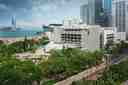
To spot the Hong Kong Academy for Performing Arts, look for a large, modern white building with geometric patterns and big windows, nestled among trees and facing the harbour - it stands out right by the waterfront with the city’s skyscrapers looming behind it. Welcome to the Hong Kong Academy for Performing Arts, or as the locals call it, HKAPA! You’re right in front of Hong Kong’s own creative powerhouse - and it’s hard to miss this big, bold structure, all crisp lines and white concrete, looking a bit like a gigantic stage set, don’t you think? If you imagine a place where music, drama, and dance come to life every day, you’re standing at exactly the right spot. Now, picture this: it’s the early 1980s. Hong Kong is buzzing with energy, high-rises popping up left and right. The Royal Hong Kong Jockey Club, which is usually more about horse races than harpsichords, offers to fund a new mega-project for the city, just like they did with Ocean Park and the Jubilee Sports Centre. The government, never one to turn down a big-ticket idea, comes up with something special: an academy where young creative spirits can train and perform. From the start, this place wasn’t just meant to be another boring college campus. It was designed to be a living, breathing hub for the arts - a bit of a cultural superhero with a very dramatic cape! And what a journey it’s had since then. The main campus you see here opened its doors in the mid-80s, a time when neon lights ruled the streets outside and the cassette Walkman was all the rage. The first building to open was the Administration Block in 1985, and just in time for the 1986 Hong Kong Arts Festival, the Theatre Block followed, complete with a visit from royalty - the Duchess of Kent herself came for the grand opening. Not every college gets a royal stamp of approval and a glittering opera season for a housewarming party! But hold on - this isn’t just a “performers only” zone. Walk through those doors and you’d find six entire schools humming with activity: Chinese Opera echoing from one corner, the tippity-tap of dancers’ shoes from another, the dramatic shouts and whispers of actors, wild creative energy from film and TV students, musicians practicing from dusk till dawn, and technical wizards crafting magic for the stage behind the scenes. HKAPA blends East and West, tradition and innovation - one moment you might hear the ancient rhythms of a Chinese opera drum, the next, Beethoven’s symphony coming from a rehearsal room. Did I mention how packed this place gets? The campus was supposed to be for 600 students, but now it’s pushing well past that, and that’s not counting the little Mozarts and mini-Martha Grahams in their Junior Music and Gifted Young Dancer Programmes. Every year, thousands come for workshops and life-enriching short courses. And when this city wants to put on a show - whether it’s a huge musical or an avant-garde dance piece - there’s a good chance someone from the Academy is in the spotlight. You wouldn’t know from all the shine, but HKAPA has had its share of drama (and I don’t just mean the acting kind)... Imagine managing a school where everyone’s always singing, dancing, and arguing about whether to put the jazz band next to the ballet studio. Space became such an issue that they needed a massive expansion - in 2012, the lawmakers voted in more than $400 million for a new nine-storey annex. That’s a lot of new practice rooms and places for future stars to spill tea (hopefully not literally… musicians and liquids don’t mix!). Governance here is a well-rehearsed ensemble act too: a council, a director, and a unique arrangement that sees them funded directly by the Culture, Sports and Tourism Bureau, not the usual University money pool. Over the years, new directors have taken the baton, like Professor Gillian Choa, the first-ever female lead since the Academy’s founding. Just goes to show - at this school, breaking the mold is practically a graduation requirement! And outside, if you catch a sea breeze and hear faint music wafting on the wind, you might wonder if the campus is rehearsing for another visit from a royal or just celebrating hitting the top 20 in world performing arts rankings (QS, 2025 - how’s that for bragging rights?). So, when you look at this white-clad marvel standing proud by the water, remember: it’s not only a building, but a stage that’s seen countless dreams, dramas, and standing ovations. Who knows? Maybe the next curtain call will have your name on it. Want to give your best dramatic monologue out here? Don’t worry, in Wan Chai, you’ll always have an audience!
Eigene Seite öffnen →To spot Wan Chai, just look ahead to the waterfront - you’ll see a dramatic cluster of glass skyscrapers rising above the harbor, with the eye-catching curved roof of the Hong…Mehr lesenWeniger anzeigen
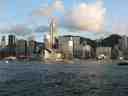
To spot Wan Chai, just look ahead to the waterfront - you’ll see a dramatic cluster of glass skyscrapers rising above the harbor, with the eye-catching curved roof of the Hong Kong Convention and Exhibition Centre right in front. Welcome to Wan Chai! This district, bustling with life, is one of Hong Kong’s oldest and most colorful neighborhoods. Imagine you’re standing here in the early morning - the salty sea breeze in the air, sunlight bouncing off glass towers, ferries chugging by on the shimmering harbor, and the chaotic energy of Hong Kong swirling all around you. Even now, Wan Chai’s landscape is an action-packed mix of shiny new and charmingly old, making it feel like you’re standing at a crossroads of time. But before there were glass towers, there was the original village. Back in the days when Wan Chai was just a sleepy cove - that’s what its name literally means! - local fishermen pulled up their nets near the small Hung Shing Temple. Legend says the fishermen trusted Hung Shing Ye, the God of the Sea, to keep them safe… and maybe to keep their boats from getting tangled like the headphones in your pocket. When the British arrived in 1842, Wan Chai’s sleepy pace didn’t stand a chance. Coolies (laborers), sailors, and traders poured into the area, and streets like Queen’s Road East quickly filled with noisy markets, shipyards pounding with hammers, and the infamous Spring Gardens red-light district buzzing with excitement. In fact, Wan Chai was known as one of the “four rings” of early Hong Kong - alongside Central, Sheung Wan, and Sai Wan - each ring marking a stage of the city’s rapid growth. By the 1850s, Chinese families and businesses flocked here, bringing with them house schools like Dunmei, where kids struggled through classical Chinese texts and Confucian teachings - so if you think your homework is tough, imagine reciting poetry for hours on end. Over on Hennessy Road, churches appeared, including the old Chinese Methodist Church (which got replaced by a 23-story building… because, well, this is Hong Kong, where even churches grow tall). Wan Chai saw its fair share of hard times. During World War II, bombs rained down and desperate people struggled to survive the Japanese occupation. Starvation, hidden stories of courage, and secret resistance movements left scars that persist in the memories of today’s elders. The city’s heartbeat almost faded-but it came roaring back after the war, with Da Pai Dong street stalls serving up hot congee and bustling families reclaiming their city. If you close your eyes, you can almost hear the clatters and laughter of the fabled 1960s: navy men and tourists flocked to Lockhart Road’s neon-lit bars, immortalized in movies like “The World of Suzie Wong.” You’d see shops jammed with sailors’ uniforms, street vendors hawking sweet-smelling herbal tea, and the mingling of cultures from all corners of the world-a little bit wild, a little bit glamorous, and always alive with possibility. But Wan Chai isn’t just about nightlife: today it’s home to offices for both billion-dollar corporations and one-man bands (and both groups vie for the last egg tart in the cha chaan teng at lunch). The Hong Kong Academy for Performing Arts brings in musicians, actors, and dancers, while the Hong Kong Convention and Exhibition Centre hosts everything from book fairs to cosplay competitions-so one moment you might see a business conference, and the next a hundred Spider-Men. This district is a true transportation hub: trams rattle down Johnston Road, MTR trains rush beneath your feet, and ferries zip over to Kowloon, their horns echoing out over the harbor. Wan Chai’s famous urban renewal projects are working to mix old and new-street-mapping the aroma of dumplings from Tai Yuen Street stalls with the soaring height of Central Plaza, the gleaming third-tallest tower in Hong Kong. And on the spiritual side, temples and churches of nearly every faith stand shoulder to shoulder amongst the skyscrapers. The ancient ritual of “villain hitting,” practiced under the Canal Road Flyover, is said to bring luck-yes, it involves old ladies whacking paper figurines with shoes. Now that’s something you won’t find in your average travel guide! So now, standing at the heart of Wan Chai, take a deep breath and look around. Every building, alley and skyline tells a story-of survival, celebration, and transformation. This district has seen it all, and with every sunrise over the glass towers, the story just keeps getting richer…and taller. Curious about the names, community life or the tourism and landmarks? Don't hesitate to reach out in the chat section for additional details.
Eigene Seite öffnen →Look straight ahead for the tallest, shimmering blue and silver skyscraper, with a sharp spire on top and sleek triangular lines cutting boldly into the sky-Central Plaza is…Mehr lesenWeniger anzeigen
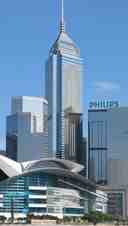
Look straight ahead for the tallest, shimmering blue and silver skyscraper, with a sharp spire on top and sleek triangular lines cutting boldly into the sky-Central Plaza is impossible to miss, proudly rising higher than any of its glassy neighbors. Alright, traveler! Take a deep breath and look up-way up! Welcome to the legendary Central Plaza, a tower so tall it feels like you could give a friendly wave to the clouds on a clear Hong Kong morning. Standing before this 78-storey giant, you can almost hear the heartbeat of the city-busy feet shuffling, engines humming, and the gentle rush of wind whistling around its mighty corners. But believe it or not, this isn’t just any skyscraper. Completed back in 1992, Central Plaza was once the tallest building in all of Asia! It outshined the Bank of China Tower and was only dethroned a few years later when an even taller neighbor rose up in Shenzhen. For four years, this spire was the giant on the block, and even today it’s a close contender-third tallest in Hong Kong, only beaten out by some of its flashier friends across the harbor. Let’s set the scene: It’s the late ’80s. The ground you’re standing on wasn’t always here-Victoria Harbour used to stretch out right beneath your feet, until land reclamation in the 1970s brought new possibilities. When the plot went up for auction in 1989, it was like a scrum at a rugby match-developers jostling, elbows out. In the end, two real estate titans, Sun Hung Kai and Sino Land, teamed up for a jaw-dropping HK$3.35 billion. The stakes were sky high, quite literally! Now, feast your eyes on its unique design. Notice anything different about its shape? Central Plaza has a secret-it's a master of disguise. Unlike the usual boxy towers, this one is almost triangular, with the corners snipped for better office space. This wasn't just for style points, though the architects did throw in some flair. The triangular plan means workers in the offices have an extra 20% chance of catching a view of Victoria Harbour-much more inspiring than looking at another boring wall! At the very top, keep an eye out for the four-bar neon clock. Instead of hands or numbers, this clever clock glows in different colors for every 15-minute slice of time, blinking on the quarter hour so even late-night wanderers can tell when it’s time for a snack or a taxi ride. And if you gaze at the tip, there’s an anemometer perched like a weather wizard, measuring the wind at 378 meters above sea level. Oh, and here’s a twist-the world’s highest church inside a skyscraper is tucked away up there: Sky City Church. Imagine singing hymns with a heavenly view of the harbor and neon-lit skyline! The building itself was a marvel for engineers. Because Central Plaza had to stick its neck above the competition for a clear shot at the harbor, it was built extra tall-and with that came a storm of headaches. Typhoon season could send even the brave shivering, so a wind tunnel study in faraway Canada helped the team design a tower that could handle Mother Nature’s tantrums. Reinforced concrete, not steel, became the hero, saving around HK$230 million and earning the Plaza a medal as the tallest reinforced concrete building in the world-at least until Guangzhou snatched the title away. Don’t miss what’s under your feet, either. There are six stories of basement beneath you, built using a special “diaphragm wall” so construction crews could dig down and build up, all at the same time-talk about working double time! On the ground level, you can wander through an elegant landscaped garden with fountains, shady trees, and stone paths, offering city dwellers a spot to rest their feet in the shadow of this urban giant. Lastly, here’s a little gem for fans of game shows-Central Plaza was the pitstop in The Amazing Race 2! Contestants raced up here, panting and sweating, only to discover the real challenge was on the 46th floor, not the tippy-top. So don’t worry, you won’t have to climb all the way unless you feel adventurous! So, as you crane your neck and take it all in, remember: this extraordinary tower has been a beacon for dreamers, workers, and adventurers since the day its spire first pierced the Hong Kong sky.
Eigene Seite öffnen →
Häufig gestellte Fragen
Wie starte ich die Tour?
Laden Sie nach dem Kauf die AudaTours-App herunter und geben Sie Ihren Einlösecode ein. Die Tour ist sofort startbereit – tippen Sie einfach auf „Play“ und folgen Sie der GPS-geführten Route.
Benötige ich während der Tour Internet?
Nein! Laden Sie die Tour vor dem Start herunter und genießen Sie sie vollständig offline. Nur die Chat-Funktion benötigt Internet. Wir empfehlen den Download über WLAN, um mobiles Datenvolumen zu sparen.
Handelt es sich um eine geführte Gruppentour?
Nein – dies ist ein selbstgeführter Audioguide. Sie erkunden unabhängig in Ihrem eigenen Tempo, wobei die Audioerzählung über Ihr Telefon abgespielt wird. Kein Reiseleiter, keine Gruppe, kein Zeitplan.
Wie lange dauert die Tour?
Die meisten Touren dauern 60–90 Minuten, aber Sie kontrollieren das Tempo vollständig. Pausieren Sie, überspringen Sie Stopps oder machen Sie Pausen, wann immer Sie wollen.
Was, wenn ich die Tour heute nicht beenden kann?
Kein Problem! Touren haben lebenslangen Zugriff. Pausieren Sie und setzen Sie sie fort, wann immer Sie möchten – morgen, nächste Woche oder nächstes Jahr. Ihr Fortschritt wird gespeichert.
Welche Sprachen sind verfügbar?
Alle Touren sind in über 50 Sprachen verfügbar. Wählen Sie Ihre bevorzugte Sprache beim Einlösen Ihres Codes. Hinweis: Die Sprache kann nach der Tour-Generierung nicht mehr geändert werden.
Wo greife ich nach dem Kauf auf die Tour zu?
Laden Sie die kostenlose AudaTours-App aus dem App Store oder von Google Play herunter. Geben Sie Ihren Einlösecode (per E-Mail gesendet) ein, und die Tour erscheint in Ihrer Bibliothek, bereit zum Download und Start.
Wenn Ihnen die Tour nicht gefällt, erstatten wir Ihnen den Kaufpreis. Kontaktieren Sie uns unter [email protected]
Sicher bezahlen mit 


