萨克拉门托语音导览:地标与遗产之旅
在萨克拉门托阳光明媚的天际线下,隐藏着刻在大理石、砖块和传说中的秘密与故事。 在这沉浸式的自助语音导览中,您可以按照自己的节奏漫步,通过大多数旅行者从未听过的故事,探索这座城市的宏伟外观和寂静角落。 哪场权力斗争曾回荡在利兰·斯坦福豪宅的优雅大厅中?萨克拉门托市图书馆发生的哪件奇特事件在其遗产上留下了不可磨灭的印记?一本失传已久的书是如何在加州州立图书馆的档案中引发一场离奇丑闻的? 当每一站都揭示出政治阴谋、隐秘的慷慨、惊人的转变以及除了这些墙壁之外早已被遗忘的时刻时,感受历史在您的脚下流转。让好奇心引导您从书页走向宫殿,踏上一段揭示萨克拉门托充满活力过去的旅程。 翻开第一章——走近些,看看大多数人会错过什么。
导览预览
关于此导览
- schedule持续时间 30–50 mins按照自己的节奏
- straighten2.9 公里步行路线跟随引导路径
- location_on
- wifi_off离线工作一次下载,随处使用
- all_inclusive终身访问随时重播,永久有效
- location_on从 萨克拉门托市图书馆 开始
此导览的景点
The library was first opened in 1918, replacing an older building that was located just one block west. It was designed by the talented architect Loring P. Rixford and was made…阅读更多收起
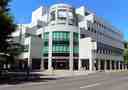
The library was first opened in 1918, replacing an older building that was located just one block west. It was designed by the talented architect Loring P. Rixford and was made possible by a generous $100,000 grant from Andrew Carnegie himself. Isn't it amazing how this library has such a rich history? While the exterior still retains its original charm, the interior has undergone major updates to ensure it meets the needs of modern-day visitors. It's fascinating to see how this landmark seamlessly combines past and present. In recognition of its significance, the Sacramento City Library was added to the National Register of Historic Places in 1992. This designation confirms its importance as a cultural heritage site that deserves to be cherished and preserved. Did you know that the library was built right next to City Plaza Park, which is now known as Cesar E. Chavez Plaza? This proximity creates a wonderful ambiance, inviting visitors to explore both the world of literature and the beauty of nature. The Sacramento Public Library's main goal is to support and serve the over 1.3 million residents of Sacramento County. By utilizing volunteer programs, the library is able to offer a wide range of services and opportunities to the community. Volunteers assist with various tasks, from helping with special projects to supporting the dedicated librarians. So, are you ready to embark on this adventure and explore more fascinating stops in Sacramento? Let's continue our journey and head to the next stop on our tour, the Leland Stanford Mansion.
打开独立页面 →Originally built in 1856, the mansion was once the cherished home of Leland Stanford, the 8th Governor of California and the visionary founder of Stanford University. After the…阅读更多收起
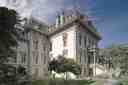
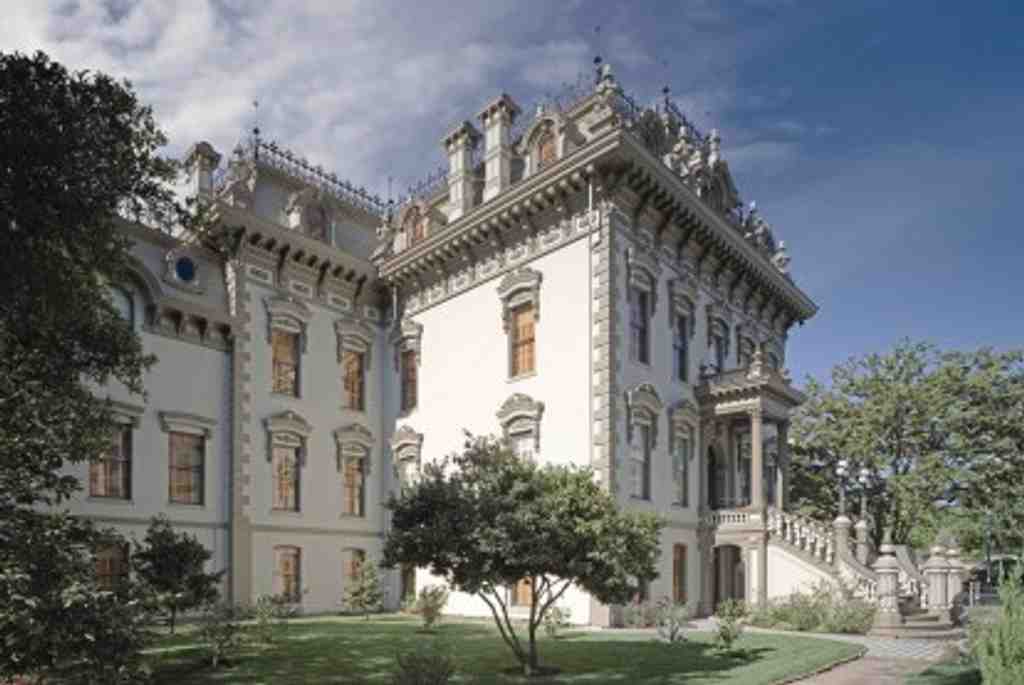
Originally built in 1856, the mansion was once the cherished home of Leland Stanford, the 8th Governor of California and the visionary founder of Stanford University. After the Stanford family donated the estate to the Roman Catholic Diocese of Sacramento in 1900, it became a children's home until 1978. Eventually, the Californian government acquired the property and transformed it into the Leland Stanford Mansion State Historic Park. The mansion's architecture showcases the elegant Renaissance Revival style, which was expertly crafted by the renowned architect Seth Babson, also known for designing the notable E. B. Crocker residence and art gallery that are now part of the Crocker Art Museum. During his governorship, Leland Stanford used the mansion as the state's executive office and living quarters. Subsequent governors, Frederick Low and Henry Huntly Haight, also made this majestic place their office. In 1871, the Stanford family initiated an extensive remodeling project, elevating the mansion by twelve feet to tackle flooding from the Sacramento River and adding two additional stories, expanding the home to an impressive 19,000 square feet. The renovations embraced the popular French Second Empire architectural style, highlighted by a stunning 4th floor Mansard roof. After Leland Stanford's passing in 1893, his wife Jane Lathrop Stanford continued to oversee the mansion. In an act of generosity, she donated the home to the Roman Catholic Diocese of Sacramento in 1900, where it served as an orphanage known as the Stanford and Lathrop Memorial Home for Friendless Children. Over the years, the mansion went through various transformations, from an orphanage to a residence for dependent high school girls. A fire in 1940 brought significant damage to the fourth floor, but thanks to its enduring historical value, the mansion was designated a California Historical Landmark in 1957 and a National Historic Landmark in 1987. Today, after extensive renovation and rehabilitation work that cost $22 million, the mansion welcomes visitors who can explore its grandeur on public tours. It proudly stands as the state's official reception center for international leaders, providing a captivating venue for official functions. So, take a step back in time as we wander through the halls of this remarkable mansion. The Leland Stanford Mansion is not only a testament to California's rich history but also a vibrant symbol of the state's cultural heritage and political significance.
打开独立页面 →The library's mission is to be the state's information hub, preserving California's rich cultural heritage and connecting people, libraries, and the government to the resources…阅读更多收起
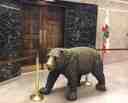
The library's mission is to be the state's information hub, preserving California's rich cultural heritage and connecting people, libraries, and the government to the resources they need to succeed and build a strong California. It also advises and assists California's public libraries, directing funds to support local libraries and statewide library programs. Visiting this library is an absolute delight! Not only can you explore the extensive collections on-site, but you can also access a wide range of services. From reference assistance to braille and recorded books for visually impaired individuals, the California State Library strives to cater to everyone's needs. They also provide access to computers with internet connection, online catalogs, and California state information. One of the library's notable initiatives is "California Revealed," a digitization project aimed at preserving and providing online access to materials documenting the state's history, art, and cultures. It offers financial assistance to community heritage groups, ensuring the preservation and accessibility of valuable resources. The California State Library consists of various sections, including the Bernard E. Witkin State Law Library, Braille and Talking Book Library, California History Room, California Research Bureau, Government Publications, Information Services, Library Development Services Bureau, and the Sutro Library. Each section plays a crucial role in providing specialized services and resources. The law library houses an extensive collection of legal resources, encompassing primary and secondary sources. It is an invaluable resource for legal professionals. The Braille and Talking Book Library, on the other hand, serves as a lifeline for visually impaired individuals, providing them with recorded and Braille books and magazines. For those interested in California's fascinating history, the California History Room is a treasure trove of information. Here, you can dive deep into the stories of California's people, places, and events. It's a fantastic resource for history buffs and researchers alike. So, my friend, take your time exploring the California State Library. Whether you're seeking knowledge, inspiration, or simply a quiet spot to read, this landmark will undoubtedly leave you impressed with its vast collection and commitment to preserving California's rich heritage.
打开独立页面 →
再显示 8 个站点显示更少站点expand_moreexpand_less
As we explore the Capitol Museum, prepare to be enchanted by the basement and first floor of the original section of the building. Descend into the basement to discover the tour…阅读更多收起
As we explore the Capitol Museum, prepare to be enchanted by the basement and first floor of the original section of the building. Descend into the basement to discover the tour office (B-27), a cozy theater showcasing captivating short films delving into the rich history of the Capitol, and a delightful gift shop. One of the standout attractions in the basement is the mesmerizing Arthur Mathews mural titled "History of California," a beautiful visual narrative of the state's past. Moving up to the first floor, you'll have the unique opportunity to step into the meticulously restored offices of prominent figures in California's governance, such as the Secretary of State, Treasurer, and Governor of California. Marvel at the intricate details and immerse yourself in the ambience of a bygone era. Additionally, two rotating exhibit rooms offer ever-changing displays that delve into various aspects of the state's heritage. While the Capitol Museum is a treasure trove of historical wonders, it's essential to highlight the recent change within the rotunda. The marble statue of Columbus' Last Appeal to Queen Isabella, crafted by Larkin Mead, once stood as the centerpiece. However, in 2020, it was thoughtfully decided to remove the statue due to the acknowledgment of the detrimental effects Columbus' arrival had on indigenous populations. Beyond the captivating confines of the museum, the surrounding Capitol Park beckons exploration. Spanning an impressive 40 acres, this verdant oasis boasts a stunning array of flora from around the world. Prepare to be enchanted by the symphony of colors and scents as you meander through the park's 1,140 trees representing over 200 unique species. As we wander through the park, keep an eye out for the remarkable memorials honoring significant events and influential figures associated with California's history. Among the notable tributes are the intricate Earl Warren Walk, commemorating the former Governor and Chief Justice of the U.S. Supreme Court, and the moving El Soldado Tribute to Mexican American Soldiers of World War II. Other noteworthy memorials include the California Peace Officer's Memorial, paying homage to the brave officers who made the ultimate sacrifice, and the enduring California Civil War Veterans plaque, dedicated to the brave veterans of that tumultuous time. You'll also encounter the Senator Capitol Kitty Memorial, tenderly immortalizing a beloved feline resident of Capitol Park. Our journey through the park will take us past the Pioneer Camellia Grove, a beautiful tribute by the Native Sons and Daughters of the Golden West to the courageous pioneers of Sacramento. A life-sized statue of Junípero Serra, a renowned Roman Catholic missionary, adorned with a map of California's 21 missions, will captivate your attention and transport you back to the early days of colonization. The California State Capitol Museum and its enchanting surroundings offer an unparalleled glimpse into the state's vibrant history and rich cultural tapestry. Prepare to be inspired as we continue our exploration of Sacramento's remarkable landmarks.
打开独立页面 →Situated in Sacramento, the capital of California, the Capitol is not only home to the California State Legislature, comprising the Assembly and the Senate, but also houses the…阅读更多收起
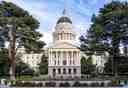
Situated in Sacramento, the capital of California, the Capitol is not only home to the California State Legislature, comprising the Assembly and the Senate, but also houses the offices of the esteemed governor of California. As you wander through its halls, you'll uncover a wealth of history, as well as witness the ongoing legislative process that shapes the state. The Capitol stands proudly at the west end of Capitol Park and the east end of the Capitol Mall, surrounded by stunning grounds. In fact, the entire complex, including the grounds, was added to the National Register of Historic Places in 1973, placing it among the nation's most cherished landmarks. Don't forget to explore the California State Capitol Museum, located on the grounds. Here, you can delve deeper into the rich history, from the building's original completion to its subsequent expansions and renovations. Speaking of renovations, from 1975 to 1982, the California State Capitol underwent an extensive restoration project, ensuring its structural integrity and earthquake safety. Surprisingly, even though Sacramento isn't renowned for earthquakes, the Capitol was affected by two significant quakes in 1892, prompting its renovation. The architectural design of the Capitol draws inspiration from the U.S. Capitol building in Washington, D.C. The majestic west facade captivates with projecting bays and a central portico, supported by seven granite archways. Above the portico, you'll marvel at the sight of eight fluted Corinthian columns and a pediment adorned with a magnificent sculpture featuring Minerva, symbolizing wisdom, surrounded by Education, Justice, Industry, and Mining. Rising above the flat roof is a dome, standing tall at an impressive height of 210 feet. Below the dome, the building boasts beautiful colonnades and Corinthian pilasters, complemented by large arched windows, allowing ample natural light to fill the interior. Inside the Senate chamber, you'll be greeted by regal red decor reminiscent of the British House of Lords. The spacious chamber, accessed through a second-floor corridor, features a captivating coffered ceiling adorned with a reproduction of the original gas chandelier. A hand-carved dais and Corinthian columns frame a recessed bay, where a portrait of George Washington by Jane Stuart proudly hangs. In the California Assembly chamber, located at the opposite end of the building, the decor takes inspiration from the British House of Commons, the lower house. The green tones set the tone for democratic governance, while the dais along the "E" shaped wall houses the rostrum. Look up, and you'll find the Assembly motto, in Latin, reminding legislators of their duty to establish just laws. Immerse yourself in history as you explore the chambers, marvel at the gilded Corinthian columns supporting the gallery, and admire the statues of Minerva, guiding wisdom and knowledge, sculpted by Michael H. Casey. The California State Capitol is not only a stunning architectural achievement but also a testament to the strength and resilience of the state's governance. It's an honor to share this remarkable landmark with you on our tour of Sacramento!
打开独立页面 →What sets this Presbyterian church apart is its unique design and style. It was crafted in what is known as the "Spanish Eclectic" style, influenced by the iconic Hagia Sophia, a…阅读更多收起
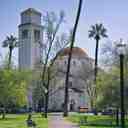
What sets this Presbyterian church apart is its unique design and style. It was crafted in what is known as the "Spanish Eclectic" style, influenced by the iconic Hagia Sophia, a renowned Byzantine masterpiece. The talented Sacramento architects Dean and Dean put their heart and soul into creating this architectural marvel. As you admire the exterior, you'll notice a charming bell tower and a beautifully tiled dome, both adding to the church's grandeur. The building itself is made of reinforced concrete, covered in stucco, and adorned with intricate decorations made of pre-cast cement. These details showcase the meticulous craftsmanship of the era. In recognition of its significance, the Westminster Presbyterian Church has been designated as an American Presbyterian and Reformed Historical Site, numbered as No. 373 by the Presbyterian Historical Society. Walking through its doors, you will not only witness stunning architecture but also step into a place steeped in history and spiritual importance. So, take a moment to soak in the splendor of this unique landmark, capturing the essence of Sacramento's architectural history. It's an absolute pleasure to share the wonders of the Westminster Presbyterian Church with you on this tour.
打开独立页面 →The Cathedral of the Blessed Sacrament, located at the intersection of 11th and K Streets in downtown Sacramento, is not only a religious landmark but also a significant civic…阅读更多收起
The Cathedral of the Blessed Sacrament, located at the intersection of 11th and K Streets in downtown Sacramento, is not only a religious landmark but also a significant civic landmark. It serves as the mother church of the Roman Catholic Diocese of Sacramento, and it is where Bishop Jaime Soto presides. The diocese covers a vast region, stretching from the southern edge of Sacramento County all the way to the Oregon border, and serves approximately 1,000,000 Catholics across its 102 churches. This magnificent cathedral is one of the largest cathedrals west of the Mississippi River. Its grandeur and historical significance make it a fitting place for important events. In fact, it has been chosen as the site for final funeral Masses of former governors of California, including Pat Brown in 1996. Construction of the Cathedral of the Blessed Sacrament started in 1887, showcasing Sacramento's unique architectural strength and rich history. The city is known for its concentration of buildings dating back to the California Gold Rush era, making it a treasure trove of history. Recently, the cathedral underwent a restoration project that beautifully combines Sacramento's past with its vibrant modern life. The story behind the cathedral's creation is also intriguing. The first bishop of Sacramento, Patrick Manogue, had a unique aspiration during the California Gold Rush. Instead of seeking his fortune, he desired to use his earnings to attend seminary college in Paris and become a Roman Catholic priest. Inspired by the grandeur of European cathedrals, Manogue dreamt of building a cathedral in Sacramento. His dream became a reality when he obtained a block of land just one block away from the State Capitol. Manogue designed the cathedral based on L'Eglise de la Sainte-Trinite in Paris, and upon completion, it was the largest cathedral west of the Mississippi River. The architecture features a modified basilica form, spanning approximately 200 feet long and 100 feet wide, with a towering central bell tower reaching a height of 215 feet. The exterior boasts an Italian Renaissance style, while the interior exhibits Victorian influences. Over the years, the cathedral underwent repairs and renovations, which led to a loss of its original stylistic unity. The extensive remodeling from 2003 to 2005 aimed to restore the church's decorative elements and unify its overall design. Significant additions were made, including a Eucharistic chapel, two side chapels, and the re-opening of the dome that had been closed since the 1930s. The Eucharistic chapel, also known as the Blessed Sacrament Chapel, pays homage to medieval chancel screens found in European churches. It allows the tabernacle to remain visible to the congregation while aligning with the high altar. The chapel provides a private devotional space and features gold inscriptions of the words from the Eucharistic hymn Pange Lingua Gloriosi. The restoration project extended to every aspect of the cathedral, from expanded pews and improved lighting to decorative paintings on the interior walls and ceiling. The stunning stained glass windows, a hallmark of the cathedral, were cleaned and restored. Notably, the church now includes a new bishop's cathedra (episcopal chair) and an ambo made of mahogany. Visiting the Cathedral of the Blessed Sacrament allows you to witness the grandeur and historical significance of this remarkable landmark. It truly embodies the unique blend of Sacramento's past and present, and serves as a testament to the city's rich architectural history.
打开独立页面 →Back in the day, the Elks Tower served as the home to the transmitting tower for KRXQ, a popular radio station. But that's not all. When it was first constructed, it was not only…阅读更多收起
Back in the day, the Elks Tower served as the home to the transmitting tower for KRXQ, a popular radio station. But that's not all. When it was first constructed, it was not only a hub for the Elks organization but also had around 100 hotel rooms and a storefront. Impressive, right? However, as time went on, the Elks decided to build a grand new temple to house their lodge. This new temple, made of sturdy brick and steel, reached a soaring height of 226 feet. It was dedicated as the home of the Sacramento Elks Lodge No. 6 on June 22, 1926. Interestingly, in 1968, the thirteenth floor of the Elks Tower became the home of the newly established 98.5 FM radio station, which is known as KRXQ today. It's fascinating to see how this historic building has played such a significant role in the world of broadcasting. Nowadays, the Elks Tower has transformed into a stylish and versatile venue. It can be booked for various events, including weddings and parties. Imagine celebrating a special occasion surrounded by the grandeur of this magnificent building! In 2019, the then-owner of the Elks Tower, Steve Ayers, sought permission to establish a cardroom with a gambling license. However, this request was ultimately denied by the California Gambling Control Commission. While it didn't come to fruition, it's a testament to the building's rich history and its potential for new ventures. So, take a moment to admire the grandeur of the Elks Tower, a symbol of architectural brilliance and a witness to the ever-changing pulse of Sacramento. It's truly a captivating landmark that embodies the spirit of this vibrant city.
打开独立页面 →Designed by the talented Sacramento architect Rudolph Herold, the Masonic Temple stands as one of the most well-preserved architectural period pieces in downtown Sacramento. As…阅读更多收起
Designed by the talented Sacramento architect Rudolph Herold, the Masonic Temple stands as one of the most well-preserved architectural period pieces in downtown Sacramento. As you approach the building, you'll notice its impressive rectangular structure, rising five stories from the ground. The principal south and east elevations feature stunning face brick and intricately patterned terra cotta, adorned with elegant details, beneath a hipped roof parapet adorned with clay mission tile. Vertical bays, separated by exquisite terra cotta-sheathed fluted pilasters, gracefully divide the building's exterior. Along 12th Street, you'll find eight bays, while J Street boasts five. On the north side, facing the alley, the brick surface showcases window openings, with the top floor circling around from the south and east elevations. Overlooking a parking lot on the west side, you'll notice a captivating painted mural that adds a touch of artistic charm. The interior of the Masonic Temple is equally impressive. Divided horizontally into four tiers, the ground floor houses inviting shops, featuring arched clerestory windows, terra cotta spandrels, and shop entries with an angled recessed design. On the second floor, marvellous stained glass windows take center stage, framed by intricate terra cotta moldings that highlight the arches, keystones, and window footings. As you continue up, the third tier surprises you with a band of windows encircling the building. These multi-paned windows, set within fluted pilasters, lend an air of elegance and allow ample natural light to flood the interior spaces. Finally, the top tier captures attention with its brick frieze, terra cotta cornice, and tiled roof parapet, presenting a striking finish to the building's exterior. Approaching the main entrance of the Masonic Temple, prepare to be greeted by two imposing terra cotta figures representing medieval Knights Templar, guarding the segmented arched doorway. Above the entrance, an ornate metal canopy adorned with decorative lamps adds a touch of grandeur. Inside the lobby, you'll find light-colored terra cotta walls, resembling finely laid stone courses, and a grand staircase with a dramatic newel post and balustrade. Marvel at the marble steps, risers, and the intricate patterned terra cotta tile flooring. Look out for captivating figured shields, symbolizing the deep brotherhood of Masonry, adorning the lobby's side walls. The Sacramento Masonic Temple is truly a testament to the city's rich architectural heritage and the historic importance of the Masonic fraternity. It stands as a majestic reminder of the past, and as a space that has witnessed countless treasured memories and events.
打开独立页面 →Let me tell you an interesting story about the origins of this fountain. It was commissioned by Florence Coleman, who generously bequeathed $30,000 to the city of Sacramento in…阅读更多收起
Let me tell you an interesting story about the origins of this fountain. It was commissioned by Florence Coleman, who generously bequeathed $30,000 to the city of Sacramento in memory of her late husband, William Coleman. The talented sculptor Amanda Austin was initially chosen in 1916 to create the fountain. However, sadly, she passed away the following year, delaying the project. It wasn't until a decade later, in 1924, that the renowned sculptor Ralph Stackpole was selected to bring this magnificent piece of art to life. Stackpole's vision came to fruition on February 26, 1927, when the William Coleman Memorial Fountain was officially dedicated. Now, let's take a closer look at the fountain itself. One of its outstanding features is the bas-reliefs of three female figures delicately carved into the stone. These figures symbolize the three main rivers of the area - the majestic Sacramento River, the powerful American River, and the graceful Feather River. What's fascinating is that Stackpole's artistic style for this fountain was greatly influenced by his admiration for the renowned Mexican artists Jose Orozco, Diego Rivera, and Frida Kahlo. Their captivating work inspired Stackpole to infuse a touch of their artistic essence into this magnificent creation. So, take a moment to appreciate the intricate details and the symbolism of this beautiful fountain. It not only serves as a tribute to William Coleman but also stands as a testament to the rich cultural heritage and artistic inspiration that flows through Sacramento.
打开独立页面 →O. Wilson has referred to Cesar Chavez Plaza as "an urban biodiversity hotspot" for its diverse population of birds, insects, and other wildlife. So not only is it a vibrant and…阅读更多收起
O. Wilson has referred to Cesar Chavez Plaza as "an urban biodiversity hotspot" for its diverse population of birds, insects, and other wildlife. So not only is it a vibrant and historically significant location, it is also a place where nature thrives amidst the bustling city streets. Cesar Chavez Plaza has been a hub of activity for over a century, hosting a variety of events that bring the community together. The Farmers' Market is one of the highlights, offering fresh produce and goods from local farmers. Music concerts and community rallies also take place here, adding to the lively atmosphere of the park. Stretching across an entire city block, Cesar Chavez Plaza stands on the grounds of the Old City Plaza, originally established by John Sutter in 1849. Its layout and design have evolved over time, with elements from the original plan still visible today. The central fountain, circular pathways, and cross-axial walkways create a harmonious and inviting space for all who visit. Surrounding the park are notable buildings with remarkable architecture, including the Sacramento City Hall, Citizen's Hotel, Central Library, and Federal Post Office Building. These architectural gems add to the charm of the area, creating a picturesque backdrop for the park. Cesar Chavez Plaza has a rich history and has been recognized as a significant cultural resource by being listed on the city's Register of Historic and Cultural Resources. Efforts to revitalize the downtown core have utilized the park as a catalyst for attracting residents and businesses to the area. Renovations have taken place over the years to enhance and adapt the park to meet the changing needs of the public. The most recent renovations in 2012 brought new features such as turf, planter boxes, and raised concert stages, ensuring that Cesar Chavez Plaza remains a modern and inviting gathering place. The park's popularity is evident through the various events and activities that take place throughout the year. The weekly farmer's market, concerts, and the Raley's Grape Escape are just some of the events that draw people in. Additionally, the plaza is home to the beloved Cafe Soleil, a restaurant serving delicious breakfast and lunch options. In recognition of its outstanding design, historical significance, and frequent use, Cesar Chavez Plaza was honored as a Great Public Space by the American Planning Association. It has become a symbol of community, resilience, and vision for the future. While the park is cherished by the community, it is also important to acknowledge the challenges it faces. Cesar Chavez Plaza has become a place where many homeless individuals find temporary shelter. It serves as a reminder of the ongoing issues and complexities faced by our society. As we conclude our tour at Cesar Chavez Plaza, take a moment to appreciate the rich history, vibrant atmosphere, and the connections it fosters between people, nature, and the city.
打开独立页面 →
评论
常见问题
如何开始导览?
购买后,下载 AudaTours 应用并输入您的兑换码。导览将准备好立即开始--只需点击播放并按照 GPS 引导的路线行驶即可。
导览期间我需要互联网吗?
不需要!开始前下载导览并完全离线享受。只有聊天功能需要互联网。我们建议在 WiFi 下下载以节省移动数据。
这是导游带领的团体游吗?
不是--这是自助语音导览。您按照自己的节奏独立探索,通过手机播放音频解说。没有导游,没有团体,没有时间表。
导览需要多长时间?
大多数导览需要 60-90 分钟才能完成,但您完全控制节奏。随时暂停、跳过站点或休息。
如果我今天无法完成导览怎么办?
没问题!导览具有终身访问权限。随时暂停和恢复--明天、下周或明年。您的进度已保存。
有哪些语言可用?
所有导览均提供 50 多种语言版本。在兑换代码时选择您的首选语言。注意:导览生成后无法更改语言。
购买后我在哪里访问导览?
从 App Store 或 Google Play 下载免费的 AudaTours 应用。输入您的兑换码(通过电子邮件发送),导览将出现在您的资料库中,准备下载并开始。
如果您不喜欢该导览,我们将退款。请联系我们 [email protected]
安全结账使用