奥沃索语音导览:工业与创新的回响
在奥沃索,维多利亚式豪宅投下长长的阴影,工厂汽笛声曾主宰黎明,秘密在这些宁静的角落里徘徊。这个自助语音导览将带您探索鲜为人知的路径,发现隐藏的丑闻、建筑奇迹,以及大多数游客忽略的宏伟立面背后那些开拓者的激烈故事。 谁在莱曼·伍德沃德家具和棺材公司冒着一切风险智胜对手?即使现在,什么神秘的标记仍萦绕在埃比尼泽·古尔德故居的大厅里?密歇根大道上的一场臭名昭著的决斗如何几乎因一把椅子而引发全市恐慌? 漫步于绿树成荫的大道和历史悠久的砖墙之间,一步步看着逝去的时代重现生机。每一次转弯都揭示出新的戏剧或喜悦。这座城市的挣扎、宏伟和抱负,如同电影胶片般在您眼前展开。 准备好深入探索了吗?按下播放键,让奥沃索揭示她不为人知的故事吧。
导览预览
关于此导览
- schedule持续时间 30–50 mins按照自己的节奏
- straighten1.1 公里步行路线跟随引导路径
- location_on
- wifi_off离线工作一次下载,随处使用
- all_inclusive终身访问随时重播,永久有效
- location_on从 老米勒医院 开始
此导览的景点
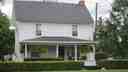
Look for a two-story white clapboard house with a broad front porch running the full width of the building and a sharply peaked gable roof facing the street-it's tucked behind…阅读更多收起
Look for a two-story white clapboard house with a broad front porch running the full width of the building and a sharply peaked gable roof facing the street-it's tucked behind some neatly trimmed shrubs and shaded by leafy trees. Now, as you’re standing here, imagine the year is 1908. The air smells faintly of sawdust and new beginnings, and all around you is the bustle of small-town Michigan. But this house you’re looking at? It’s more than just a home. When Mary Miller bought this place, it was an ordinary clapboard house, possibly an old barn in disguise. She must have taken one look at its creaky floors and crooked porch and thought, “Hospital!”-as you do. With just one extra nurse, Mary transformed her living room into an operating room, and her bedroom into patient beds. Doctors would hurry over with patients needing more care than a house call could offer, and for a while, medical miracles happened under this very roof with little more than determination and elbow grease. By 1910, the townsfolk realized what a treasure the Miller Hospital was, and bit by bit, the hospital grew-another operating room popped up, and soon you had a ten-bed facility! In 1916, Mary handed things over to Bertha Bowman, and not long after, the town built brand new hospitals. But everything started right here, in the humble home that dared to dream big. If these walls could talk, they’d have some pretty impressive tales-and maybe ask if you’ve washed your hands!
打开独立页面 →Standing in front of you is a grand red-brick building with a strong rectangular shape, tall double-hung windows, and a central doorway framed by a stone plaque that proudly reads…阅读更多收起
Standing in front of you is a grand red-brick building with a strong rectangular shape, tall double-hung windows, and a central doorway framed by a stone plaque that proudly reads “LINCOLN SCHOOL 1915”-just look for the bold, classical lines and the symmetrical windows. Here’s a place with more personalities than your average chameleon. Back in 1915, Owosso had so many students that the town decided it was time to give the tired old Union School a break-so along came this beauty, designed by Samuel Dana Butterworth and built by the Rickman Sons Company. The halls buzzed with schoolkids and the scent of chalk until 1980, when Lincoln School finally hung up its coat as an elementary school. After that, it stopped playing host to spelling bees and instead moonlighted as a storage stash and headquarters for the district’s maintenance crew. In 2005, the building switched gears again, transforming into Lincoln Alternative Education High School, where it welcomed students until 2011-then, just to keep things dramatic, it stood silent and empty for several years. But, like any good underdog story, a transformation was brewing. In 2018, the old school reopened its doors, but this time as Lincoln House Apartments, where the echoes of students’ laughter have been replaced by the clatter of coffee cups and microwaves. From classrooms to cozy homes, this building has truly aced every chapter!
打开独立页面 →You’ll spot the Michigan Avenue-Genesee Street Historic Residential District right in front of you-just look for the beautifully detailed houses lined up close together, showing…阅读更多收起
You’ll spot the Michigan Avenue-Genesee Street Historic Residential District right in front of you-just look for the beautifully detailed houses lined up close together, showing off decorative woodwork and porches, some painted in deep greens and soft yellows, on narrow streets that practically invite you to imagine the stories within. Now take a moment to stand still and imagine yourself in the late 1800s, boots clicking on a strip of brick road, surrounded by the sounds of new industry and dreams taking root. This district sprang up as Owosso flourished-factories buzzed nearby, the commercial district boomed, and the city drew in fine craftsmen eager for a patch of opportunity. Shopkeepers and skilled workers built their lives here, and with every new family, another home appeared-each one as unique as its owner. You’ll find 32 houses, almost all from the 1800s, showing off everything from Greek Revival dignity to Queen Anne whimsy, and Eastlake’s playful flourishes. There’s the Eli Gregory house at 416 Genesee, standing tall since around 1860-the oldest in the neighborhood. It started out classic and dignified, then got a fancy French Second Empire upgrade by Mayor Gregory himself. Then, over at 220 Michigan, Granville North built a proud Queen Anne home before passing it to Charles Rigley, who ran the Estey Manufacturing Company. Just down the way, you’ll see the Louis Hall Residence with its elegant, columned porch-maybe not a Greek god, but those Ionic columns sure try! And don’t miss the Samuel Gardner house, where intricate Eastlake trim dazzles the eye and hints at the parade of craftspeople who lived inside-all telling stories with every carved spindle and pane of glass. Imagine laughter spilling out of open windows on summer evenings, neighbors sharing a wave as they hurry to work in the factories or shops. Through all these years, the care poured into these homes has kept the neighborhood strong and inviting-each house a chapter in Owosso’s ever-evolving story.
打开独立页面 →
再显示 4 个站点显示更少站点expand_moreexpand_less
To spot the Ebenezer Gould House, look for the red wooden house with white trim, a gable roof, two tall chimneys, and a cozy porch nestled between neatly trimmed hedges and…阅读更多收起
To spot the Ebenezer Gould House, look for the red wooden house with white trim, a gable roof, two tall chimneys, and a cozy porch nestled between neatly trimmed hedges and towering evergreens. Now, let’s take you back in time-it’s the 1840s, and you’d hear the steady as Ebenezer Gould arrives in Owosso, ready to make his mark. He starts out with a modest grocery store, but soon upgrades his living situation and builds this sturdy T-shaped Greek Revival house. Just picture Ebenezer on that porch, sleeves rolled up, chatting about groceries and riverboats with neighbors. Soon, though, the story takes a twist: Ebenezer hangs up his apron and picks up the law books, helping form the Owosso and Saginaw Navigation Company. Thanks to him, the Shiawassee River was cleared for boats-imagine the excitement as those first vessels made their way through town! But wait, there’s more: when the Civil War broke out, guess who grabbed his uniform and headed south? That’s right-our very own Ebenezer, who’d return home as a colonel, medals gleaming. The echoes of those days linger here, along with tales of courthouse drama and victories in the river that made Owosso bustle. Years rolled on and new stories moved in. Lyman E. Woodard, the furniture and casket king himself, once called this house home. Fast-forward to the 20th century, the Storrer family moved in-then in 1991, the house itself packed up and rolled through town, landing at Corunna Historical Village to escape the jaws of a McDonald’s bulldozer! Now, maintained by passionate volunteers, the Gould House stands as a time traveler’s dream, ready for the next story-you, standing right here, adding your own footsteps to its wooden porch.
打开独立页面 →To spot the Lyman Woodard Company Workers' Housing, just look for a big, two-story red brick building on the corner with a line of tall windows framed in red and a big sign that…阅读更多收起
To spot the Lyman Woodard Company Workers' Housing, just look for a big, two-story red brick building on the corner with a line of tall windows framed in red and a big sign that reads “H.K. Allen Paper Co.” Alright, you’re standing in front of a piece of Owosso history, but don’t be fooled by the paper company sign-this red-bricked building once buzzed with the laughter and conversations of Lyman Woodard’s workers. Imagine it’s the 1880s: the air is filled with the smell of cut wood and varnish from the factory next door, and footsteps echo up and down these very sidewalks as young craftsmen hustle into their new, temporary home. Woodard needed talent for his bustling furniture and casket business, but Owosso’s housing market was tighter than a jam jar lid. So, what’s a clever businessman to do? Build his own lodging, right here beside the factory! Workers would hurry between the cheerful rows of tall arched windows you see; maybe they’d peek out at lunchtime, eyeing the competition’s factory across town, plotting how to out-craft them. Over the years, the building’s purpose changed, switching from hardworking housing to commercial hustle, but if these old brick walls could talk, they’d whisper about camaraderie, ambition, and maybe a few arguments over whose turn it was to stoke the stove on a cold Michigan morning.
打开独立页面 →You’re looking for a huge, red-brick factory complex on your left, with rows of tall, arched windows stretching five stories high and “Owosso Casket Company” still painted proudly…阅读更多收起
You’re looking for a huge, red-brick factory complex on your left, with rows of tall, arched windows stretching five stories high and “Owosso Casket Company” still painted proudly near the roof. Picture yourself in the late 1800s: Owosso is bustling, and the air is thick with sawdust and the clack-clack of machinery. This massive building, brainchild of Lyman E. Woodard, was the beating heart of not just furniture-but a casket empire! Lyman, who moved here from New York, wasn’t just your average carpenter. He built his business like a buffet-offering everything from plain pine beds to fancy walnut masterpieces. If you had money, you could sleep in luxury. If you were on a budget, well, at least you had somewhere to lay your head. By 1885, he’d gotten so successful that he put up this sprawling place-right at the corner of Cass and Elm. In 1888, disaster struck when a fire roared through part of the factory, but Lyman wasn’t one to be kept down; he rebuilt the same year, hammering away, determined to keep business running. When Lyman passed in 1904, his sons took over, focusing their energy on furniture and the casket world. Strangely enough, the flu epidemic of the 1910s made business boom-let’s just say demand for caskets was, unfortunately, at an all-time high. By the 1920s, this was the world’s largest casket maker, filling trains with their creations from right here. But the Great Depression wasn’t a friend to anyone, not even the Woodards. By 1942, the family’s original companies were gone, and Lee Woodard started over, this time with metal furniture. The building in front of you saw it all: fortune, fire, growth, and survival. Imagine workers pouring out those doors at shift change, or the sound of busy hands in every window. Today, it stands mostly silent, like a giant brick memory box, keeping Owosso’s wild industrial dreams alive.
打开独立页面 →To spot the Lee Woodard and Sons Building, look for a massive four-story red brick factory with rows of arched windows-it’s right in front of you, dominating the view along South…阅读更多收起
To spot the Lee Woodard and Sons Building, look for a massive four-story red brick factory with rows of arched windows-it’s right in front of you, dominating the view along South Elm Street. Now imagine it’s the year 1900: the air hums with the clatter of saws and the scent of fresh-cut wood. Lyman Woodard, legendary for his furniture and casket company, has just built this brick giant to keep up with booming demand-but trouble’s brewing. Just four years later, Lyman passes away, throwing the company into crisis. Enter Lee Woodard-son, savior, and soon-to-be metal furniture mastermind! With wood in decline, Lee has a wild idea: swap out the saws for metal presses. Soon, those arched windows flicker with torchlight and the clang of metal beats through the building. In the Great Depression, things took a nosedive again, but Lee turned the factory into a war machine, churning out parts for World War II. When peace returned, so did the furniture-this time, all metal, and once again the business thrived. Decades passed, and by 1995, they’d outgrown this spot, moving elsewhere. But these sturdy walls didn’t rest for long: today, the factory has new life as the Woodard Station Lofts, where stylish living meets industrial legacy. You’re standing where Owosso’s grit and ingenuity turned metal into magic-now that’s a solid finish!
打开独立页面 →
常见问题
如何开始导览?
购买后,下载 AudaTours 应用并输入您的兑换码。导览将准备好立即开始--只需点击播放并按照 GPS 引导的路线行驶即可。
导览期间我需要互联网吗?
不需要!开始前下载导览并完全离线享受。只有聊天功能需要互联网。我们建议在 WiFi 下下载以节省移动数据。
这是导游带领的团体游吗?
不是--这是自助语音导览。您按照自己的节奏独立探索,通过手机播放音频解说。没有导游,没有团体,没有时间表。
导览需要多长时间?
大多数导览需要 60-90 分钟才能完成,但您完全控制节奏。随时暂停、跳过站点或休息。
如果我今天无法完成导览怎么办?
没问题!导览具有终身访问权限。随时暂停和恢复--明天、下周或明年。您的进度已保存。
有哪些语言可用?
所有导览均提供 50 多种语言版本。在兑换代码时选择您的首选语言。注意:导览生成后无法更改语言。
购买后我在哪里访问导览?
从 App Store 或 Google Play 下载免费的 AudaTours 应用。输入您的兑换码(通过电子邮件发送),导览将出现在您的资料库中,准备下载并开始。
如果您不喜欢该导览,我们将退款。请联系我们 [email protected]
安全结账使用 



