AudaTours logoAudaTours

肯特语音导览:地标与遗产的隐藏故事

语音指南10 景点

在肯特宁静的街道下,秘密社团曾在此密谋,大学激进分子与政客发生冲突,工业的轰鸣声彻夜回荡。 通过这个自助语音导览,探索这座城市隐藏的角落,站在历史转折点——而大多数游客只是匆匆路过的地方。让每一站都揭示那些融入旧砖块和彩色玻璃中的不为人知的故事。 谁领导了一场轰动一时、永远改变肯特命运的叛乱? 俄亥俄州立师范学院地板下保存着什么不为人知的秘密? 哪位产业工人的一次小小的反抗行为引发了众怒和私语的丑闻? 从一神普世教会宁静的庭院,到工业区轰鸣的中心,再到学术阴谋的大厅。每一步都揭示了戏剧性事件、新发现以及对肯特非凡过去的全新视角。 准备好揭开肯特街头依然存在的秘密了吗?现在就开始聆听吧。

导览预览

map

关于此导览

  • schedule
    持续时间 30–50 mins按照自己的节奏
  • straighten
    3.9 公里步行路线跟随引导路径
  • location_on
    位置肯特, 美国
  • wifi_off
    离线工作一次下载,随处使用
  • all_inclusive
    终身访问随时重播,永久有效
  • location_on
    从 罗克韦尔球场(肯特州立大学) 开始

此导览的景点

  1. If you visited here nearly a century ago, you’d see the Kent State Golden Flashes football team kicking off for the very first time in 1920. Their home opener? Let’s just say it…阅读更多收起

    If you visited here nearly a century ago, you’d see the Kent State Golden Flashes football team kicking off for the very first time in 1920. Their home opener? Let’s just say it wasn’t exactly a Cinderella story-a 7-0 loss to Bowling Green. But hope springs eternal! Over the next twenty years, this field saw baseball, men’s track, and even high school games. Rumor has it, so many visiting teams complained about the rough field that the student paper called it “an embarrassment.” But hey, the Flashes ran undefeated here from 1929 to 1931-nothing boosts school spirit like not losing once for three years straight! The field was named for David Ladd Rockwell, a man whose importance to Kent State can’t be overstated. He was a city mayor, a board member, and a driving force behind getting the very first campus built right here in little old Kent, Ohio. His legacy still echoes, not only in the Commons but also in Rockwell Hall, which started life as the university’s first library. Oh, but Rockwell Field wasn’t always about touchdowns and home runs. Over time, the university blossomed. New buildings, walkways, and dorms like Engleman Hall crowded around the field. The once-remote edge of campus became the beating heart of student life. As the years rolled by, the humble field evolved into Rockwell Commons, a green oasis where you could find intramural sports, picnics, or just groups of students lazing in the sun. But if you think Rockwell Field is just about old sports legends, think again. This place was front and center during some of the most tense, emotional chapters in American history. In the 1960s and 70s, it became a gathering spot for student protests-none more famous than the Kent State shootings in May 1970. During those tense days, you would have seen crowds chanting for peace, heard the passionate calls for justice, and watched as the Victory Bell-donated by a local railroad and perched on the field’s edge-rang to signal the start of demonstrations. Today, that same Victory Bell is still rung every year at exactly 12:24 p.m. on May 4, a ritual honoring those who lost their lives or were injured during the shootings. After the big move to new and shinier athletic complexes in the early 1940s, some argued Rockwell Field should become a massive parking lot. Others disagreed and wanted to keep it as a space for students to enjoy. The solution? A little bit of both-which, you’ll notice, is the kind of compromise universities excel at. As the years went on, Rockwell Commons kept its spirit alive, seeing everything from ROTC drills to fiery speeches, and even serving as a site for the annual commemoration of the May 4 tragedy. So, as you stand here, take in the open air and imagine all the moments-triumphs and heartbreak, games won and lost, brave voices in protest and laughter in the sunshine. Rockwell Field is still a place for gathering, remembering, and maybe even running around if you’re feeling inspired. Just watch out for any leftover rocks. I wouldn’t want you writing your own embarrassing headline in the Kentonian!

    打开独立页面 →
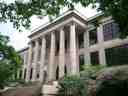
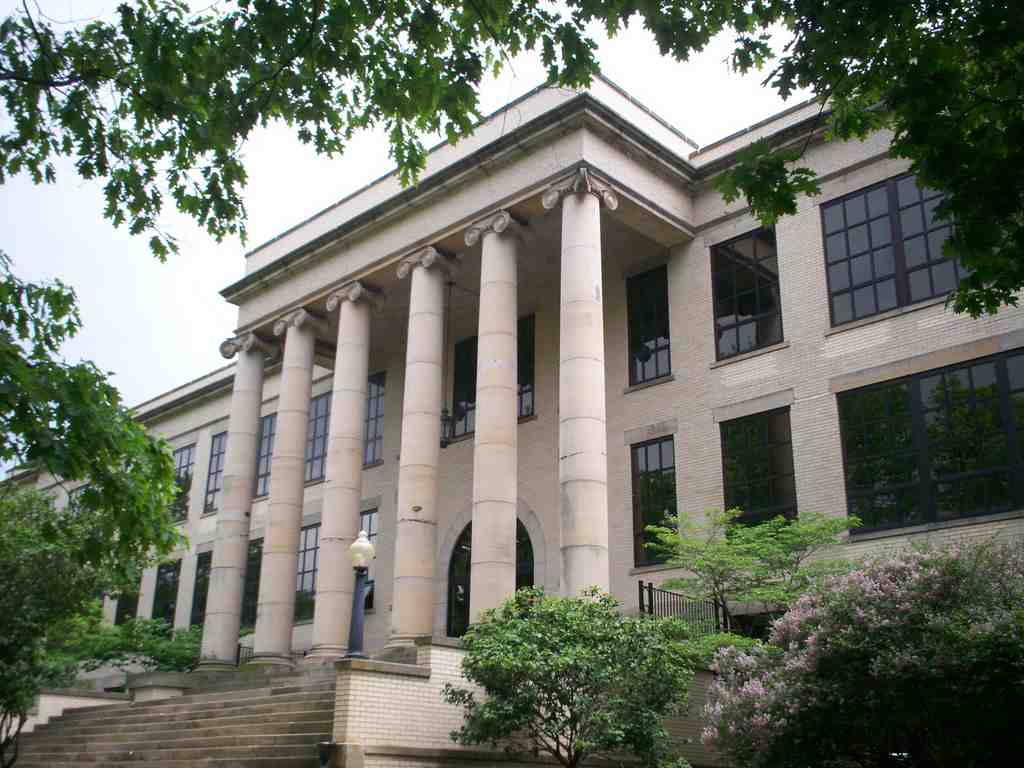
  2. Straight ahead, you’ll spot a stately building with huge stone columns lining the entrance-just look for a row of pillars stretching up above the leafy trees and you’ll know…阅读更多收起

    Straight ahead, you’ll spot a stately building with huge stone columns lining the entrance-just look for a row of pillars stretching up above the leafy trees and you’ll know you’ve found the Ohio State Normal College at Kent. Now, take a deep breath and picture yourself standing here over a hundred years ago, when this very spot was fields and farmland instead of a center for learning. Back in 1910, folks in Kent were on the edge of their seats, nervously sweeping their porches and peeking out their windows as word spread: the governor had signed a law bringing a brand-new teacher’s college to northern Ohio. Communities from all around wanted to host it, and a search commission came rolling into Kent, looking for the perfect patch of land. Imagine the excitement as townsfolk whispered about the commission’s surprise visits and last-minute decisions. Would Kent be chosen, or would the dream slip away? Who could have guessed that it would be the old William S. Kent farm, right at the corner of East Main and South Lincoln, that would go down in history? The telegram arrived like a lightning bolt-Kent had been chosen! And what better way to celebrate than with a little naming confusion? For a while, this place was called "Ohio State Normal College at Kent," a bit of a tongue-twister, but soon enough, it became Kent State Normal School, named for William S. Kent himself. It’s the only public university in Ohio named after a real person-so the next time you’re stuck on a trivia night, that one’s on the house. The real magic kicked off in June of 1912, when the townsfolk gathered for a grand ceremony to lay the first stone for Merrill Hall on top of what was then "Normal Hill"-the highest point in the area, with a view over the whole city. There was a parade, plenty of proud speeches, and a time capsule filled with photos and treasures from the day. By the summer of 1913, Merrill Hall opened its doors to the first 47 students and 20 brave faculty members. That’s right-just 47. So if you’ve ever felt self-conscious about a tiny seminar class, imagine being in the very first one here, wondering if the other 46 were going to show up! Back then, all the action happened in Merrill Hall: lessons, the library, even basketball games in makeshift gyms. Lowry Hall opened not long afterward as the women’s dorm-originally called "Walden Hall," thanks to its peaceful, pond-like setting. Fast forward to 1915, and the Administration Building (now Cartwright Hall) and Science Hall (now Kent Hall) opened their doors. Sack lunches, chalk dust, and the echoes of bouncing basketballs filled the air. Science Hall wasn’t just about beakers and Bunsen burners-it was where the University School began, a place buzzing with young voices until 1927. Over the years, the buildings grew and changed. The original campus plan dreamed big, even hoping for a fancy dome on the Administration Building-spoiler alert, it was never actually built (let’s just say some architectural dreams cost a bit too much). More dorms sprouted up, more classes moved in, and, during World War II, Lowry Hall even housed aviation trainees. Imagine the flurry of uniforms and the whir of war-time excitement in those hallways. The decades rolled by with new additions, like Wills Gymnasium and a student union, and the old buildings got some much-needed makeovers as Kent State grew. By the 1970s, the heart of campus shifted, and the original five buildings were given new roles-Sociology in Merrill, Anthropology in Lowry, Psychology in Kent Hall, and so on. Today, these mighty columns still stand, a lasting reminder of Kent’s leap of faith more than a century ago, and the generations of teachers, thinkers, and dreamers who began their journey right here. If you listen closely, maybe you’ll catch a whisper from the past-a hint of chalk on slate or the distant cheer of a victorious basketball team-welcoming you to Kent State’s proud beginnings.

    打开独立页面 →
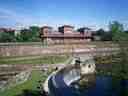
  3. To spot the Kent Industrial District, look for the bold red-brick train depot with three symmetrical towers, just past the old stone walls and the gentle curve of the river with a…阅读更多收起

    To spot the Kent Industrial District, look for the bold red-brick train depot with three symmetrical towers, just past the old stone walls and the gentle curve of the river with a waterfall-it's right beyond the train tracks, watching over the heart of downtown. Welcome to the Kent Industrial District! Take a deep breath and listen for the rush of water over stone-the Cuyahoga River is working hard just as it did two centuries ago. Imagine it’s the late 1830s: the smell of wet earth and sawdust is in the air, and you’d probably hear the distant crack of hammers and saws as workers build new mills and factories along these banks. Early settlers, drawn by dreams of using river power, built their first gristmill right here in 1807. Picture a landscape buzzing with optimism, as boats glide through the Pennsylvania and Ohio Canal built a few decades later. People hoped to turn this little village into a silk-making empire-yep, silk! But then, as luck would have it, silkworms are pickier than you’d expect about Ohio weather. The silk dream fizzled faster than you can say “cocoon,” thanks in part to the Panic of 1837 and some chilly mornings. But every cloud has a silver lining-this canal brought a surge of new buildings and speculation, and soon, you’d see a 19-foot stone arch dam and a sturdy canal lock right here. Zenas Kent, father to the city’s namesake Marvin Kent, jumped in with both boots: he built a flour mill and a tannery just south of here. The tannery even had a famous temporary partner-John Brown, a man you might remember from your history books, long before his raid on Harper’s Ferry. Fast forward and the soundscape changes. Hear workers calling out in the distance and the steady as, in the 1850s, Marvin Kent himself-let’s call him the original Mr. Kent-takes his shot at industry by starting up the Franklin Mills Cotton Company. They build a grand, five-story factory on the old silk mill site. But like a cake forgot in the oven, it’s all outside, no inside; investors pull out and the shell stands empty for over twenty years. Along comes James Turner from Jamestown, NY, who transforms it in 1878 into a bustling alpaca mill. Can you imagine the whirr of looms and whoosh of water wheels driving the whole contraption? For ten years, alpaca and worsted goods surge from this spot, destined for Cleveland and far beyond. If you’re wondering where your shirtwaists came from in the early 1900s-this place has you covered, literally! The L.N. Gross Company ran a shirtwaist factory right here for a good stretch, employing over a hundred women and girls. It’s amazing to think how many little stories-the dreams and worries, the laughter, the clatter of their work-are soaked into these very bricks. And wait, there’s more-train buffs, get ready! Marvin Kent again stepped up, bringing the railroad here and making this area a key stop for the Atlantic and Great Western Railroad. Railroad tracks sizzled with energy as locomotives first rolled through in 1853. By 1875 the elegant depot ahead of you was buzzing with travelers and steam. The old wooden bridge soon gave way to the iconic stone arch bridge you see today, and later, a second rail line joined the crowd on what railroaders called the “lower tracks.” Frankly, with all these railroads and factories, this place must have sounded like a symphony of technological progress for fifty years! But industry isn’t forever. Floods in 1913 battered the dam and lock, and while the tannery and old mill eventually disappeared-for a while, even the grand depot faced the wrecking ball. In a heartwarming twist, locals banded together to save it, and it came back as a restaurant and gathering place. Today, parks have replaced the roar of factories, giving you river walks and boardwalks under big Ohio skies, where you can still catch the echo of old water wheels and steam whistles. So as you stand here, close your eyes and try to hear it all-the hope, the hustle, the hissing railcars-and know you’re at the very heart of Kent history. And hey, you didn’t even need to dodge a silkworm!

    打开独立页面 →
再显示 7 个站点显示更少站点expand_moreexpand_less
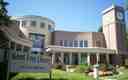
  1. Look ahead for a large, modern brick building crowned by a tall clock tower on your right-the Kent Free Library stands behind a tidy lawn and colorful gardens. Welcome to the…阅读更多收起

    Look ahead for a large, modern brick building crowned by a tall clock tower on your right-the Kent Free Library stands behind a tidy lawn and colorful gardens. Welcome to the Kent Free Library, a place bursting with stories-both inside and out! Imagine it’s 1903: the gentle ring of a clock tower marks the hour, townsfolk in neat hats and long coats shuffle along Main Street as the brand-new Carnegie Library opens its doors. But this library’s story began even earlier-in 1892, when folks here became the first in Ohio to vote in a special tax to fund their very own library. They were so eager, the first library “building” wasn’t a building at all, but a spot in a busy commercial block downtown-probably tucked somewhere between the general store and the barber, with book-lovers squeezing between jars of candy and moustache wax. A decade later, steel tycoon Andrew Carnegie-sort of the Elon Musk of libraries-offers $11,500, but he’s got conditions: a good piece of land, and local support. Town hero Marvin Kent himself donates the land, and the people approve the tax. The library you see officially opened in 1903 and has kept pace with Kent’s booming ambitions ever since. Between 2004 and 2006, the library’s walls echoed with the clang of demolition and the whirr of construction as three older additions were replaced with a grand, modern three-story wing. Right now, you’re looking at a meeting of past and present-not to mention over 55,000 square feet full of stories. So, if these walls could whisper, they’d probably gossip about Andrew Carnegie’s mustache-or at least urge you to return your books on time!

    打开独立页面 →
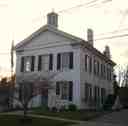
  2. To spot the Franklin Township Hall, look ahead for a sturdy white-brick building with classic black shutters and a small cupola on top, sitting neatly just off the sidewalk with a…阅读更多收起

    To spot the Franklin Township Hall, look ahead for a sturdy white-brick building with classic black shutters and a small cupola on top, sitting neatly just off the sidewalk with a sign out front and an American flag waving nearby. Welcome to Franklin Township Hall! Take a deep breath of that river air-the same breeze that blew through here back in 1837 when this building first popped up. Imagine the sound of old carriage wheels creaking up Gougler Avenue--and picture silk merchants bustling about, dreaming of turning this little patch of Kent (then called Franklin Mills) into the next silk capital of America. That dream unraveled faster than a runaway silkworm, thanks to the Panic of 1837 and a climate chillier than a silkworm’s comfort zone. But this place wasn’t ready to become just another brick in the wall. In 1840, the township swooped in, finished up the building, and set up shop right here as the center of local government. Now, while town meetings might make you think of heated debates, nothing quite compares to what happened here in 1859. The room was packed, breath held, as the local Republican convention descended into a stalemate over who should be the next state senator-until a schoolteacher named James A. Garfield was nominated out of the blue. Spoiler alert: he won, and would eventually become President of the United States. Talk about an upgrade from your usual after-school activities! Over the years, Franklin Township Hall did it all. It sheltered schools in times of need, from makeshift classrooms in the 1800s to a high school temporarily stranded here due to construction delays. Even a fire in 1971 couldn’t snuff out its spirit--and despite the damage, it marched on, serving as everything from school district offices to a home for Sunday morning prayers. Listed on the National Register of Historic Places in 1975, this hall stands as a survivor with more stories than its old wooden floors could possibly whisper at night. So next time you pass by, give it a nod-you never know which future president might be hiding inside, just waiting for their turn in history!

    打开独立页面 →
  3. Inside, there’s a bell in the belfry - a generous gift from Joseph Stratton in 1882. It’s said you can still imagine its solemn toll during turbulent times. Over the years, these…阅读更多收起

    Inside, there’s a bell in the belfry - a generous gift from Joseph Stratton in 1882. It’s said you can still imagine its solemn toll during turbulent times. Over the years, these walls have felt the stomp of progress and the hush of protest alike. In 1900, while most pulpits were still “man-only” affairs, Abbie Danforth strode in and turned the county upside down, founding the Portage County suffrage association and leading a fiery conference for women’s right to vote. Fast forward to the 1960s; the church’s voice rang out against the Vietnam War and after the tragic May 4, 1970 shootings at Kent State, defied the mayor’s ban on gatherings by hosting a bold memorial service right here. Ever wonder what sort of congregation skips paying taxes on their telephones to protest a war? These folks did, taking Nixon to task in resolutions and demanding liberty - right here in little old Kent, Ohio! If these old pews could talk, they’d regale you with tales of concerts - classical and jazz - and of books changing hands at the church’s annual book sale. This church has always been about breaking boundaries. Early on, its doors flung open to clergywomen like Carlotta Crosley and Violet Kochendoerfer, decades before women leading churches was “in.” And more recently, Reverend Melissa Carvill-Ziemer led with the courage to challenge white privilege and stand up for social justice, so much so she landed in handcuffs in Arizona, only to be acquitted by a judge later. Now that’s dedication - or maybe just a really stubborn sense of fairness. With a strong focus on children’s learning, they even run a Harry Potter-themed camp, Kent Hogwarts, where kids learn chemistry and poetry - sometimes I wonder if any of them have tried to turn their pens into wands. The church’s seven Unitarian Universalist principles welcome you no matter where you wander on life’s spiritual map, whether you’re devout or just, well, spiritual-ish. So, take a deep breath and pause. Behind this modest façade lies the only church in Kent still using its 19th-century building, standing as living proof that faith can stand the tests of time, change, and the occasional magical mischief. Ready for the next stop? Let’s keep the adventure going!

    打开独立页面 →
  4. Right in front of you stands the Masonic Temple-a building that’s seen more political star power than a campaign rally buffet! Picture Kent in the 1880s, carriages rattling along…阅读更多收起

    Right in front of you stands the Masonic Temple-a building that’s seen more political star power than a campaign rally buffet! Picture Kent in the 1880s, carriages rattling along the street and dust swirling as Marvin Kent, the city’s famous namesake, oversaw a house grand enough for presidents. Isaac Tuttle, an architect from just up the road in Ravenna, drew up the plans, but the real magic happened inside: woodworkers all the way from New York City carved intricate details you can still spot around doorways and mantels. This place wasn’t just home to the Kent family for forty years-it was a hotspot for Republican movers and shakers. Presidents Benjamin Harrison, William McKinley, William Howard Taft, and Warren G. Harding all stayed overnight, likely sampling Ohio hospitality-and maybe a midnight snack in their honorably-named "President’s Room," still preserved just as they left it. Imagine the whispers of political strategy over lemonade on the spacious wrap-around porch, the impressive brick walls, sandstone accents, and the commanding tower keeping secrets beneath that sharp slate roof. Since 1923, the Masons have called it home-and since 1974, it’s been on the National Register of Historic Places, part of Kent’s charm and a true witness to history. So, who knew a building could be so presidential-and still keep its structure together?

    打开独立页面 →
  5. Right in front of you, you’ll spot a charming stretch of leafy street lined with grand old homes in different styles, set behind shady trees and a welcoming red fence. Welcome to…阅读更多收起

    Right in front of you, you’ll spot a charming stretch of leafy street lined with grand old homes in different styles, set behind shady trees and a welcoming red fence. Welcome to the West Main Street District! Take a deep breath and imagine you’ve stepped back more than a century-maybe you can almost hear the clip-clop of horses on cobblestone roads or the chatter of neighbors from wrap-around porches. This isn’t just one house or one story, but a grand collection: twenty-five buildings stand proudly here, each with their own tales to tell, stretching from the bustling intersection of North and South Mantua to the quiet meeting of Chestnut Streets. You’re surrounded by a mix of styles, from the fancy frills of Queen Anne to the sturdy corners of Greek Revival-it's like a fashion show for architecture, and everyone’s invited! Among these homes, you’ll find the house where Martin L. Davey grew up, the gentleman who would go on to become Governor of Ohio, and the impressive Masonic Center, which adds a little secret-society mystique to the neighborhood. Since 1977, people have protected this district for its blend of beauty and history. So, while you’re here, just imagine the stories whispered through the leaves-family gatherings, big debates, maybe even a little porch gossip-all wrapped up in these architectural gems.

    打开独立页面 →
  6. To spot the Charles Kent House, look for a peach-pink, gingerbread-trimmed wooden house with steep gables and ornate details surrounded by lush gardens right ahead of…阅读更多收起

    To spot the Charles Kent House, look for a peach-pink, gingerbread-trimmed wooden house with steep gables and ornate details surrounded by lush gardens right ahead of you. Welcome to the Charles Kent House! Take a deep breath and imagine yourself back in 1843, when this house was freshly built and the air was full of sawdust, horse hooves, and the promise of a new town. Charles Kent, the son of Zenas Kent and brother to Marvin Kent-the guy who lent his name to the city itself-called this place home. Back then, the house stood just down the street, until 1909 when it seemed doomed for demolition. The town was buzzing: Should it stay or should it go? Luckily, a local hero named Martin L. Davey, future mayor and eventual governor, convinced the owner to move the entire house a whopping 150 feet north, saving it for future generations-and probably giving the local movers a day they’d never forget! Later, Dr. Maurice and Louisa Palmer made it their long-time home, which is why you might hear it called the Palmer House too. For years it was white with blue shutters, but today, its vibrant colors make it stand proudly as a mix of Gothic Revival, Greek Revival, and Carpenter Gothic styles. So while you’re here, listen to the whispers of history all around and snap a photo-just imagine carrying this whole house up the street without spilling your coffee!

    打开独立页面 →
  7. Directly in front of you is a small, bright white brick building with a simple gabled roof, tucked between trees and standing beside a wooden ramp and an old-fashioned…阅读更多收起

    Directly in front of you is a small, bright white brick building with a simple gabled roof, tucked between trees and standing beside a wooden ramp and an old-fashioned lamppost-just look for this tidy little house that doesn’t quite look like your typical jail. Now, let’s dive into the wild story of the Kent Jail, or as some locals say, the Old Jailhouse. Picture Kent in 1869: dusty roads, the clatter of horse hooves, and just two years after the town became official, they built this compact lockup-a slice of late Victorian style right here in small-town Ohio. But this was no run-of-the-mill pokey. It’s one of only three left from its era in eastern Ohio, a rare survivor! For decades, it held everyone from mischievous pranksters to unlucky outlaws until the 1930s, when the bars closed for good. But the story only gets stranger: after its prison days, the jailhouse became the city engineer’s home (imagine calculating sewer lines where cells used to be!). Later, it shook off a lonely vacancy and was turned into a cozy private home-perhaps the only place in town where you could eat breakfast next to a barred window. When the march of progress threatened it in 1999, the whole building took a ride across town so a Walgreens could take its spot. Thanks to $120,000 worth of care, the old jail now welcomes party guests instead of prisoners. Today, it sits proudly as a quirky part of Kent’s past, proving that even a jail can get a second chance.

    打开独立页面 →

常见问题

如何开始导览?

购买后,下载 AudaTours 应用并输入您的兑换码。导览将准备好立即开始--只需点击播放并按照 GPS 引导的路线行驶即可。

导览期间我需要互联网吗?

不需要!开始前下载导览并完全离线享受。只有聊天功能需要互联网。我们建议在 WiFi 下下载以节省移动数据。

这是导游带领的团体游吗?

不是--这是自助语音导览。您按照自己的节奏独立探索,通过手机播放音频解说。没有导游,没有团体,没有时间表。

导览需要多长时间?

大多数导览需要 60-90 分钟才能完成,但您完全控制节奏。随时暂停、跳过站点或休息。

如果我今天无法完成导览怎么办?

没问题!导览具有终身访问权限。随时暂停和恢复--明天、下周或明年。您的进度已保存。

有哪些语言可用?

所有导览均提供 50 多种语言版本。在兑换代码时选择您的首选语言。注意:导览生成后无法更改语言。

购买后我在哪里访问导览?

从 App Store 或 Google Play 下载免费的 AudaTours 应用。输入您的兑换码(通过电子邮件发送),导览将出现在您的资料库中,准备下载并开始。

verified_user
满意保证

如果您不喜欢该导览,我们将退款。请联系我们 [email protected]

安全结账使用

Apple PayGoogle PayVisaMastercardPayPal

AudaTours:语音导览

有趣、经济实惠、自助徒步导览

试用应用 arrow_forward

深受全球旅行者喜爱

format_quote 这次导览是游览这座城市的绝佳方式。故事很有趣,感觉不太照本宣科,我喜欢能够按照自己的节奏探索。
Jess
Jess
starstarstarstarstar
第比利斯导览 arrow_forward
format_quote 这是了解布莱顿的一种可靠方式,感觉不像游客。解说有深度和背景,但并未过度。
Christoph
Christoph
starstarstarstarstar
布莱顿导览 arrow_forward
format_quote 一手拿着羊角面包,零期望地开始了这次导览。这款应用真的很适合你,没有压力,只有你、你的耳机和一些很酷的故事。
John
John
starstarstarstarstar
马赛导览 arrow_forward

无限语音导览

解锁全球每个导览的访问权限

0 导览·0 城市·0 国家
all_inclusive 无限探索