
50+种语言

 克卢日-纳波卡 · 罗马尼亚
 克卢日-纳波卡 语音导览
通过自助语音徒步导览发现 克卢日-纳波卡
headphones
1 导览
pin_drop
20 地标
translate
热门地标
人人都知道的 克卢日-纳波卡。
每本旅游手册都写的地标——以及那些手册没告诉你的故事。
关于 克卢日-纳波卡 的几句话
Transylvania's crossroads city where three cultures share one skyline
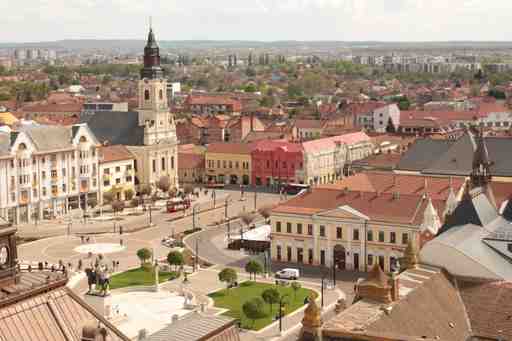
Cluj-Napoca carries at least three names and three souls. To German settlers who built it in the 13th century it was Klausenburg; to Hungarians who made it a Transylvanian capital it was Kolozsvar; to Romanians it is Cluj. Nicolae Ceaușescu added 'Napoca' to the name in 1974 as an assertion of ancient Dacian-Roman roots, but the medieval core tells the older story: the 15th-century Saint Michael's Church on Unirii Square, one of the finest Gothic structures in Romania, stands where the city's competing histories converge.
The Babes-Bolyai University, formed in 1959 from the merger of Romanian and Hungarian universities, is now the largest in Romania.
Teaching still happens in both languages, alongside German, and the 80,000-student population gives Cluj-Napoca an energy that spills out onto the cafe terraces around Piata Unirii on warm evenings. The city has become one of the most important technology and startup hubs in Central Europe without losing the sense that it is first a place for living well.
克卢日-纳波卡
克卢日-纳波卡 FAQ
Before you walk.
每条 克卢日-纳波卡 导览,用你的语言听。
50+ 种语言,每次预订全部含括。
🇬🇧 English🇫🇷 Français🇪🇸 Español🇩🇪 Deutsch🇮🇹 Italiano🇯🇵 日本語🇨🇳 中文🇰🇷 한국어+ 41 种更多
star AudaTours Unlimited
不止游一座城市? 订阅吧。
解锁所有 克卢日-纳波卡 导览——以及全球数千条更多。随时取消。
$4.99/周 · 随时取消



深受全球旅行者喜爱数千次旅途已出发。
数千次旅途已出发。
好评如潮。
App Store 与 Google Play 综合评分 4.8。这是我们反复回味的几条好评。


download 下载应用 戴上耳机。


戴上耳机。
走出去。
免费下载。每座城市都有导览。60 秒即可开始——无需账号,无需绑卡。

headphones
约 4 分钟 到第一条导览开始
public
1,000+ 全球城市
all_inclusive
AudaTours
Unlimited
每个导览。每座城市。 一份订阅。
3096 导览2272 城市138 国家50+ 种语言
$39 /年
all_inclusive 无限探索