
50+种语言

 奥斯陆 · 挪威
 奥斯陆 语音导览
通过自助语音徒步导览发现 奥斯陆
headphones
3 导览
pin_drop
20 地标
translate
热门地标
人人都知道的 奥斯陆。
每本旅游手册都写的地标——以及那些手册没告诉你的故事。
关于 奥斯陆 的几句话
Two-thirds forest, one-third city. Norway finds this arrangement normal.
Oslo was founded around 1049 by Harald Hardrada, burned and rebuilt multiple times, until in 1624 King Christian IV rebuilt the city closer to Akershus Fortress, which still stands on the harbor, heavy and medieval, exactly where Christian IV placed it. He named the new settlement Christiania after himself. It reverted to Oslo in 1925, reclaiming the Old Norse name meaning meadow at the foot of the hills. The hills are not metaphorical: two-thirds of Oslo's enormous municipal area is protected forest, hill, lake, and national park, and in 2017 the city became the first in the world to adopt a climate budget alongside its financial one.
The Oslofjord defines the city's character in the way rivers define other capitals.
Karl Johans gate, the main boulevard, runs from the Royal Palace through the center to the central station, past the National Theatre (1899) and the University of Oslo (founded 1811), and in summer fills with outdoor tables that overflow onto the surrounding streets until late evening. The waterfront has been transformed since the Oslo Opera House opened in 2008 on the harbor edge, its white marble roof designed to be walked across at any hour of the day or night, with fjord views from a surface that doubles as a public plaza. The Munch Museum followed in 2021 in a tilted tower on the same waterfront.
奥斯陆
奥斯陆 FAQ
Before you walk.
每条 奥斯陆 导览,用你的语言听。
50+ 种语言,每次预订全部含括。
🇬🇧 English🇫🇷 Français🇪🇸 Español🇩🇪 Deutsch🇮🇹 Italiano🇯🇵 日本語🇨🇳 中文🇰🇷 한국어+ 41 种更多
star AudaTours Unlimited
不止游一座城市? 订阅吧。
解锁所有 奥斯陆 导览——以及全球数千条更多。随时取消。
$4.99/周 · 随时取消

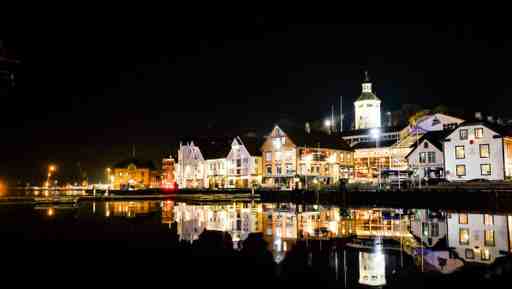

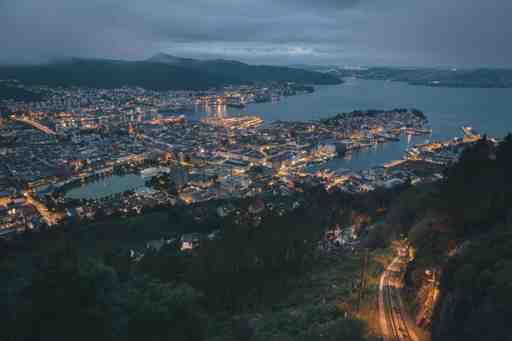
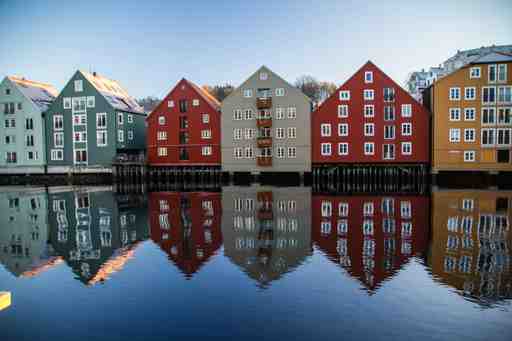
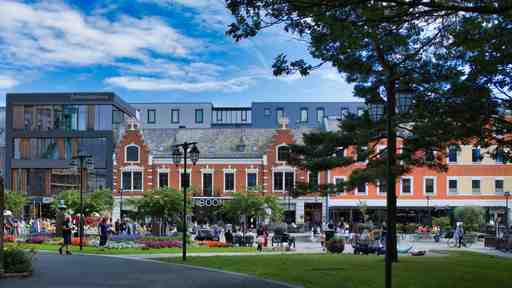

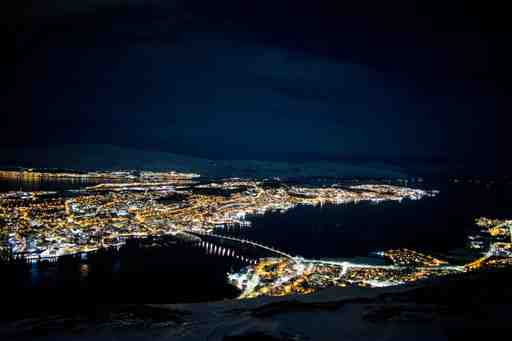
深受全球旅行者喜爱数千次旅途已出发。
数千次旅途已出发。
好评如潮。
App Store 与 Google Play 综合评分 4.8。这是我们反复回味的几条好评。


download 下载应用 戴上耳机。


戴上耳机。
走出去。
免费下载。每座城市都有导览。60 秒即可开始——无需账号,无需绑卡。

headphones
约 4 分钟 到第一条导览开始
public
1,000+ 全球城市
all_inclusive
AudaTours
Unlimited
每个导览。每座城市。 一份订阅。
3096 导览2272 城市138 国家50+ 种语言
$39 /年
all_inclusive 无限探索