AudaTours logoAudaTours

安纳西语音导览:传说、湖泊与永恒的宝藏

语音指南13 景点

踏上一段迷人的旅程,探索安纳西的迷人魅力,领略其最具标志性的宝藏。从安纳西城堡开始您的旅程,历史与壮丽景色在此完美融合。漫步于优雅的岛宫,它坐落在宁静的运河旁,这些运河赋予安纳西“阿尔卑斯威尼斯”的美誉。惊叹于安纳西圣皮埃尔大教堂精美的建筑,这是一件神圣艺术的杰作。这次愉快的旅行邀请您探索法国最受欢迎的阿尔卑斯小镇之一的丰富遗产和如画美景。

导览预览

map

关于此导览

  • schedule
    持续时间 40–60 mins按照自己的节奏
  • straighten
    1.9 公里步行路线跟随引导路径
  • location_on
  • wifi_off
    离线工作一次下载,随处使用
  • all_inclusive
    终身访问随时重播,永久有效
  • location_on
    从 安纳西圣母利埃斯教堂 开始

此导览的景点

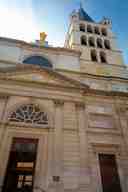
  1. To spot the NO LADY-OF-LESSE CHURCH OF ANNECY as you walk, look for a striking cream-colored stone building with a tall, square tower featuring arched openings and a golden statue…阅读更多收起

    To spot the NO LADY-OF-LESSE CHURCH OF ANNECY as you walk, look for a striking cream-colored stone building with a tall, square tower featuring arched openings and a golden statue gleaming at the top, right above the wide wooden doors and the grand neoclassical façade. Let yourself drift back in time as you stand before these solid stones-this place isn’t just a church, it’s a living storybook written in limestone and echoing with bells. The ground beneath your feet has shivered with centuries of footsteps. At first, this spot was simply a humble oratory, mentioned as far back as the eleventh century, where soft prayers rose like smoke in the cold mountain air. But in 1360, Amédée III, Count of Geneva, gazed on this very place with ambition and reverence. He imagined not just a church, but a grand sanctuary, a resting place for his powerful family. His vision left the medieval hospital and marketplace behind, raising up stone and faith in their place, and his kin, Count Robert, carried the dream to completion. In 1398 the sanctuary was finally consecrated, its walls heavy with hope and memory. But like every great story, this church’s history has seen drama and disaster. During the fierce revolutionary days of 1793, revolutionaries, determined to summon the people into a new era, destroyed the original choir of the church to make room for a “place of liberty” on this very square. Imagine the noise, the anxiety-villagers watching as the old stones fell, the tower spared only a beheading: its sharp spire and watchful turrets lost forever. Instead, crowds gathered around the “tree of liberty,” turning the square into the very pulse of Annecy’s new politics. Yet the old stories have a way of coming back. After the dust of revolution settled, the church rose again. In the 1800s, the return of the Savoy family prompted a grand rebuilding: between 1846 and 1851, the architects pieced the sanctuary back together, preserving that stubborn fourteenth-century bell tower and a lone gothic window that survived the chaos. Step inside and you’ll find a church shaped like a Latin cross, lined with sturdy columns and round Romanesque arches. The side naves shelter two altars, one for Saint Francis de Sales, another for Our Lady of the Rosary. The font is from 1852-the same water still glistens as it did all those years ago-and the grand altar comes from just two years later. You might hear bells echoing above: the oldest dates all the way back to 1655, calling out its angelus faithfully every day, while another, even older, sits quietly retired since 1699. If you listen closely, maybe you can catch the mighty “La Salésienne,” a bell cast in 1878 that weighs as much as five cars-and if she rings, heaven and Annecy alike still shudder in delight. Look around this square, surrounded now by cafes and little shops. Imagine egg, cheese, and vegetable sellers calling to each other until 1854, when the market finally moved. Picture the lions and turtles circling the fountain, added in 1859. Even today, the square is a gathering place, full of laughter, music, and stories-just as it has been for hundreds of years. The church, watchful as ever, carries all these echoes within its walls, inviting you to add your own chapter to its remarkable story.

    打开独立页面 →
  2. To spot Annecy Cathedral, look straight ahead for a grand white stone building with a rose-shaped circular window above twin doorways, standing tall against the blue sky. Imagine…阅读更多收起

    To spot Annecy Cathedral, look straight ahead for a grand white stone building with a rose-shaped circular window above twin doorways, standing tall against the blue sky. Imagine yourself standing here in the early 1500s, watching skilled masons placing each rough-hewn stone, the sound of hammers echoing around you. The air smells of sharp limestone dust and fresh timber, as Jacques Rossel oversees the creation of this chapel for the Franciscan monks. Jump forward in time and picture the chaos of the French Revolution: banners waving, voices shouting, and this very building transformed into a temple of the Goddess Reason. The wooden pews, where monks once whispered prayers, now hold people in colorful revolutionary dress, arguing about liberty and new gods. Later on, peace returns, and in 1822, the bells ring out in celebration as the church is declared a cathedral, a new heart for the city’s faithful. Step inside (in your imagination), and maybe you’ll feel a hush descend as the great organ, built by the royal organ maker Nicolas-Antoine Lété, thunders to life. This cathedral isn’t just a stone monument-it’s a witness to centuries of hope, disruption, and music that still lingers in the air.

    打开独立页面 →
  3. To spot the Cathedral Saint-Pierre d’Annecy, look straight ahead for a striking white stone facade with a tall triangular top, a beautiful circular rose window above three wooden…阅读更多收起

    To spot the Cathedral Saint-Pierre d’Annecy, look straight ahead for a striking white stone facade with a tall triangular top, a beautiful circular rose window above three wooden doors, and wide stone steps rising from the street. Imagine yourself standing here in the early morning chill of Annecy, the stones of the Cathedral Saint-Pierre-aux-Liens glowing pale against the sky. This building has not just watched over history - it has survived it. Long ago, before the cathedral rose, monks from the Celestine order built a quiet convent here, setting a foundation that would quietly change over the centuries. Close your eyes and feel the echo of footsteps as builders under Jacques Rossel hurried to finish the first church by 1526, a place of worship used just a few years later. But change came quickly. By 1534, the Celestines were replaced by the Cordeliers, and the facade you see was only completed in 1535, its Renaissance design inspired by Roman elegance but hiding the soul of a gothic basilica. The church became more than a peaceful refuge: in 1538, it sheltered the chapter from Saint-Pierre of Geneva, seeking safety from turmoil. Listen and imagine the heavy wooden doors closing behind them, sealing in secrets and hope. The centuries rolled on. By the 1600s, Saint François de Sales - a gentle soul and bishop - would walk these halls, his footsteps mixing with whispered prayers. After the convent closed in 1771, the place found new life as an episcopal seat, bracing for the chaos of the French Revolution. In those wild days, this sacred place was turned into a temple for the goddess Reason, a bold act that stripped away old symbols and even took down part of the bell tower in 1794. Hear the ring of stones falling, and the mournful silence that followed. Only decades later, in 1828, was the bell tower rebuilt and dignity restored, as the church was raised to cathedral status in 1822. Over time, the inside grew lavishly decorated, but between 1933 and 1936, it was carefully restored and simplified, letting the building’s true spirit shine. Step close now and look up at the facade: the rhythm of Tuscan pilasters, the triangular pediments, and that rose window - all whispers of Renaissance dreams, even as they echo the grand Gothic tradition. If bells ring out from the little tower at the back, know that the largest weighs three tons, cast to fill the air with deep, comforting sound. Inside, the grand organ waits, its pipes quiet now but once roaring with music since the 1800s, restored again and again, each key a memory. This cathedral is more than stone. It’s a survivor, a symbol, and a silent storyteller holding tight to Annecy’s wild and wonderful journey.

    打开独立页面 →
再显示 10 个站点显示更少站点expand_moreexpand_less
  1. In front of you, the Isle Palace appears like a stone ship rising from the water, perched on a tiny island in the middle of the canal, with pointed red roofs and thick medieval…阅读更多收起

    In front of you, the Isle Palace appears like a stone ship rising from the water, perched on a tiny island in the middle of the canal, with pointed red roofs and thick medieval walls-just look ahead where the Thiou splits the old town and you can’t miss its unique silhouette. Now, let your imagination drift back almost 900 years. Picture the creak of a wooden bridge underfoot, as, in the twelfth century, local lords first built this stronghold to guard the only passage across the sparkling, icy water of the Thiou. The palace you see hugging its island once decided who could cross into Annecy, and who had to pay a toll-a place of power, its stone walls remembered every face that passed. In those days, the palace belonged to the powerful Lords of the Isle, but it didn’t stay in one family for long. It passed to the Counts of Geneva, and later into the hands of the Monthouz family, who ran both the palace and its notorious prison cells. Imagine walking by at night, hearing murmurs or cries echoing from behind small, barred windows above the water, while the icy river below carried secrets out to the lake. Annecy’s story was always changing, caught between powerful families and ambitious rulers. When Duke Janus of Savoy bought the palace, he gifted it to his wife, Hélène de Luxembourg-a wedding present of stone and moat. For a brief, shining time, it was transformed: imagine elegant parties lit by torchlight reflected in the water, music drifting into the alleys. But as quickly as luxury arrived, it faded. Soon the palace became a courtroom, a treasury, and, ever-present, a place of judgment and imprisonment. Let your senses notice the thick, wedge-shaped walls. The oldest core, almost as wide as it is tall, is from the late twelfth or early thirteenth century. Back then, entrance was controlled by two heavy iron gates, one to the north, one to the south-look closely, and you can still see the rough scars in the stone where those ancient doors once hung. Walk around the edge, and you’ll find vaulted rooms where records and prisoners were kept. Overhead, the first floor’s grand hall was where the most important decisions in the region were handed down by stern-faced judges. Every stone here has witnessed drama: duels between rival families, prisoners awaiting their fate, and outside in the plaza, official proclamations barked out to the crowds from the “banc du droit”. Imagine the tension as a judge’s hammer fell, sealing someone’s future, while fishermen listened with heads bowed or local merchants haggled for bread at the water’s edge. During the Revolution and centuries that followed, the palace almost vanished. It was used as everything from a barracks to a warehouse, even an asylum for the elderly. More than once, people tried to knock it down-yet the cost of demolition was so high, the old palace was spared, surviving by a quirk of fate and a lack of funds. It became a prison once again during the Second World War, its halls echoing with heavy footsteps and nervous whispers. But then, in the 20th century, the palace finally found its new calling. Thanks to its designation as a historic monument, it was saved from ruin, restored, and given back to the people of Annecy as a bridge to their past. Today, if you step inside, you’ll find exhibitions on architecture and heritage, and the chill of the old cells that once held prisoners side by side with the sunlight streaming through the windows. Let yourself imagine the stories each room might tell if its stones could speak: secret romances, fierce family disputes, and endless negotiations between judges, jailers, and townsfolk-each one a note in the long history of Annecy’s most iconic building. So as you stand here, listening to the river’s gentle rush, remember how many lives, dreams, and dramas unfolded on this very island-a living, shifting testament to the survival and spirit of Annecy.

    打开独立页面 →
  2. Look ahead and up the hill to spot the Annecy Castle: a massive stone fortress with high, square towers and steep, red rooftops rising above the town’s rooftops, clearly…阅读更多收起

    Look ahead and up the hill to spot the Annecy Castle: a massive stone fortress with high, square towers and steep, red rooftops rising above the town’s rooftops, clearly dominating the skyline. As you stand here, pause for a moment and let your eyes trace the ancient, weathered walls of Annecy Castle perched proudly overhead. Imagine climbing the rocky slopes centuries ago, passing under the shadow of those soaring towers and stepping into a world of armored knights, fluttering banners, and urgent whispers in the corridors. This castle isn’t just a monument-it’s a living story, woven from a thousand years of power, ambition, and unexpected twists. It all began in the twelfth century, right where you are now, although some say a fortress guarded this place as far back as the year 700. There’s still a trace of those earliest days: thick, stone walls anchoring the castle directly onto the rock of the Semnoz mountain. Back then, the castle was more than just a home; it was a lookout, perfectly placed to command the road from Geneva to Italy. From these walls, lords could watch over the bridges crossing the lake’s outflow and keep the trade routes secure. On clear days, you can still sense the strategic purpose-imagine the view sweeping across fields, rivers, and all the roofs of Annecy below. The first real chapter starts when the Counts of Geneva, forced from their original seat, make Annecy their home in 1219. Try to hear the clang of hammers and the shouts of masons as they rebuild after a dreadful fire in 1340. Amédée III, the Count, orders the castle restored exactly as it was before-a statement of resilience, of not letting disaster have the last word. Inside, master craftsmen from Lausanne and Geneva create painted decorations and dazzling windows to capture light in the grand halls. For a moment, the castle stands as proof that no matter what, the powerful always return. But peace doesn’t last. In 1391, the castle hosts grand guests: the Duke of Burgundy, Philippe the Bold, followed by the Count of Savoy. Can you picture the procession of horses and flickering torches winding up the hill? By the turn of the century, the castle passes by inheritance and intrigue from Count to Count, eventually landing in the hands of Amédée VIII of Savoy, who becomes a Duke and rules from these very rooms. In 1412, another fire strikes, but again, the fortress is rebuilt, stronger and grander, with new stained glass windows glowing in the chapel. That wheel of fortune keeps turning. The princes who rule from Annecy hold titles like Duke of Genevois-Nemours, their fortunes rising and falling with the tides of European politics. In 1477, the castle witnesses a delicate peace agreement between Savoy’s Duchess and the bold armies of Switzerland. Not too many years later, it’s graced by Henri IV, the King of France himself, who is hailed here, feasted in the immense great hall, his soldiers parading outside. Imagine the sounds of music, laughter, and the clinking of goblets echoing through rooms that have seen both siege and celebration. As centuries go by, the castle changes with every new threat: a stronghold during wars with France and Savoy, a governor’s palace, even a bishop’s seat for a brief time after 1661. During Spanish occupation in the 1700s, soldiers turn these noble chambers into barracks, leaving cracks and smoke-blackened stones behind. The Revolution transforms the castle into “The House of the Mountain,” a symbol of new authority for Annecy’s people. But with peace comes hardship: for a while, the once-magnificent halls become a refuge for the homeless. By the 1950s, another fire nearly claims it, but this time, the town itself rises to the rescue. The city of Annecy buys the battered castle, pours life into its restoration, and fills it with treasures-art, history, and wonders of the natural world, including the Alpine Lakes Observatory. So linger one moment more and look up at those towers and walls. Inside are secret staircases, deep wells, and ancient kitchens echoing with forgotten recipes. Here, every stone has a story, every shadow recalls a hidden secret, and from up on the terrace, you see the same view that once made this place both a fortress and a prize. In its silent strength, the castle of Annecy waits-for you, and for all the voices of history yearning to be heard. Intrigued by the localization, historical or the description? Make your way to the chat section and I'll be happy to provide further details.

    打开独立页面 →
  3. Look ahead and up the hill-you’ll spot a grand stone castle with reddish-brown pointed roofs rising above the houses and boats, guarding the skyline like a watchful…阅读更多收起

    Look ahead and up the hill-you’ll spot a grand stone castle with reddish-brown pointed roofs rising above the houses and boats, guarding the skyline like a watchful sentinel. Now, imagine yourself hundreds of years ago, standing right where you are, gazing up at this stronghold. But instead of knights and banners, inside these ancient walls today, you’ll find the Regional Observatory of Alpine Lakes-a true gateway to hidden worlds beneath the sparkling waters. Step into the cool stone corridors of the castle, and you’ll stumble upon more than history. There’s a mysterious archaeological exhibition that reveals how the very first people lived along the shores of Lake Annecy. In shadowy corners, aquariums shimmer with darting mountain fish, flickering like living jewels in dim light. A giant model of Lake Annecy stretches before you, hills rising all around, and nearby, miniature boats promise adventures from long ago. Walk further, and odd fishing tools and brightly colored birds from the lakeside wait to surprise you. But there’s a deeper mystery here-a silent battle beneath the water’s surface. Polluted by nitrates and phosphates, invaded by new species, and threatened by climate change, the lakes are changing fast. Some creatures vanish, others sneak in. Scientists peer into murky depths, trying to understand the secrets of lake life, especially the invisible armies of tiny bacteria. It’s a living detective story, playing out in these ancient halls-one where the heroes are researchers and the stakes are the future of Alpine lakes themselves.

    打开独立页面 →
  4. In front of you, look for a majestic stone building with red-tiled rooftops and tall, medieval-style windows-this is the Annecy Contemporary Art and Regional Art Museum, housed…阅读更多收起

    In front of you, look for a majestic stone building with red-tiled rooftops and tall, medieval-style windows-this is the Annecy Contemporary Art and Regional Art Museum, housed within the ancient castle walls. Imagine yourself centuries ago, standing here amid the echoes of lords and ladies who once walked these very stones. The museum, built into the oldest parts of Annecy’s castle-the Logis Vieux and Logis Nemours-feels a bit like a treasure chest from the Alpine mountains. Inside, the atmosphere changes with every step: you turn a corner and suddenly you’re surrounded by a jumbled array of carved wooden chests, elegant cradles, and sturdy armchairs, each one heavy with stories from Alpine families and farmers. Imagine their hands touching these objects every day, the soft creak of a timber chair as a snowy night settled outside. Between the sturdy wardrobes and tables, you’ll catch glimpses of astonishing paintings and sculptures-sometimes so old they seem to belong to another world, other times utterly modern and bold. The museum’s exhibitions are like secret doors, changing often; you might happen on classic masterpieces one visit, and another time, be surprised by wild, colorful displays timed with Annecy’s famed animation film festival. What’s truly magical is that this museum is part of a secretive, grand network-connecting it to other medieval wonders across the Alps, stretching from Chambéry to Geneva, Turin, and beyond. So as you stand here, you might almost hear a whisper: these castle walls are not keeping the world out-they’re drawing in the entire Alpine story, just for you.

    打开独立页面 →
  5. To spot the Saint-François d’Annecy church, look for a striking, cream-colored stone building with a classic baroque facade, flat front, and tall pilasters, rising right in front…阅读更多收起

    To spot the Saint-François d’Annecy church, look for a striking, cream-colored stone building with a classic baroque facade, flat front, and tall pilasters, rising right in front of you, just beside the gentle curve of the canal. Now, let yourself drift back to the early 1600s, when Annecy’s old town was alive with the sounds of carts, merchants, and pilgrims. The church before you wasn’t just any place for prayers; it was the very first sanctuary of the Visitation Order, founded here in 1610, and by 1642, its splendid baroque style was taking shape-echoing the grand churches of Rome. Back then, people came whispering hopes and confessions, drawn by the presence of the tombs of two remarkable souls: Jeanne de Chantal and François de Sales, who found their first resting place right within these walls. Imagine the color, the chatter, the song of processions and the flicker of candlelight on marble. But the church’s life hasn’t been only gentle and sacred. During the French Revolution, these grand halls echoed not with hymns but hammering: it became a bustling factory, stripped of its holy purpose as turmoil gripped the town. It wasn’t until 1923 that its doors truly reopened to worship, and much later, in 2003, it was lovingly restored. The Saint-François church has faced darkness, lost its treasures to revolution, only to rise again, echoing each chapter in its serene stones. Today, officially protected as a historic monument, it stands proud-the silent witness to centuries of faith and change.

    打开独立页面 →
  6. The Saint-Maurice Church stands ahead with its pale stone walls, dramatic pointed windows, and a square bell tower topped with a dark, rounded spire-just look across the open…阅读更多收起

    The Saint-Maurice Church stands ahead with its pale stone walls, dramatic pointed windows, and a square bell tower topped with a dark, rounded spire-just look across the open square, between the old buildings and the greenery, and you can’t miss it. As you stand here, take a moment to feel the textured energy of this square-imagine nearly six centuries of footsteps echoing on the stones beneath you. Here in the heart of Annecy’s old town, Saint-Maurice Church rises like a storybook tower, its weathered walls full of secrets. But did you know, on this spot in 1422, it wasn’t an important parish church, but simply a chapel for Dominican monks? Cardinal de Brogny sparked its creation, placing it right here on the edge of the city, where a little canal once linked the Thiou river to Lake Vassé. Picture early builders hammering, sweating, and singing as construction started--adding arches and stones year after year, until the church was finally consecrated in 1445, though it was still unfinished. At first it was dedicated to Saint Dominic, but after the old church of Saint Maurice near the castle was lost, this church took up the name, honoring the beloved protector-saint of all Savoie. The church’s vaults, striking and simple, went up in 1491. Inside, it tells stories of dukes and heartbreak: Count Janus of Savoy and his wife, Hélène of Luxembourg, chose this very spot for their tomb-imagine the candlelit nights, the priests’ echoed prayers, and the soft hush of footsteps from centuries gone by. If you could enter now, look for the ancient mural of the Assumption of Mary, vivid with red, with angels lifting Mary heavenward, and Saint Thomas watching in awe while holding her belt-a bit of medieval legend frozen on the wall. And just above, imagine the deep, haunting sound of the organ-first built in 1869, its pipes pouring music down among the pews--sometimes echoing off centuries-old stones rebuilt after fires and wars. But Saint-Maurice hasn’t always echoed with prayer. During the chaos of the French Revolution, these walls rang with the calls of traders and the shouts of farmers; it was pillaged, turned into a grain market, and even, for a time, an old dusty stable. Not until 1803, years later, did church bells ring out for worship again, and in 1822 that sturdy bell tower you see today was rebuilt-topped with four distinct bells, the heaviest dating back to 1561, forged by the hands of Swiss artisans. One bell never rang: too small to compete, it remains as a quiet witness tucked away, while the largest clangs proudly over Annecy--reminding everyone here that even stone buildings have hearts and memories that last through ages.

    打开独立页面 →
  7. To spot the Hôtel de Ville, stand on the Esplanade de l'Hôtel de Ville and look for a grand, symmetrical neoclassical building with cream and gray stonework, tall columns at the…阅读更多收起

    To spot the Hôtel de Ville, stand on the Esplanade de l'Hôtel de Ville and look for a grand, symmetrical neoclassical building with cream and gray stonework, tall columns at the center, and many colorful flags hanging above three large arched doorways. Imagine you’ve just stepped onto this square in the heart of Annecy-before you, the Hôtel de Ville rises with elegant rows of windows, a regiment of flags waving above the entrance, and a squat fountain quietly rippling at its feet. If you stood here back in the 18th century, you wouldn’t see this stately structure at all, but rather a humbler building crammed next to the old Notre-Dame-de-Liesse church, serving first as a hospital and only later a town hall. That old place was famous for its intricate ironwork, notably a trout perched atop the staircase rails-imagine writer John Ruskin, pausing mid-step, utterly charmed by that odd little fish glimmering in the morning light. But the Annecy of the 1840s was blossoming and bustling, ready for something grander. Consider how Annecy belonged then not to France, but the Kingdom of Sardinia. The city’s leaders wanted a symbol that declared their growing status and looked out proudly over Lake Annecy. So, in 1847, the first stone of this very building was laid-ashlar stone chosen for its resilience and majesty. François Justin’s neoclassical design gave it not only scale, but grace: the imposing columned portico with Ionic columns, windows crowned with pediments or cut into refined arches, and a bold clock set right into the pediment as if marking Annecy's march into modernity. Inside, the grand Salle du Conseil would become a chamber of fiery debates and dramatic decisions. But outside, as decades passed, the town watched its city hall witness history: the annexation of Savoy by France, changes in laws, and lively public gatherings. For years, the square in front was cluttered with cars, until in 1995, planners decided it was time for beauty-out went the cars, and in came a minimalist square and a shimmering water feature by Jean-Michel Wilmotte. Yet not even history’s most stoic walls are safe from calamity. On a quiet afternoon in November 2019, catastrophe struck with a sudden roar. A fire, sparked by a faulty electrical cabinet, raged through the upper floors, sending smoke billowing above the rooftops. But Annecy’s spirit is resilient; today, plans for a massive restoration are underway, led by Pierre-Louis Faloci. Soon, hammers and scaffolding will fill the air once more, promising the Hôtel de Ville a new chapter filled with life, light, and stories yet to be written.

    打开独立页面 →
  8. To spot the Gardens of Europe, look ahead for an inviting expanse of green lawns shaded by towering trees, right beside the sparkling edge of Lake Annecy, with boats docked along…阅读更多收起

    To spot the Gardens of Europe, look ahead for an inviting expanse of green lawns shaded by towering trees, right beside the sparkling edge of Lake Annecy, with boats docked along the water and a wide, open path fringed with flowers and benches. Close your eyes for a moment-or at least try to focus beyond what you see right now. Imagine this serene park before it became gardens, before the laughter of children, before the benches and the carefully pruned trees. Once, you would have been standing on a wild, marshy island, the air damp and buzzing with mosquitoes, just outside the old city walls. This bit of land, far from being a peaceful retreat, was home to nothing but reeds and muddy ground. In those early days, in the shadowy fog of plague years, you might have heard the distant toll of church bells or the rattling wheels of a cart crossing a makeshift bridge, delivering the sick to small “health huts” built far from the city, where they were kept isolated during times of plague. Sometimes, the silence here was only broken by the wind or the desperate prayers drifting from inside those huts. Later, the land came into the hands of the Asinari family, bankers from Lombardy. For over a century, their name stuck and locals called it “pré Lombard.” And then change arrived with the digging of a canal in 1563, splitting the marsh in two. On the less-pleasant island, it became a place for isolation-a place of worry but also of hope, where people waited for pestilence to pass. But the marshes’ fate would change forever in 1602, when Duke Henri I of Savoy-Nemours decided to give Annecy a place of beauty. He turned the grim ground into a promenade for his subjects. Picture men and women strolling, enjoying the new greenery and the fresh air, anxious memories of plagues slowly fading. Later, his successor gifted it to the religious order of the Visitation, who built towering stone walls around their property-so high that the garden was hidden from view. A small chapel appeared, and the nuns transformed part of the space into vegetable gardens, feeding both the body and the spirit with their careful hands. After the French Revolution, the land found new owners and new purposes. Gone were the cloisters and prayers; an enterprising Genevan entrepreneur used the open space for spreading out freshly printed fabrics to dry in the sun. If you wander here in your mind, you might picture the fluttering of vast sheets-flecks of color against the green-rustling in the alpine breeze. By the mid-19th century, Annecy had recovered its grandeur. The commune bought back the land, pounding, digging, and changing the two former islands into a peninsula, birthing the Gardens of Europe. The work was driven by grand, English-style dreams: winding paths, open vistas, and rare trees from around the world. In the winter of 1863, hundreds of trees and more than a thousand shrubs were planted, and soon the garden came alive with the fresh green scents of Virginia tulip trees, ginkgo bilobas, laricio pines, and even giant sequoias. If you keep walking toward the water, you’ll see why the gardens were set where land and lake come together, the peaceful surface now reflecting leafy branches and gentle clouds. Out on the tip, the Île aux Cygnes-Swan Island-beckons with its little haven for wildlife. Now, these paths offer surprises for the curious. Look up and you might see the bronze statue dedicated to Claude Louis Berthollet, a chemist of great local fame: the monument nearly melted down for metal during World War II, but miraculously saved at the last minute before returning to stand at attention among the trees. Not far away, there’s a rare commemorative plaque for Napoleon III-a tangible link to 1860, when Savoy became part of France and, in gratitude, the Emperor sent Annecy a gleaming steamship, the Couronne de Savoie. As you explore, you might hear the clinking of boats in their moorings: 270 places where watercraft gently bob between the canal and the gardens. Welcome to the Gardens of Europe-a place where Annecy’s history runs through every shadow and ray of light, where every step draws you across centuries from muddy beginnings to the flourishing park that welcomes you today.

    打开独立页面 →
  9. To spot the landmark, look straight ahead for a graceful iron footbridge arching over the clear waters where the canal meets Lake Annecy, framed by leafy trees and the gentle…阅读更多收起

    To spot the landmark, look straight ahead for a graceful iron footbridge arching over the clear waters where the canal meets Lake Annecy, framed by leafy trees and the gentle bustle of boats below. Now, imagine you are standing at the very edge of Annecy’s sparkling lake, a whisper of cool air drifting in from the water, the distant laughter of children floating across from the gardens, and right in front of you rises the delicate curve of the Pont des Amours-or, as the locals still lovingly call it, the “Lovers’ Bridge.” This iron pedestrian bridge isn’t just a way to cross from the wide lawns of the Paquier to the lush Gardens of Europe; it’s a passageway into some of the city’s most enchanting legends. Listen closely, because the iron railings and sun-dappled walkway here have seen countless secret meetings, gentle strolls, and even tears. According to a local legend, if two lovers share a kiss in the dead center of this bridge, their bond will be eternal-Annecy’s own quiet spell of everlasting love. But like every true place, this bridge has a second, more mischievous tale: Some say the “Lovers’ Bridge” once took its name from the secret rendezvous of those looking for love for a price, back when Annecy was younger and shadows hid stories the daylight had yet to warm. The bridge itself was born from a vision stretching back to 1836, when the city first dreamed of connecting these two magical worlds. In 1845, a wooden footbridge quickly appeared for a royal visit, flickering in the glow of festive illuminations over the canal. Later, in 1859, a brand-new cast-iron bridge arched gracefully here, though it stubbornly blocked boat traffic and proved too costly to maintain. Finally, in 1907, the present iron bridge opened-a featherlight arch designed by Gaspard Fruaüf, officially known as the “Passerelle du Jardin public,” but always, in the hearts of Annécien locals, the Pont des Amours. So, as you stand here, look at the glimmering water, the mountain backdrop, the lovers lost in each other’s gaze. You are witnessing a scene touched by centuries of dreams-where every footstep echoes with legends of romance, adventure, and the city’s ever-beating heart.

    打开独立页面 →
  10. Right ahead, you’ll spot a huge, open green lawn stretching all the way to the sparkling lake, with the mountains rising majestically in the distance-just look for wide spaces…阅读更多收起

    Right ahead, you’ll spot a huge, open green lawn stretching all the way to the sparkling lake, with the mountains rising majestically in the distance-just look for wide spaces dotted with people sitting under the blue sky, and you’re at the Pâquier. Take a deep breath and feel the open air: you’re standing on the Pâquier, the very heart of Annecy’s life for centuries. Imagine this place long ago-not a cheerful gathering spot, but a misty, marshy meadow, often haunted by the bellows of cows and the splash of lake water. “Pâquier” itself means “pasture” in the old Savoy dialect, and for generations, animals would graze right here, their hooves sinking into the soft ground near the edge of the big, wild lake. As you look around, it’s easy to forget that this green sweep once stretched even further, covering lands that now hold Annecy’s other parks, fancy hotels, schools, and even some apartment blocks. People have always wanted a piece of the Pâquier-the soil may once have been too wet for building castles, but no one could resist the views. At one time, old watercourses like the “Vy élevé” fed the lakeside reeds, and children would skip stones in winding, lost rivers, now buried under roads and houses. There’s a mysterious legend, whispered for centuries here, about a generous Lady Mossière. Some say she gave a chunk of this field to the city in a fit of kindness, letting the children of Annecy run wild and free. Imagine-one chilly evening in 1387, Lady Mossière, wrapped in heavy cloth, pressing her muddy boots into the grass as she thinks of the youngsters in town. That kindness, alive in stories, was fueled by fact: her family did own land here, and she appears in dusty city registers between 1475 and 1488. Whether she made an official grand gesture or not, people wanted to believe she did, because everyone loves the idea of a hidden benefactor. But the truth is tangled, as truths often are. Another powerful name, the Menthon family, also held great swaths of this turf. In 1613, Bernard VI de Menthon, as he rose to command Annecy’s regiment, supposedly gave the city’s children-a troop of youthful knights who practiced archery and musketry-the “grand meadow” for their games. Picture them: some young and nervous, stringing bows, gripping old muskets, the grass underfoot, staring out at the mountains as echoes of laughter mix with shouts of practice drills. This prized patch has constantly been on the edge of change, sometimes by kindness, sometimes by strategy-a never-ending chess game between landowners, city leaders, and dreamers. In the early 1900s, a bold entrepreneur imagined turning the Pâquier into a glittering playground for the rich, with a casino, a grand hotel, tramways, and horse races. The city buzzed with rumors; some called it an “anomaly in the city’s center.” Construction nearly began, but fate intervened-the entrepreneur suddenly died, his grand visions dissolving almost overnight. The dreams lingered, and for years, people argued, schemed, and fantasized about building on this green, but the Pâquier survived, saved by luck, patience, and public love. Today, if you walk to the edge of the avenue d’Albigny, you trace the shrinking boundary of this historic meadow. Through the centuries, chunks have been swallowed up for villas, gardens, and even a vanished casino. Just across the way you’ll find parks, cultural centers, the town hall, schools-a reminder that this land was once even wider, wilder, and more marshy than your eyes can believe. But the magic remains. Where else could you witness Annecy’s greatest celebrations? Each August, fireworks blaze above the lake for the famous Fête du Lac, drawing tens of thousands. On summer nights, music festivals erupt-sometimes the air shivers with the thundering bass of a DJ or the laughter of crowds at an animated film screening. One year, cars raced in a stock-car rally; another, a wild snowboarding festival built jumps right here. Marathons thunder along the paths, volley-ball tournaments stretch their nets across the grass, and in dark, quiet winters, sometimes all you hear is the snow melting, promising spring. Stand still for a moment. You are not just in a park; you are on shifting, storied ground handed down by luck, generosity, and a thousand fierce debates. Listen to the echoes-hooves, laughter, the crackle of fireworks-and know that this is Annecy’s living heart, a place where history, legend, and everyday life meet beneath the mountain shadows.

    打开独立页面 →

常见问题

如何开始导览?

购买后,下载 AudaTours 应用并输入您的兑换码。导览将准备好立即开始--只需点击播放并按照 GPS 引导的路线行驶即可。

导览期间我需要互联网吗?

不需要!开始前下载导览并完全离线享受。只有聊天功能需要互联网。我们建议在 WiFi 下下载以节省移动数据。

这是导游带领的团体游吗?

不是--这是自助语音导览。您按照自己的节奏独立探索,通过手机播放音频解说。没有导游,没有团体,没有时间表。

导览需要多长时间?

大多数导览需要 60-90 分钟才能完成,但您完全控制节奏。随时暂停、跳过站点或休息。

如果我今天无法完成导览怎么办?

没问题!导览具有终身访问权限。随时暂停和恢复--明天、下周或明年。您的进度已保存。

有哪些语言可用?

所有导览均提供 50 多种语言版本。在兑换代码时选择您的首选语言。注意:导览生成后无法更改语言。

购买后我在哪里访问导览?

从 App Store 或 Google Play 下载免费的 AudaTours 应用。输入您的兑换码(通过电子邮件发送),导览将出现在您的资料库中,准备下载并开始。

verified_user
满意保证

如果您不喜欢该导览,我们将退款。请联系我们 [email protected]

安全结账使用

Apple PayGoogle PayVisaMastercardPayPal

AudaTours:语音导览

有趣、经济实惠、自助徒步导览

试用应用 arrow_forward

深受全球旅行者喜爱

format_quote 这次导览是游览这座城市的绝佳方式。故事很有趣,感觉不太照本宣科,我喜欢能够按照自己的节奏探索。
Jess
Jess
starstarstarstarstar
第比利斯导览 arrow_forward
format_quote 这是了解布莱顿的一种可靠方式,感觉不像游客。解说有深度和背景,但并未过度。
Christoph
Christoph
starstarstarstarstar
布莱顿导览 arrow_forward
format_quote 一手拿着羊角面包,零期望地开始了这次导览。这款应用真的很适合你,没有压力,只有你、你的耳机和一些很酷的故事。
John
John
starstarstarstarstar
马赛导览 arrow_forward

无限语音导览

解锁全球每个导览的访问权限

0 导览·0 城市·0 国家
all_inclusive 无限探索