
50+种语言

 坎皮纳斯 · 巴西
 坎皮纳斯 语音导览
通过自助语音徒步导览发现 坎皮纳斯
headphones
1 导览
pin_drop
20 地标
translate
热门地标
人人都知道的 坎皮纳斯。
每本旅游手册都写的地标——以及那些手册没告诉你的故事。
关于 坎皮纳斯 的几句话
Brazil's Silicon Valley still runs on coffee money.
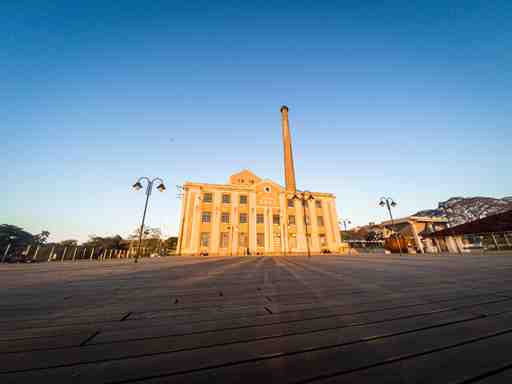
Campinas was founded in 1774 on the high plateau of Sao Paulo state where the climate suited coffee, and for much of the 19th century it was the wealthiest coffee-producing region on earth. The Mogiana and Paulista railways were built largely to move Campinas coffee to the port at Santos, and the train station that anchored the city's commercial life in the 1870s is now a cultural center. The wealth from coffee funded a city of theaters, civic institutions, and the abolitionist movement: Campinas abolished slavery within its borders before the national Lei Aurea of 1888, a distinction the city has not forgotten.
The composer Carlos Gomes was born in Campinas in 1836 and became Brazil's most famous 19th-century opera composer, celebrated in Milan and performing at La Scala before dying in Belem in 1896.
His birthplace is now a museum near the city center. But the modern identity of Campinas is built on UNICAMP, the Universidade Estadual de Campinas, founded in 1966 and now consistently ranked as one of Brazil's two or three best research universities. The technology industry that grew around UNICAMP and the adjacent Campinas technology park from the 1980s onward is why Campinas is called Brazil's Silicon Valley, with companies including CPqD, Motorola, Samsung, and dozens of semiconductor and software firms operating from its districts.
坎皮纳斯
坎皮纳斯 FAQ
Before you walk.
每条 坎皮纳斯 导览,用你的语言听。
50+ 种语言,每次预订全部含括。
🇬🇧 English🇫🇷 Français🇪🇸 Español🇩🇪 Deutsch🇮🇹 Italiano🇯🇵 日本語🇨🇳 中文🇰🇷 한국어+ 41 种更多
star AudaTours Unlimited
不止游一座城市? 订阅吧。
解锁所有 坎皮纳斯 导览——以及全球数千条更多。随时取消。
$4.99/周 · 随时取消





深受全球旅行者喜爱数千次旅途已出发。
数千次旅途已出发。
好评如潮。
App Store 与 Google Play 综合评分 4.8。这是我们反复回味的几条好评。


download 下载应用 戴上耳机。


戴上耳机。
走出去。
免费下载。每座城市都有导览。60 秒即可开始——无需账号,无需绑卡。

headphones
约 4 分钟 到第一条导览开始
public
1,000+ 全球城市
all_inclusive
AudaTours
Unlimited
每个导览。每座城市。 一份订阅。
3096 导览2272 城市138 国家50+ 种语言
$39 /年
all_inclusive 无限探索