汤斯维尔语音导览:历史文化之旅
钢白色柱子刺破蓝天,守护着汤斯维尔跳动的心脏中,现代表面下和百年蕾丝阳台后的秘密。每个街区都隐藏着鲜有游客能发现的层层玄机。 让这个自助语音导览将熟悉的街道变成一张藏宝图。按照自己的节奏漫步,解锁沉船、叛变、起义、金融丑闻以及在标志性建筑立面背后上演的传奇故事。 当潘多拉号军舰在追捕邦蒂号叛变者时遭遇不幸,随之而来的是怎样的混乱?磁力屋中哪些冒险交易让经验丰富的商人也心惊胆战?为什么阿特金森与鲍威尔大楼至今仍回荡着午夜化学家和叛逆建筑师的耳语? 穿梭于宏伟的走廊和阳光普照的小巷,冒险家和阴谋家的幽灵在此徘徊。重新发现汤斯维尔,将其视为一个充满抱负、神秘和生存的生动舞台。 准备好揭开汤斯维尔璀璨表象下的面纱了吗?您的冒险现在开始。
导览预览
关于此导览
- schedule持续时间 40–60 mins按照自己的节奏
- straighten2.8 公里步行路线跟随引导路径
- location_on
- wifi_off离线工作一次下载,随处使用
- all_inclusive终身访问随时重播,永久有效
- location_on从 昆士兰热带博物馆 开始
此导览的景点
As you approach the Museum of Tropical Queensland, look for a striking modern building with sleek, dark panels and a large, overhanging roof supported by tall white columns. It's…阅读更多收起
As you approach the Museum of Tropical Queensland, look for a striking modern building with sleek, dark panels and a large, overhanging roof supported by tall white columns. It's not hard to miss with its bold architectural statement and presence. There’s a sign that says “MUSEUM” guiding you in. The museum serves as a fascinating time machine! It offers a glimpse into North Queensland’s rich tapestry, from World Heritage rainforests to the enigmatic tale of the HMS Pandora, which sank while chasing down the famous Bounty mutineers. You’ll explore everything from prehistoric life to modern-day tropical wonders, all housed in this smart-looking building. Inside, you’ll find tales of shipwrecks and treasures that rival any pirate adventure. The museum’s collection includes an impressive replica of the Pandora’s bow and thousands of artefacts from various shipwrecks. It’s like diving into history without getting your feet wet! The museum also showcases the vibrant stories of the Aboriginal and Torres Strait Islander peoples, with an astounding array of objects and photographs bringing their rich cultural heritage to life. It’s a treasure trove of knowledge right here in Townsville. Enjoy your discovery!
打开独立页面 →As you approach Magnetic House, look to your right. You’ll notice a large, white, two-story masonry building embellished with decorative lace-like ironwork verandahs. It's like a…阅读更多收起
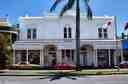
As you approach Magnetic House, look to your right. You’ll notice a large, white, two-story masonry building embellished with decorative lace-like ironwork verandahs. It's like a grand old lady wearing a delicate lace shawl. The building proudly bears the name “Magnetic House” above the entrance, flanked by arched windows that give it a touch of elegance and a dash of history. Now, let me tell you a fun little story about this landmark. Built between 1886 and 1888, Magnetic House first served as the Townsville office for the Australian Mutual Provident Society. Imagine businessmen and distinguished folks of the 1800s bustling in and out, making sure their loved ones were financially secure. Talk about planning for the future! Designed by architects C H E Blackmann and John Sulman, the building was a financial fortress of sorts, containing strongrooms for storing all the important secrets... well, documents and policies, that is. And just like a beloved treasure, it was anchored here by a cost of nearly £6,500, quite a fortune back in the day! Today, Magnetic House stands as a beautiful reminder of Townsville’s rich history, having transitioned from a hub of serious business to a spot for shops and offices. So, as you stand here, give a little nod to history and enjoy the charm of a building that was quite the gossip hub of its time!
打开独立页面 →As you approach the Atkinson & Powell Building, look to your right for a charming two-story structure with a cream and beige facade. The building boasts intricate columns, arched…阅读更多收起
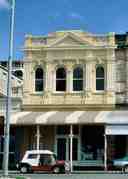
As you approach the Atkinson & Powell Building, look to your right for a charming two-story structure with a cream and beige facade. The building boasts intricate columns, arched windows, and a decorative triangular pediment at the top, giving it a touch of classical elegance. Picture a building with so much personality, it could almost be hosting its own talk show! Now, let's dive into the story of this delightful heritage-listed site. Designed in 1886 by Willoughby Powell, the building originally served as a pharmacy and a place for Powell's brother to practice dentistry-talk about family business goals! Built during Townsville's building boom in the 1880s, it survived fires that led to stricter building codes, meaning more stone and less wood. So, this structure wasn’t just charming; it was ahead of its time! Over the years, it has worn many hats-housing everything from dentists and chemists to a restaurant and oil company offices. If the walls could talk, they'd probably have quite a few stories to tell! The building is even on the Heritage Register, cementing its status as a historical gem in the heart of the city. Keep an eye out for those curved window frames that still hint at its rich past.
打开独立页面 →
再显示 12 个站点显示更少站点expand_moreexpand_less
As you walk up Flinders Street, look to your right for a charming two-storeyed building with a light-colored facade. You can’t miss the three arched windows on the upper floor,…阅读更多收起
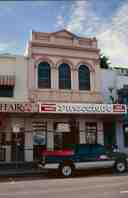
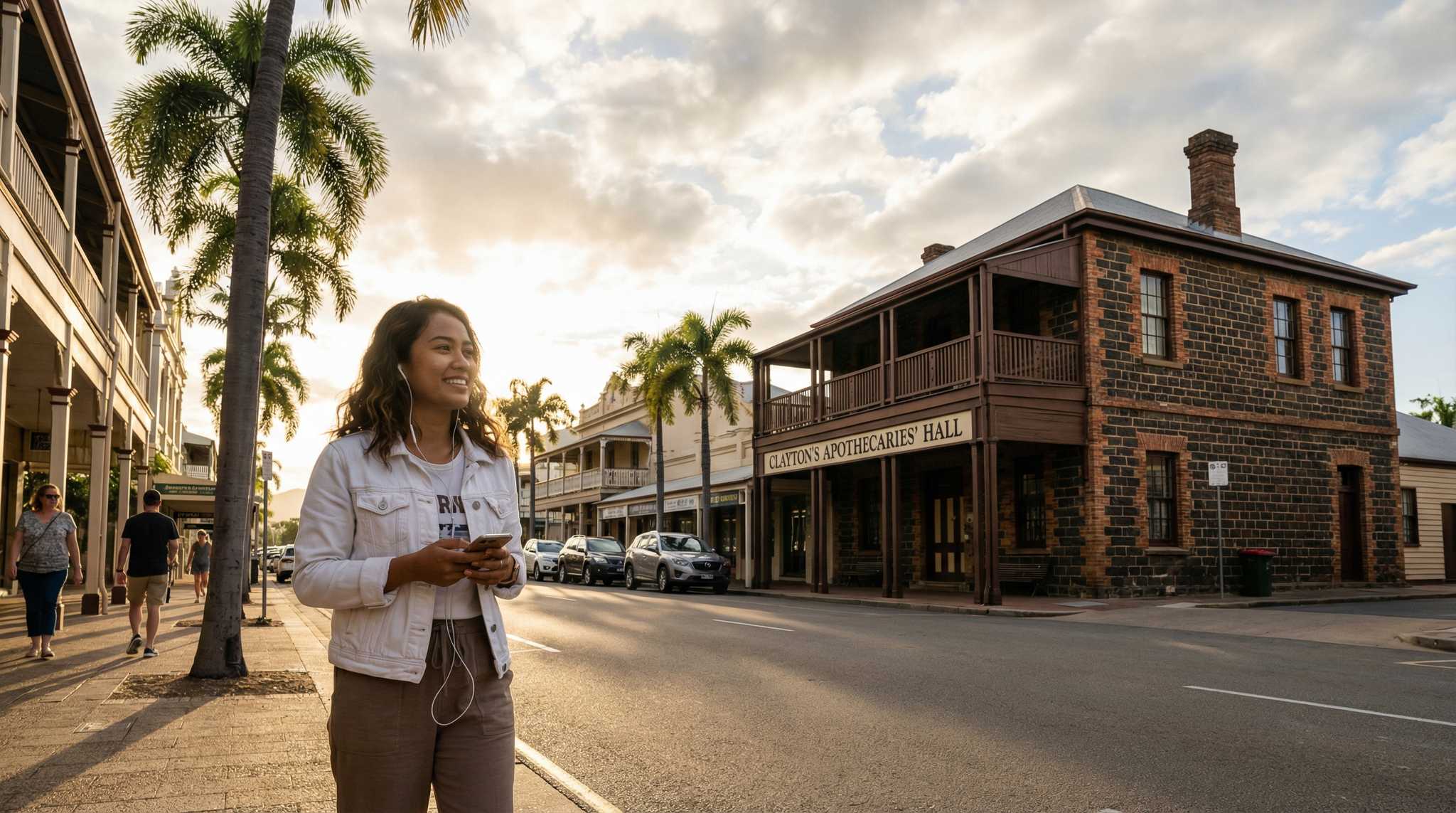
As you walk up Flinders Street, look to your right for a charming two-storeyed building with a light-colored facade. You can’t miss the three arched windows on the upper floor, framed by pilasters and topped with a central pediment. The awning above the ground level is quite distinct, too! Welcome to Clayton's Apothecaries' Hall, a building with a history as rich as a wizard's potion! Built in 1885, it was originally created for Townsville's celebrated chemist, William Clayton. Over the years, it's been a pharmacy, a restaurant, and even a pie shop. Imagine picking up a prescription and a pie in one go-talk about service! Clayton, the original owner, was quite the overachiever-an alderman, mayor, and even a master Freemason. He kept the community buzzing until 1909, when the business moved. His son continued the magic until 1920. Today, this heritage-listed gem still stands proud, a little piece of history amidst the modern hustle and bustle of Townsville. Keep your eyes open for that distinctive parapet wall, and let the architectural charm take you back in time!
打开独立页面 →As you stroll along Flinders Street, keep an eye out to your right for a grand white building with a prominent clock tower topped by a domed roof. This is the Townsville Post…阅读更多收起
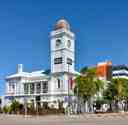
As you stroll along Flinders Street, keep an eye out to your right for a grand white building with a prominent clock tower topped by a domed roof. This is the Townsville Post Office, now home to the Townsville Brewing Company. The elegant structure you've spotted features a contrasting mixture of colonial and Renaissance architectural styles, with charming French doors and sash windows. Originally designed by John James Clark and constructed back in 1886, the building was an essential hub for communication, much like our smartphones today-but with fewer selfies. The clocktower, once dismantled during World War II, was later rebuilt in the 1960s, so it could continue watching over the bustling street. Now serving as a popular brewery, this historic landmark hasn’t lost its knack for drawing a crowd, albeit now for crafted brews rather than political rallies. The Townsville Post Office is a true testament to the city's evolution, standing proud in the streetscape for over a century. Enjoy a pint where history meets hops!
打开独立页面 →Up ahead, you’ll spot the grand and elegant Perc Tucker Regional Gallery on your right, standing proudly on the corner of Flinders and Denham Streets. This heritage-listed beauty…阅读更多收起
Up ahead, you’ll spot the grand and elegant Perc Tucker Regional Gallery on your right, standing proudly on the corner of Flinders and Denham Streets. This heritage-listed beauty boasts a two-story facade with charming arched windows and a crisp, pale color scheme that’s hard to miss. Look for colorful banners outside-a sure sign you’ve arrived! Now, let’s dive into the wonders inside! Perc Tucker Regional Gallery, pronounced like "purse," is a buzzing hub of creativity with over 2,000 artworks. It’s like a treasure chest of art, focusing on North Queensland and the Tropics. Whether it’s contemporary, historical, or Indigenous art, there’s always something intriguing to see. Opened by the Mayor in 1981, the gallery is not just about looking at art; it’s a lively place where you can join in on art classes, workshops, and even hear artists talk. The big theme here is “The Tropics," so expect art that captures the vibrant spirit of the region. And here’s a fun fact: Every second year, they host Ephemera-an outdoor sculpture exhibition along the beach that’s like a treasure hunt for your eyes. Keep an eye out for it if you’re around! So step inside and let the art transport you to the colorful world of the Tropics! Fascinated by the collection of artwork and exhibitions, ephemera or the the percival portrait painting prize? Let's chat about it
打开独立页面 →As you walk along Sturt Street, keep an eye out to your left for a grand, three-story building with an intricate cast iron verandah. This was Buchanan’s Hotel, affectionately…阅读更多收起
As you walk along Sturt Street, keep an eye out to your left for a grand, three-story building with an intricate cast iron verandah. This was Buchanan’s Hotel, affectionately nicknamed "Buchs." Look for the ornate ironwork that climbs the facade, which was once a proud display of luxury. Now, let's dive into the story of Buchanan’s Hotel. Built in 1903 by David Buchanan to replace his previously burned-down Prince of Wales Hotel, this establishment was the epitome of elegance. With its high-ceilinged bedrooms and gas lighting, it boasted comforts quite rare for its time-running water in every room and electric bells to summon staff. Talk about top-notch service! During World War II, it served as a residence for American officers, with none other than future U.S. President Lyndon Johnson staying there. The hotel was famous for its "iron lace" facade crafted by Green's Foundry, showcasing a delightful blend of Federation style with 19th-century flair. Despite its splendour, "Buchs" met a fiery end in 1982, leaving behind memories and a shell of what once was. But don’t feel too down-plans for a new "green" office block on the site keep its legacy ever-alive. So, tip your hat to the past as you admire what remains of this majestic piece of Townsville history! Curious about the construction and early history, the second world war and lyndon johnson or the after the second world war? Don't hesitate to reach out in the chat section for additional details.
打开独立页面 →As you're strolling along, keep an eye out to your right for a charming building nestled among the trees. Synod Hall is an impressive, wooden structure with a large cross on top,…阅读更多收起
As you're strolling along, keep an eye out to your right for a charming building nestled among the trees. Synod Hall is an impressive, wooden structure with a large cross on top, helping it stand out. Its façade has several windows and old-world charm, topped with a pitched roof. You might spot its distinctive verandahs peeking out from the foliage. Now, let's dive into its story. Synod Hall, originally known as Jubilee Hall, was built between 1897 and 1898 during Queen Victoria’s Diamond Jubilee. This fascinating piece of history was designed by the imaginative Walter Morris Eyre, who was quite the multitasker-an architect, civil engineer, and building inspector. The building became a social hub, hosting the Ninth Synod of the Anglican Diocese of North Queensland in 1898. It even housed a school for Japanese and Chinese children opened by Miss Florence Buchanan. And if that wasn't enough excitement, it survived Cyclone Leonta in 1902, although its Mission Hall wasn't so lucky. With its rich history intertwined with the local community, Synod Hall isn’t just a building; it's a dynamic storybook of Townsville’s past waiting to share its tales with you!
打开独立页面 →As you approach St James' Cathedral, look to your right and spot the large red-brick building standing proudly atop Melton Hill. What you'll see is a striking structure with a…阅读更多收起
As you approach St James' Cathedral, look to your right and spot the large red-brick building standing proudly atop Melton Hill. What you'll see is a striking structure with a prominent central tower and pointed arches-a classic piece of Gothic Revival architecture. Now, let's dive into the history. St James' Cathedral, a landmark since the late 19th century, was designed by Arthur Blacket for the Anglican Diocese of North Queensland. This beauty was constructed in stages, beginning in 1887. Imagine the scene back then: services were initially held at the courthouse, and the transportation of construction materials was more "horsepower" than high-tech! Originally planned with sandstone and granite, budget constraints meant the cathedral ended up being built with red brick and concrete facings. You could say it was a classic case of "creative budgeting"! Although never completed according to the original grand design, it remains a staple of Townsville's skyline
打开独立页面 →As you approach 24 Cleveland Terrace, look to your left for a charming house with a symmetrical design and a spacious veranda stretching across its front. The roof is a classic…阅读更多收起
As you approach 24 Cleveland Terrace, look to your left for a charming house with a symmetrical design and a spacious veranda stretching across its front. The roof is a classic pyramid shape, and you'll spot the central staircase leading up to the entrance, flanked by neatly manicured gardens and a quaint picket fence. Now, let’s dive into the story of Selhurst! Built in 1919, this heritage-listed house might seem like just another cozy dwelling, but it holds a piece of Townsville's history. It was probably designed by the notable Townsville architect Walter Hunt, commissioned by John Alexander Carpenter-quite the mover and shaker for the Burns Philp Company. The company was a big deal back in the day, playing a major role in North Queensland's mining and sugar booms. Carpenter managed to turn the Cairns branch into a top earner before coming to Townsville. Unfortunately, an earlier house on this spot was destroyed by fire, but out of the ashes rose Selhurst, thanks to Carpenter's vision. Imagine the stories this house could tell about the bustling early 20th century trade and the quirky characters of the Burns Philp empire. Who knew a humble home could be so historically rich? Welcome to a piece of living history!
打开独立页面 →As you approach the Drystone Wall on your right, look for a charming, rustic wall made of carefully stacked stones. It’s nestled into the hillside and accompanied by lush…阅读更多收起
As you approach the Drystone Wall on your right, look for a charming, rustic wall made of carefully stacked stones. It’s nestled into the hillside and accompanied by lush greenery, with a grand tree standing above it, offering a natural canopy. The stones are earthy in color, a mix of browns and greys, giving the wall an old-world charm that’s hard to miss. Now, let me tell you a bit about this historic marvel! This drystone wall was built way back in 1877 and is the last remaining piece of the old Townsville Supreme Court site. It's like stepping back in time, without needing a DeLorean! Originally part of the School of Arts and later transformed into the Supreme Court, this spot has seen quite a bit of action. The wall is a silent witness to Townsville's vibrant history. Legend has it that debates about where to put the School of Arts were as heated as an outback summer, but they eventually chose this hilltop spot, and aren’t we glad they did! It was designed by Charles Alexander Ward, who snagged a handsome £10 for his plans-quite the fortune back then! As you admire the wall, imagine all the lively discussions and creative ideas that bounced around the old School of Arts halls. Who knows, maybe some might bounce back at you today!
打开独立页面 →As you stroll along The Strand, keep an eye out on your right for a splash of blue and white-the striking art deco facade of the Tobruk Memorial Baths. This vibrant, rectangular…阅读更多收起
As you stroll along The Strand, keep an eye out on your right for a splash of blue and white-the striking art deco facade of the Tobruk Memorial Baths. This vibrant, rectangular building is surrounded by palm trees, giving it a real tropical vibe. The bold lettering proudly announces its name, making it easy to spot. Now, here’s a fun dive into history! The Tobruk Memorial Baths is more than just a place to swim; it’s a salute to Aussie grit and determination. Built between 1941 and 1950, it serves as a memorial to the brave servicemen who fought during the Siege of Tobruk in World War II. Despite initial public opposition due to the wartime financial strain, the project pushed through, creating this Olympic-standard oasis. With a 50-meter Olympic pool, a 25-meter heated pool, and even a toddler pool, it’s the perfect spot for swimmers of all ages. And if you’re feeling peckish, there’s an on-site kiosk to grab a snack. So, whether you’re here to make a splash or soak in some history, the Tobruk Memorial Baths is a cool spot to chill. Dive in!
打开独立页面 →As you approach Anzac Memorial Park, you’ll notice a lovely green expanse dotted with mature trees that offer a generous canopy of shade. Look for an elegant, historic drinking…阅读更多收起
As you approach Anzac Memorial Park, you’ll notice a lovely green expanse dotted with mature trees that offer a generous canopy of shade. Look for an elegant, historic drinking fountain standing prominently in the park. It's surrounded by well-maintained lawns and paths that invite a leisurely stroll or a moment of reflection. Now, let’s dive into a bit of history with a twist of fun! Anzac Memorial Park, initially called The Strand Park, has been a cherished spot in Townsville since 1912. Picture the early 1900s-a foreshore turning from a simple track to a vibrant promenade. It was a place where Townsville folks could flutter their feathers and flaunt their finest hats. The park's development is thanks in part to John Henry Tyack, who had a grand vision for this seaside gem. Along with the dreamy promenade and a touch of moonlight magic, a splendid bandstand eventually made its debut in 1913, with ironwork fancy enough to match the prestigious Queen’s Hotel nearby. So, as you walk through Anzac Memorial Park, imagine the echoes of band music and the rustle of cedar and banyan trees coming alive under the clear Queensland skies.
打开独立页面 →As you walk along, keep an eye to your right for a grand, red-brick building with a distinctive circular structure on top. You'll notice its classic, ornate columns and the red…阅读更多收起
As you walk along, keep an eye to your right for a grand, red-brick building with a distinctive circular structure on top. You'll notice its classic, ornate columns and the red roof that caps off its elegance. The Townsville Customs House stands proudly with its beehive-style dome and welcoming arches. Now, let me tell you about this charming landmark! The Townsville Customs House is a heritage gem, designed by George David Payne and constructed from 1900 to 1902. It’s like the James Bond of customs houses-it's the fourth one built in the area, but it has that timeless, suave appeal. Back in the mid-1860s, Townsville was established as a port to serve the blooming pastoral and gold industries. Despite competition from neighboring ports, Townsville became a crucial gateway. Robert Towns, one of Australia’s top businessmen, and John Melton Black made sure of that! With floods sometimes cutting off other ports, they saw the golden opportunity (quite literally, thanks to nearby gold discoveries) and lobbied for Townsville to become a vital entry point. By 1865, it was proclaimed a "Port of Entry and Clearance," and thus, began its journey into becoming an administrative center. The Customs House we see today reflects the growth and prosperity of the region from those early days. With its strategic location and historical significance, it's no wonder this building made it to the Queensland Heritage Register in 2005. So, take a moment to admire this stalwart of Townsville’s history, which has witnessed the city’s transformation over the decades.
打开独立页面 →You're approaching the grand finale of our tour: the Queen's Hotel. As you walk along, look to your left. You'll spot an impressive heritage-listed building that stands out with…阅读更多收起
You're approaching the grand finale of our tour: the Queen's Hotel. As you walk along, look to your left. You'll spot an impressive heritage-listed building that stands out with its elegant arches and intricate wrought iron verandas. The Queen's Hotel is a two-storey masonry beauty, originally built from 1902 to the 1920s. It started life as a two-storey timber structure back in 1872, gaining fame for its impeccable service and hosting visiting dignitaries. John Henry Tyack took it up a notch, turning it into the finest hotel in North Queensland with a new brick structure. Architects Eaton, Bates & Polin, respected leaders of their time, designed the building. Its distinct style was realized through multiple stages of construction, evolving from modest beginnings to a grand establishment. The building has seen transformations and extensions, including significant work in the 1920s by architect Walter Hunt. Imagine this hotel in its heyday: hosting elegant events, bustling with high-profile guests, and even complemented by a cast-iron bandstand with matching balustrades. The architectural elegance and historical significance make the Queen’s Hotel a true gem of Townsville. It's like stepping back into an era of opulence, so take a moment to soak it all in.
打开独立页面 →
常见问题
如何开始导览?
购买后,下载 AudaTours 应用并输入您的兑换码。导览将准备好立即开始--只需点击播放并按照 GPS 引导的路线行驶即可。
导览期间我需要互联网吗?
不需要!开始前下载导览并完全离线享受。只有聊天功能需要互联网。我们建议在 WiFi 下下载以节省移动数据。
这是导游带领的团体游吗?
不是--这是自助语音导览。您按照自己的节奏独立探索,通过手机播放音频解说。没有导游,没有团体,没有时间表。
导览需要多长时间?
大多数导览需要 60-90 分钟才能完成,但您完全控制节奏。随时暂停、跳过站点或休息。
如果我今天无法完成导览怎么办?
没问题!导览具有终身访问权限。随时暂停和恢复--明天、下周或明年。您的进度已保存。
有哪些语言可用?
所有导览均提供 50 多种语言版本。在兑换代码时选择您的首选语言。注意:导览生成后无法更改语言。
购买后我在哪里访问导览?
从 App Store 或 Google Play 下载免费的 AudaTours 应用。输入您的兑换码(通过电子邮件发送),导览将出现在您的资料库中,准备下载并开始。
如果您不喜欢该导览,我们将退款。请联系我们 [email protected]
安全结账使用