
50+ languages

 Tashkent · Uzbekistan
 Tashkent Audio Tours
Discover Tashkent with self-guided audio walking tours
headphones
1 tours
pin_drop
20 landmarks
translate
Top landmarks
The Tashkent everyone knows.
The landmarks in every guidebook — and the tours that tell you what guidebooks don't.
A few words on Tashkent
Silk Road city. Soviet blueprint. Central Asian spirit.
Tashkent's name comes from the Turkic for stone and the Persian for city -- a stone city, settled since at least the 3rd century BC, known then as Chach. It prospered on the Silk Road, was destroyed by Genghis Khan in 1219, recovered, thrived under the Timurids, was conquered by Tsarist Russia in 1865, and then became capital of Soviet Uzbekistan. A 1966 earthquake that killed 78,000 people and left 300,000 homeless gave Soviet planners the opportunity to rebuild the entire center from scratch -- which they did, with wide tree-lined avenues, enormous parade squares, and Modernist civic buildings that remain in use today.
The Chorsu Bazaar, the sprawling domed market in the old city, predates the Soviet reconstruction by centuries.
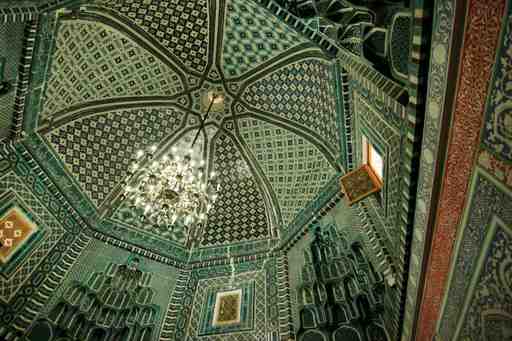
Blue-tiled domes mark the entrances to sections selling bread, spices, dried fruit, meat, and bolts of ikat silk. The Kukeldash Madrasa, a 16th-century Islamic school adjacent to the bazaar, was repurposed as a caravanserai under Russian rule and is now being slowly restored. The Alisher Navoi Opera and Ballet Theatre, completed in 1947, was built by Japanese prisoners of war from World War II and remains one of the finest examples of Soviet Orientalist architecture anywhere.
Tashkent
Tashkent FAQ
Before you walk.
Every Tashkent tour, in your language.
All 50+ languages, included with every booking.
🇬🇧 English🇫🇷 Français🇪🇸 Español🇩🇪 Deutsch🇮🇹 Italiano🇯🇵 日本語🇨🇳 中文🇰🇷 한국어+ 41 more
star AudaTours Unlimited
Visiting more than one city? Subscribe.
Unlock every Tashkent tour — plus thousands more worldwide. Cancel any time.
$4.99/week · Cancel anytime

More in Uzbekistan
Explore Uzbekistan arrow_forwardOther cities to walk in Uzbekistan.


Loved by travellersThousands of tours started.
Thousands of tours started.
Plenty of opinions.
4.8 across the App Store and Google Play. Here's a few we keep coming back to.
starstarstarstarstar
This tour was such a great way to see the city. The stories were interesting without feeling too scripted, and I loved being able to explore at my own pace.

Jess
Tbilisi Tourstarstarstarstarstar
This was a solid way to get to know Brighton without feeling like a tourist. The narration had depth and context, but didn't overdo it.

Christoph
Brighton Tourstarstarstarstarstar
Started this tour with a croissant in one hand and zero expectations. The app just vibes with you, no pressure, just you, your headphones, and some cool stories.

John
Marseille Tourdownload Get the app Pop your headphones in.


Pop your headphones in.
Step outside.
Free to download. Tours in every city. Start in 60 seconds — no account, no card.

headphones
~ 4 min until your first tour starts
public
1,000+ cities worldwide
all_inclusive
AudaTours
Unlimited
Every tour. Every city. One subscription.
3096 tours2272 cities138 countries50+ languages
$39 /year
all_inclusive Explore Unlimited