
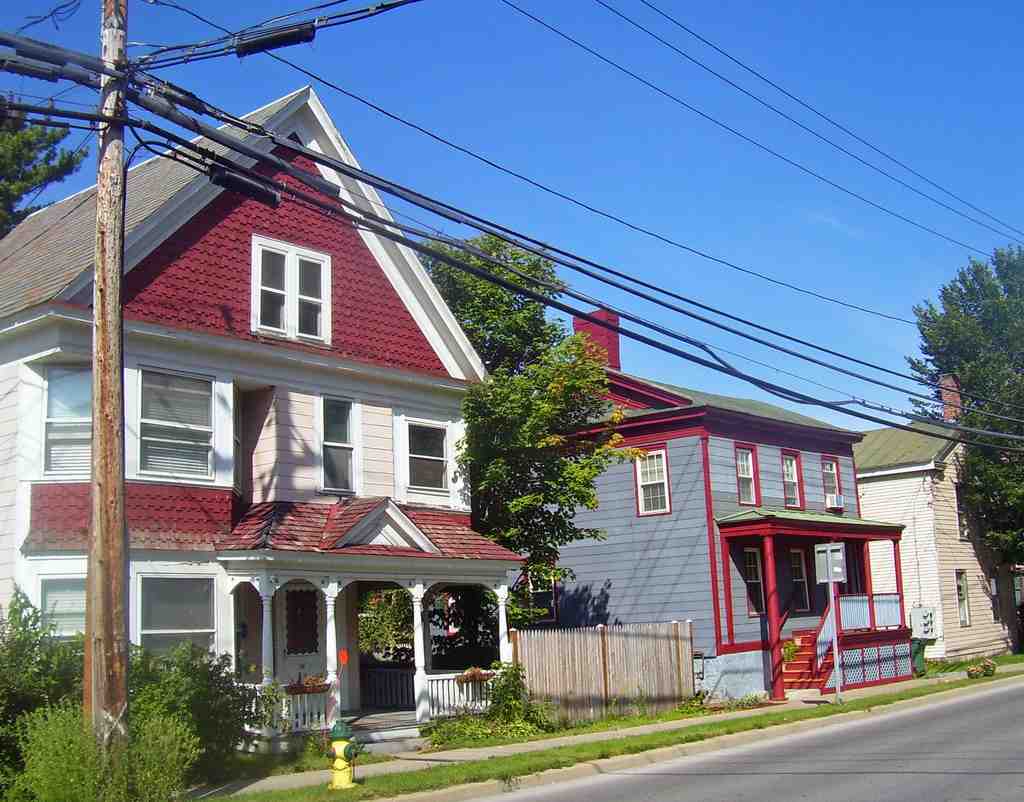
In front of you, you’ll see rows of charming, colorful wooden houses nestled close together on narrow lots, their porches and steep gabled roofs creating an almost storybook neighborhood scene-just look across the street and you’ll catch them standing shoulder to shoulder like old friends sharing the latest town gossip.
Now, take a deep breath and let yourself imagine the layers of history swirling around you here in the West Side Historic District. If these old houses could talk, what tales they’d tell! Picture yourself here not in 2024, but back in the 1800s, when Saratoga Springs was a booming resort town and this very neighborhood was alive with the clatter of horse-drawn wagons, the smell of wood smoke, and the busy sounds of working-class families going about their day.
This district first began to form after an epic real estate drama-a land patent dispute, stretching all the way back to 1708! By the late 1700s, lots were being divided and sold. Henry Walton, one of the early landowners, dreamed big and built a country estate called Wood Lawn. He was soon in heated competition with Gideon Putnam, who was developing hotels near sparkling mineral springs just to the south. Both men were buying up land, selling lots, and attracting settlers-so many, in fact, that by 1813 the first city map showed new streets like Church and Van Dam. Can you hear the creak of wagon wheels on those fresh dirt lanes?
The district really found its identity when the Saratoga and Schenectady Railroad barreled into town in 1833. The tracks ran just west of Broadway, pulling travelers and workers right into these blocks. Not everyone prospered equally-while the wealthy built grand summer homes on the city’s east side, the West Side became the home of workers who powered the hotels, spas, and railroads. Irish and Italian immigrants poured in, adding layers of culture and a little chaos-earning parts of the area the nickname “Dublin.”
You’d hear children laughing, the clang of hammers as new cottages went up, and neighbors calling hellos from open porches. Franklin Square became the most fashionable address here, drawing larger, fancier Greek Revival homes, but just a block away you could find humble worker cottages: cozy, wooden buildings with simple porches, many barely decorated, their little yards filled with vegetable gardens (and probably some chickens on the loose). By 1880, the city’s population had more than tripled, and most of those new faces settled right here.
But times change. When gambling was outlawed in 1907, Saratoga’s golden age faded fast. The fancy casino became a city park, and later, urban renewal swept away some of the older, worn-down buildings where railroad tracks once ran. Skidmore College eventually moved into the northern edge of this land, and part of the old Woodlawn estate became a retirement community.
The feeling, though-the spirit of the neighborhood-still lingers. Thanks to the city’s Design Review Commission, the historic look of these old homes is protected. From the upscale townhouses of Franklin Square to the compact, hardworking cottages on State and Van Dam, each house is a window back in time. Look closely and you’ll spot all kinds of tales in their details: the fancy porch railings of a house meant to impress, the plain clapboard siding of one built just to shelter a family.
So, as you stand beneath these porches and lean against these old fences (don’t worry, I won’t tell the neighbors), take a moment to listen. There’s a whole city’s worth of stories in these streets, just waiting for you to discover the next chapter.
For a more comprehensive understanding of the geography, architecture or the significant contributing properties, engage with me in the chat section below.


