
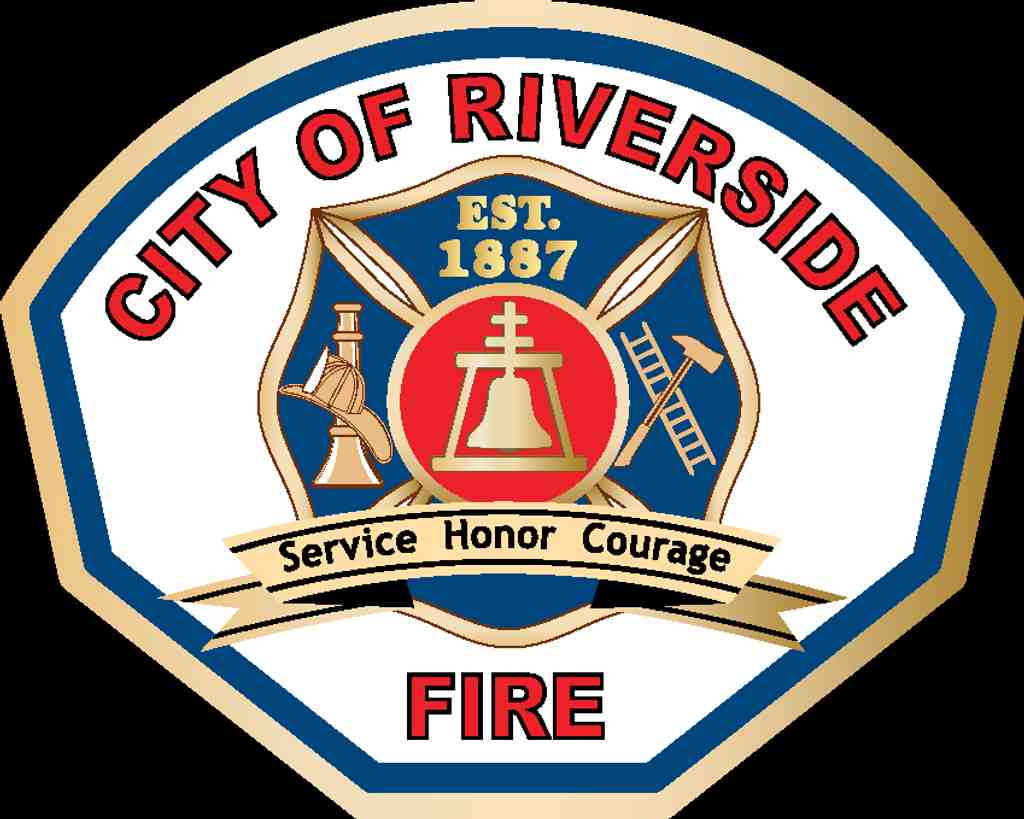

Standing here on the right side, facing the main entrance, look for the bold metal insignia marking the station, a sharp hexagonal shield edged in dark blue, featuring a bright red cross and a gleaming gold bell in its center. In the late nineteenth century, this growing town faced a brutal trial by fire. Wooden structures dominated the landscape, meaning a single rogue spark could erase entire livelihoods in minutes. The citizens had to fight the flames themselves or risk losing everything they had built. Back in 1882, an unorganized group of volunteers was all that stood between the town and total destruction. Frank Miller, the ambitious owner of the Mission Inn, persuaded local businessmen to chip in 500 dollars, which is roughly 15,000 dollars today, for a simple wagon and fire buckets. But a man named William Hayt knew that was not enough. Hayt pushed the city Board of Trustees for a complete, official fire department. He offered to raise half the money and put up the rest himself. His sheer willpower paid off, and the Riverside Fire Department was officially born on October 7, 1887. They started with a chief, two assistants, a clerk, and fifty volunteers operating out of a simple shed. Their gear, including a hose reel and a hook and ladder, a long wagon carrying extension ladders for reaching tall buildings, was entirely pulled by manpower. Picture dozens of men sprinting down dirt roads, dragging heavy wooden carts with nothing but muscle and adrenaline.

They needed that adrenaline on April 21, 1888. A catastrophic blaze broke out at the Pavilion, a sprawling wood frame building used for theaters and dances. The flames consumed the massive structure with terrifying speed, spreading wildly until they devoured the entire city block. It was an absolute inferno. Yet, through pure grit and their brand new training, those early firefighters held the line. They stopped the blaze from jumping further, saving the rest of Riverside highly flammable downtown from being completely wiped off the map. They proved their worth, and the city ultimately invested in their future. By 1909, they even replaced their beloved fire horses with a loud, smoke belching gasoline truck that cost 4,750 dollars, or roughly 160,000 dollars today. The people who stepped up, faced absolute ruin, and pushed forward to protect their neighbors truly forged the resilient backbone of this community. This active station is open twenty four hours a day, always ready for the next call. Now, let us keep moving toward a masterpiece designed by a pioneering female architect, as we take a quick three minute walk over to our next stop, the Riverside Art Museum.


