
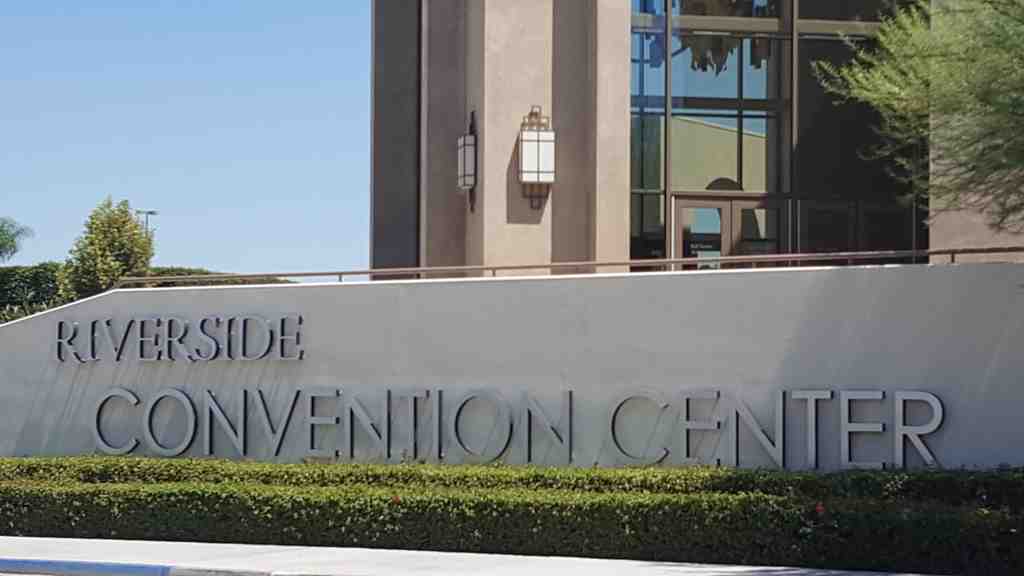
Look for the smooth concrete sign wall with raised metal lettering standing guard in front of the tall stucco tower and its massive grid of dark vertical glass. Updating the city's architectural footprint is never just about pouring fresh concrete... it usually means confronting the toxic ghosts of the past.
As you stand looking at this massive facade, imagine what lies beneath. When the city decided to completely rebuild this site in 2014, they wanted to ditch the 1970s vibe that lacked a wow factor and replace it with something grander. They envisioned a towering sixty six foot structure featuring elegant arched windows and rich rosewood panels to reflect the classic Spanish and Mission Revival styles seen just moments ago at the nearby Mission Inn.
But when crews started gutting the original 1976 building, they stumbled into a nightmare. They uncovered hazardous materials lurking practically everywhere. Toxic substances were hiding out in the parking structure, the transit storm drain, the subterranean piping, and even in the mastic glue... a heavy resin based adhesive used back in the day to secure floor tiles. Suddenly, a routine demolition became a massive environmental hazard. The project could have completely derailed.
This is where we see true community resilience. Rather than panicking, the team completely overhauled their schedule. They safely removed every trace of the toxins and rebuilt the entire mechanical system. Incredibly, workers logged over two hundred thousand hours of labor in these dangerous conditions without a single lost time accident. The forty three point six million dollar rebuild miraculously opened on time in March 2014, earning a prestigious national safety award.
The center operates every day from 8 AM to 5 PM, hosting countless events across its modern footprint. But our journey is nearly complete. Next, we will walk about five minutes away to discover a humble home with a monumental legacy... the Harada House.


