
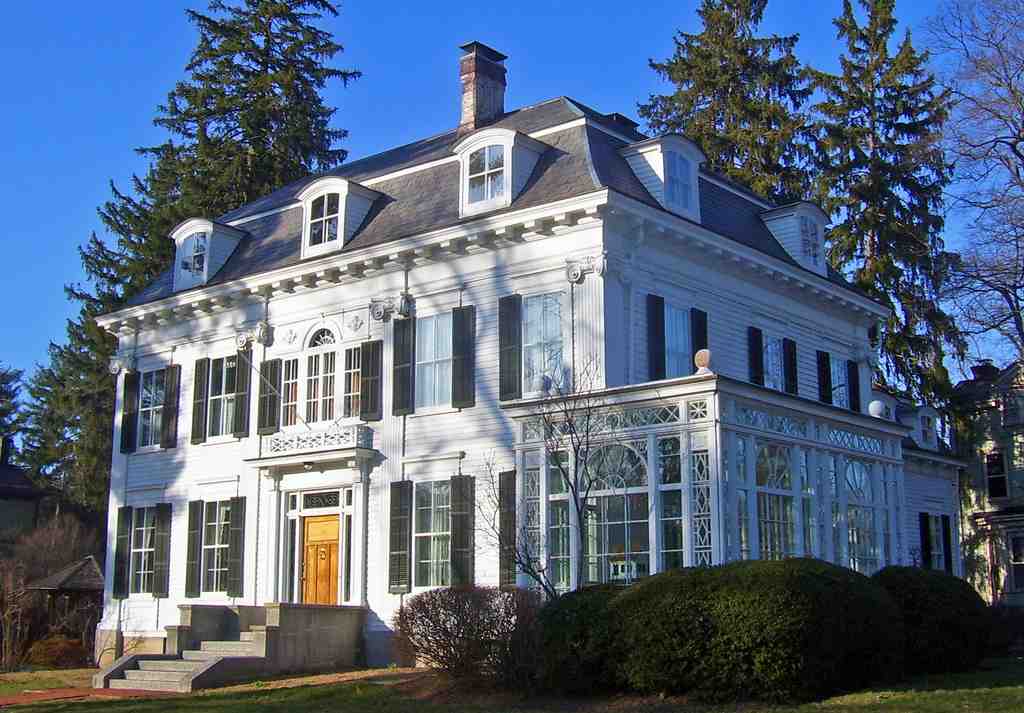
Look for a grand white house with lots of black shutters, a steep mansard roof, and a sun-drenched glass conservatory gracing one side-right on the corner, framed by towering evergreens.
There it stands, the Thomas Nast Home, or as he liked to call it, Villa Fontana-a Second Empire beauty just waiting for you to imagine the smell of fresh ink and the sound of scratching pens from the 1870s. Picture yourself in Morristown, just after the Civil War, where the quiet air outside is suddenly interrupted by scribbles and shouts of laughter upstairs as Thomas Nast dreams up his next big cartoon. Nast lived and worked right here, in a cozy upstairs bedroom, turning ordinary news into powerful satire for Harper’s Weekly. This is the home where he created unforgettable images: yes, Santa Claus as we know him, plus the donkey and elephant for the Democrats and Republicans-so if you're still wondering who to thank for those political animal mascots, it's the man who lived behind that solid wooden door.
Nast’s art wasn’t always a laughing matter, though. His sharp ink took down political machines like Boss Tweed and Tammany Hall. You can almost sense the tension of the day as angry politicians tried to outwit a cartoonist armed with nothing but paper and a wicked sense of humor. While Nast brought joy to many with his plump, jolly Santa, his illustrations of immigrants-especially the Irish-sparked plenty of controversy. As the world changed, tastes shifted, and his star faded; Nast finally accepted a post in Ecuador, where his incredible journey ended. But the walls here still hold echoes of American legends and artistic rebellion. As you stand in front of the crooked dormers and pilastered corners, imagine Nast sketching a future few could have predicted-one where his characters would outlive him for generations.




