
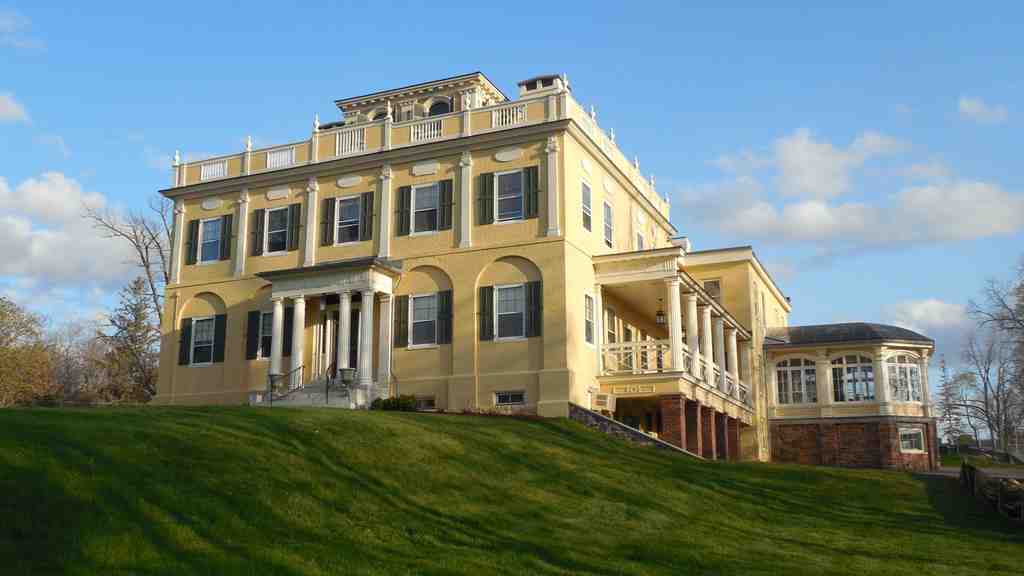
Look to your right at the large, box-shaped brick mansion painted a creamy yellow, crowned by a prominent rooftop cupola, a small dome-like observation structure, surrounded by a white balustrade.
The history of this city is often written in the grand estates that line its streets. Massive personal wealth shaped these monumental homes, transforming the landscape as ambitious men sought to carve their legacies into the very architecture. But wealth is a fragile foundation. The land this house sits on was originally owned by Ira Allen, a founder of the University of Vermont and a celebrated officer in the American Revolution. He lost this land to a local merchant named Thaddeus Tuttle, who built this estate in 1804, only to die in utter ruin.
While Ira Allen was abroad in Europe attempting to buy arms for the Vermont militia, he was arrested and detained for several years. During his prolonged absence, Tuttle seized his opportunity. Historical accounts reveal that Tuttle falsified land records to steal the property right out from under Allen.
Tuttle poured his ill-gotten gains into constructing this sophisticated example of Federal domestic architecture, an early American building style known for strict symmetry and classical details. If you look at your screen, you can see these features closely, like the elegant columns of the portico and the prominent fanlight window above the main entrance. He built a monument to his own success. Yet his mercantile business operated almost entirely on barter, exchanging goods rather than handling actual cash. Without hard currency flowing in, the staggering cost of maintaining this massive estate was simply more than he could bear.
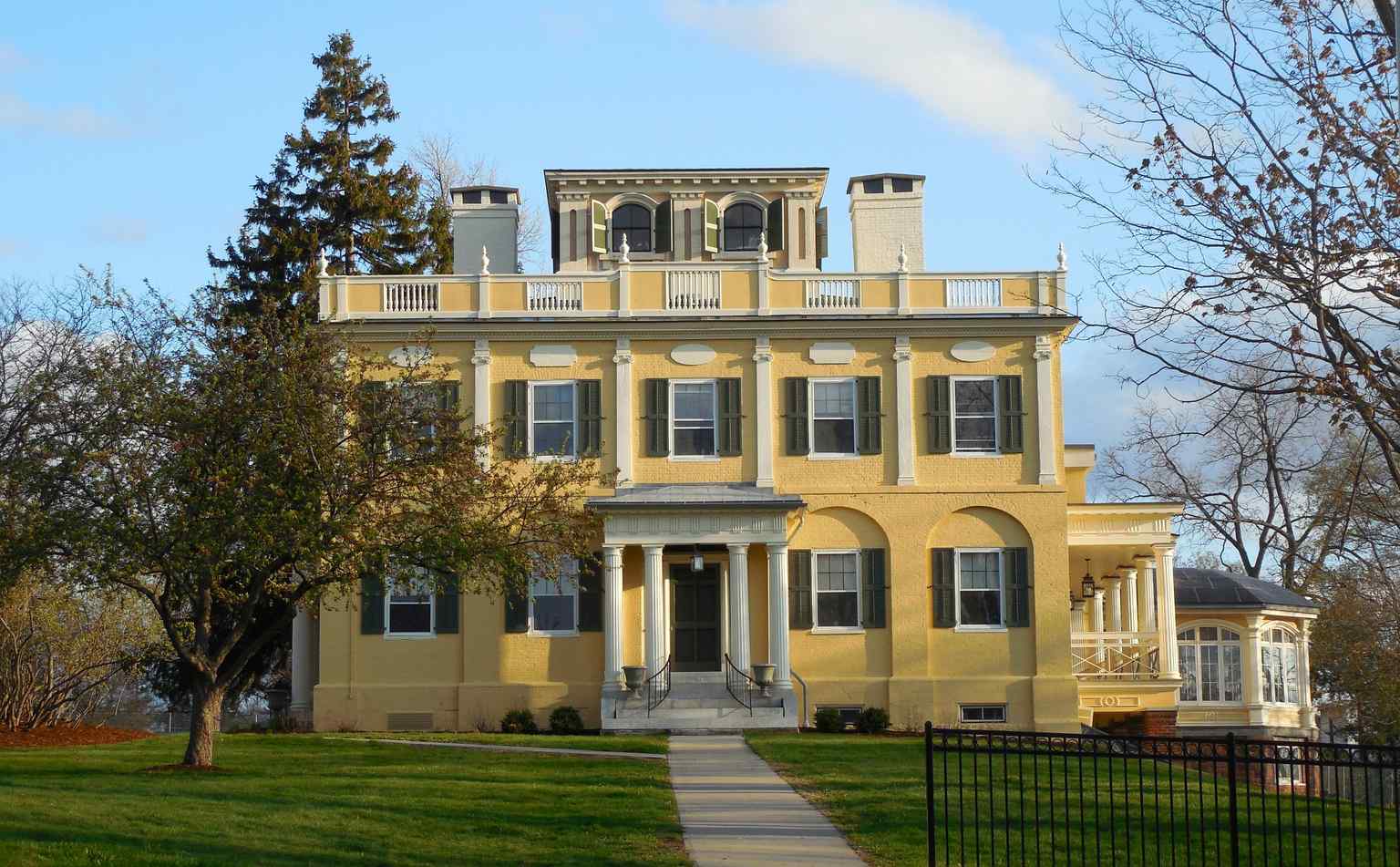
By 1824, his financial empire had collapsed. Bankrupt and defeated, Tuttle was forced to sell the estate for just six thousand dollars, roughly one hundred and seventy thousand dollars today. He spent his final years living modestly in a store building just west of the estate, forced to watch other men enjoy the mansion he built.
The tragic loss of his fortune and home left a heavy mark on the property. According to local folklore, the ghost of Thaddeus Tuttle still haunts these halls, desperately trying to reclaim in death what he lost in life. Over the years, staff and students have reported hearing strange voices in empty rooms and witnessing heavy doors being slammed shut by invisible hands.
Despite its dark beginnings, the estate found a higher purpose. In 1895, the University of Vermont purchased the mansion and converted it into the university's very first women's dormitory, a bold step in the city's continuous cycle of growth and adaptation. You can look at the before and after image on your app to see how the estate evolved from a private residence into a historic campus cornerstone.
These cycles of ambition and ruin define the shifting fortunes of this city. There are other monuments to immense wealth waiting for us just down the street, so let us continue on to the Daniel Webster Robinson House.


