
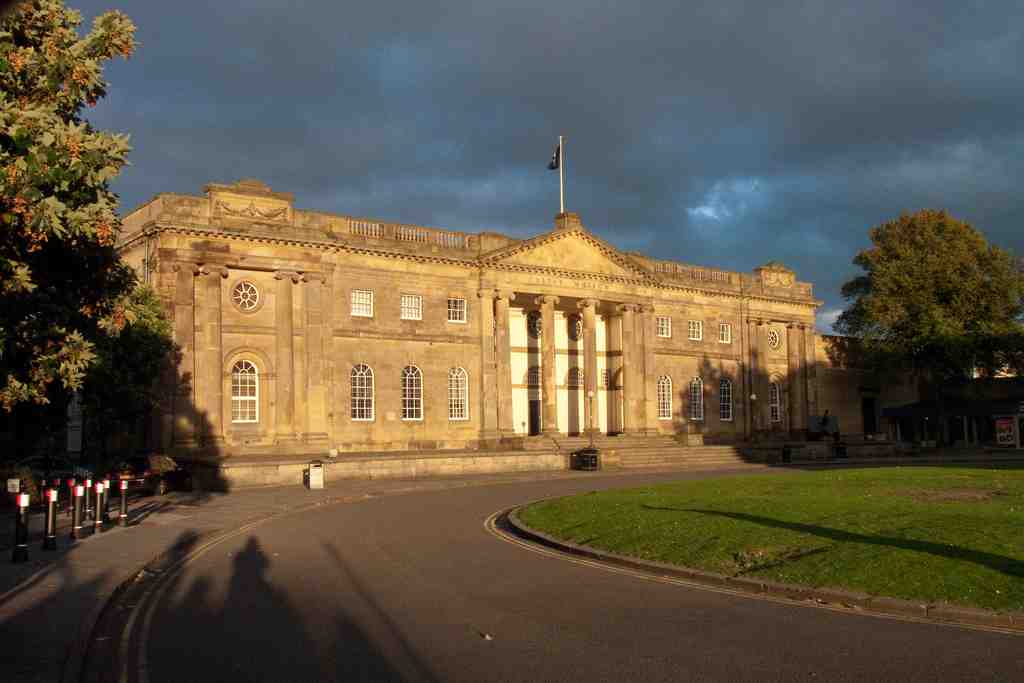
To spot the York Castle Museum, look straight ahead for a grand, sand-coloured building with tall columns, arched windows, and a flag fluttering above its central portico.
Welcome to York Castle Museum! Imagine yourself stepping into an old prison yard, the stone echoing beneath your feet and the distant shouts of former inmates still swirling in the Yorkshire air. This museum isn’t just a building-it’s a patchwork quilt of lives, stories, and even a bit of mischief woven right into York’s ancient heart. The museum stands where William the Conqueror plonked down a mighty castle back in 1068, daring anyone to challenge him, but today’s structure is a little less medieval and a lot more inviting!
Now, let me paint a picture: in the early 1700s, before beanbags and video games, this impressive building was actually a prison for debtors-yes, people who owed money got sent here! They built it from old Tadcaster limestone, stacking the great blocks together to form these imposing walls. The central part of the building is capped with a neat cupola and clock, and if you look closely, you’ll see traces of its grim past, especially inside where notorious characters like Dick Turpin once paced in their cells, hearts pounding as they waited to face the judge. A bit more dramatic than being late with your rent, eh?
The real magic of the museum started in 1938, thanks to a chap named John Kirk, a country doctor with a serious love for all things old and curious. He collected "bygones"-things people used to use, from hats and hairbrushes to more peculiar knick-knacks, all stuffed into boxes around his house! When York finally agreed to display his collection, the dusty old Female Prison, just across the bailey, was ready for a new lease on life. They even knocked down walls to join it to the Debtors’ Prison, linking the two buildings forever.
Now imagine, just before World War II, a young woman named Violet Rodgers began working as Deputy Curator. When John Kirk passed away, Violet took over and steered the museum through the dark years of the war. Faint air raid sirens sometimes drifted in from the city, but inside, visitors could handle the historic treasures and imagine life long before iPhones existed.
In the years after the war, the museum grew, adding quirky spaces like the Edwardian Half Moon Court and even moving an entire flour mill-Raindale Mill-from the windswept North York Moors to the grounds out back. You can almost hear the grind of millstones echoing through the gardens on a quiet afternoon.
But wait, before you dash off, let’s walk together down the museum’s most magical lane-Kirkgate, a full Victorian street complete with shops, cobbles, and maybe even the ghost of a stern schoolmistress! In 2012, they made the experience even richer, showing not just the shiny shopfronts, but the tough back alleys and shadowy corners where life’s struggles played out.
The York Castle Museum adapts with the times-surviving bomb threats, budget woes, and even the recent attack of a rare roofing material called RAAC, which closed part of the site in 2023-honestly, if these walls could talk, they might ask for a holiday! Yet through it all, the museum keeps reinventing itself, hosting playful and powerful exhibitions about toys, fashion, the First World War, even the heartbreak of broken relationships.
So as you stand here, maybe feeling the wind tug at your collar, remember: these stones have witnessed prisoners’ dreams, doctor’s ambitions, children’s laughter, and Yorkshire’s stubborn resilience. If you listen closely, you might even catch a whisper of the past telling you, “History isn’t just in books; it’s all around you-just waiting for someone curious enough to look.” Shall we see what else York is hiding?
Interested in a deeper dive into the buildings, curators or the awards? Join me in the chat section for an insightful conversation.


