
To spot St Olave’s Church, look for a cozy stone building with a high, arched entrance and pointed stained glass windows peeking above the sturdy Abbey walls, right along the quiet street of Marygate.
Here we are, just outside St Olave’s Church-pronounced ‘Olive,’ but don’t expect to find it on a pizza. Now, imagine for a moment the year is 1055. The sound of hammers rings out as builders raise this church right beside the grand walls of St Mary’s Abbey. The church takes pride in being the first ever dedicated to St Olaf, the axe-wielding, seafaring patron saint of Norway. Rumor has it, if you listen closely on a cold night, you can hear the eerie creak of a Viking longship landing within these stone walls.
Now, let’s take a peek at the man behind it all-Siward, Earl of Northumbria. Imagine a hulking warlord with an iron helmet, beard like a lion’s mane, who lived just around the corner, right here in Galmanho. When he passed away, he asked to be buried in his brand-new church, so it became both his gift to God and his permanent address. For over a thousand years, folks have whispered his name in awe, wondering if his spirit still keeps an eye on things.
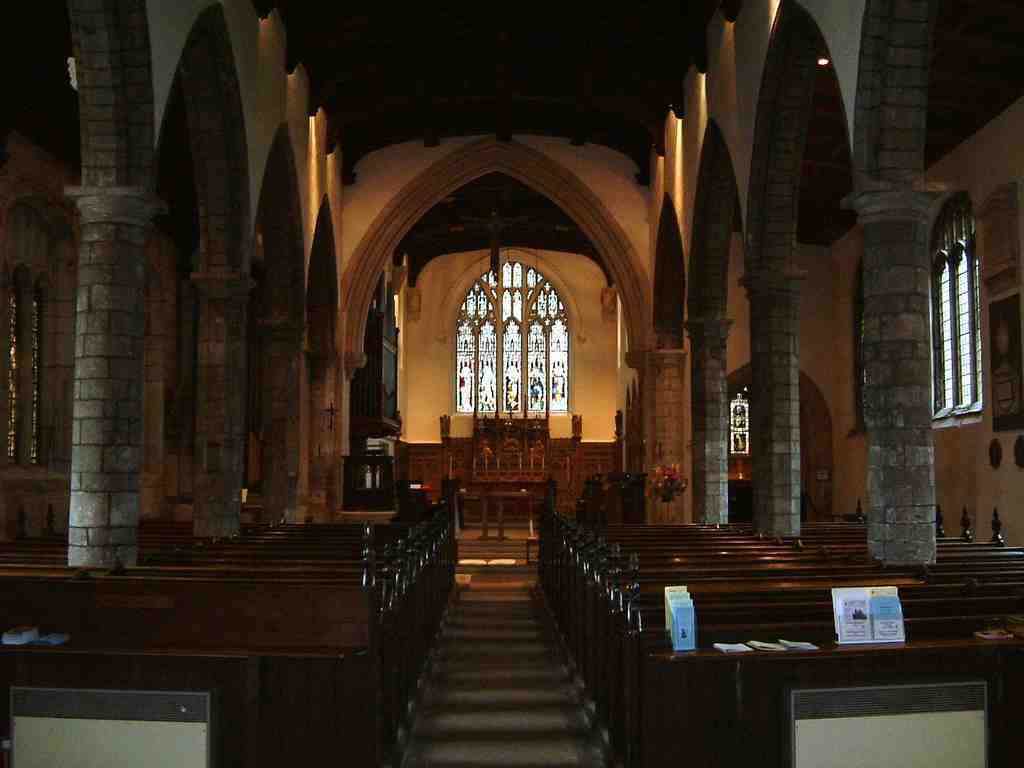
Over the centuries, St Olave’s took quite a beating. Wars thundered outside its walls, the Abbey next door fell to ruins during Henry VIII’s Dissolution, and sometimes, the stone church felt more like a fortress than a place of prayer. But it always stood strong. In the 15th century, the church was mostly rebuilt, giving us those elegant pointed arches and tall pillars you see today. Drop by in the 1720s, and you’d have seen busy workers knocking windows through thick old walls once used as part of the city’s defenses. The sounds of their work must have echoed through the nave.
Restorations in the Victorian era brought a fresh burst of life. The ceiling was pulled down, arches cleaned, and a splendid chancel was added. Today, this church glows with 15th-century charm. The stunning stained glass windows throw rainbows of light across ancient memorials and the polished wood of the pews, which every Sunday fill with a choir whose soaring music fills the air.
St Olave’s carries quieter stories, too. It’s the burial place of Siward himself and home to the memories of artists, scholars, and warriors who once shaped York. Now, every note from the famous organ and every peal of six mighty bells reminds us: this is a church built to last-a place of peace, music, and maybe, just maybe, the odd Viking looking on with pride.


