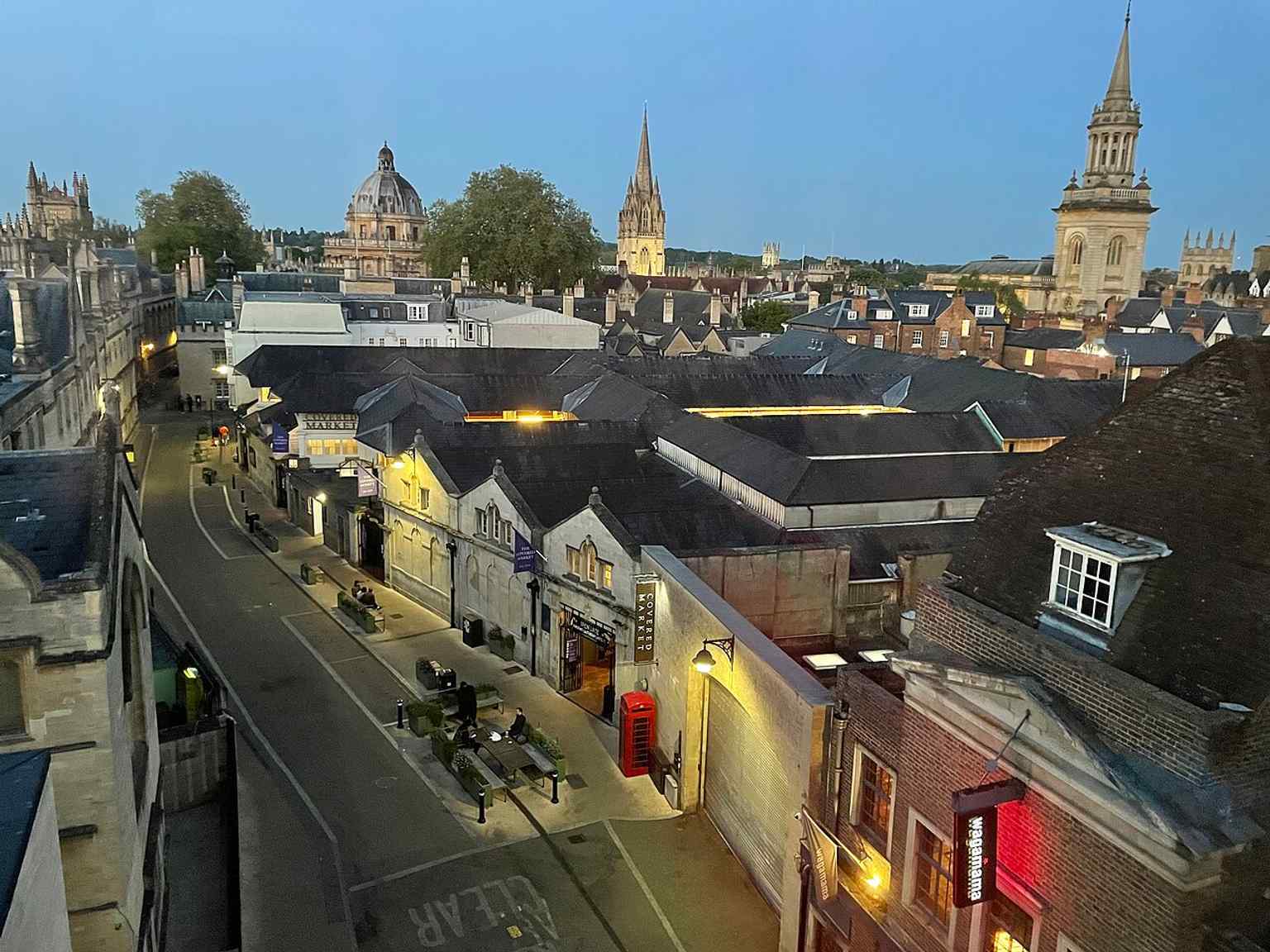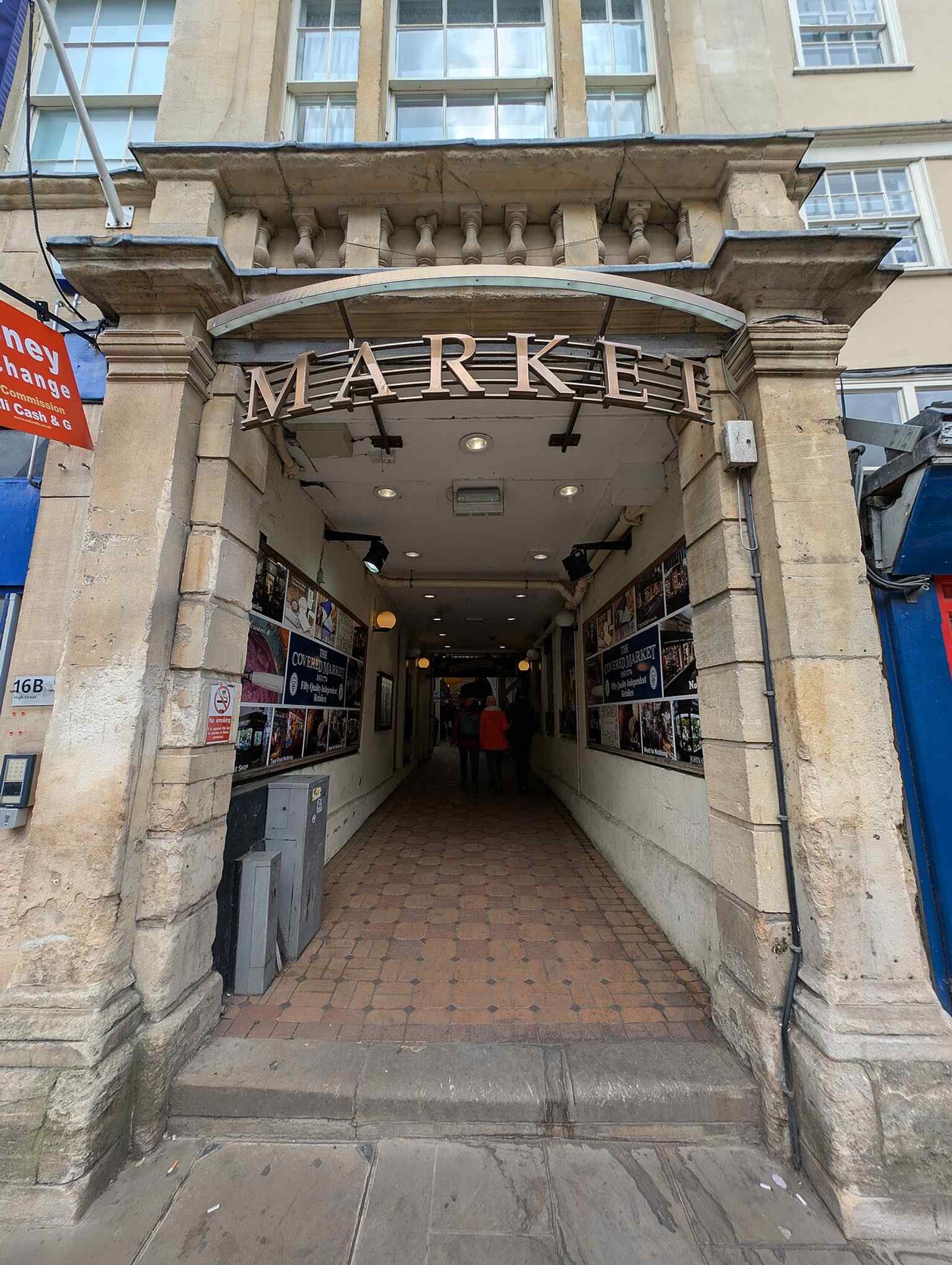
On your left, look for a long pale-stone frontage with a row of tall arched openings and a plain roofline behind it: that repeated arcade is the Covered Market.
Oxford built this place to clear “untidy, messy and unsavoury” meat stalls off the High Street. In seventeen seventy-two, a new market committee - half town, half university, because Oxford likes shared control almost as much as it likes an argument - accepted an estimate of nine hundred and sixteen pounds and ten shillings for twenty butchers’ shops, roughly one hundred and fifty thousand pounds in today’s money. John Gwynn, the architect who also designed Magdalen Bridge, drew up the plans, including this High Street front with its four entrances, and the market officially opened on the first of November, seventeen seventy-four. After seventeen seventy-three, meat could be sold only inside the market.
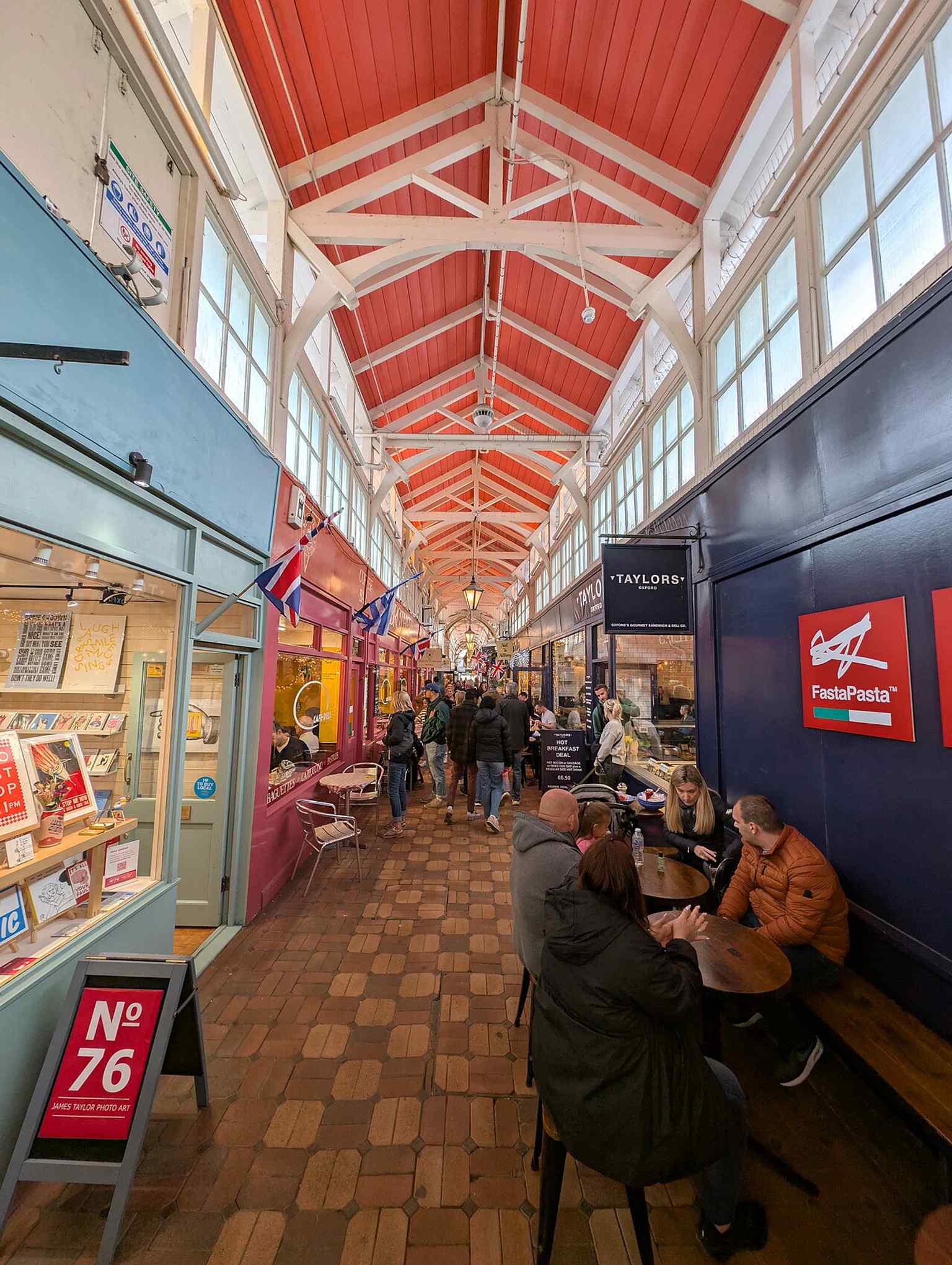
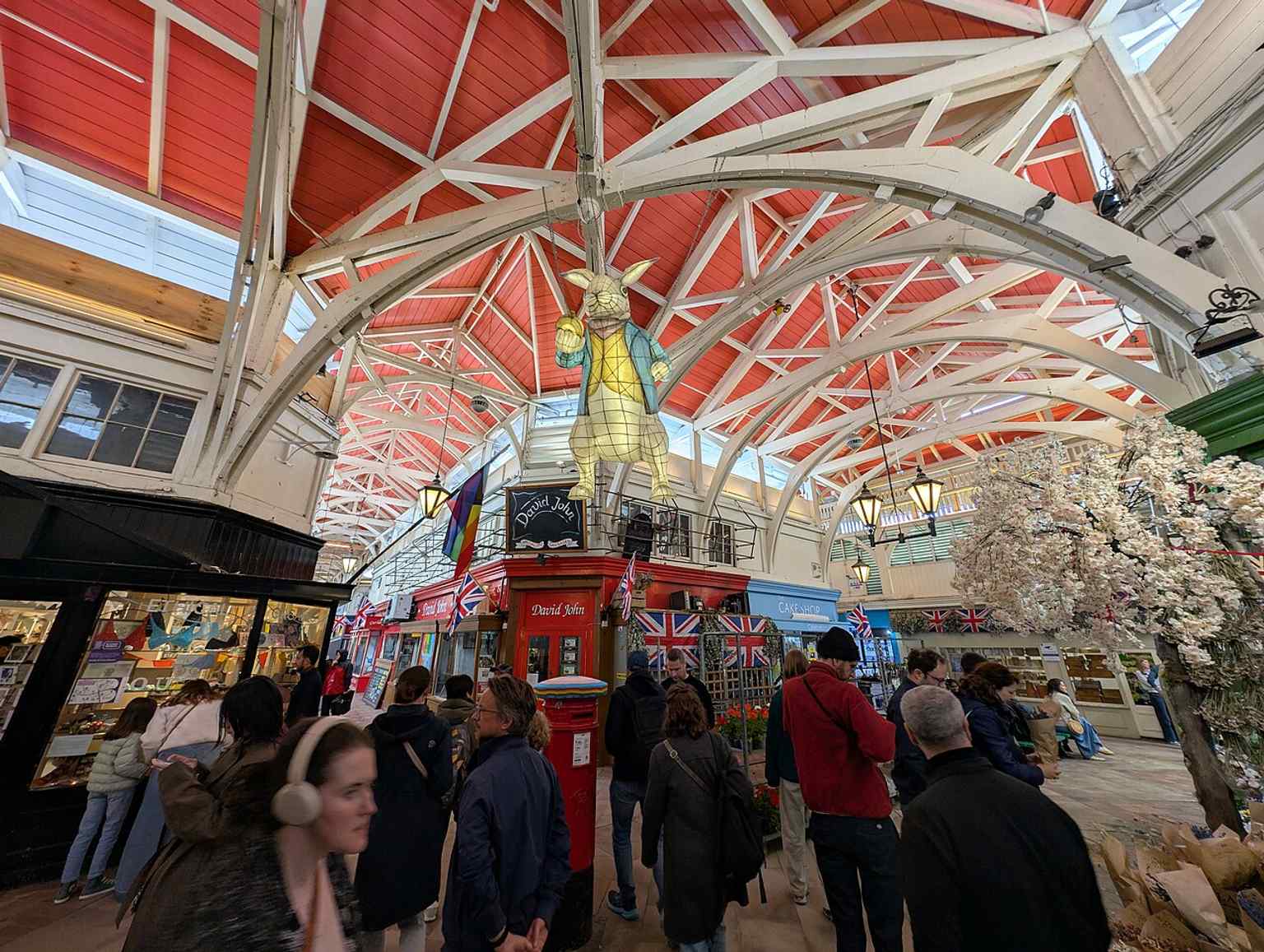
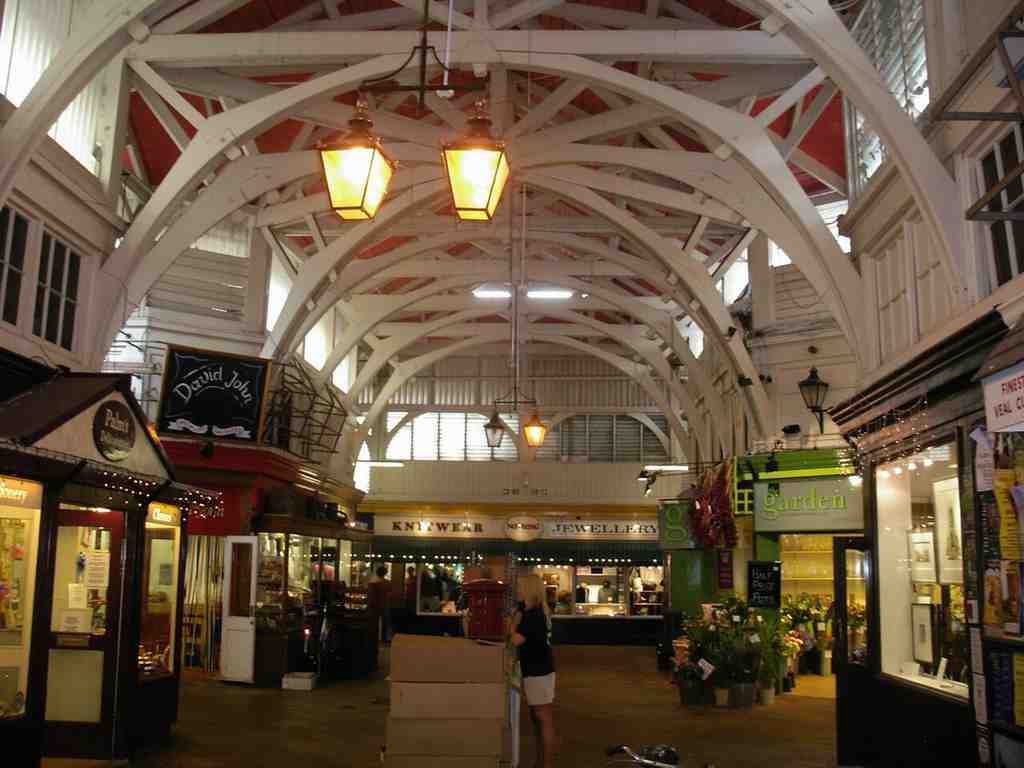
From that practical beginning grew one of Oxford’s great working interiors. If you glance at the image on your screen, you can see the covered arcade inside, where permanent stalls spread out from those first butcher shops into produce, dairy, fish, and much later bakeries and gift shops. The building was enlarged in the eighteen thirties and eighteen forties, then added to again in the late nineteenth century, and it now carries Grade II listed status, meaning it is legally protected for its historic character.
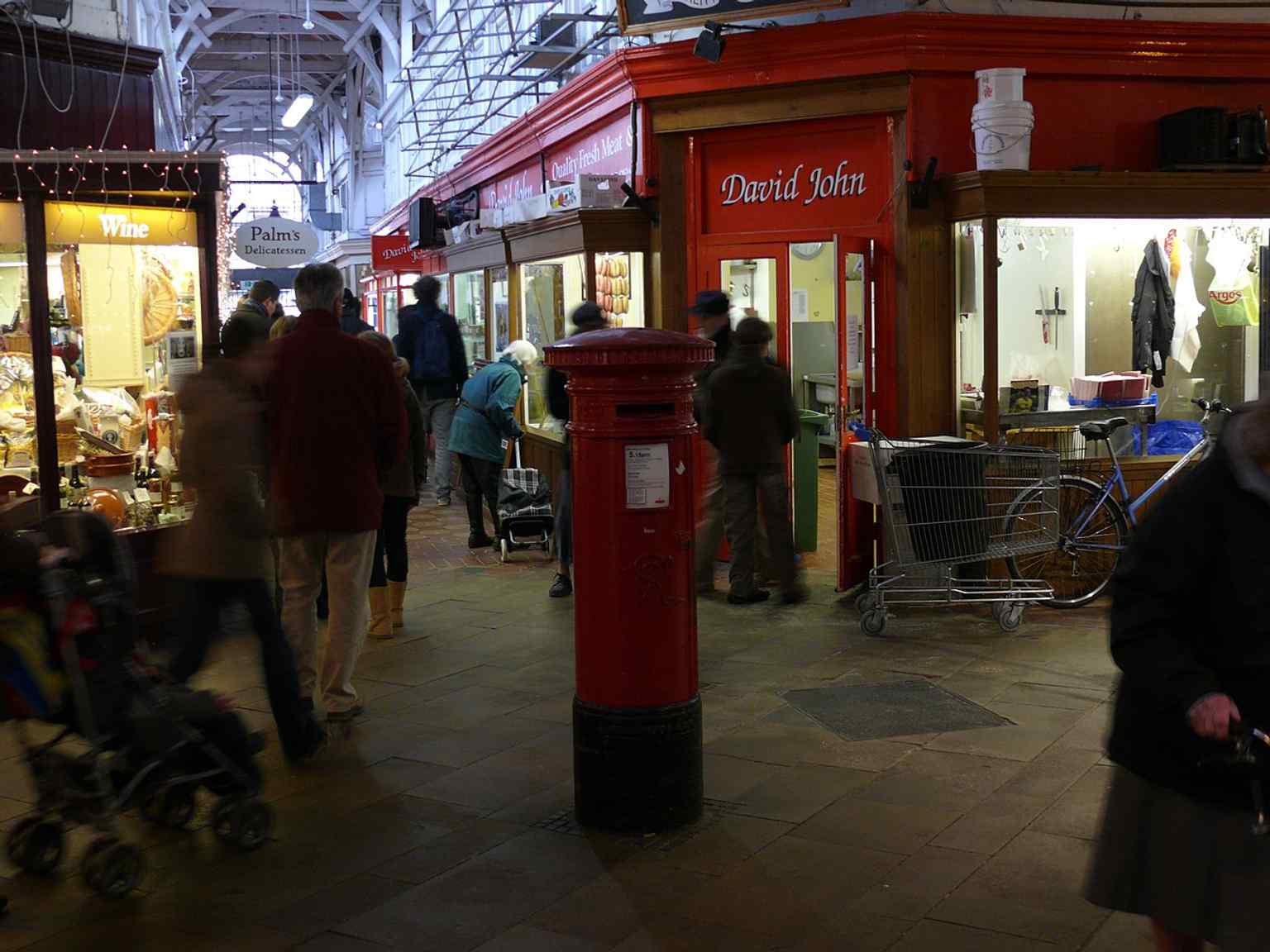
But the real story lives in the families. David John, often described as the market’s last butcher, got his first job at twelve in Aldens. By twenty he was working for Michael Feller here; by twenty-two, the two had bought a shop together. He said, “Christ Church was our main customer... When you’re supplying three hundred and fifty students, you’d got to know you have that amount of meat available and ready.” That is Oxford in one sentence: the town feeding the gown, one college sitting at a time. His own family carried a long chain of labor too - a Norwegian great-great-grandfather who docked in Cardiff, met a local girl, and stayed; a father on the footplates, shoveling coal for steam engines. David said a lifetime on cold flagstones had done for his knees.
The Fellers carried the other half of that trade. M Feller and Daughter butchered here from nineteen seventy-nine to twenty twenty-three, and when the shop closed, Mitzi Feller wrote, “After over forty years, Feller’s family-run business has come to a sad decision to close our shop.” If you want the older roots, look at the butcher’s counter in the app image and picture the generations behind it.
Then there is Catherine Brown, who opened her café here in nineteen twenty with the motto, “Plain food, well cooked and plenty of it,” and the even better line, “I have no customers, only friends.” That may be the market at its best: labor without fuss, women running businesses, and family names lasting longer than fashions. Today more than fifty independent traders work under this roof, and Bonner’s greengrocer has traded here continuously since nineteen fifty-two.
So hold those three final images for a moment... David John on aching knees, Mitzi Feller signing a closing letter, Catherine Brown insisting her customers were friends. When you’re ready, head on to Carfax Tower, about a two-minute walk away; and if you want to come back inside later, the market generally opens from eight to five-thirty Monday to Wednesday, until ten Thursday to Saturday, and from ten to five on Sunday.