
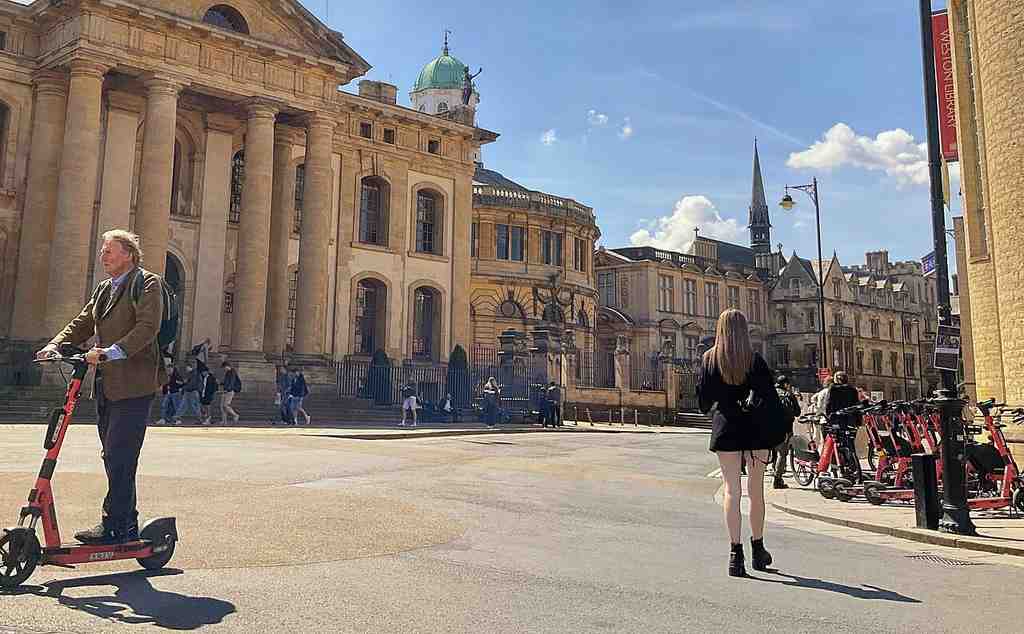
Broad Street is easy to spot as an unusually wide paved avenue lined with long honey-colored stone fronts, with the rounded Sheldonian Theatre and the grand classical Clarendon Building marking its eastern end.
On New Year’s Day, eighteen seventy-nine, Benjamin Henry Blackwell opened a shop here with a room only twelve feet square and a stock of seven hundred used books. That is not the beginning of an empire... it is the beginning of a cupboard with ambitions.
B-H Blackwell knew the trade from the ground up. He was the son of Oxford’s first city librarian, but there was nothing especially cushy about his route in. He left school at thirteen and apprenticed himself to the Oxford bookseller Charles Richards for one shilling a week. Thirteen years old, a shilling a week, and straight into work among shelves, customers, and accounts. From that schoolboy start, he built the bookshop that became the best-known university bookseller in Britain.
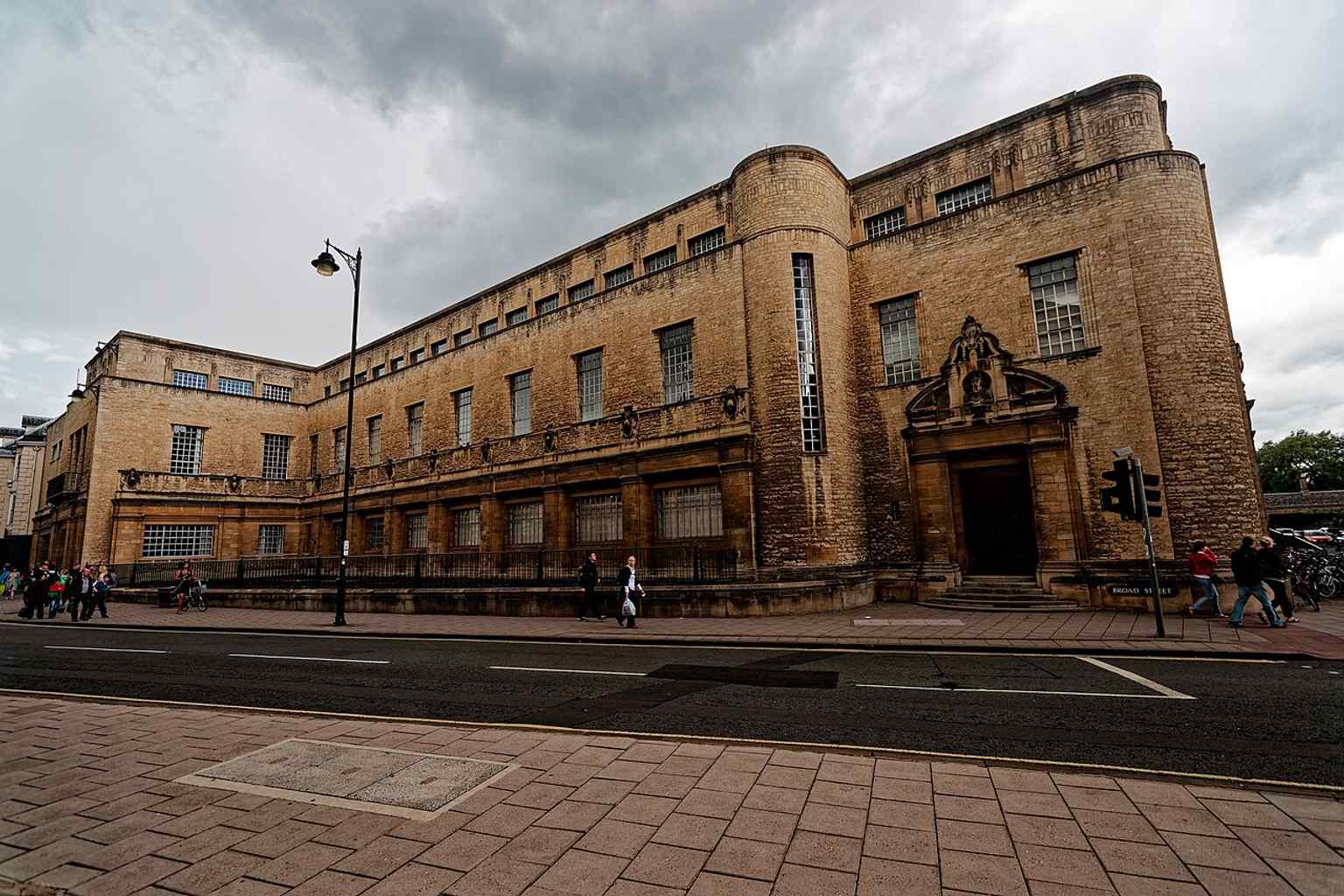
Broad Street was the perfect stage for it. Long before the book trade took over, this broad strip began as the ditch outside Oxford’s city wall, then served as the horse market, which explains its old name, Horsemonger Street. Later, as the walls lost their military use, the ditch turned into plots for houses and shops. So this street kept reinventing itself: from defense line, to market, to the intellectual shopfront of Oxford. If you glance at your screen, the image shows how tightly the university presses in here, with major academic buildings crowding the east end.
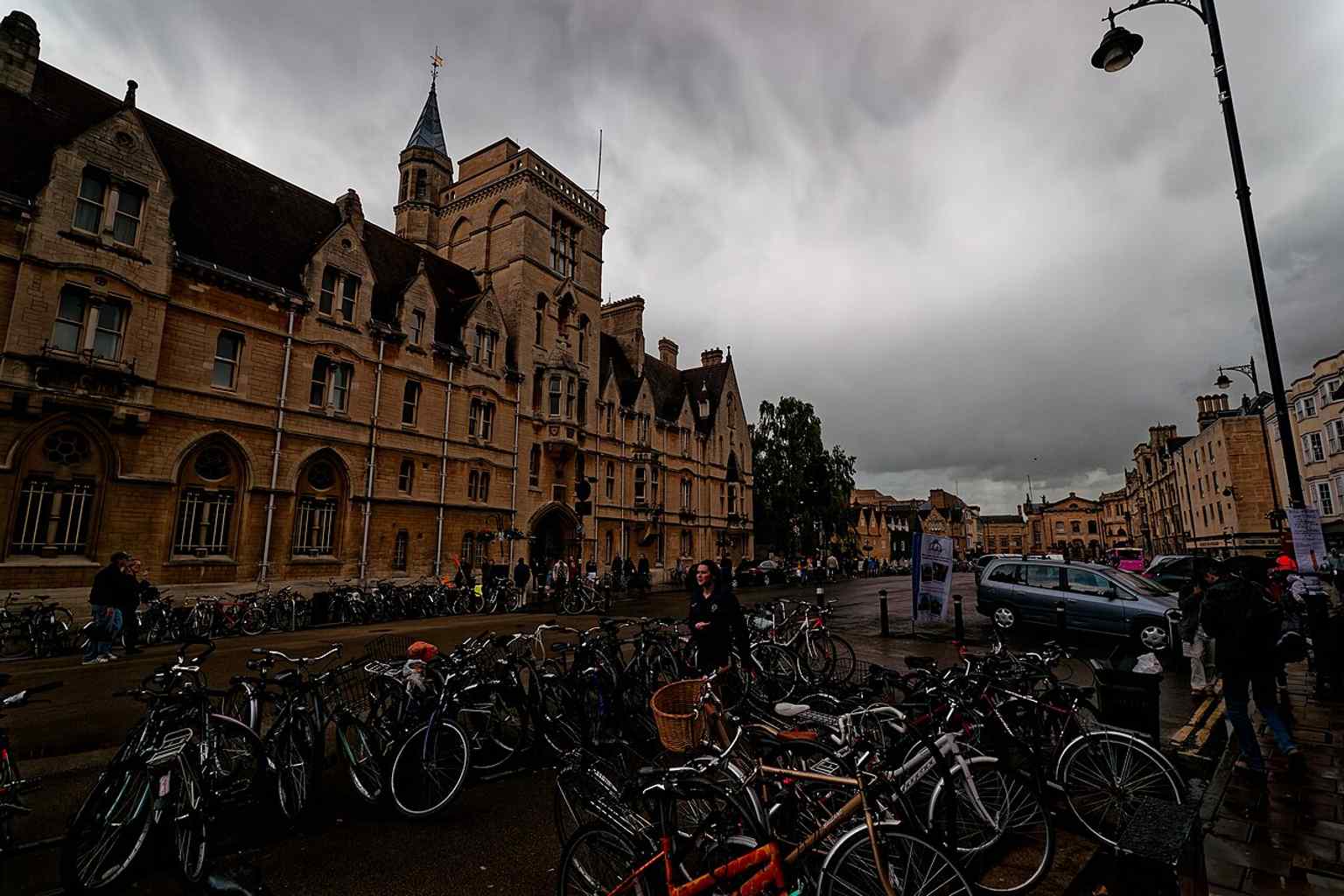
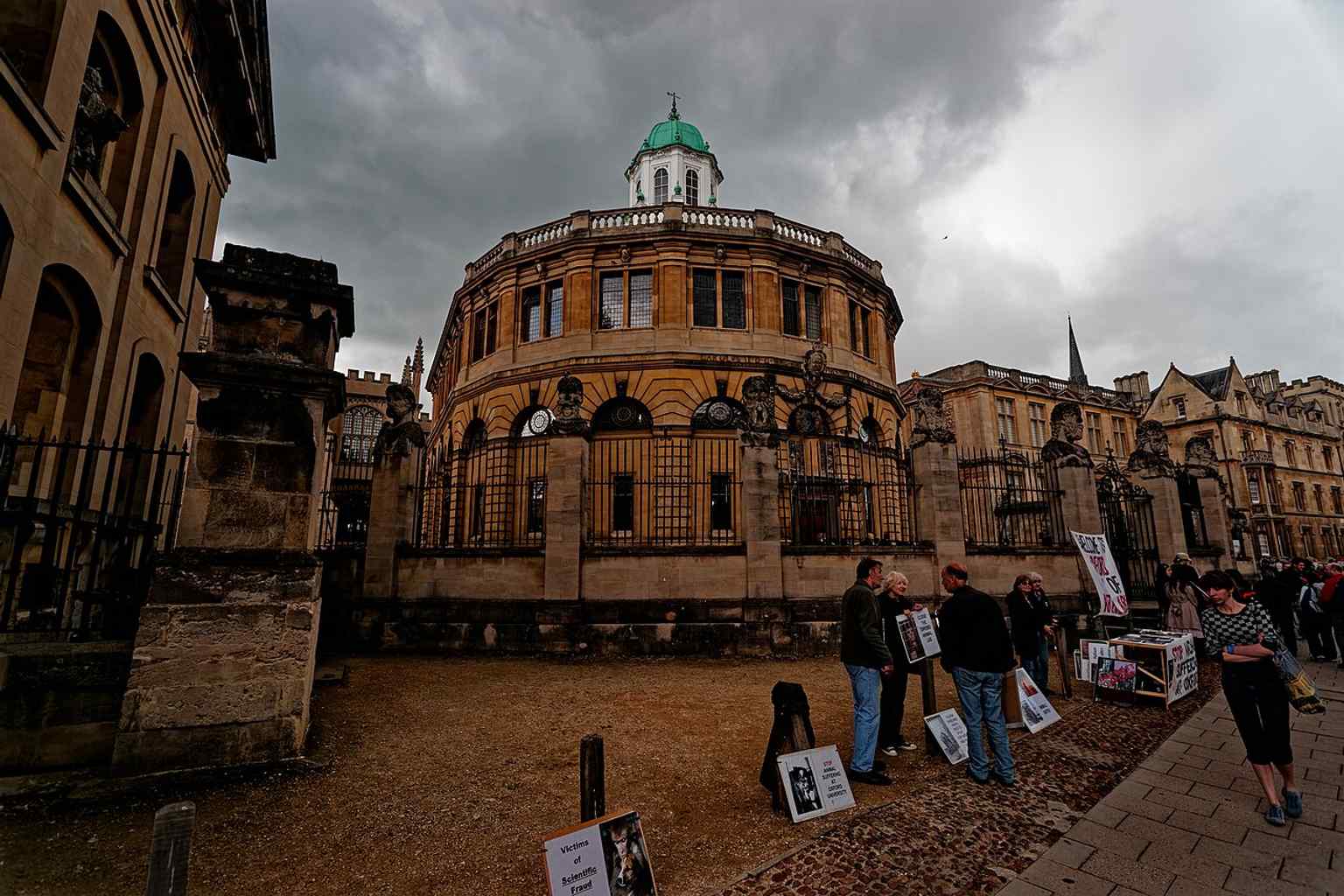
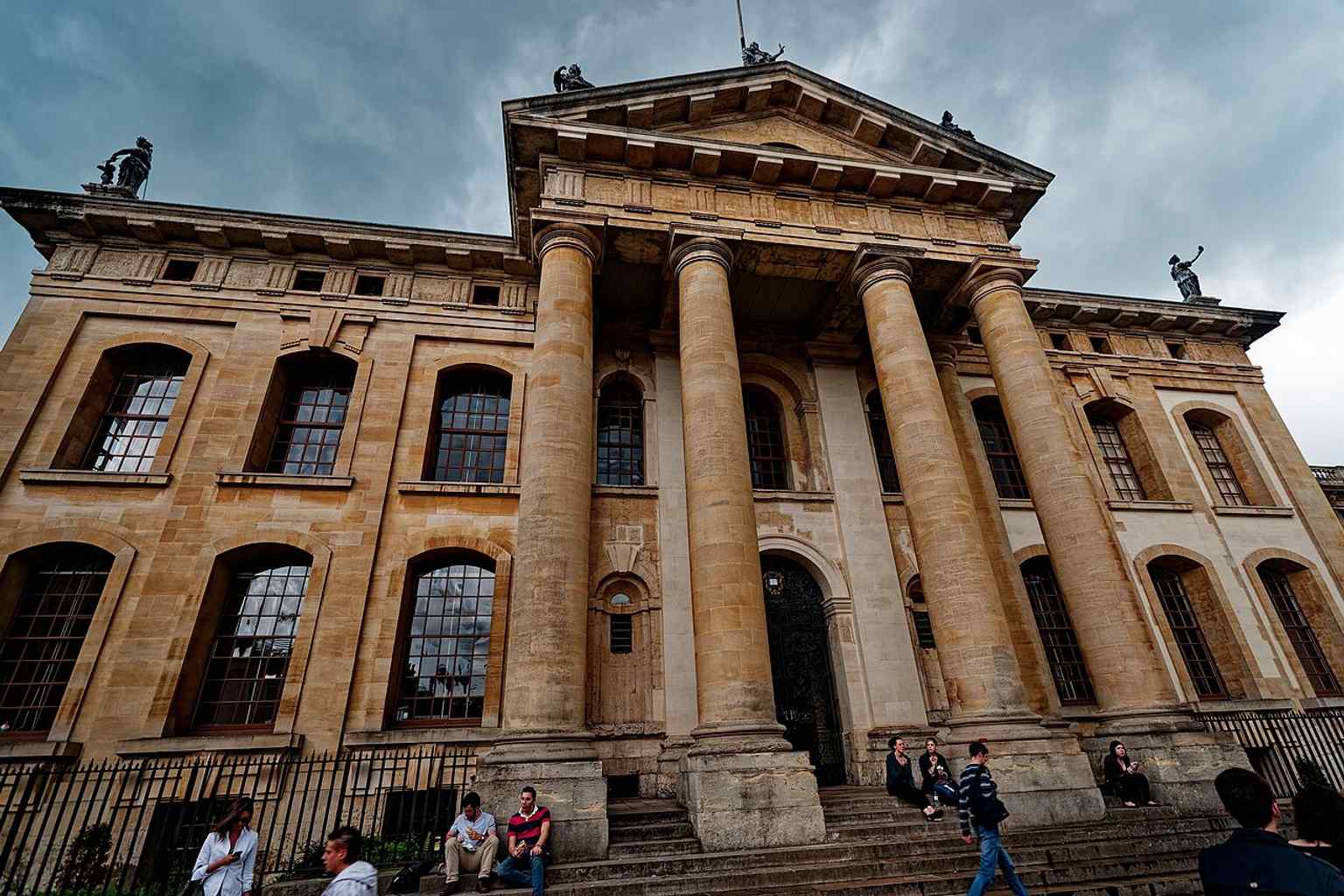
And what buildings. Across Broad Street sit colleges like Balliol and Trinity. Nearby stand the Sheldonian, designed by Christopher Wren, and the Clarendon Building, where Oxford University Press once ran its printing. It is one of those Oxford places where town business and university grandeur stop pretending they are separate things.
Blackwell’s proved that neatly. B-H’s son, Basil Blackwell, known as “the Gaffer,” took over in nineteen twenty-four when his father died and ran the firm for decades. Under the family, the shop grew quite literally beneath the gown. In nineteen sixty-six, Blackwell’s opened the Norrington Room under the lawn of Trinity College next door: ten thousand square feet, three miles of shelving, and at one point a Guinness record for the world’s largest single room selling books. Only in Oxford does a bookshop quietly expand under a college lawn and call it perfectly normal.
The shop also linked writers, readers, and the street outside. In nineteen fifteen, Blackwell’s published J-R-R Tolkien’s first poem, Goblin Feet. Yes, that Tolkien - the same man whose Ducker rugby boots, bought for fourteen shillings and sixpence, survive in a Bodleian ledger not far from here. Customer, author, scholar, sportsman... Oxford does like its people thoroughly overqualified.
The Blackwell family kept the business for one hundred and forty-three years, across five generations, until the sale to Waterstones in February, twenty twenty-two. That is a remarkable run for any family business, let alone one that began with a boy who left school at thirteen and earned a shilling a week.
Keep that apprentice in mind. Oxford loves its grand facades, but some of its biggest stories begin with someone learning the job the hard way. We will hear that note again by our final stop. For now, continue to number six Turl Street, about a two-minute walk from here.






%201711-15%20by%20Nicholas%20Hawksmoor.jpg)
