On your left, look for a low red-brick station entrance with a flat rectangular frontage, metal railings, and stairs and a lift dropping from Vyse Street down toward the tracks.
From the street, Jewellery Quarter station looks almost modest... and that is part of the point. This place is one of Birmingham’s quiet repair jobs. The area lost older rail links, including nearby Hockley station, which the Great Western Railway opened in eighteen fifty-four and closed when the line shut in nineteen seventy-two. Then, on the twenty-fourth of September, nineteen ninety-five, the city deliberately stitched the route back together. The restored Jewellery Line brought cross-city trains through Snow Hill again, and in nineteen ninety-nine the Midland Metro tram joined the site. Suddenly this was not just a local halt. It became one of those recovered lifelines a city needs when old links have been cut.
That is why the levels matter. You stand here on Vyse Street, but the platforms sit lower down at the mouth of Hockley Number Two Tunnel. Stairs and a lift carry passengers from the road into a narrow transport corridor of rails, signals and timetables. It is a neat bit of urban mending: land that once handled Hockley’s goods traffic turned back into a passenger gateway. No earlier station stood on this exact spot, but the new one reclaimed the job the area had lost.
If you glance at the before-and-after image in the app, you can see how little the station itself changed between two thousand and five and two thousand and eighteen; what changed was the confidence that this interchange belonged here.
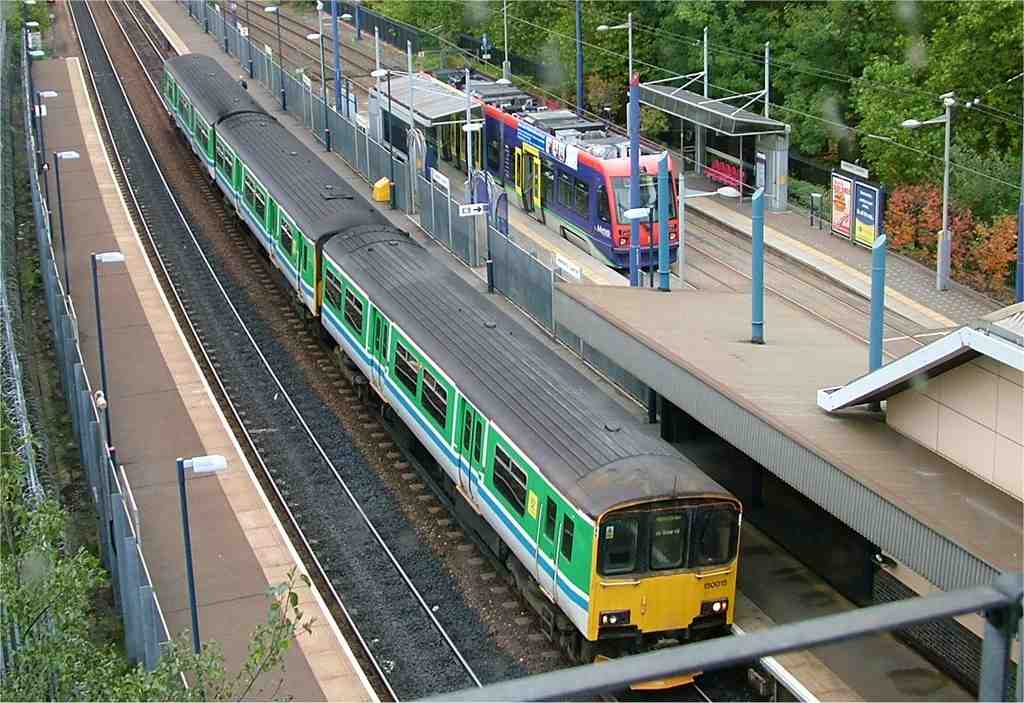
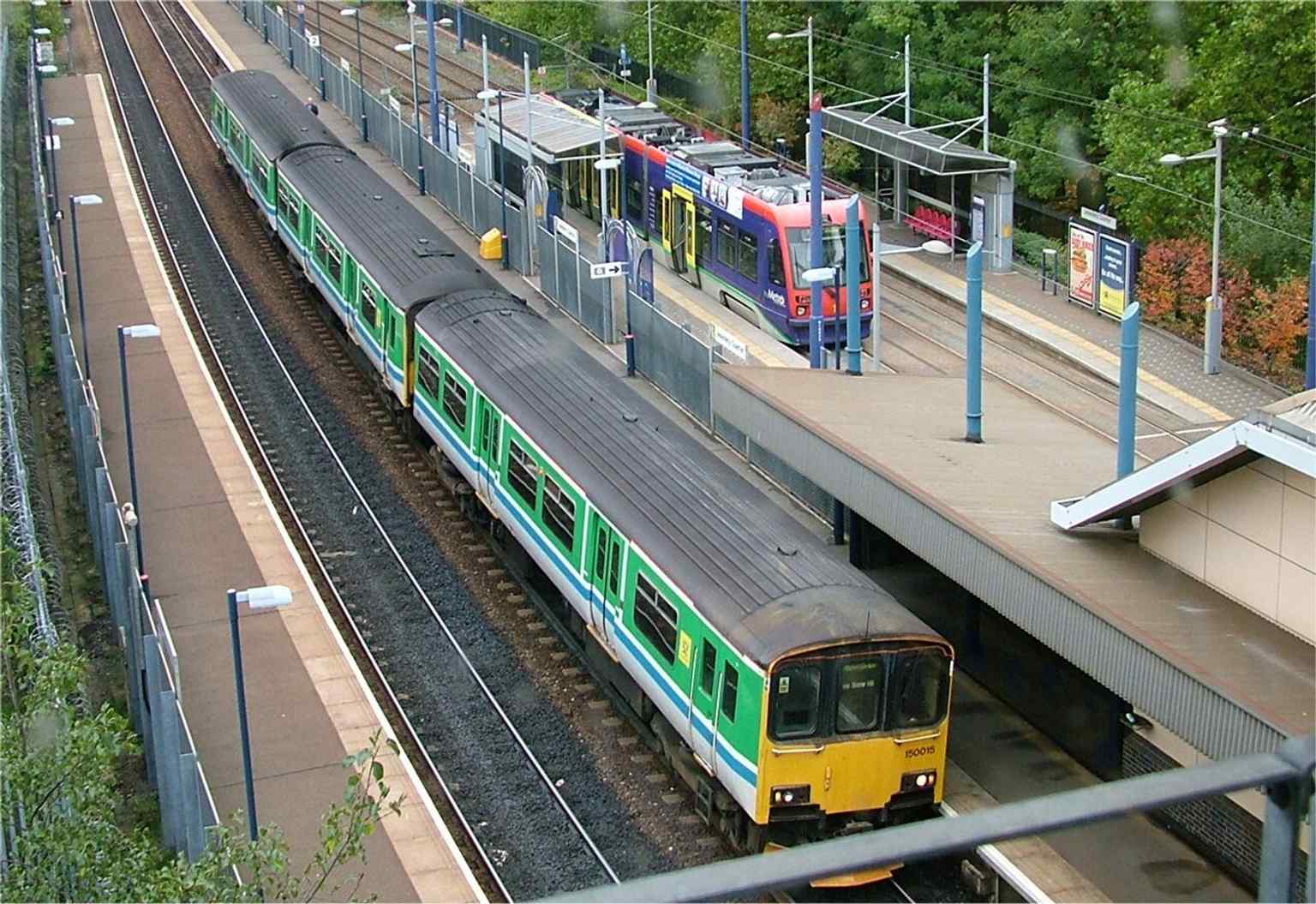
And interchange is the key word. Rail on one side, tram on the other: a rare pairing, and a very practical one. Trains here run roughly every fifteen minutes off-peak, while West Midlands Metro trams pass through at short intervals toward Wolverhampton and Edgbaston Village. It is not glamorous, exactly... but neither is a heartbeat, and you tend to miss one when it stops.
If you want a quick look at that double act, the image on your screen shows a train and tram side by side here, which sums the place up nicely.
Even the details outside the entrance tell you this station belongs to a longer civic story. Mark Renn added the sculpture Clockwork in two thousand and four, part of a wider trail of artworks at transport sites around the region. And beside the entrance stands a Victorian cast-iron public urinal from around eighteen eighty, now disused and Grade Two listed, meaning the law protects it for its special historic interest. It earned that status after a rather awkward career: by the mid-nineteen eighties it was still in use, despite never having been connected to water, and later reopening plans collapsed because a proper connection cost too much.
From here, the story narrows beautifully. In a couple of minutes, at the Museum of the Jewellery Quarter, the scale shrinks from tunnels and routes to one preserved bench and one family firm, held almost exactly as working life left them.