
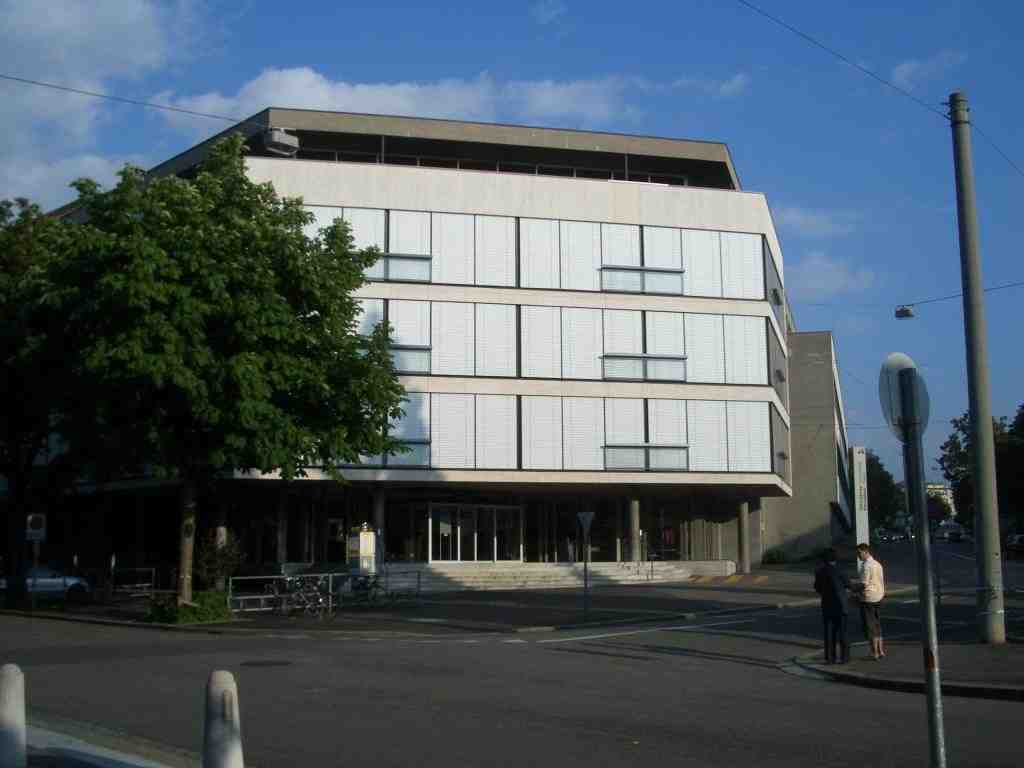
Look to your right for an angular, modern building wrapped in horizontal bands of white window panels, resting above a recessed glass entrance supported by concrete pillars. You have arrived at the University Library Basel, our final stop on this journey. If you remember the Haus zur Mücke from earlier in our walk, you already know a piece of this library's story. Back in 1671, the library's entire collection was moved into that very house. But as you can see by the sheer size of the concrete and glass structure in front of you, they eventually needed a lot more room. Built between 1962 and 1968, this modern facility replaced an older nineteenth century building on the same spot, which had simply burst at the seams.
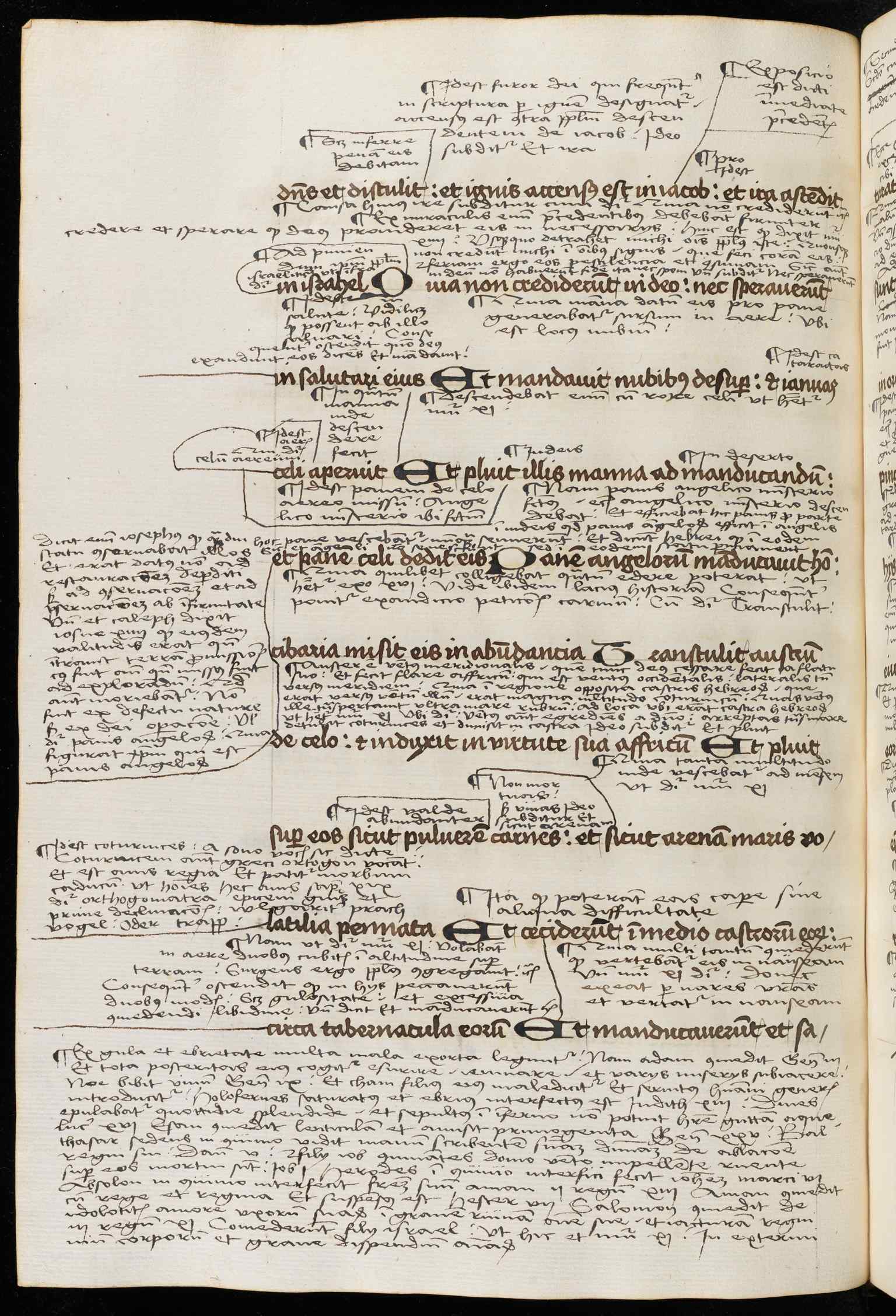
Today, this structure holds over seven point six million items. It is a massive fortress of human thought, making it one of the largest libraries in all of Switzerland. But it is not just the sheer volume of modern books that makes this place extraordinary. It is what they keep in the historic collections. The library's roots trace all the way back to 1471. Inside, they guard about ten thousand handwritten manuscripts. Among those are seventeen hundred and fifty medieval codices. A codex is essentially the ancestor of the modern book, made of handwritten sheets of parchment or vellum bound together at one edge, rather than rolled up like a scroll. Many of these ancient texts were rescued from Basel monasteries right before the Reformation.
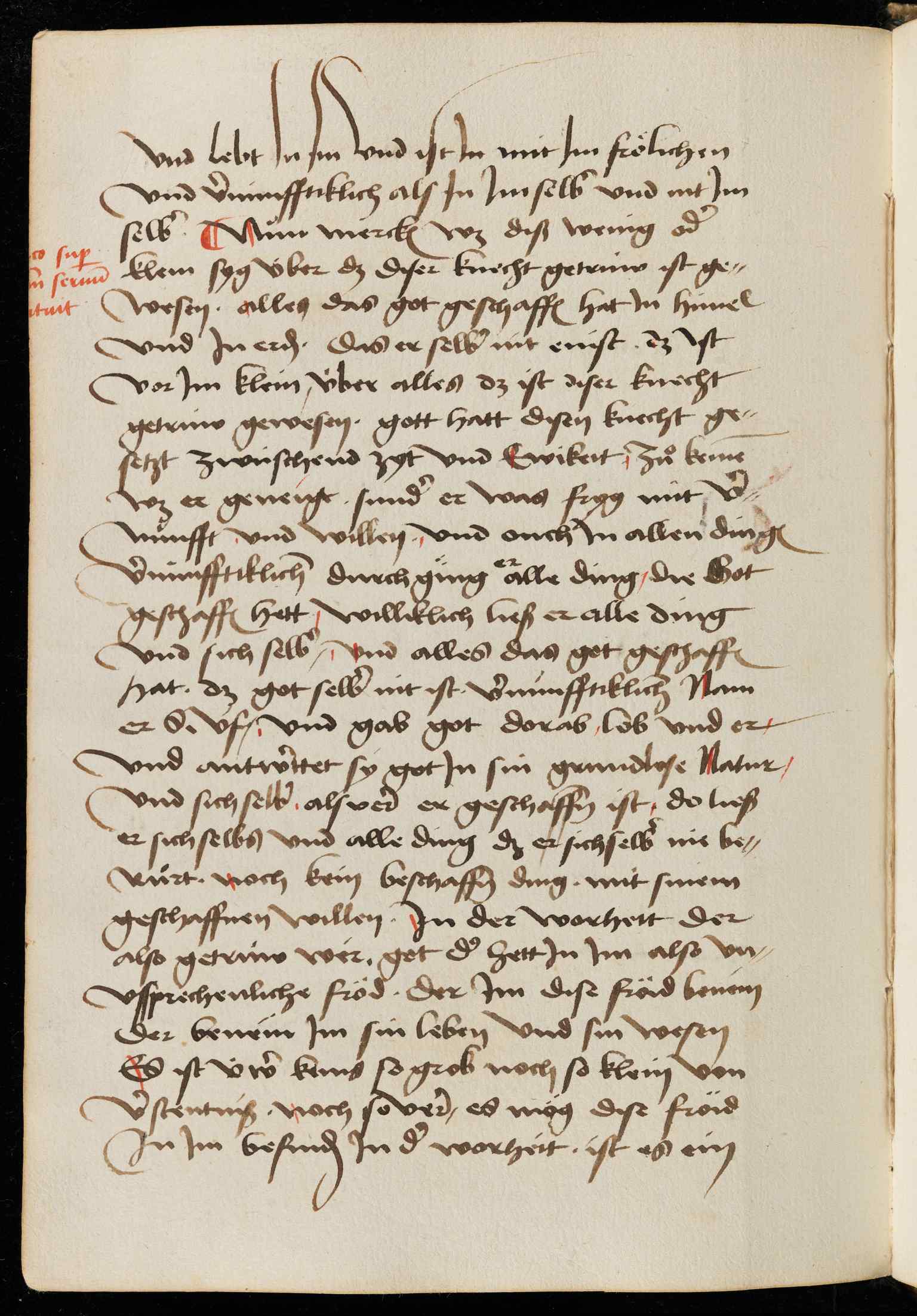
This library also serves as the official cantonal library of Basel-Stadt. That means they collect something called Basiliensia, which is a special term for any publication, book, or document that has to do with the city and region of Basel, or people whose lives were central to it. Speaking of central figures, if you are a fan of philosophy or mathematics, this building is an absolute goldmine. The library holds the letters and academic notes of the famous Bernoulli family, a legendary dynasty of Swiss mathematicians. It is also considered the second most important collection of Friedrich Nietzsche documents in the entire world, trailing only the archive in Weimar. But do not let the ancient manuscripts and philosophical archives fool you into thinking this place is stuck in the past. They are fierce advocates for the digital age. In 2015, they became the very first university library in Switzerland to hire a Wikipedian in Residence, someone whose entire job was to help digitize their historical treasures and integrate them into the world's largest online encyclopedia. The following year, they released all their public domain digital scans for absolutely anyone to use for free. This brings our tour of Basel to a close. If you want to peek inside the library to absorb some of that intellectual energy, they are open Monday through Friday from 8 AM to 8 PM, Saturdays from 10 AM, but are closed on Sundays.


