
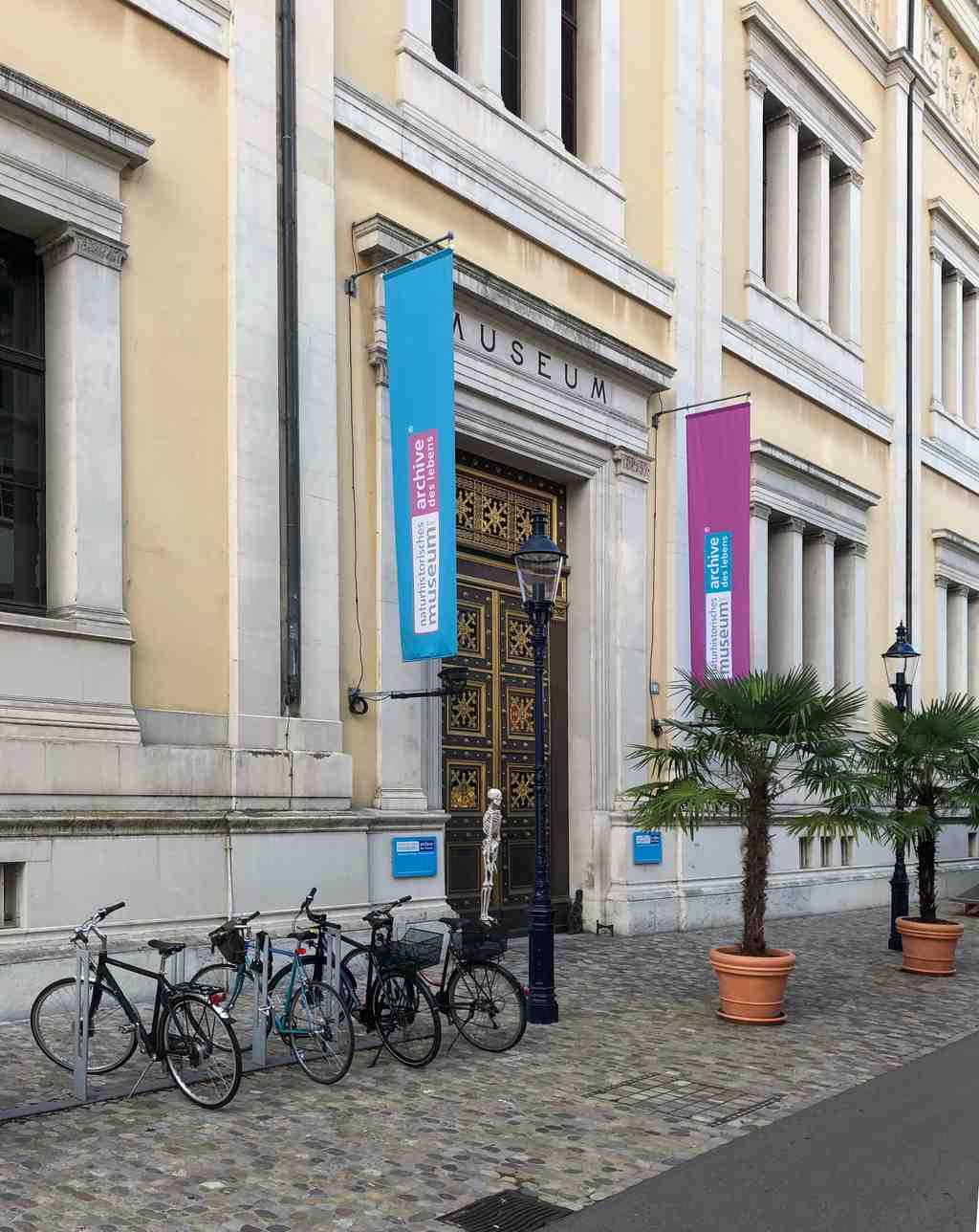
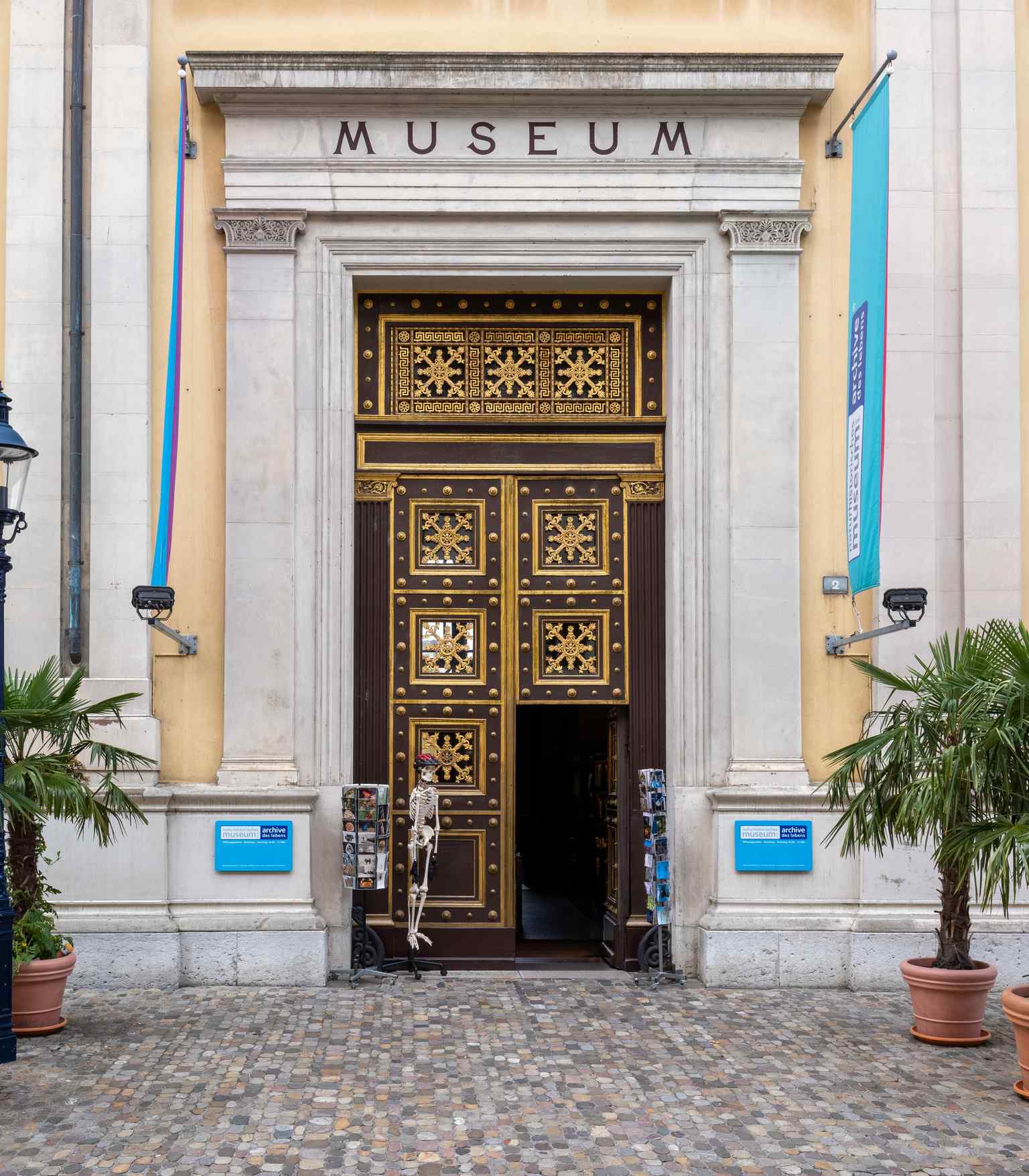
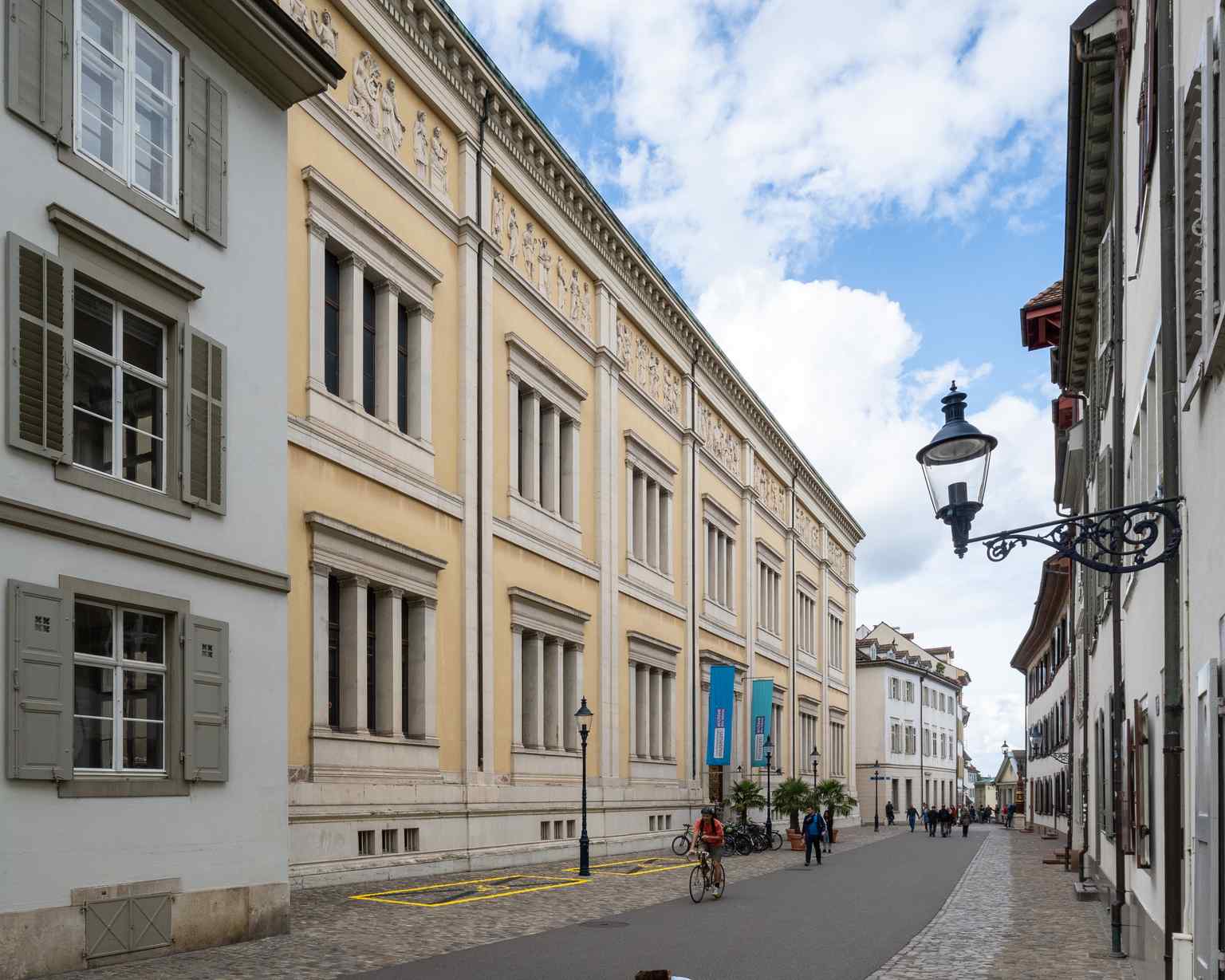
Look for the grand beige stone facade with its tall recessed windows and the word MUSEUM carved directly into the stone above the heavy, intricately patterned doors. Just a quick walk from the towering red sandstone of Basel Minster, we have arrived at the Natural History Museum Basel. They call this place the Archive of Life. Inside, they house a staggering 11.8 million objects. Millions! The collection actually traces its roots all the way back to the sixteenth century. It began as another Wunderkammer, where wealthy collectors would pack a room floor to ceiling with rare shells, strange fossils, and exotic animal taxidermy. The city and university bought that private collection in 1661, making this one of the oldest public museum collections in the world.
The monumental building you are looking at right now was designed by architect Melchior Berri and opened in 1849. It is a brilliant early example of a modern civic museum, a building constructed entirely for the education of the public rather than the amusement of private royalty. It was such a massive architectural triumph that the University of Basel awarded Berri an honorary doctorate just for designing it.
But this is not just a giant, dusty storage unit for dinosaur bones. There is cutting-edge science happening right behind those walls. About a hundred staff members run active research projects here, especially in anthropology, the scientific study of human biology and ancient societies. When historic skeletons are unearthed during excavations around Basel, they are brought here. Researchers in this very building analyzed the famous mummy of Anna Catharina Bischoff, discovered in a local church, and even investigated a mysterious skeleton affectionately nicknamed Theo the pipe smoker, a title earned because of the distinct pipe-shaped wear pattern on his teeth.
This magnificent building has served science beautifully, but keeping track of almost twelve million objects takes up a lot of space. The entire museum is actually preparing to pack up and move to a massive new facility near the St. Johann station by 2026. Until then, you can explore these historic halls Tuesday through Sunday from 10 AM to 5 PM. When you are ready, we can head over to the Museum of Cultures right next door.


.jpg)


.jpg)