
Look for a broad paved square enclosed by pale apartment blocks in a curved, stadium-like ring, the buildings themselves preserving the footprint of the vanished ground.
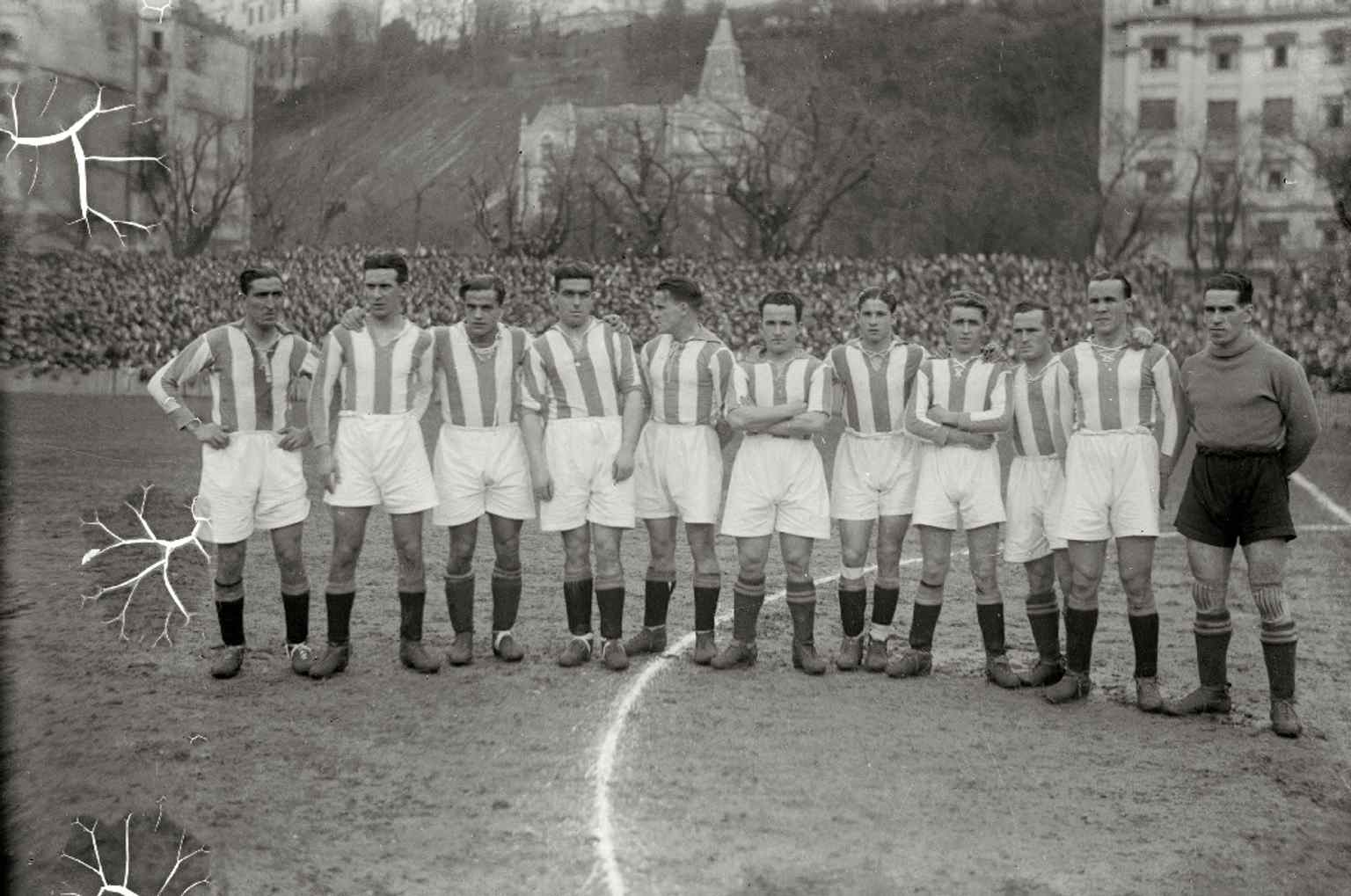
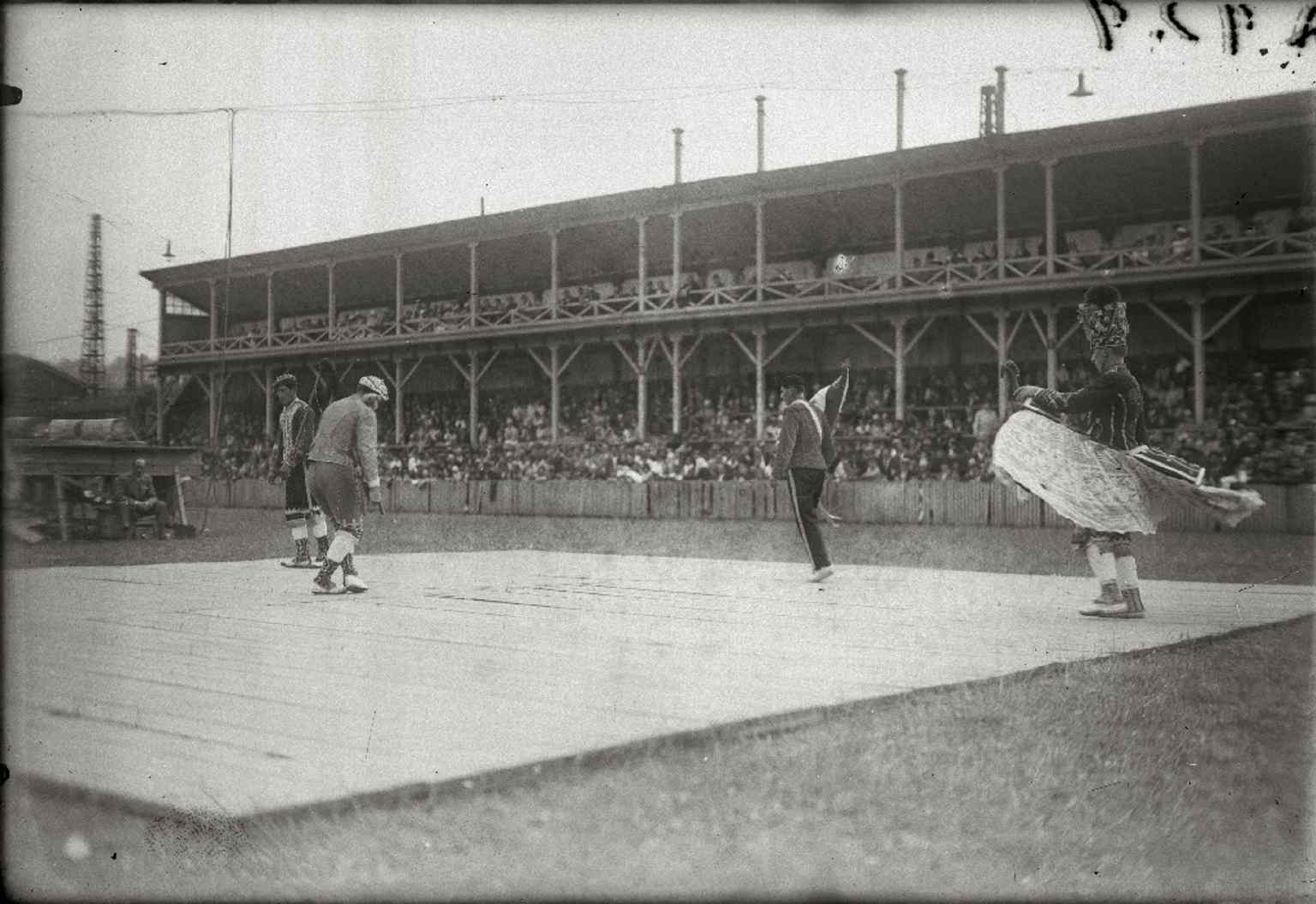
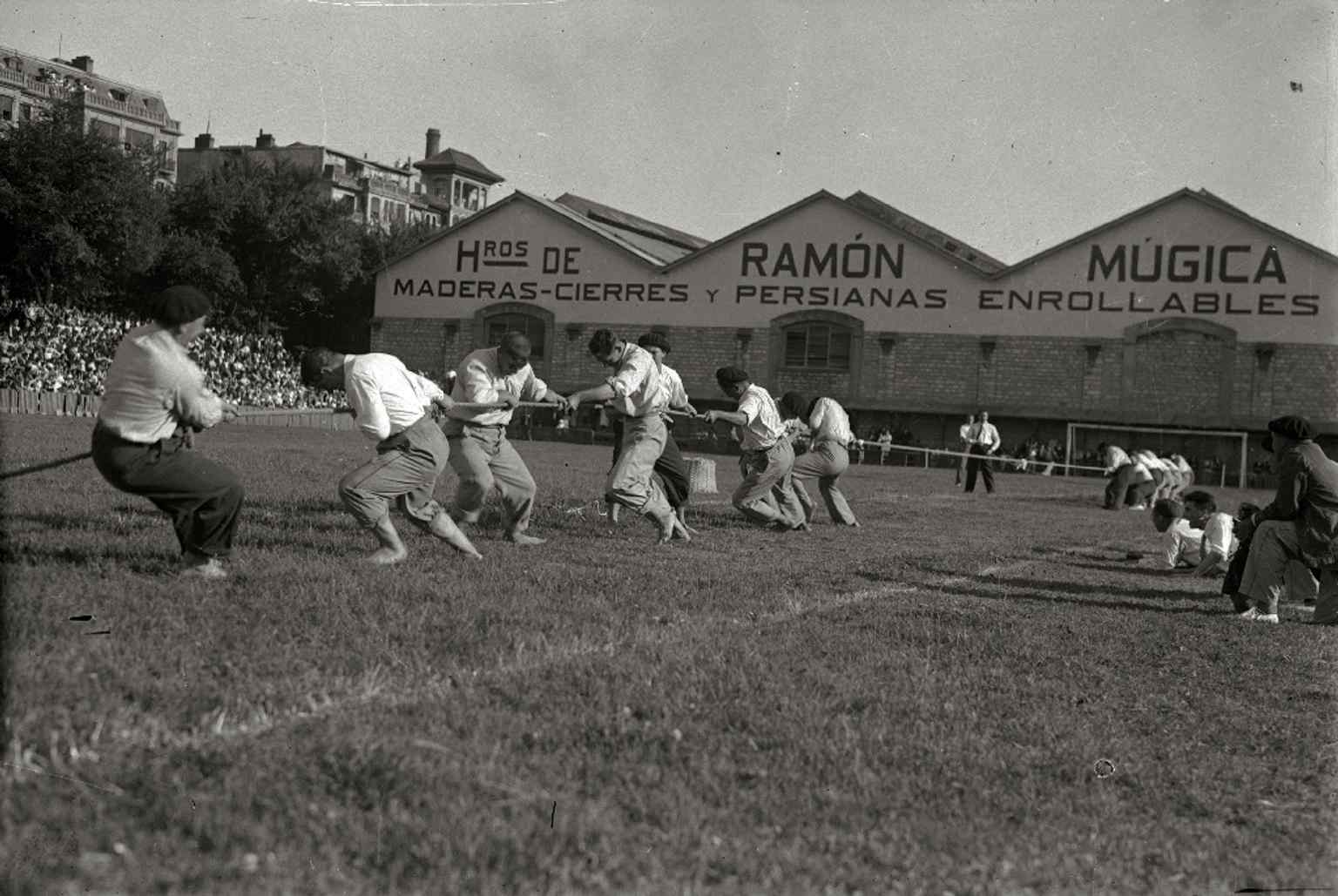
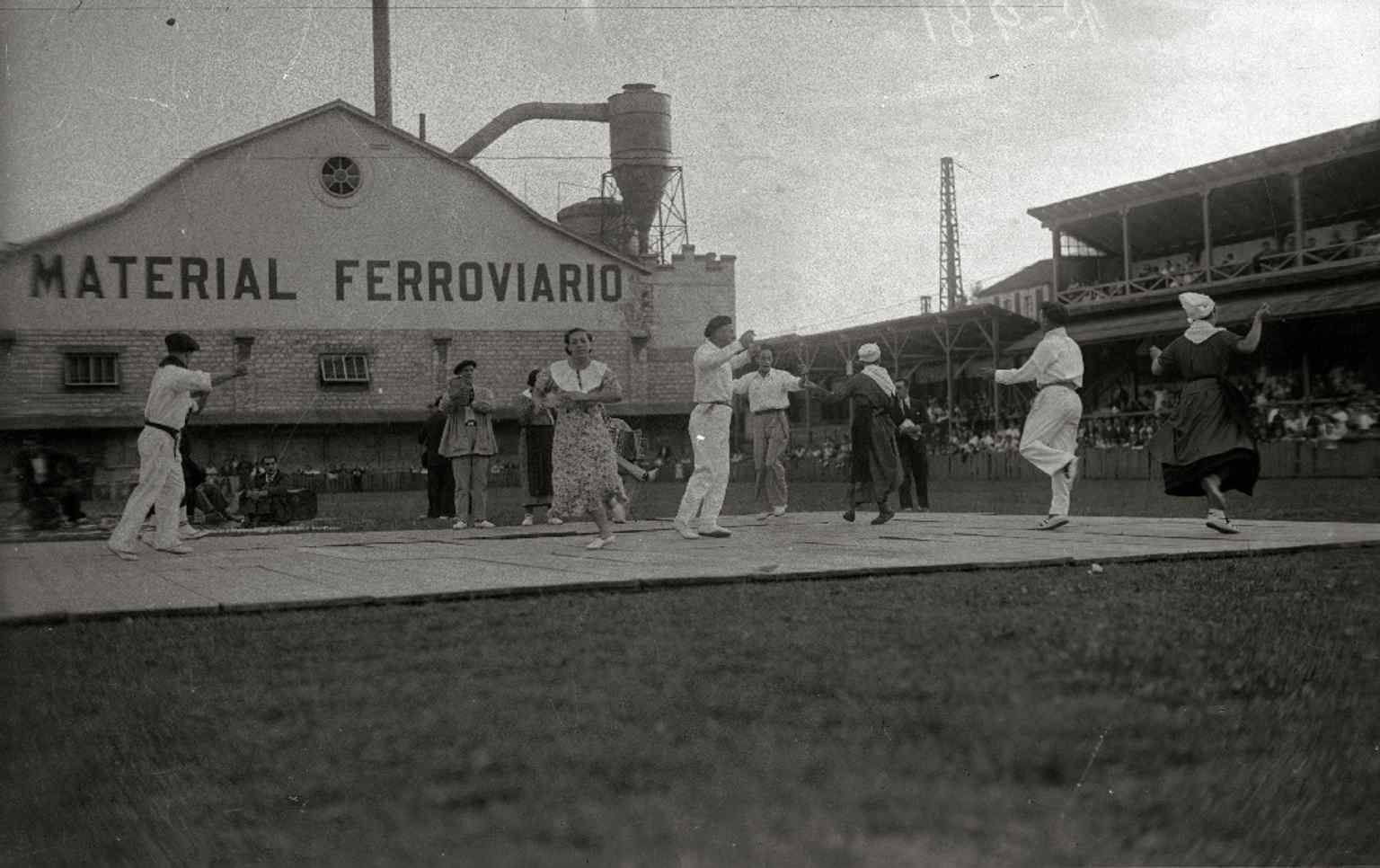
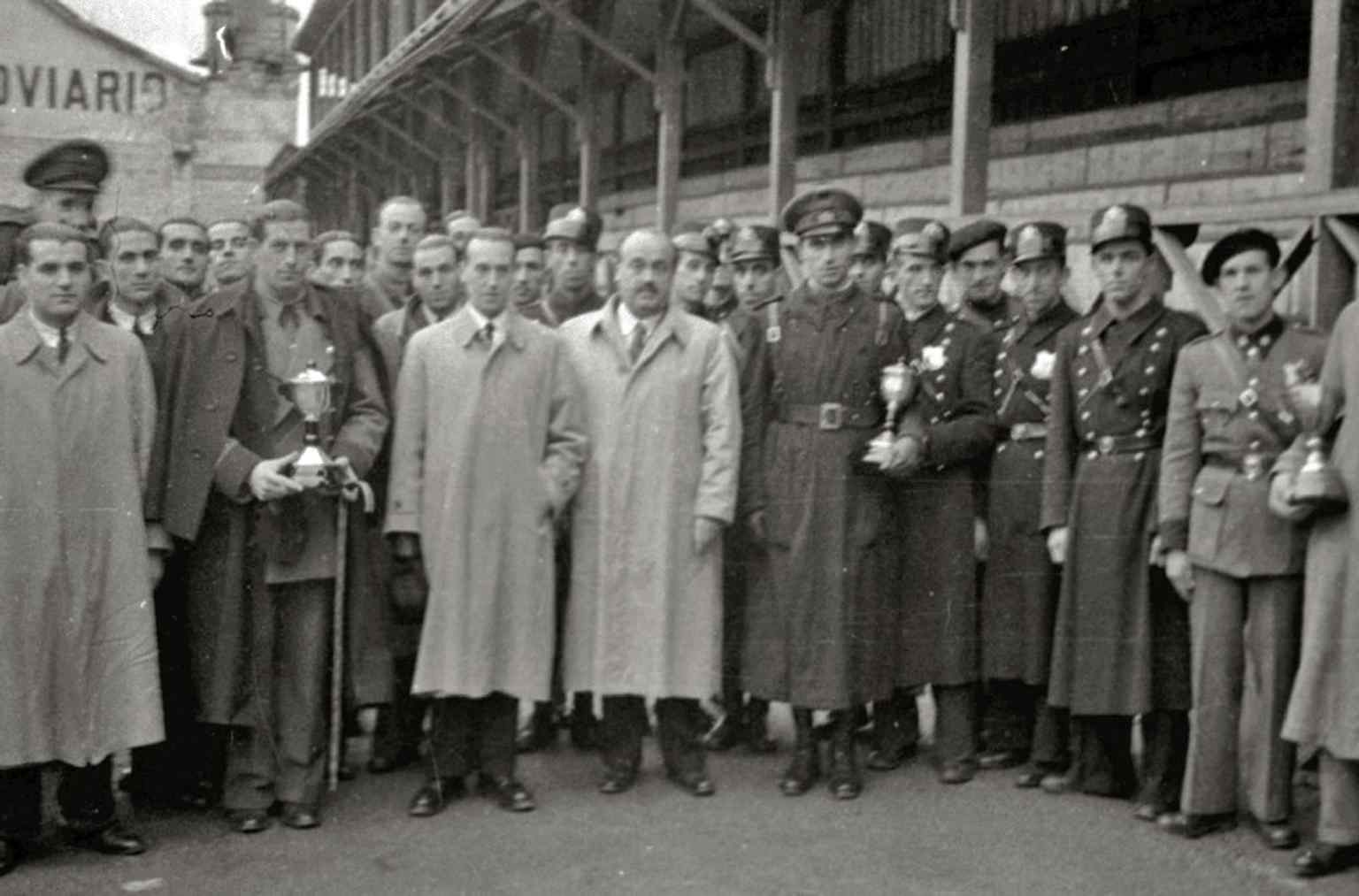
Stand here a moment, and this open space begins to tighten. From the fourth of October, nineteen thirteen, until nineteen ninety-three, this was Atocha, Real Sociedad’s old football stadium, wedged so tightly into the Eguía neighbourhood that the city seemed to press right up against the touchline. It opened with a draw against Athletic Club, three goals each, and the first goal came from the visiting striker Pichichi. A lively beginning, you might say, and Atocha rarely cared for modesty after that.
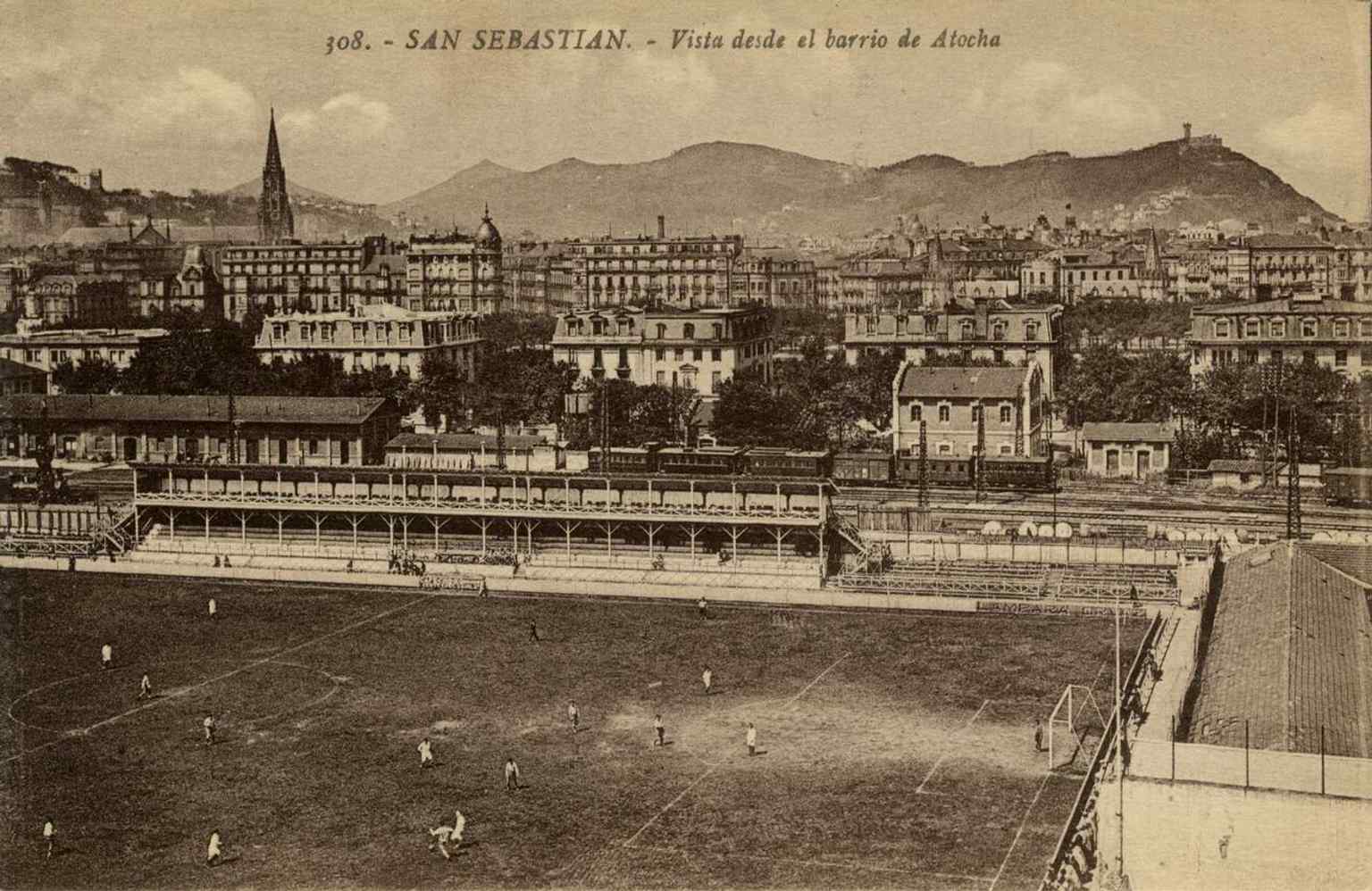
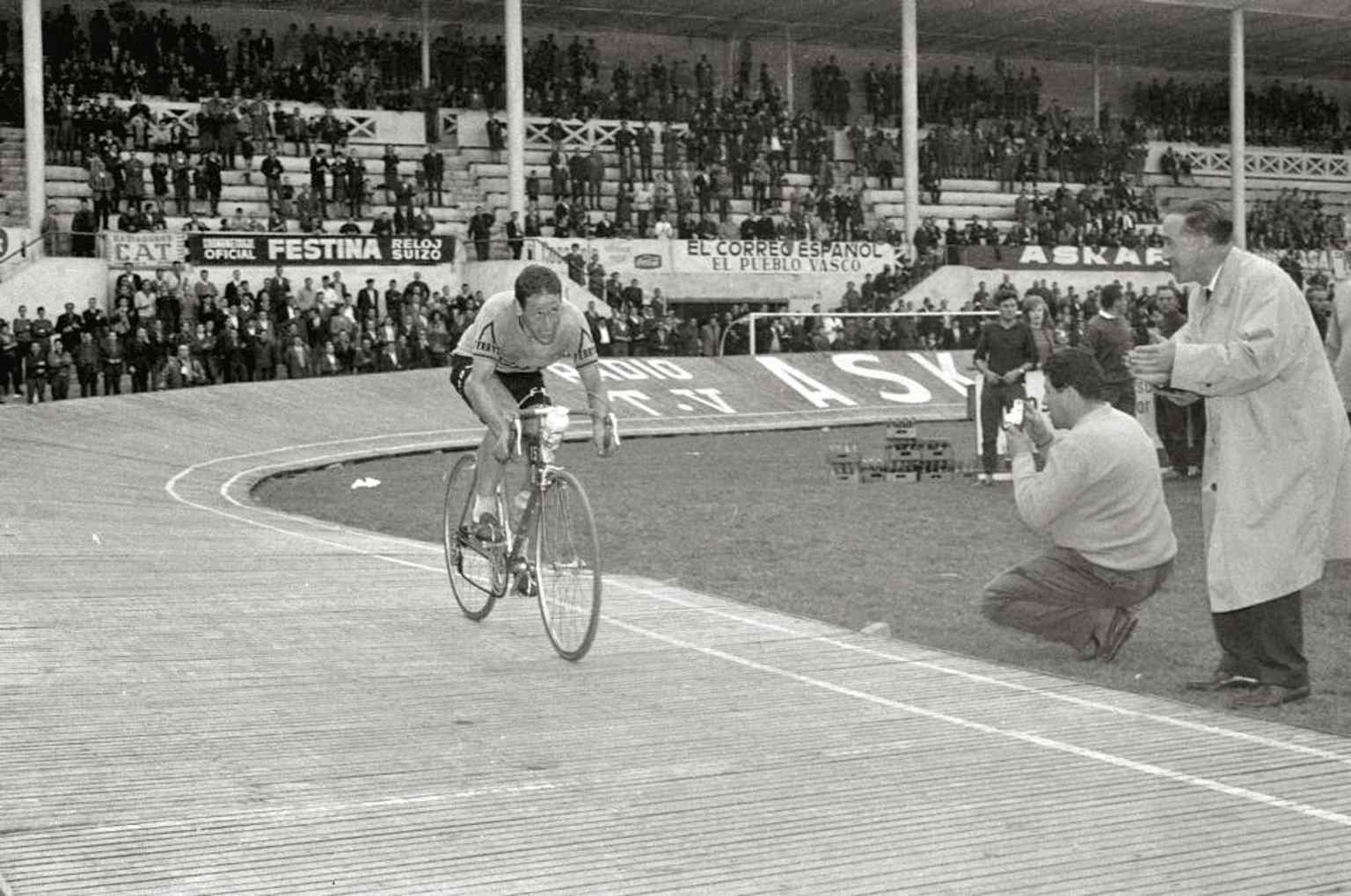
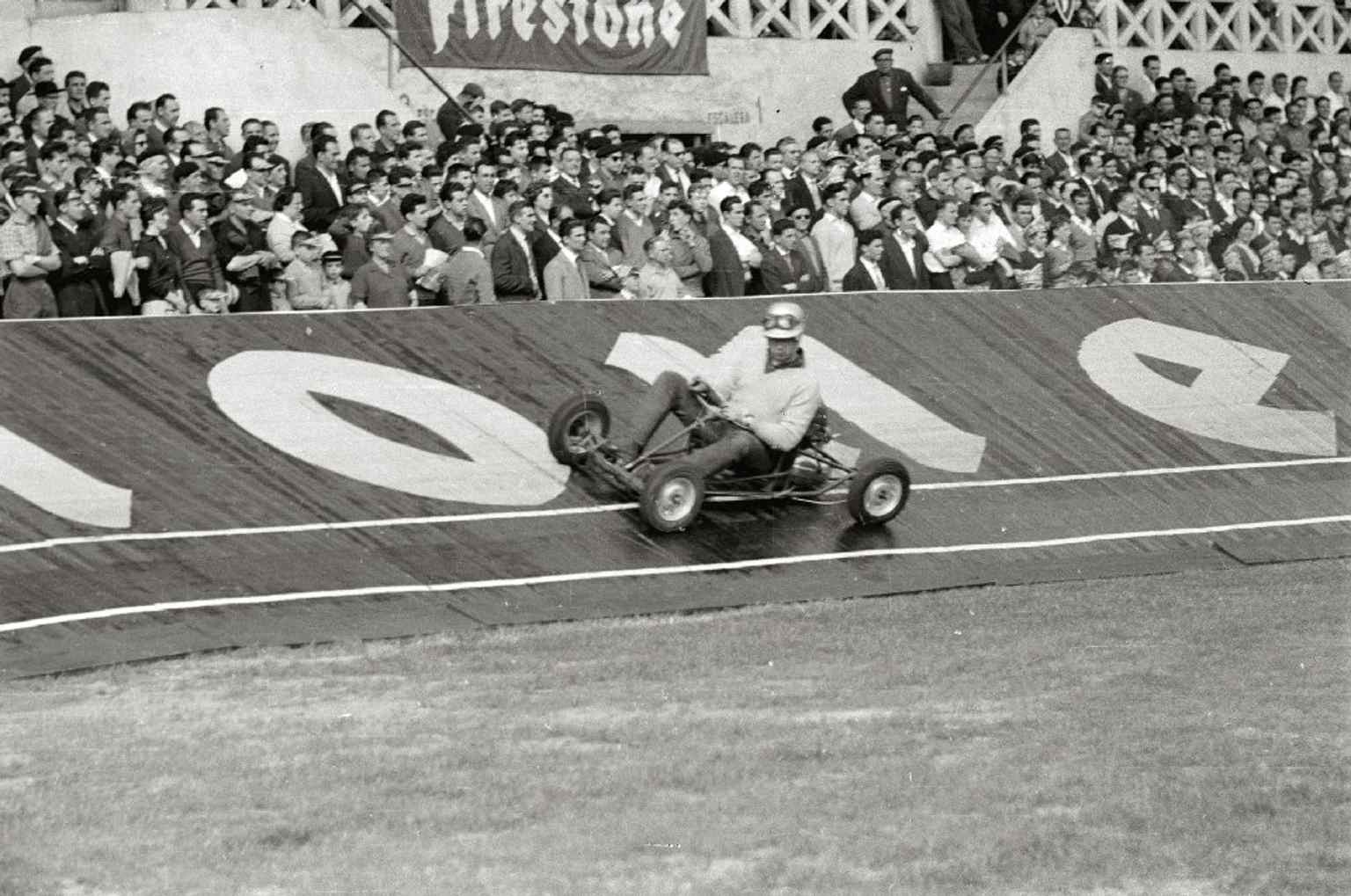
The ground rose on the site of the San Sebastián Cycling Club velodrome, a banked cycling track. That change matters. A city that had rebuilt itself after the great fire of eighteen thirteen kept doing the same sort of thing here: one public ritual giving way to another, old damage and old habits folded into a new stage. Even before the first whistle, this place belonged to a city that knew how to start again without pretending nothing had stood before.
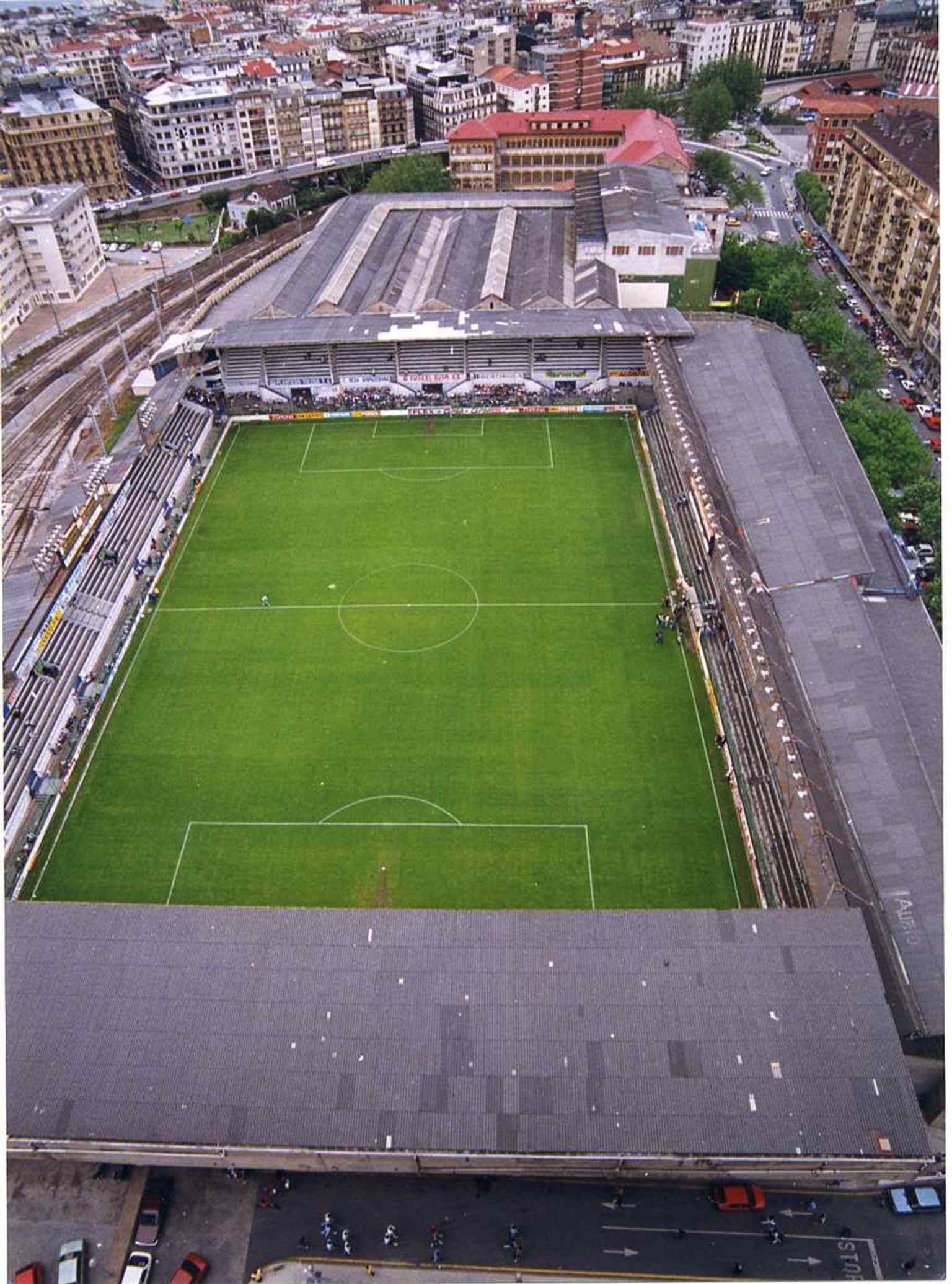
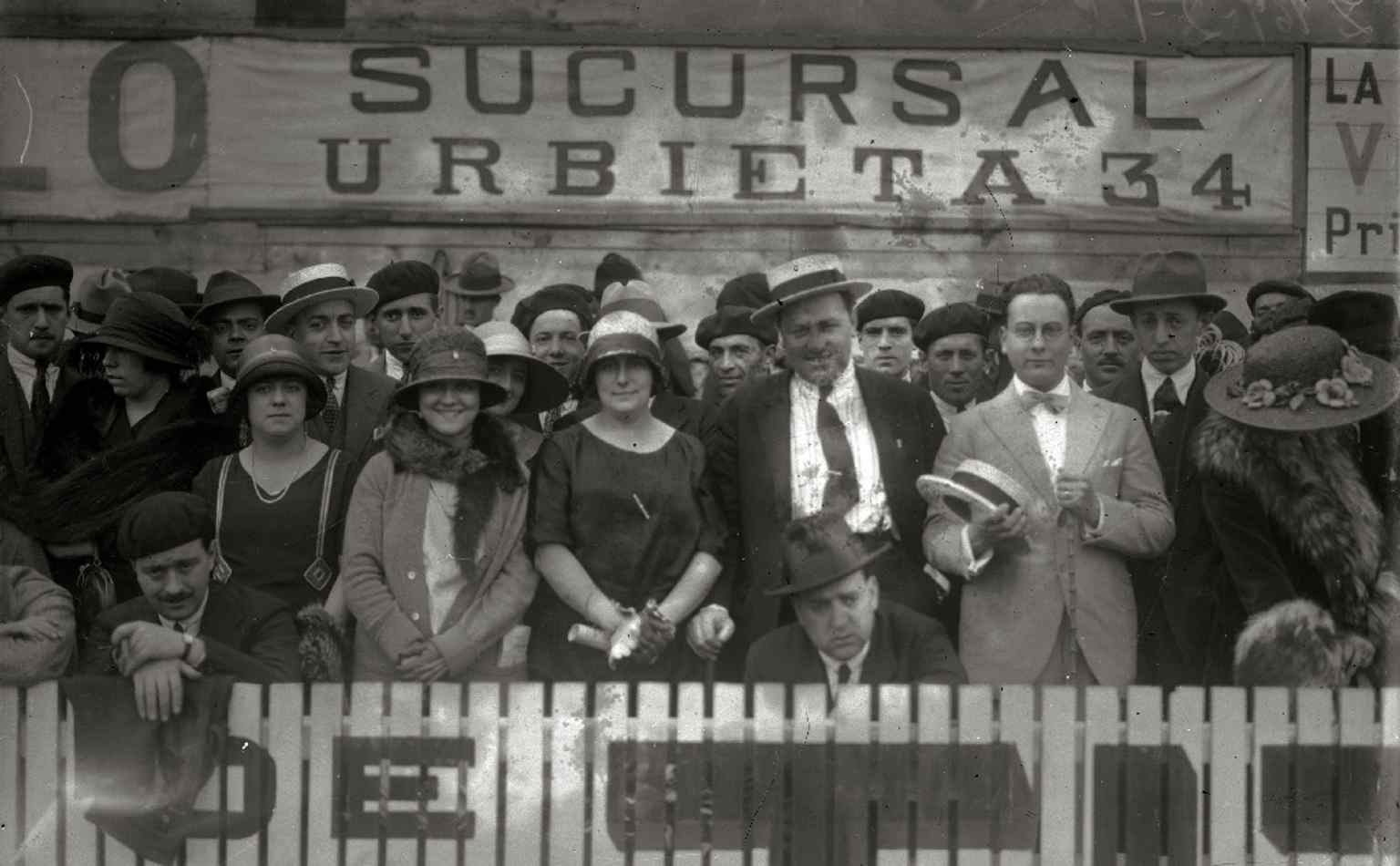
The crowd here did not simply attend. It acted. Atocha held roughly twenty-six thousand seven hundred people, and the stands sat so close to the pitch that opponents felt watched, judged, and, quite often, slightly hunted. Behind the goals many supporters stood packed together with no seats at all. If you imagine a front row almost at the edge of the grass, would that closeness feel exhilarating, unsettling, or both?
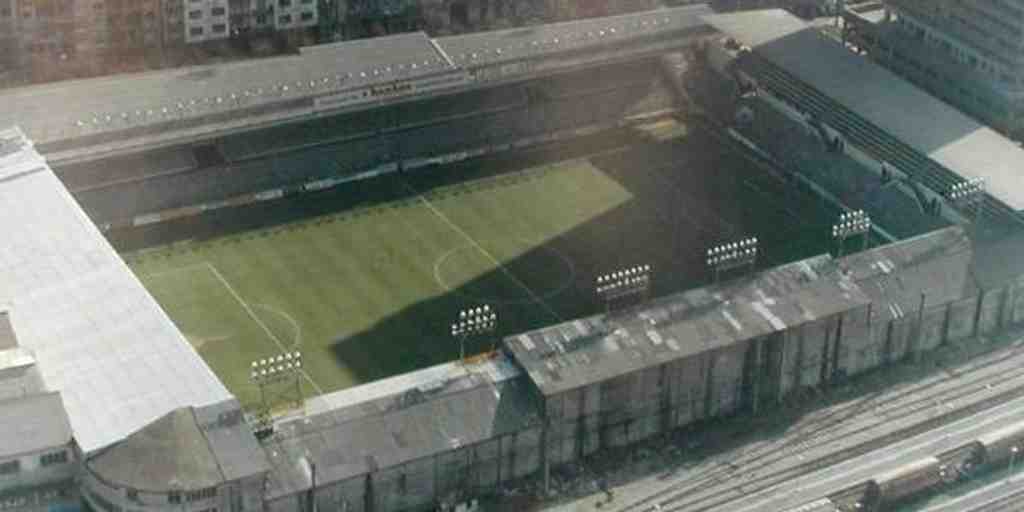
If you glance at the image on your screen, the aerial view makes the compression obvious. Everything was cramped, hemmed in by neighbouring buildings. Even the pitch had a secret: it was not a true rectangle but a trapezoid, about a metre shorter at one end than the other. Football found a way, anyway.
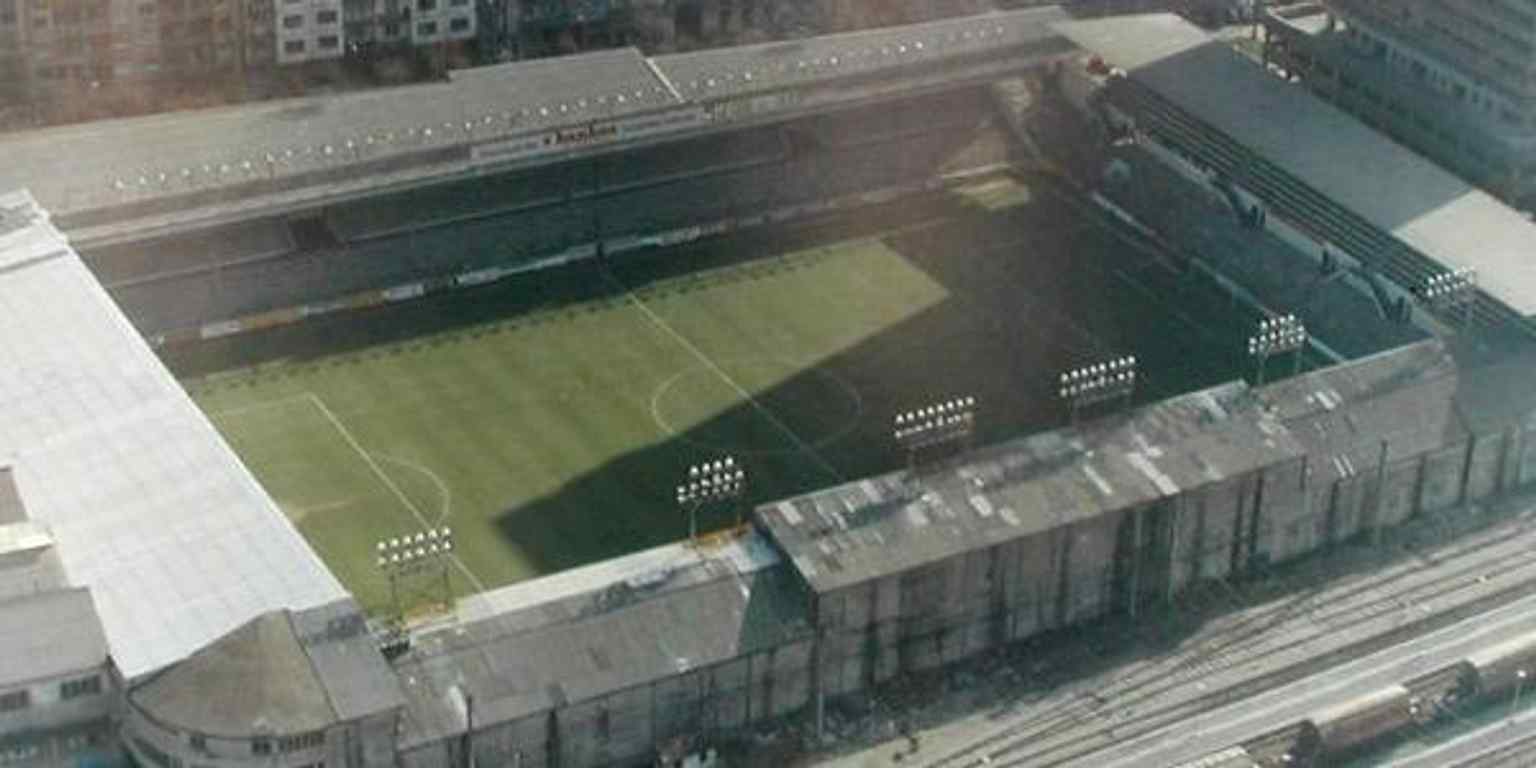
One of the people who knew this place best was Amadeo Labarta, a former Real Sociedad player who became its caretaker. For forty years, he and his wife Sabina lived inside the stadium in a small flat above the ticket booths. Think of that: not merely working at Atocha, but sleeping within its walls, hearing it breathe. Labarta gained a mischievous reputation as well. More than one story claims he watered the most delicate parts of the pitch rather generously before visitors arrived, just to make life awkward.
Atocha carried great nights. In nineteen seventy-nine, Real nearly overturned a three-nil defeat to Inter Milan by winning two-nil here, falling short by a single goal on aggregate. In nineteen eighty-three, it hosted the first leg of Real’s first European Cup semi-final, a one-all draw with Hamburg before a full house. Yet the very intensity that made Atocha beloved also made it obsolete. The old stands aged, modern safety and competition rules demanded more space and better facilities, and this site simply could not stretch.
The final official goal here came from Oceano Andrade da Cruz on the thirteenth of June, nineteen ninety-three, in a three-one win over Tenerife. After the move to Anoeta, the old ground served briefly for rugby training, then builders cleared it for housing. But the city did not let the memory drift off. The curve remains in the buildings around you, and in twenty eleven this square took the name Plaza Campo de Atotxa to pin the old ground back onto the map.
And there was one more echo: from the nineteen sixties, a supporter named Patxi Alcorta fired rockets to tell fishermen offshore the score, one for an away goal, two for a Real goal. That is San Sebastián in miniature, really: a crowd so forceful it could reach the sea.
The stadium has gone, but the collected force of the people who filled it has not. We’ll carry that energy onward to the Trinquete de Gros, about an eight-minute walk from here.






%20-%20Fondo%20Mar%C3%ADn-Kutxa%20Fototeka.jpg)
%20(1%20de%2018)%20-%20Fondo%20Car-Kutxa%20Fototeka.jpg)
%20-%20Fondo%20Mar%C3%ADn-Kutxa%20Fototeka.jpg)
%20-%20Fondo%20Car-Kutxa%20Fototeka.jpg)

%20-%20Fondo%20Mar%C3%ADn-Kutxa%20Fototeka.jpg)
%20-%20Fondo%20Mar%C3%ADn-Kutxa%20Fototeka.jpg)
%20-%20Fondo%20Mar%C3%ADn-Kutxa%20Fototeka.jpg)
%20-%20Fondo%20Mar%C3%ADn-Kutxa%20Fototeka.jpg)
%20-%20Fondo%20Mar%C3%ADn-Kutxa%20Fototeka.jpg)