
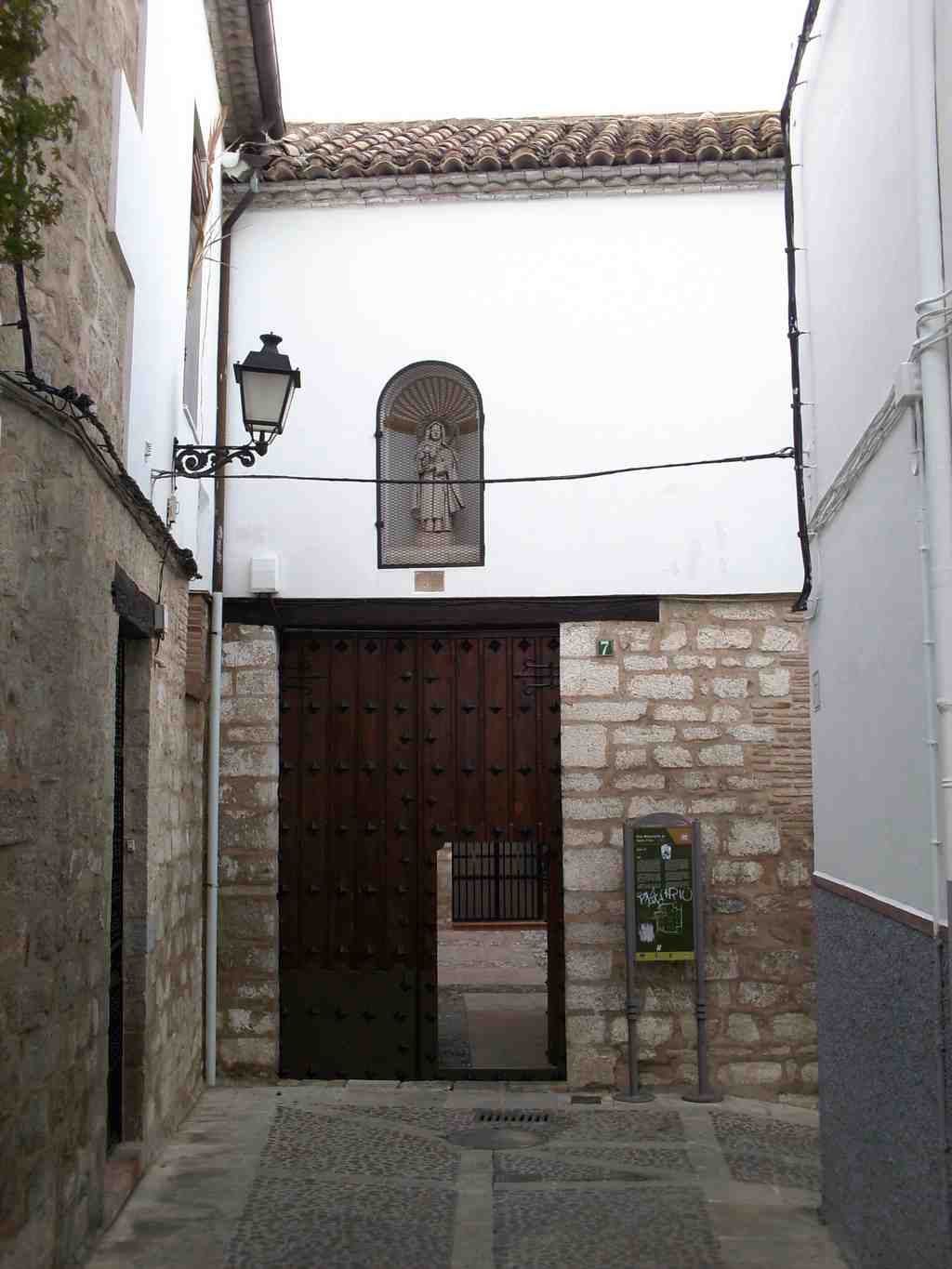
Right in front of you, you’ll spot a white, stone-walled facade with a sturdy, studded wooden gate and, peeking above it, a simple statue of a saint nestled in a small alcove-just look towards the big wooden door framed by historic masonry.
Welcome to the Royal Monastery of Santa Clara, the oldest monastery in Jaén! Imagine you’re standing where medieval stories and secrets have swirled for centuries. Founded way back in the 13th century by none other than King Ferdinand III (known as "The Saint"-seriously, talk about a regal nickname), this place started life outside the city walls, but after a little “unfriendly visit” by attackers, it wisely moved in here for safety. The air is cool and filled with whispers of long-ago prayers; some say you can almost hear ancient sandals shuffling on the stone floor.
On the monastery’s rear, imagine where an old Jewish synagogue once stood-until historic upheaval in 1391 transformed it into the church of Santa Cruz, and years later, the whole area was folded into this sprawling, peaceful convent as the Hebrew community moved on. The sisters of Santa Clara have watched over this place through thick and thin, embroidering, baking delightful sweets, and-ready for a quirky slice of Spanish tradition?-accepting eggs from hopeful brides and grooms praying for sunshine on their wedding day.
Step inside the church (at least in your imagination) and picture a single grand hall-one long nave, crowned with intricate wooden ceilings so beautiful they look almost magical, their oldest beams whispering stories from centuries past. The altar’s centerpiece is a stature of Santa Clara herself, flanked by the mysterious Cristo de Bambú, a revered 16th-century sculpture whose name alone sounds like it should start its own detective agency. During the 1950s and 60s, this place even hosted the Congregation of the Holy Sepulcher while their home was being restored-Jaén’s own tale of religious musical chairs!
Now, wander the peaceful outer patio: elegant lines, a lush garden, an ancient cypress towering up, and a statue of the Virgin Mary placed lovingly in the center. Two ancient stones hang on the walls, carved in Latin, showing a history that’s not just written but lived, one careful stone at a time. And just for good measure-keep an ear out for distant church bells or the laughter of cloistered nuns, floating gently over the garden’s walls.




