
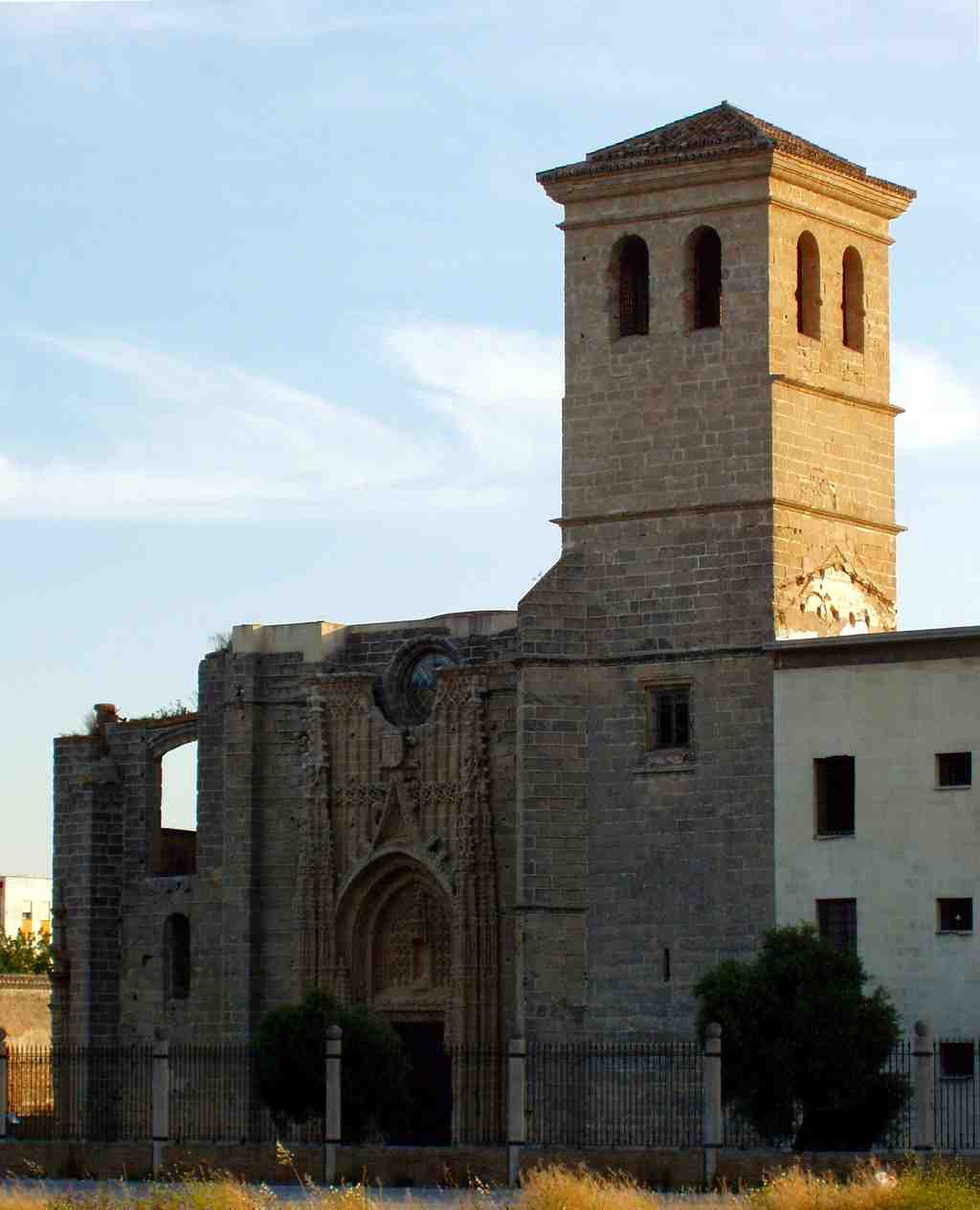
Look for a solid, fortress-like stone building with a tall square tower, old arched doorways, and detailed Gothic carvings above the entrance, right ahead of you.
Now, as you stand here, picture yourself in the 16th century, when the Dukes of Medinaceli decided to build this mighty monastery. Back then, it must have echoed with the quiet prayers of monks shuffling through its chilly halls, candle wax flickering across these ancient stones. But listen closely-if these walls could talk, they’d have some wild tales to whisper! By the late 1800s, the silence was shattered as the grand monastery became a prison. Imagine the rattling of iron keys, the echo of shouts, and maybe even the tap-tap of political prisoners plotting hopeful escapes. During the Spanish Civil War and Franco’s rule, this place gave shelter-well, “shelter”-to rebels like Ramón Rubial and Eleuterio Sánchez, who was famously known as “El Lute.” Some say his plans to break free made the guards lose more sleep than the prisoners! Despite its stormy past, today the old monastery is filled with visitors’ laughs and the hum of exhibitions every Friday, celebrating stories-not sorrows. So, while you’re here, take a moment to imagine the monks, prisoners, and dreamers who shaped this place. And remember-not even thick stone walls can hide a good story forever!


