AudaTours logoAudaTours

Stop 10 of 16

Victoria Eugenia Theater

headphones 03:56 Buy tour to unlock all 18 tracks

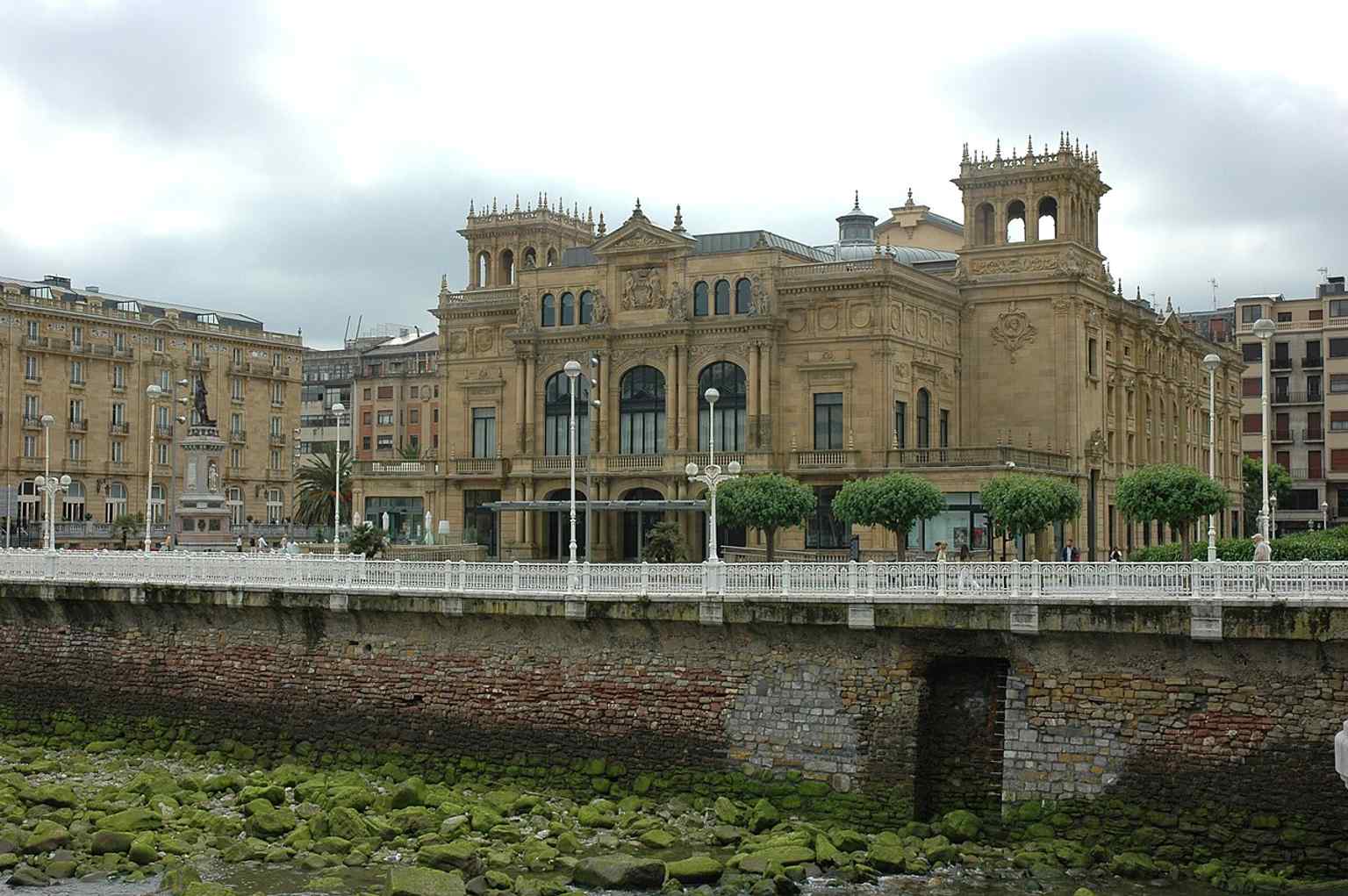
On your right, the Victoria Eugenia Theatre shows itself as a grand pale sandstone block, palace-like and symmetrical, with carved balconies and a row of sculpted busts set into the main façade.

This theatre opened in nineteen twelve, and it was never meant to be just a playhouse. Francisco Urcola designed it as part of a larger act of civic self-invention, paired with the luxury hotel across the river so San Sebastián could greet visitors with culture on one side and hospitality on the other. Even the exterior tells that story. While so many buildings in the city borrowed French manners, Urcola looked instead to the palace of Monterrey in Salamanca, giving this place a distinctly Spanish grandeur.

Its first night carried a delicious little irony. The official inauguration took place on the twentieth of July, nineteen twelve, but Queen Victoria Eugenia, whose name the theatre bears, did not attend. She came the following day instead, with King Alfonso the Thirteenth and Queen Mother María Cristina, after the curtain had already risen on Eduardo Marquina’s En Flandes se ha puesto el sol, performed by the celebrated company of María Guerrero and Fernando Mendoza.

That blend of glamour and careful staging never really ended. For decades, every edition of the San Sebastián International Film Festival played through this building until nineteen ninety-nine, and that is how a Belle Époque theatre became part of film mythology. Alfred Hitchcock stood here in nineteen fifty-eight for the world premiere of Vertigo. Most visitors hear that and picture suspense, spirals, and icy blondes. Locals tend to remember something more earthly: from his room at the hotel just opposite, Hitchcock became enchanted by Basque cooking, especially chipirones en su tinta, baby squid in its own ink, which he later insisted Eva Marie Saint must try.

Then came another astonishing evening in nineteen seventy-seven, when Star Wars received its European premiere here. Harrison Ford and Carrie Fisher posed on these steps, full of youthful promise, and inside, the audience sat in baffling silence. Festival-goers expected solemn art cinema; George Lucas gave them a space opera. The festival director, Luis Gasca, later admitted he feared disaster before the world fell in love with it.

And yet this elegant shell has held more than applause. In July nineteen thirty-six, Republican militiamen occupied the theatre and fired from here toward the hotel opposite, where rebel officers had barricaded themselves. Later, Franco’s regime turned the building into a propaganda venue. So the city’s polished stage could become, with alarming ease, a battlefield and then a political instrument.

If you fancy it, take a quick look at the before-and-after image in the app; the façade barely flinches, even as the world around it changes completely. And if you glance at your screen, image five gives you the auditorium before the great renovation, when it still held around one thousand two hundred and fifty seats beneath Ignacio Ugarte’s painted vault. The reforms from two thousand one to two thousand and seven modernised the machinery, improved access, and even created new rooms, though some mourn the loss of the older pink-and-gold entrance in favour of rather too much marble. That, too, belongs to this theatre’s story: permanence on the outside, reinvention within.

Now cast your eyes across toward the hotel that faces it; we’re heading there next, to Hotel María Cristina, only about two minutes away. If you want to return, the theatre generally opens from late morning to early afternoon and again from early evening, with Saturday starting a little earlier.
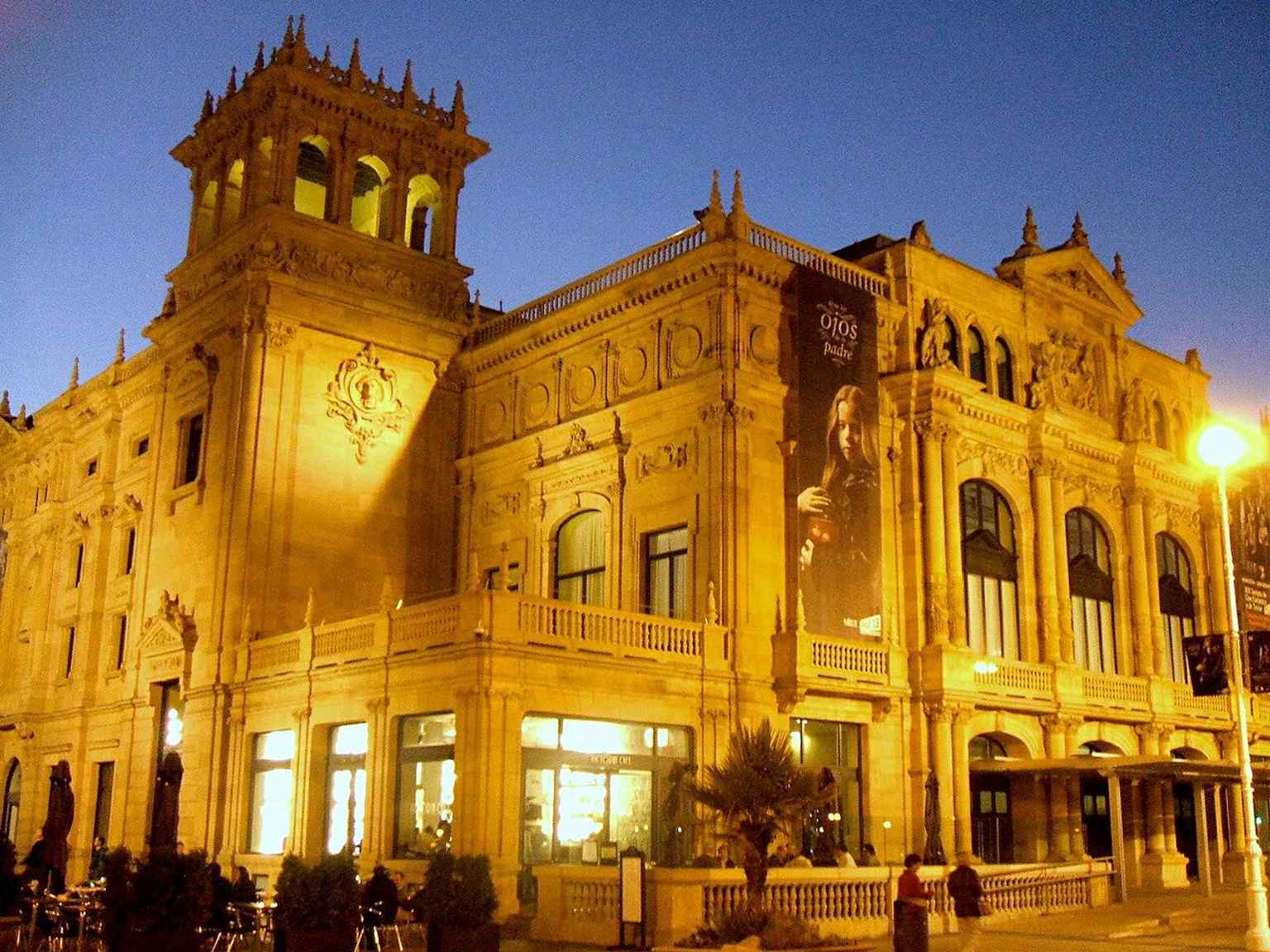
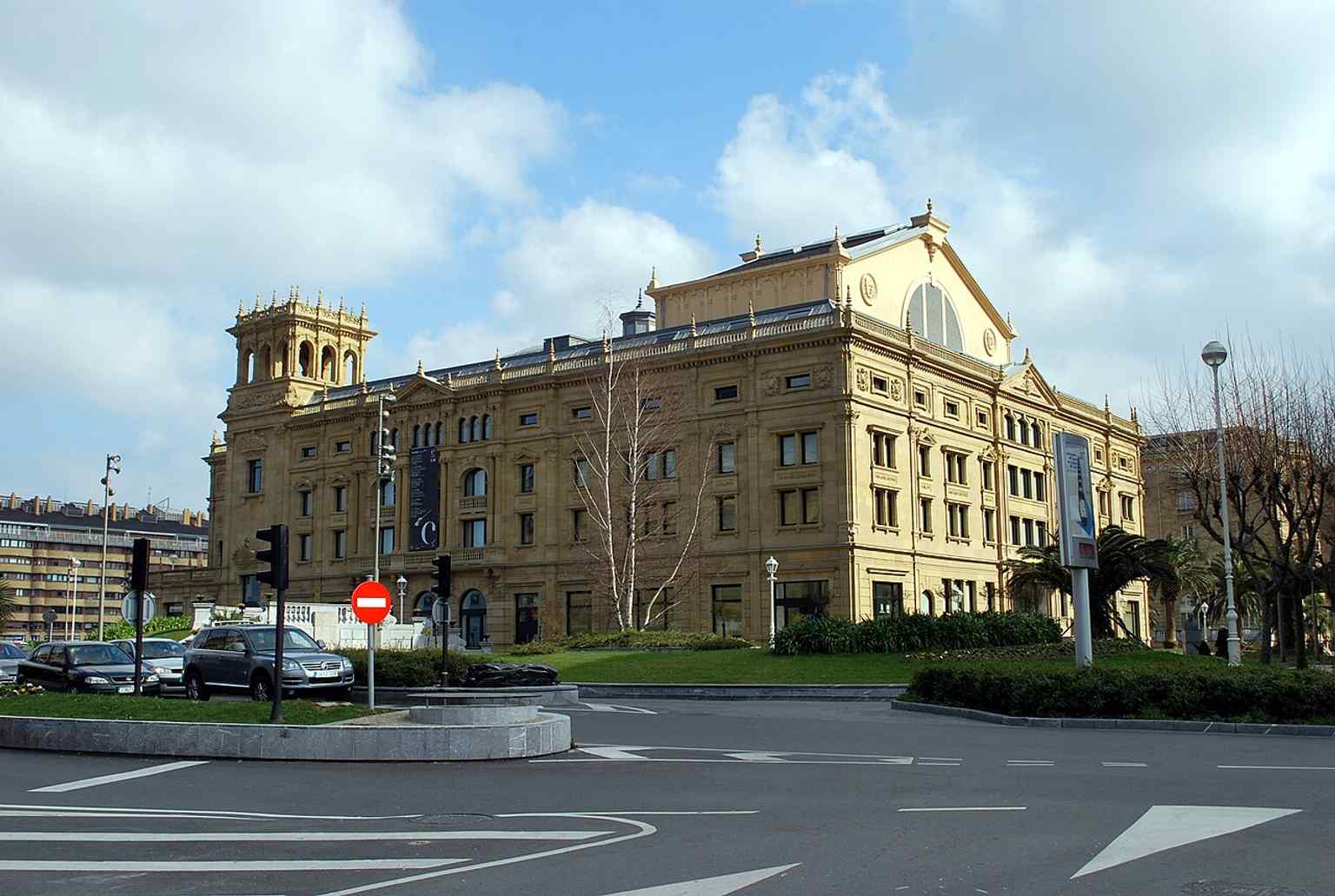
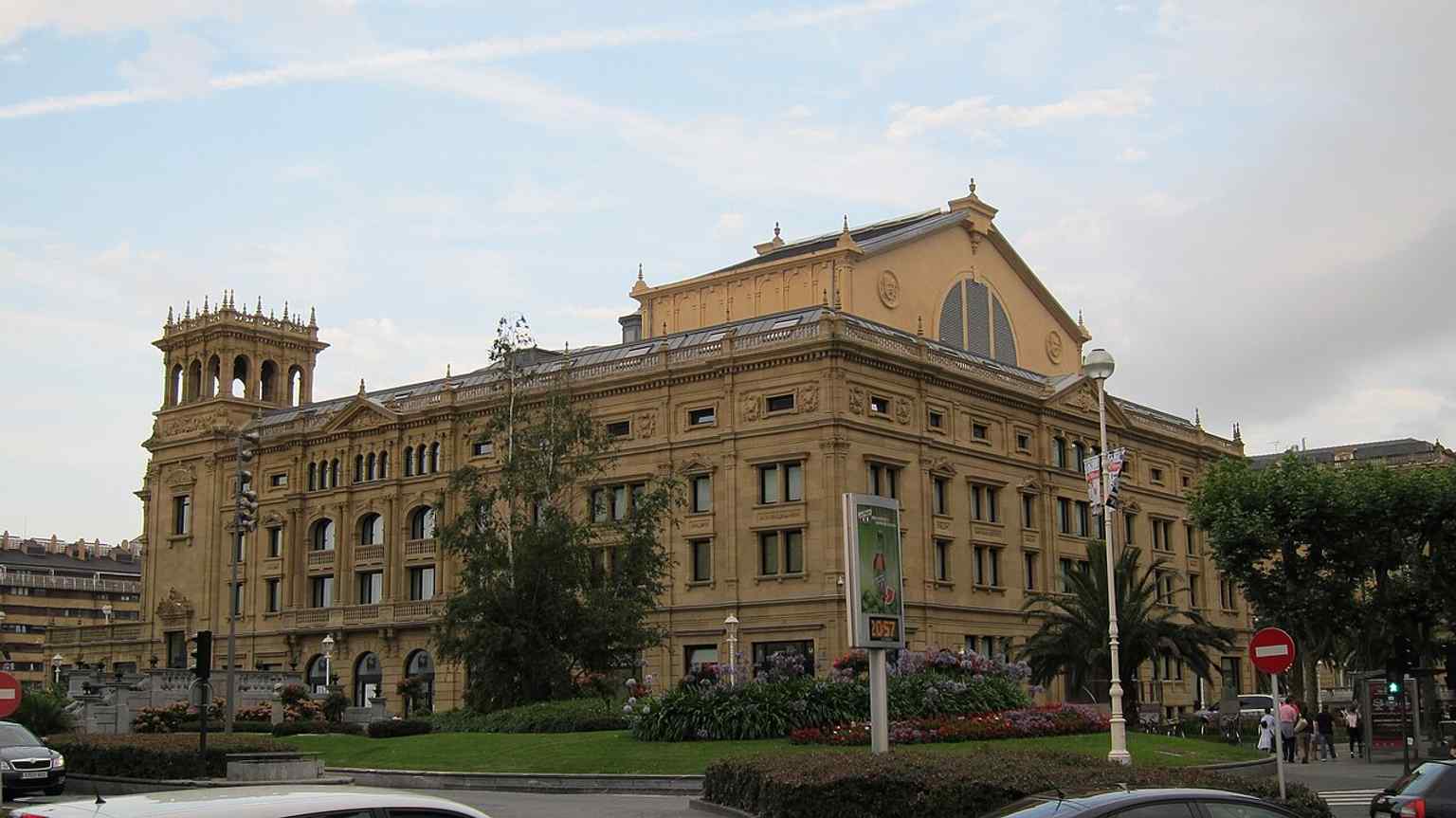
A clean modern view of the theatre’s exterior, useful for showing the building’s neorenaissance, neoplateresque character.
A clean modern view of the theatre’s exterior, useful for showing the building’s neorenaissance, neoplateresque character.Photo: Zarateman, Wikimedia Commons, CC0. Cropped & resized.
The rear of the theatre — a less-seen angle that helps show the full footprint of the building beyond its famous front entrance.
The rear of the theatre — a less-seen angle that helps show the full footprint of the building beyond its famous front entrance.Photo: Jean Michel Etchecolonea, Wikimedia Commons, CC BY-SA 3.0. Cropped & resized.
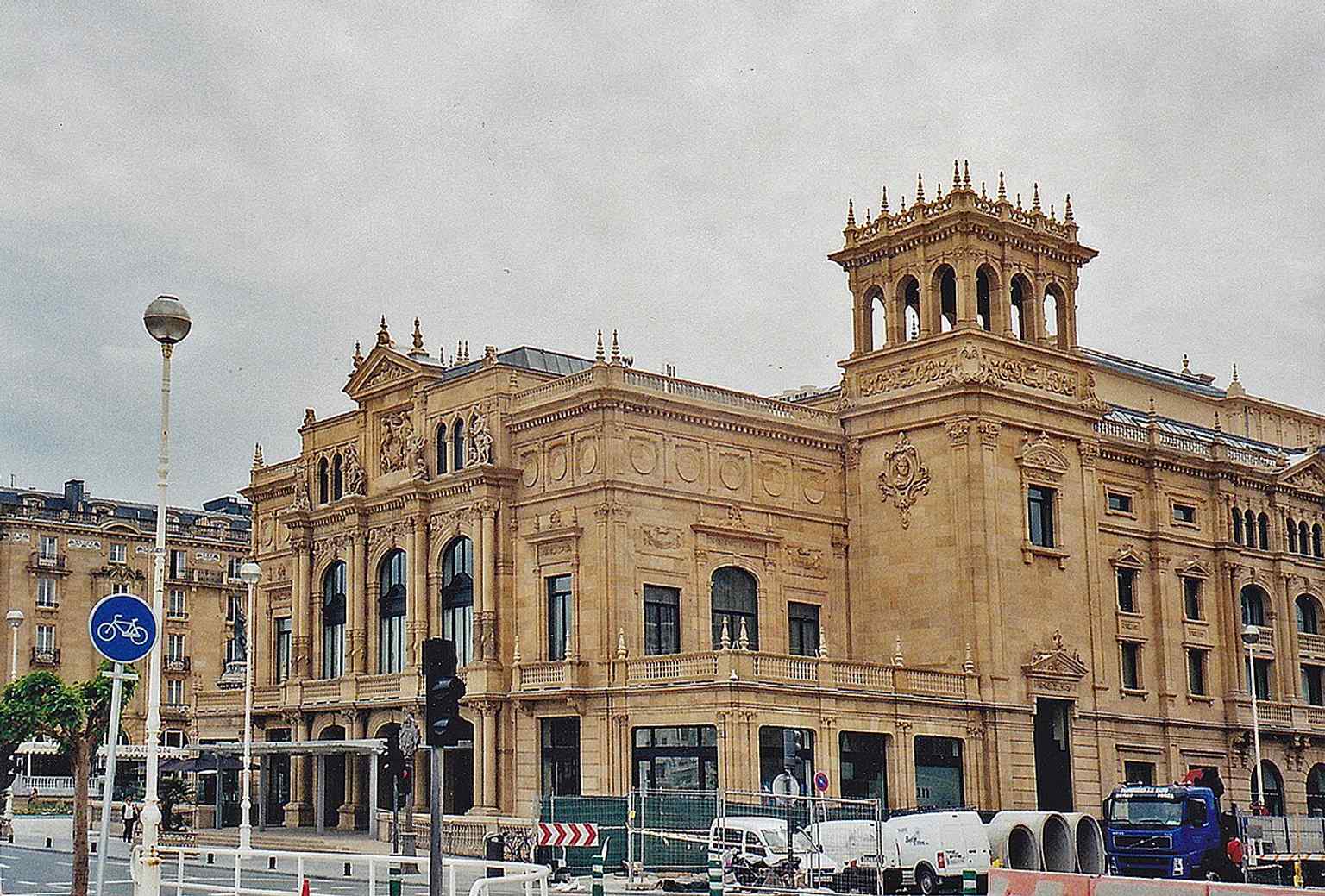
A 2015 façade view that captures the theatre’s grand street presence after its major restoration.
A 2015 façade view that captures the theatre’s grand street presence after its major restoration.Photo: Calips, Wikimedia Commons, CC BY-SA 3.0. Cropped & resized.
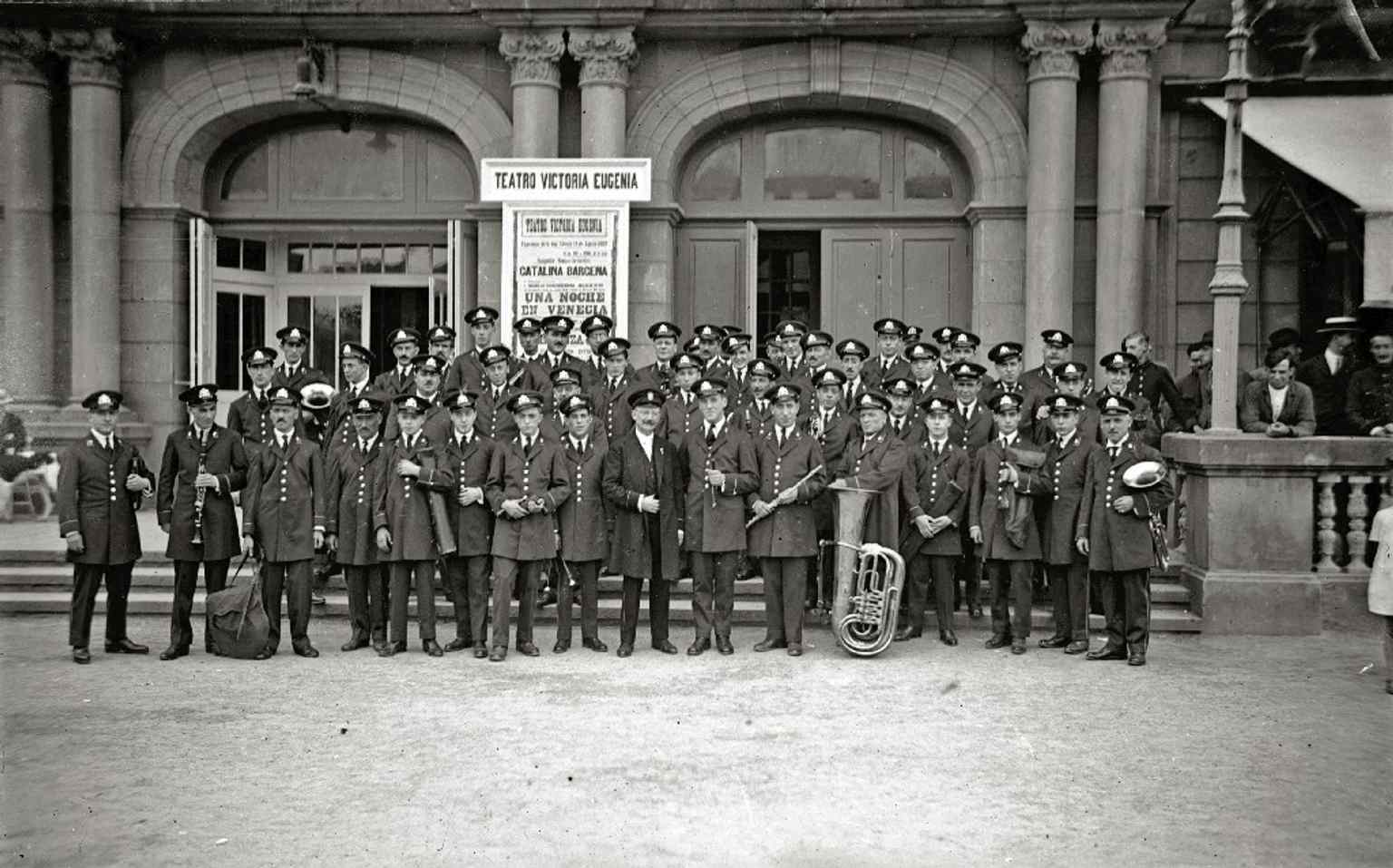
A black-and-white scene of a band outside the theatre, evoking the building’s long role as a civic and cultural gathering place.
A black-and-white scene of a band outside the theatre, evoking the building’s long role as a civic and cultural gathering place.Photo: Pascual Marín, Wikimedia Commons, CC BY-SA 3.0. Cropped & resized.
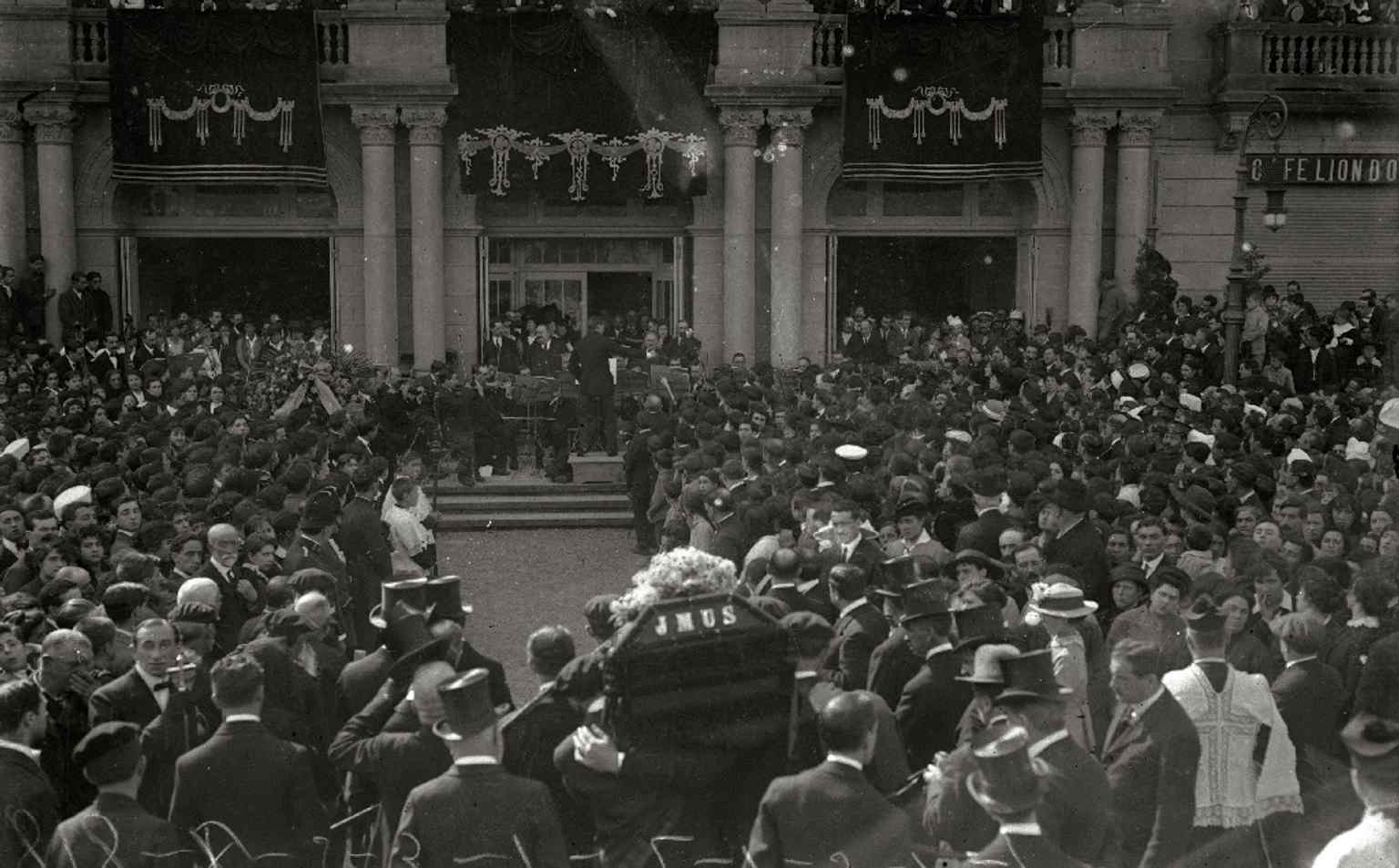
A 1915 funeral procession at the theatre entrance — a rare historical image showing the building as a public stage for city life.
A 1915 funeral procession at the theatre entrance — a rare historical image showing the building as a public stage for city life.Photo: Ricardo Martín, Wikimedia Commons, Public domain. Cropped & resized.
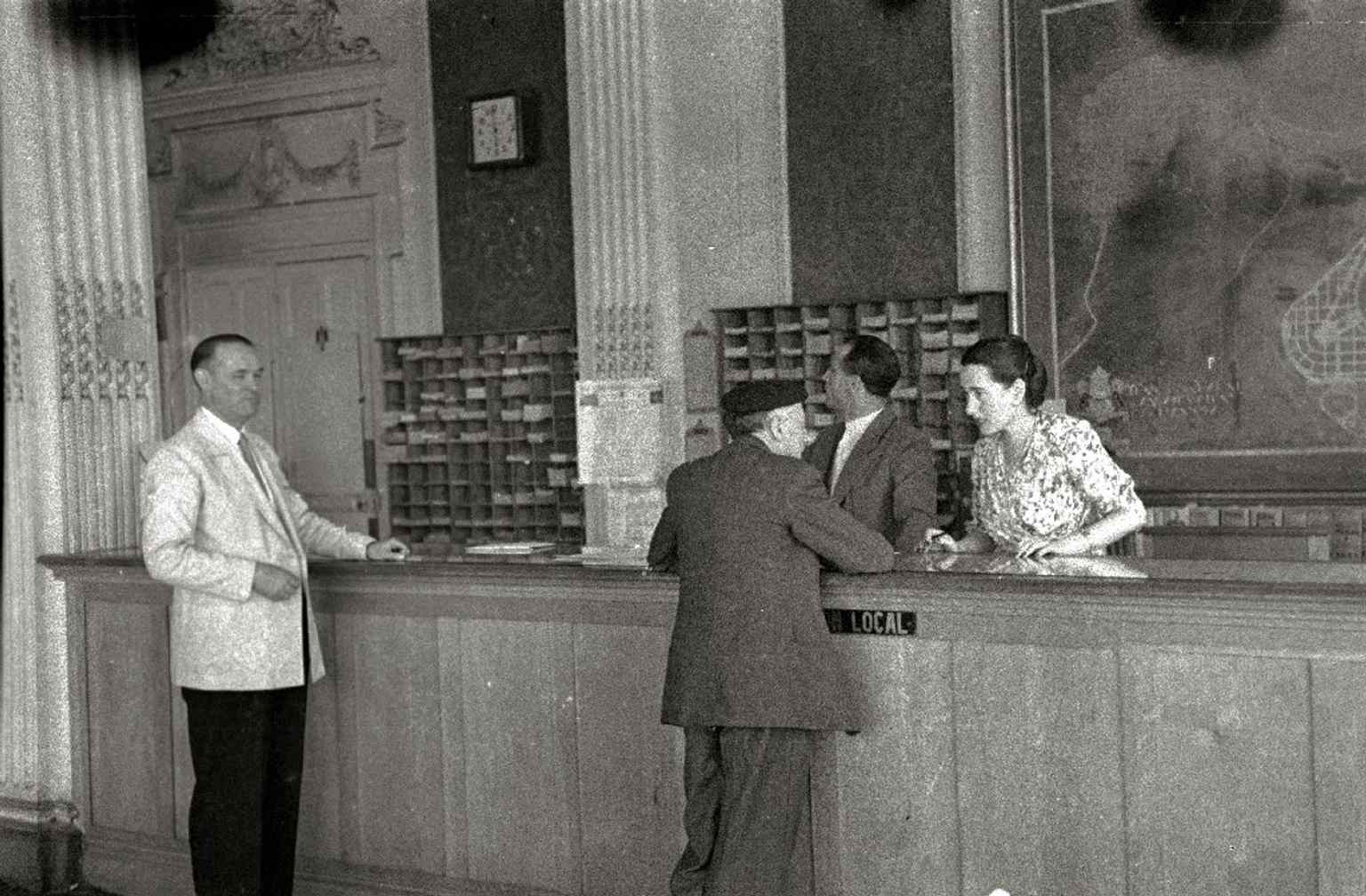
The tourism office in the theatre’s lower levels in 1947, a reminder that the building has hosted more than performances alone.
The tourism office in the theatre’s lower levels in 1947, a reminder that the building has hosted more than performances alone.Photo: Vicente Martín, Wikimedia Commons, CC BY-SA 3.0. Cropped & resized.
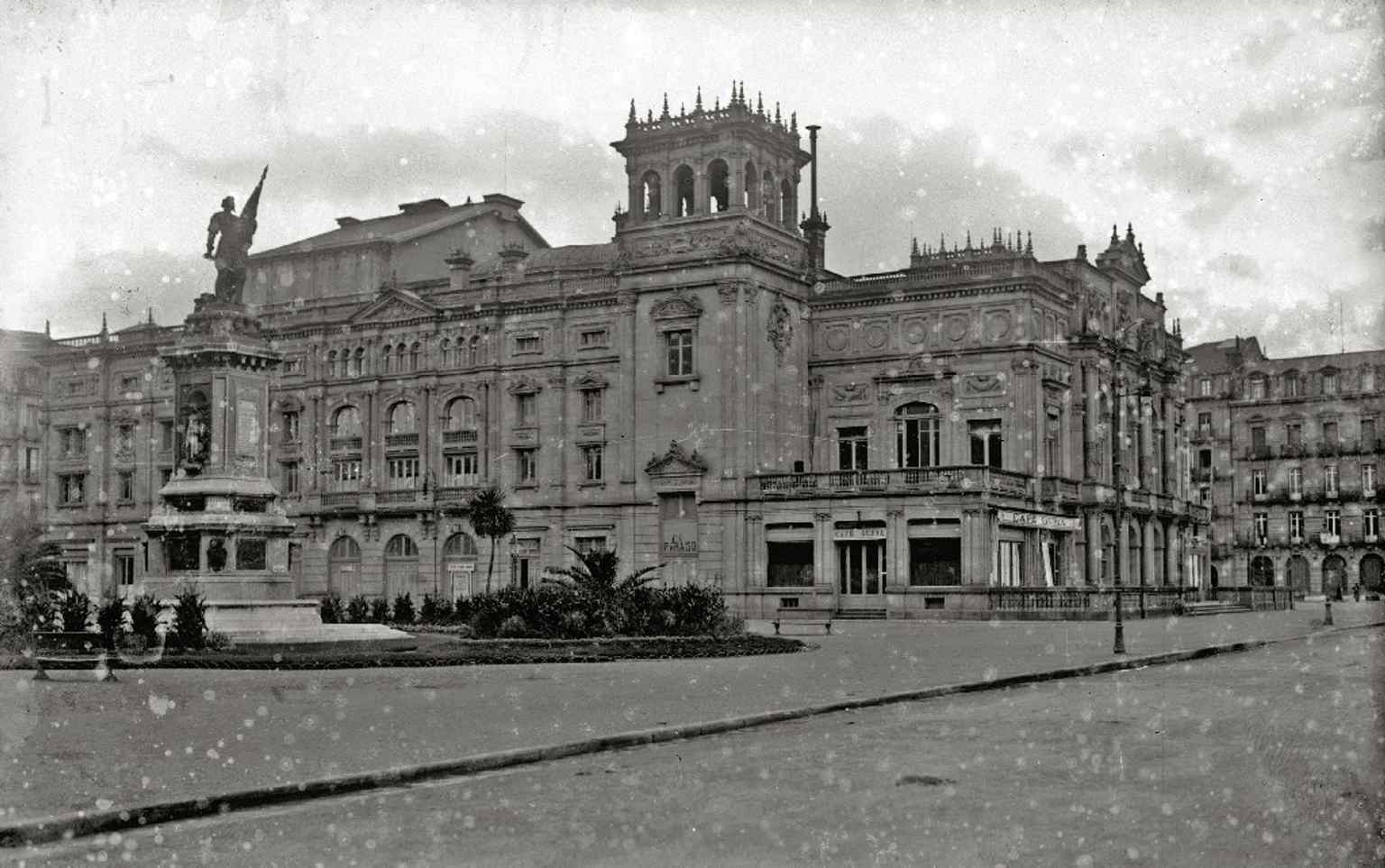
A 1921 view of the theatre in its early years, valuable for seeing the original atmosphere of the building before later changes.
A 1921 view of the theatre in its early years, valuable for seeing the original atmosphere of the building before later changes.Photo: Ricardo Martín, Wikimedia Commons, Public domain. Cropped & resized.
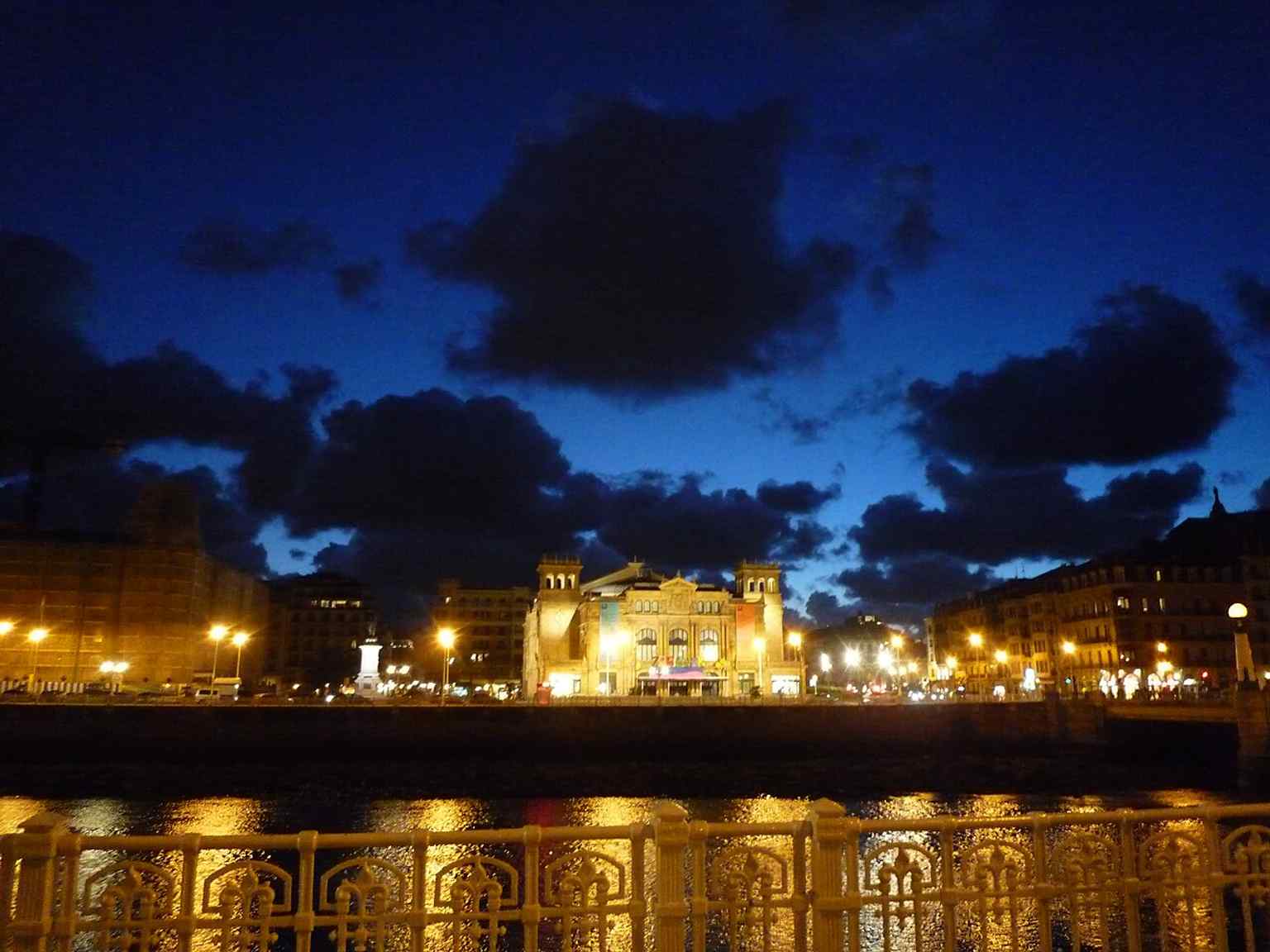
A wide panorama of the theatre and its urban setting, ideal for placing it within San Sebastián’s riverfront landscape.
A wide panorama of the theatre and its urban setting, ideal for placing it within San Sebastián’s riverfront landscape.Photo: Carlos Cunha, Wikimedia Commons, CC BY-SA 3.0. Cropped & resized.
The theatre beside the Monument to Antonio de Oquendo — a strong composition that situates it in one of the city’s landmark plazas.
The theatre beside the Monument to Antonio de Oquendo — a strong composition that situates it in one of the city’s landmark plazas.Photo: Zarateman, Wikimedia Commons, CC0. Cropped & resized.
An archival scan of the theatre from an older photographic source, adding a historic documentary perspective to the collection.
An archival scan of the theatre from an older photographic source, adding a historic documentary perspective to the collection.Photo: SchiDD, Wikimedia Commons, CC BY-SA 4.0. Cropped & resized.
arrow_back Back to San Sebastián Audio Tour: Belle Époque Wonders & Coastal Charms of Centro
Loved by travellers

Thousands of tours started.
Plenty of opinions.

4.8 across the App Store and Google Play. Here's a few we keep coming back to.

starstarstarstarstar
This was a solid way to get to know Brighton without feeling like a tourist. The narration had depth and context, but didn't overdo it.
Christoph
Christoph
Brighton Tour
starstarstarstarstar
Started this tour with a croissant in one hand and zero expectations. The app just vibes with you, no pressure, just you, your headphones, and some cool stories.
download Get the app

Pop your headphones in.
Step outside.

Free to download. Tours in every city. Start in 60 seconds — no account, no card.

Download on the App StoreGet it on Google Play
starstarstarstarstar_half
4.8
AudaTours app icon
headphones
~ 4 min until your first tour starts
public
1,000+ cities worldwide
all_inclusive
AudaTours
Unlimited

Every tour. Every city. One subscription.

3096 tours2272 cities138 countries50+ languages