
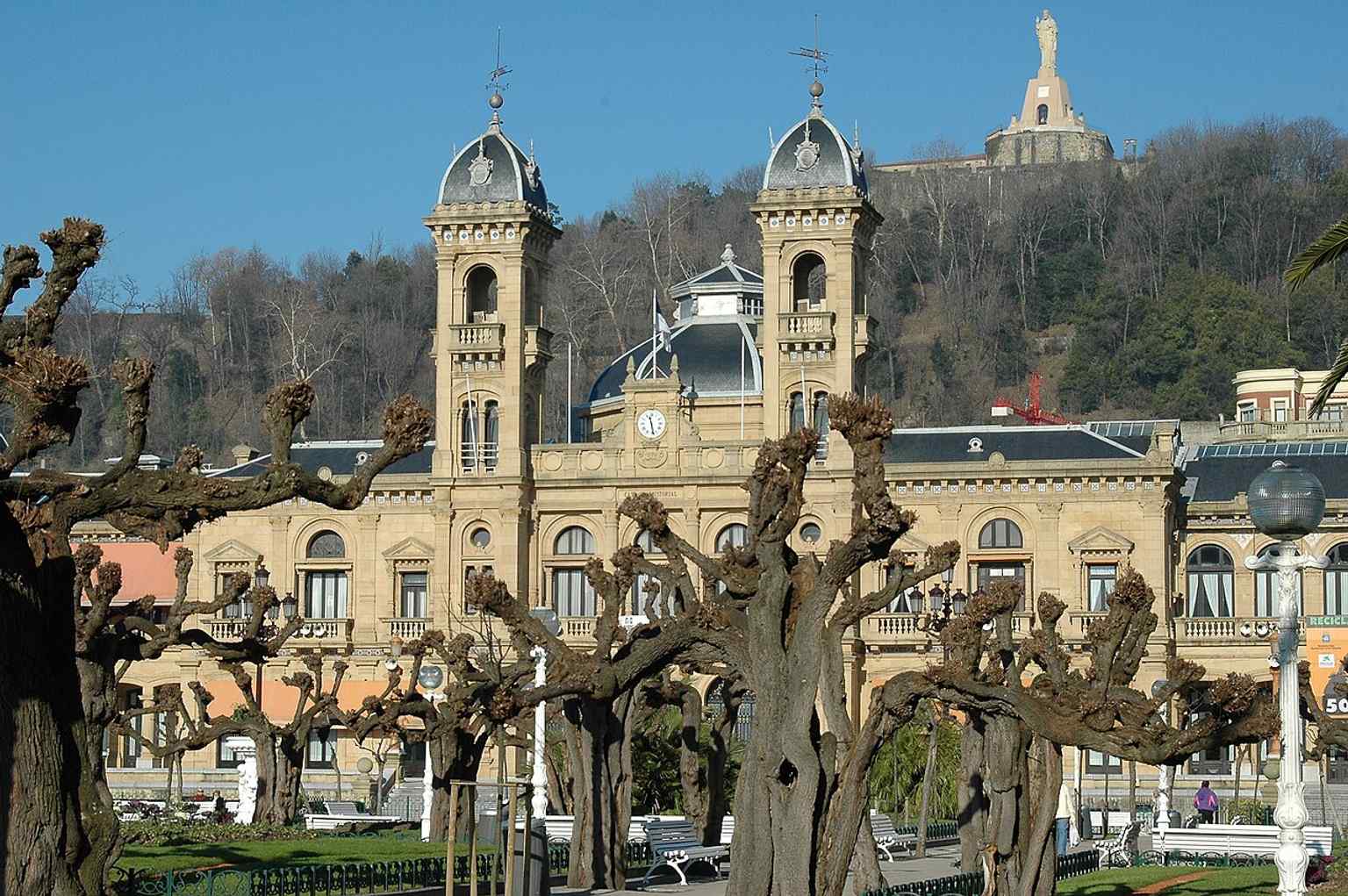
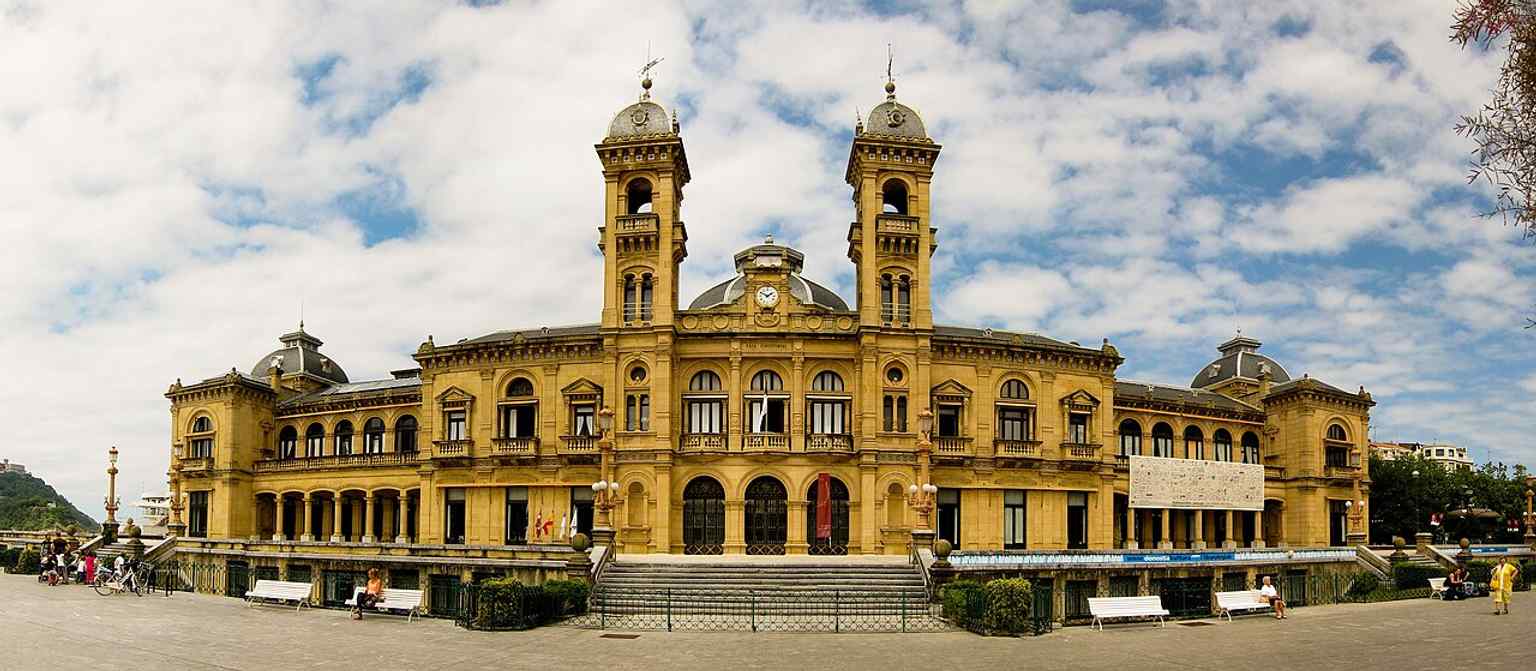
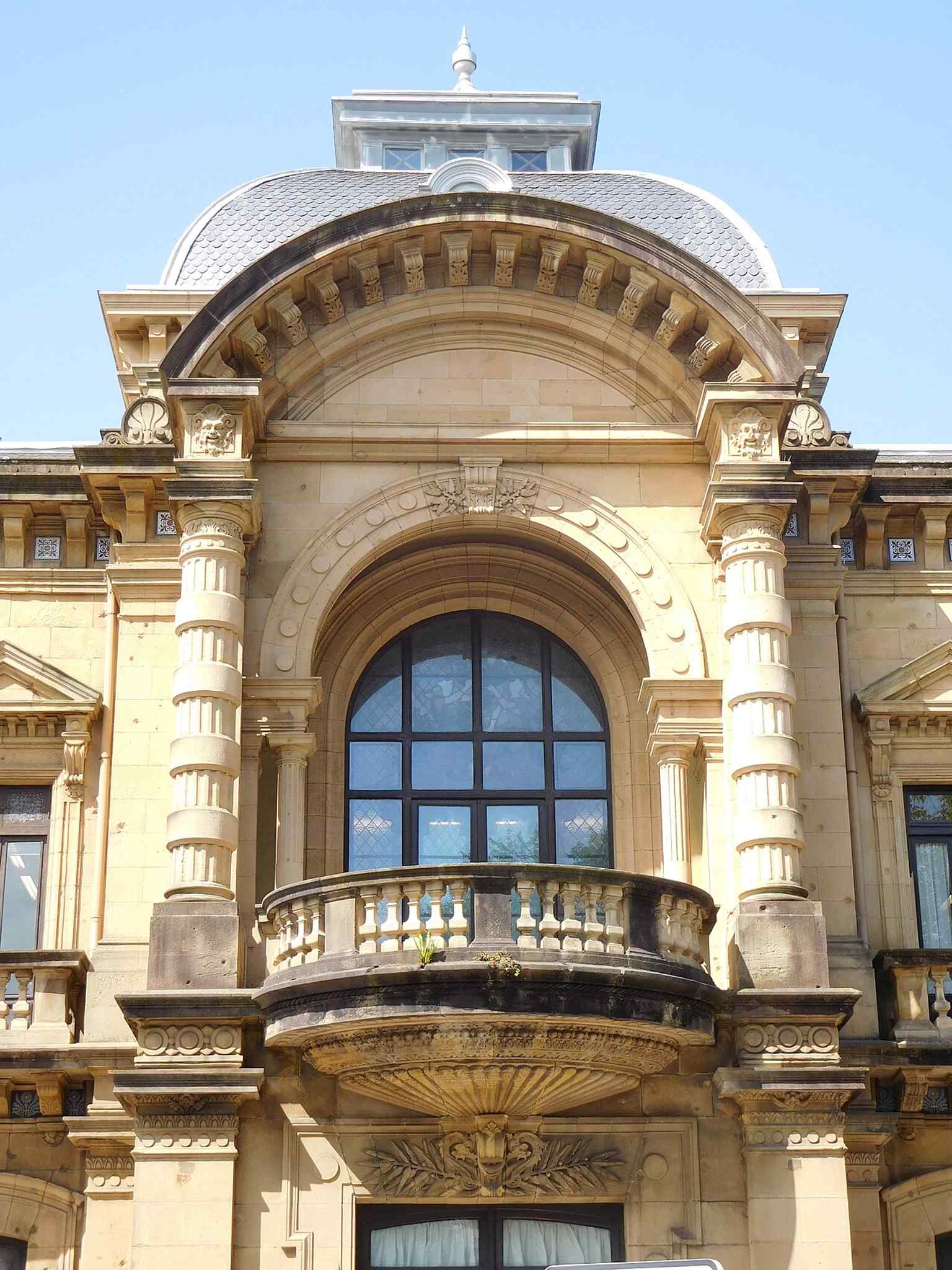
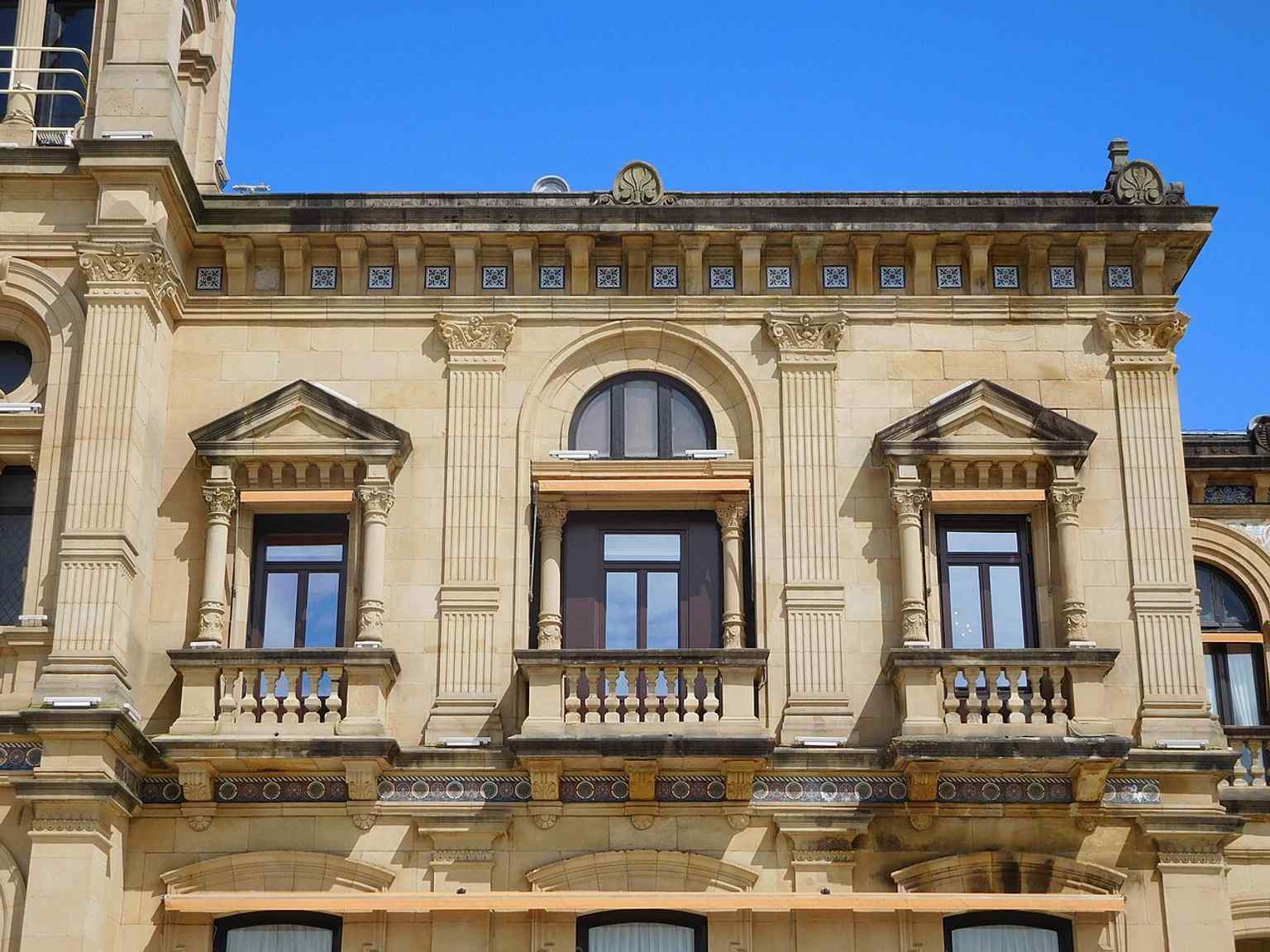
On your left, look for the pale stone façade with its broad, symmetrical front, two towered corners, and a formal central balcony that crowns the old casino turned city hall.
This building tells San Sebastián’s secret in plain sight. It governs the city now, but it began as a stage for pleasure. Builders started it in eighteen eighty-two in the Alderdi Eder gardens, and they opened it on the first of July, eighteen eighty-seven, with Queen María Cristina herself attending for the first time. That entrance mattered. The city was presenting itself to power, to fashion, to Europe.
At first, this was the casino, and people nicknamed it Santa María de la Roulette. The joke hung on those two towers, which cheekily echoed the towers of the Basilica of Santa María del Coro. Inside, money moved with astonishing speed. The profits from gambling did more than enrich shareholders; they helped pay for the city’s modern face, including the Paseo de la Concha, the Paseo Nuevo, and the asylum of La Misericordia. There was, however, a delicious hypocrisy at the heart of it all: the gaming rooms upstairs admitted foreigners only, supposedly to protect local morals, while many locals found ways to laugh at that rule and slip around it.
If you glance at your screen, the older casino identity comes into focus beautifully there. It helps you see this façade not as a sober office block, but as a place designed to dazzle.
Then came the First World War, and the glamour sharpened into intrigue. Spain stayed neutral, so San Sebastián filled with refugees, aristocrats, and intelligence agents. The casino became, in effect, a nest of spies. The most famous visitor was Mata Hari, the dancer and spy, who lodged at the nearby Hotel de Londres and came here often. Local memory insists that amid these salons and glasses raised in conversation, she carried on a romance with the journalist Enrique Gómez Carrillo while whispers about the European front drifted between the dance floor and the card tables.
The performance could not last. Gambling was banned in nineteen twenty-four, and the casino closed. After that, the building passed through grim reinventions: it served as a hospital for wounded soldiers from the Rif War, and in July of nineteen thirty-six, at the outbreak of the Civil War, rebel troops and Carlist requetés barricaded themselves inside. The fighting was fierce enough that chroniclers say bullet scars could still be traced on the Boulevard side.
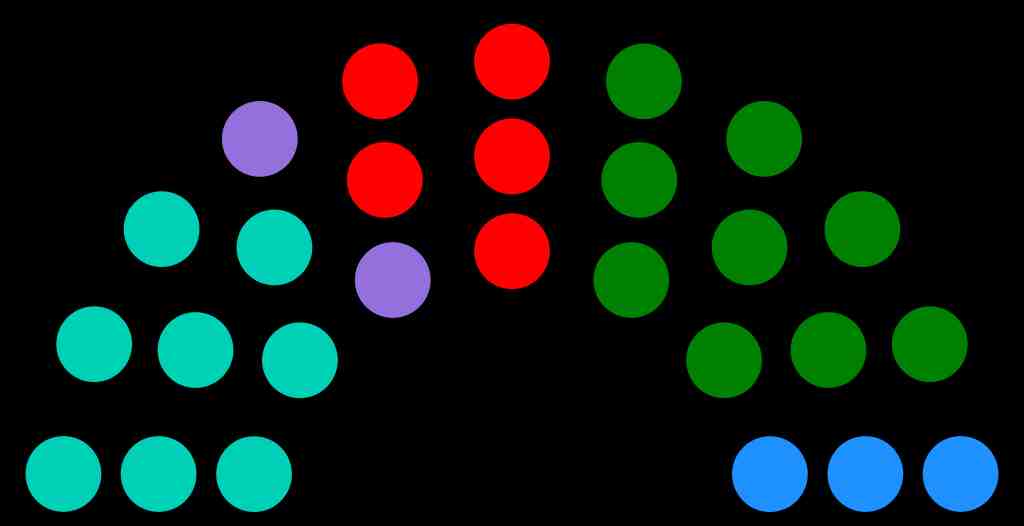
Then came the most revealing transformation of all. In nineteen forty-five, the city hall moved here from the building that now houses the municipal library in the old town. Luis Jesús Arizmendi, the municipal architect and, wonderfully, also the city’s fire chief, reshaped the old casino with a practical but respectful hand. The grand ballroom, where the Belle Époque had danced waltzes and foxtrots, became the council chamber where ordinances are debated. If you open the second image, you can feel that double life almost at once.
Even in democracy, this building kept absorbing the city’s joys and wounds. After the return of democratic elections in nineteen seventy-nine, mayors and coalitions changed, arguments sharpened, and public life found new rhythms here. One absence cut especially deep: after E-T-A murdered deputy mayor Gregorio Ordóñez in nineteen ninety-five, his empty chair in the chamber stood for years as a sign of grief and division.
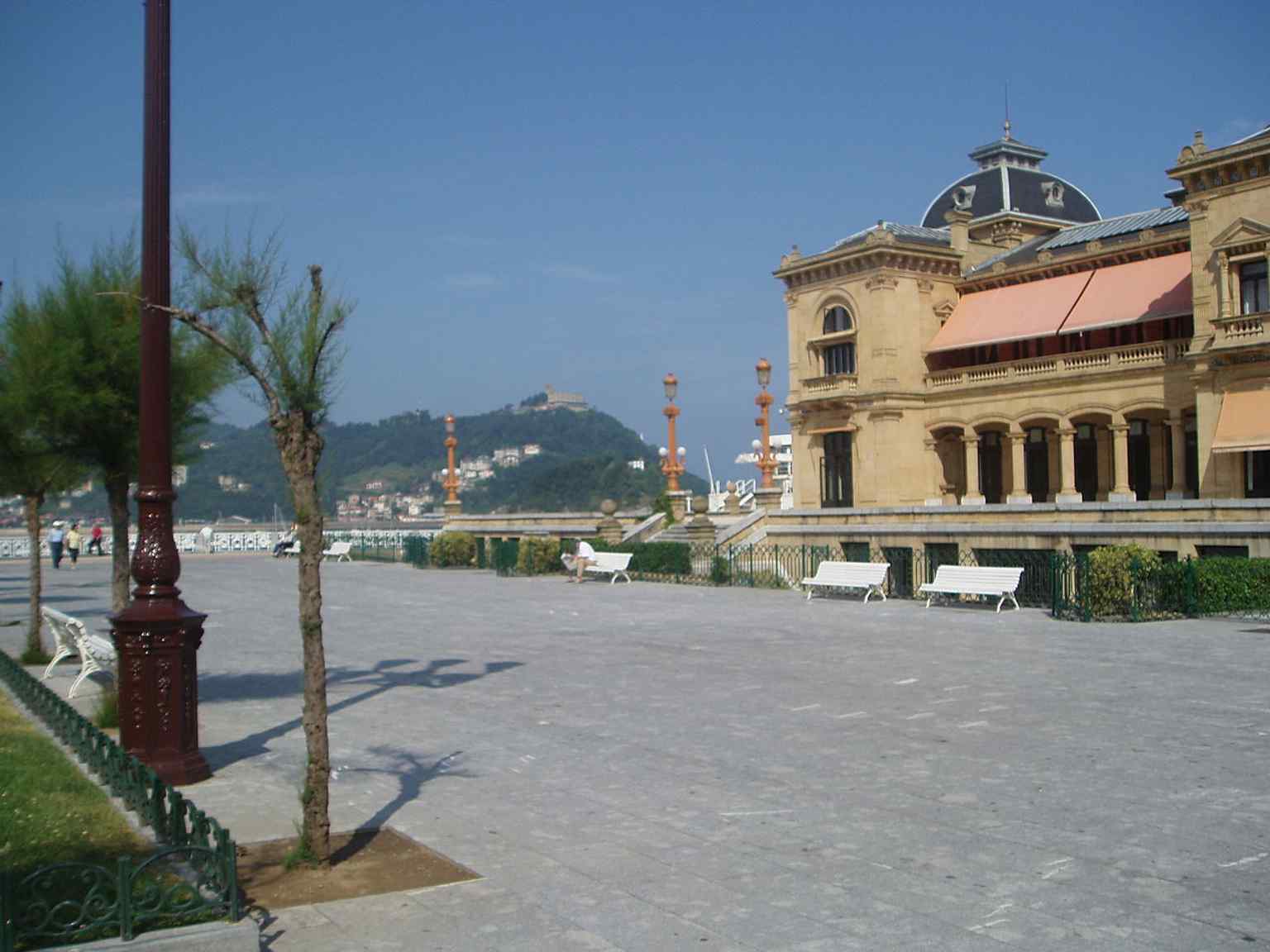
And so this façade resolves something essential about San Sebastián. Here, elegance did not vanish; it learned responsibility. A house of spectacle became a house of decisions, and the bay beside it kept watch through every costume change. The city never stopped changing costumes, but it remained recognizably itself.
If you’d like to go inside on another day, city hall usually opens Monday to Friday from nine in the morning until two in the afternoon.






%20de%20San%20Sebasti%C3%A1n.jpg)


