
50+ languages

 Cebu City · Philippines
 Cebu City Audio Tours
Discover Cebu City with self-guided audio walking tours
headphones
3 tours
pin_drop
20 landmarks
translate
Top landmarks
The Cebu City everyone knows.
The landmarks in every guidebook — and the tours that tell you what guidebooks don't.
A few words on Cebu City
The Philippines' oldest city, still dancing where Magellan landed.
Cebu City was founded on February 13, 1565, when Miguel Lopez de Legazpi and Augustinian friars established the first permanent Spanish settlement in the Philippines, making it the oldest colonial city in the archipelago. But the European claim began 44 years earlier: Ferdinand Magellan planted a cross here in April 1521 during the first circumnavigation of the globe. That cross, Magellan's Cross, is still displayed in a chapel on Magallanes Street near the Basilica Minore del Santo Nino, which houses the oldest religious relic in the Philippines, a small image of the Christ Child given to Rajah Humabon's wife at Magellan's baptism. The rajahnate that preceded the Spanish, with Rajah Tupas who ultimately drove Legazpi's forces to a standoff, placed Cebu at the center of Philippine pre-colonial history as well as its colonial one.
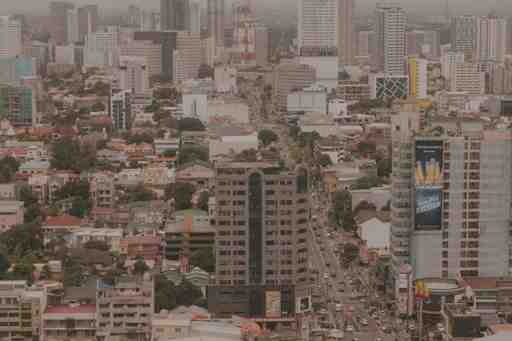
Colon Street, running through downtown, is the oldest national road in the Philippines, now a dense commercial corridor where the colonial-era grid meets contemporary urban retail.
Fort San Pedro, the Spanish triangular bastion on the harbor, survives largely intact as the smallest of the Spanish forts in the country. The Sinulog Festival, held on the third Sunday of January, is the largest street festival in the Philippines: a dance-prayer ritual of pre-Hispanic origin involving two steps forward and one step back in honor of the Santo Nino, performed by thousands through the city streets over days of increasing intensity. It draws over a million people and is the most spectacular celebration in the archipelago.
Cebu City
Cebu City FAQ
Before you walk.
Every Cebu City tour, in your language.
All 50+ languages, included with every booking.
🇬🇧 English🇫🇷 Français🇪🇸 Español🇩🇪 Deutsch🇮🇹 Italiano🇯🇵 日本語🇨🇳 中文🇰🇷 한국어+ 41 more
star AudaTours Unlimited
Visiting more than one city? Subscribe.
Unlock every Cebu City tour — plus thousands more worldwide. Cancel any time.
$4.99/week · Cancel anytime

More in Philippines
Explore Philippines arrow_forwardOther cities to walk in Philippines.



Loved by travellersThousands of tours started.
Thousands of tours started.
Plenty of opinions.
4.8 across the App Store and Google Play. Here's a few we keep coming back to.
starstarstarstarstar
This tour was such a great way to see the city. The stories were interesting without feeling too scripted, and I loved being able to explore at my own pace.

Jess
Tbilisi Tourstarstarstarstarstar
This was a solid way to get to know Brighton without feeling like a tourist. The narration had depth and context, but didn't overdo it.

Christoph
Brighton Tourstarstarstarstarstar
Started this tour with a croissant in one hand and zero expectations. The app just vibes with you, no pressure, just you, your headphones, and some cool stories.

John
Marseille Tourdownload Get the app Pop your headphones in.


Pop your headphones in.
Step outside.
Free to download. Tours in every city. Start in 60 seconds — no account, no card.

headphones
~ 4 min until your first tour starts
public
1,000+ cities worldwide
all_inclusive
AudaTours
Unlimited
Every tour. Every city. One subscription.
3096 tours2272 cities138 countries50+ languages
$39 /year
all_inclusive Explore Unlimited