
50+ languages

 Ahmedabad · India
 Ahmedabad Audio Tours
Discover Ahmedabad with self-guided audio walking tours
headphones
2 tours
pin_drop
20 landmarks
translate
Top landmarks
The Ahmedabad everyone knows.
The landmarks in every guidebook — and the tours that tell you what guidebooks don't.
A few words on Ahmedabad
India's first UNESCO city, built on cotton and conviction.
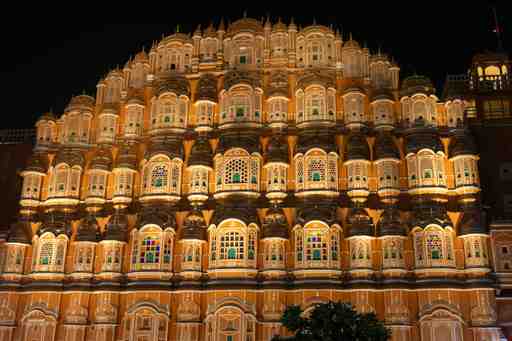
Ahmedabad was founded in 1411 by the sultan Ahmad Shah I beside the Sabarmati River, and in 2017 it became India's first city to receive UNESCO World Heritage status for its urban fabric. The reason is the pols -- a labyrinth of traditional housing clusters where dozens of families, bound by caste or profession, lived in interconnected courtyards with ornate wooden facades. They still exist in the old city east of the river, and walking through them is like stumbling into a living architectural museum that no one locked the door to.
The same river bank where Mahatma Gandhi built his Sabarmati Ashram in 1917 and launched the Salt March of 1930 is now a manicured promenade that locals jog along at dawn.
The Sidi Saiyyed Mosque, built in 1573, contains a stone lattice window of such intricate carving that Louis Kahn and Le Corbusier -- both of whom designed major buildings in Ahmedabad in the 1950s and 60s -- are said to have studied it. At Manek Chowk, the jewellery market by day becomes a street food bazaar by night, where vendors serve fafda, jalebis and Gujarati thali under bare bulbs until past midnight.
Ahmedabad
Ahmedabad FAQ
Before you walk.
Every Ahmedabad tour, in your language.
All 50+ languages, included with every booking.
🇬🇧 English🇫🇷 Français🇪🇸 Español🇩🇪 Deutsch🇮🇹 Italiano🇯🇵 日本語🇨🇳 中文🇰🇷 한국어+ 41 more
star AudaTours Unlimited
Visiting more than one city? Subscribe.
Unlock every Ahmedabad tour — plus thousands more worldwide. Cancel any time.
$4.99/week · Cancel anytime



Loved by travellersThousands of tours started.
Thousands of tours started.
Plenty of opinions.
4.8 across the App Store and Google Play. Here's a few we keep coming back to.
starstarstarstarstar
This tour was such a great way to see the city. The stories were interesting without feeling too scripted, and I loved being able to explore at my own pace.

Jess
Tbilisi Tourstarstarstarstarstar
This was a solid way to get to know Brighton without feeling like a tourist. The narration had depth and context, but didn't overdo it.

Christoph
Brighton Tourstarstarstarstarstar
Started this tour with a croissant in one hand and zero expectations. The app just vibes with you, no pressure, just you, your headphones, and some cool stories.

John
Marseille Tourdownload Get the app Pop your headphones in.


Pop your headphones in.
Step outside.
Free to download. Tours in every city. Start in 60 seconds — no account, no card.

headphones
~ 4 min until your first tour starts
public
1,000+ cities worldwide
all_inclusive
AudaTours
Unlimited
Every tour. Every city. One subscription.
3096 tours2272 cities138 countries50+ languages
$39 /year
all_inclusive Explore Unlimited