AudaTours logoAudaTours

Stop 6 of 10

Fortezza of Rethymnon

Fortezza of Rethymnon
Fortezza of Rethymno
Fortezza of RethymnoPhoto: Jerzy Strzelecki, Wikimedia Commons, CC BY 3.0. Cropped & resized.

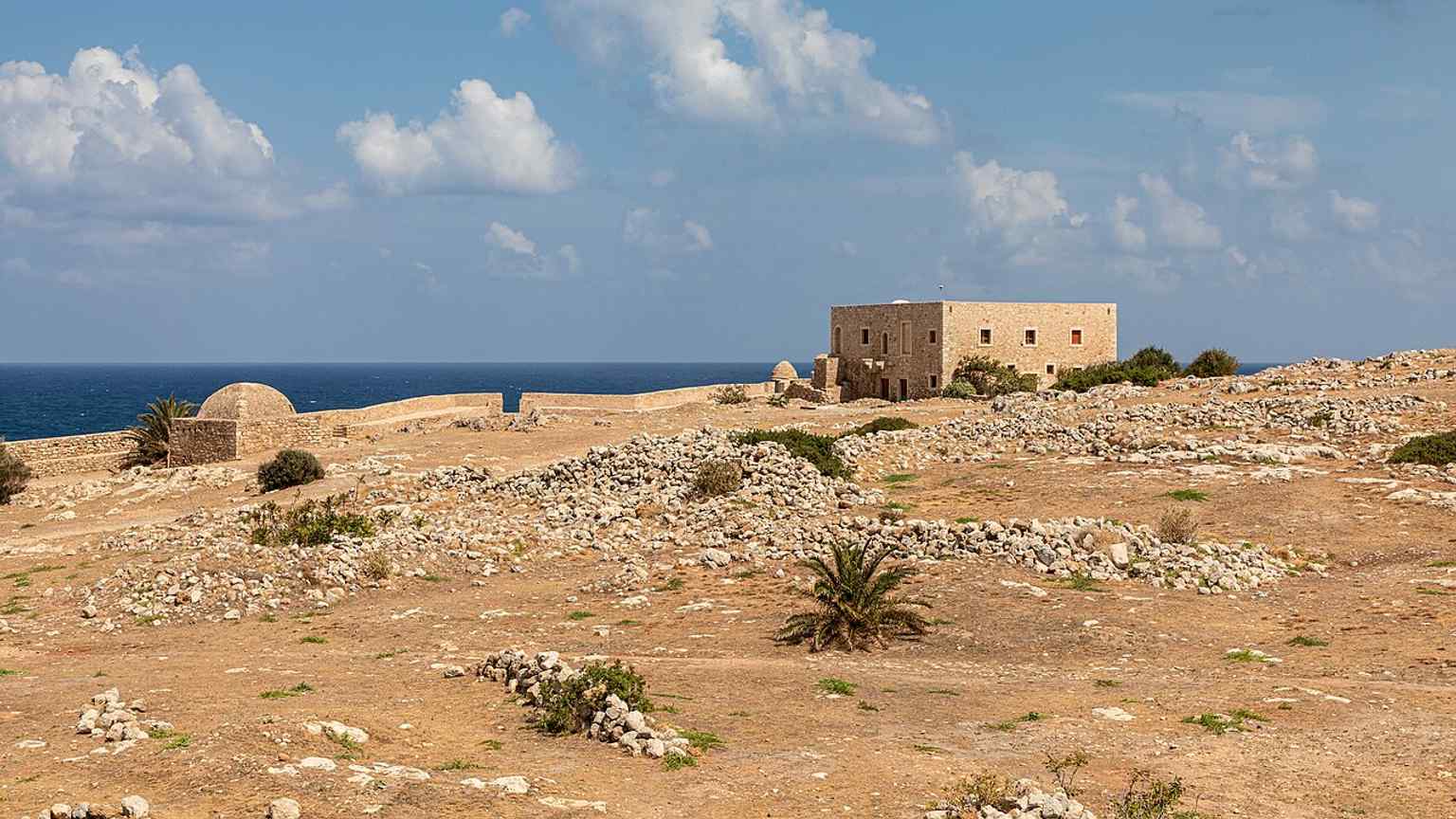
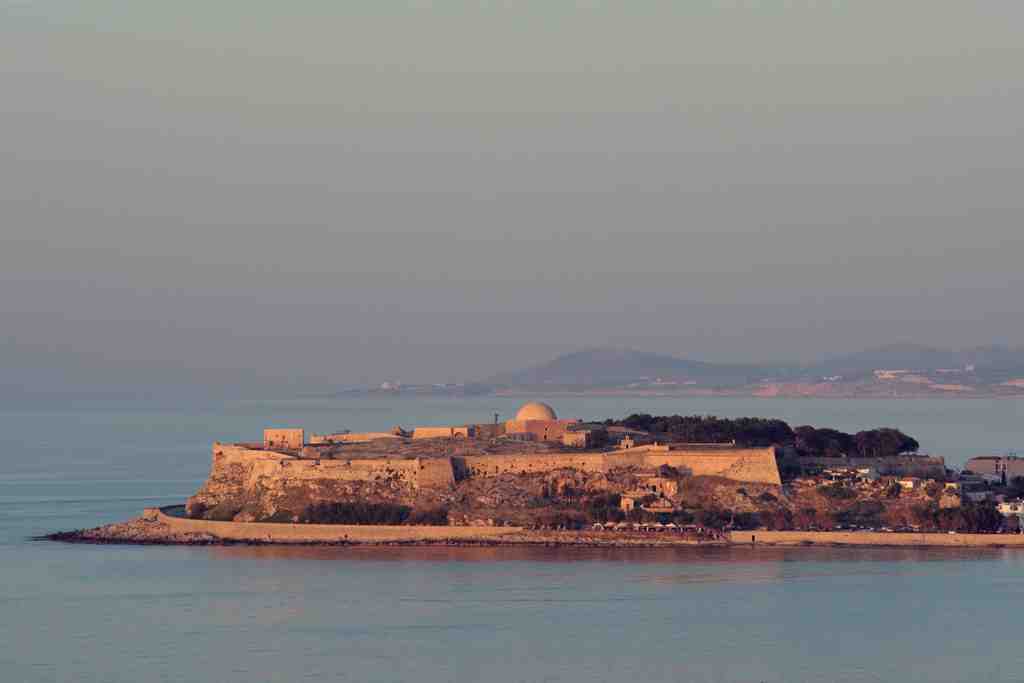
On your left is a massive stone fortress wrapping around a rocky promontory, punctuated by a smooth spherical dome rising above its irregular defensive walls. This is the Fortezza, which simply means fortress in Italian. It was built by the Venetians in the late sixteenth century, and it stands on a hill called Paleokastro, or old castle.

The Venetians originally tried to protect the city with a different set of walls starting in fifteen forty, but they learned a harsh lesson. Those earlier walls were weak, and when the Ottoman admiral Uluç Ali Reis attacked in fifteen seventy-one, the city was easily captured and sacked. After that disaster, and with the recent loss of Cyprus, Venice decided Rethymno needed serious protection. It was their third most important city in Crete, after Heraklion and Chania.

So, they brought in a military engineer named Sforza Pallavicini. He designed this new citadel using the Italian bastion system. A bastion is essentially an angled, projecting piece of a wall that lets defenders fire in multiple directions at once, eliminating blind spots. Building it was a monumental undertaking. If you look at your screen, you can see a long stretch of these formidable walls. To construct this perimeter of thirteen hundred and seven meters between fifteen seventy-three and fifteen eighty, it took the grueling labor of exactly one hundred and seven thousand, one hundred and forty-two Cretans, alongside forty thousand, two hundred and five animals. They kept very detailed records.
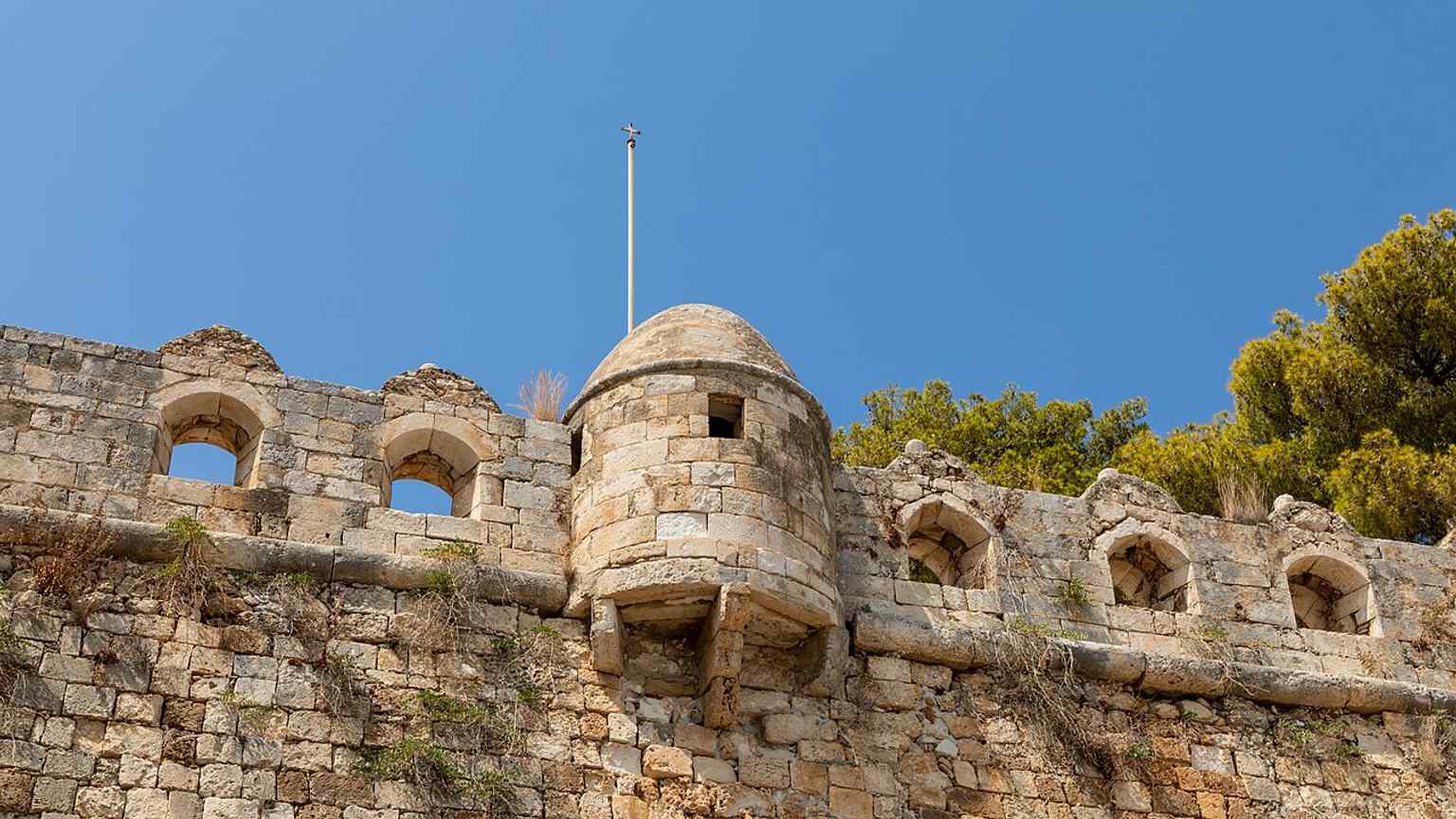
A long stretch of the Fortezza's formidable fortification wall, constructed with incredible effort by 107,142 Cretans and 40,205 animals between 1573 and 1580.
A long stretch of the Fortezza's formidable fortification wall, constructed with incredible effort by 107,142 Cretans and 40,205 animals between 1573 and 1580.Photo: Dietmar Rabich, Wikimedia Commons, CC BY-SA 4.0. Cropped & resized.

The original plan was to move the entire town inside these walls for safety. But once built, they realized the Fortezza was too small to hold everyone. So, it just became a secure neighborhood for the Venetian administration, while the regular citizens remained vulnerable down below. Ironically, the fortress itself was never truly secure. It lacked a defensive ditch, and its protective upper walls were strangely low.

When the Ottomans returned in sixteen forty-six during the Fifth Ottoman-Venetian War, the townspeople fled inside the Fortezza. But disease, starvation, and a lack of ammunition quickly took their toll, and the Venetians surrendered in just a few weeks. The Ottomans moved in and tweaked the architecture. They built a ravelin, which is a triangular outer wall to protect the main gate, and they converted the Venetian Cathedral of Saint Nicholas into a mosque. You can check your app to see the Sultan Ibrahim Mosque and its striking dome today.
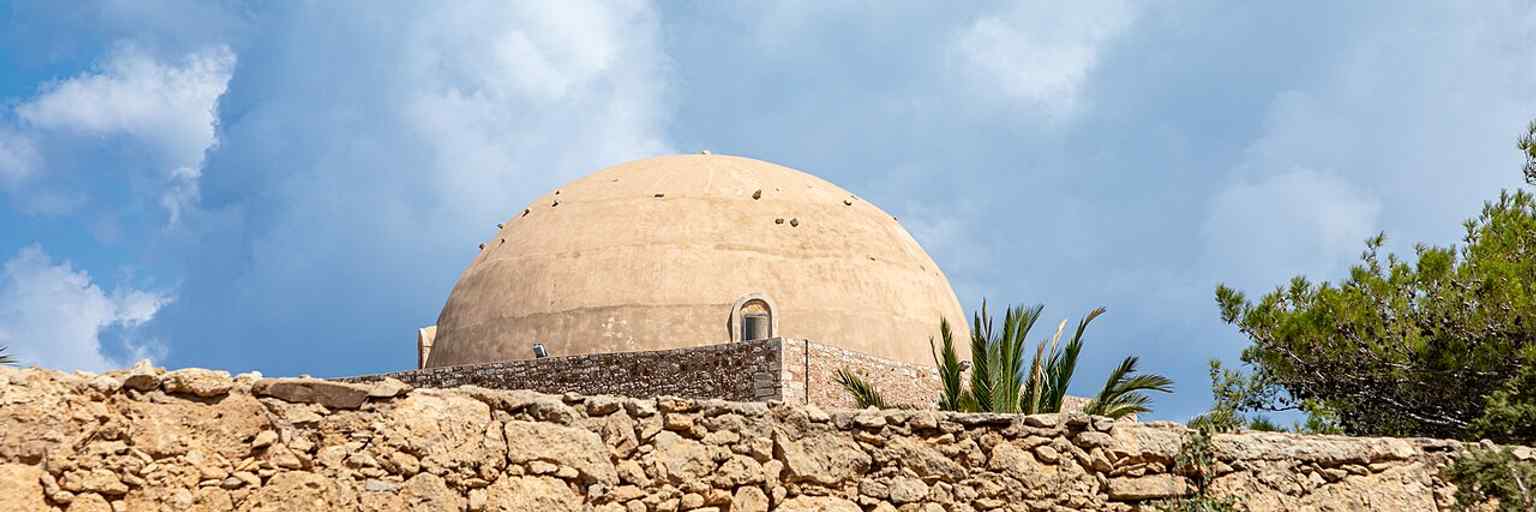
The impressive Sultan Ibrahim Han Mosque, originally the Venetian Cathedral of Saint Nicholas before its conversion during the Ottoman occupation in 1646.
The impressive Sultan Ibrahim Han Mosque, originally the Venetian Cathedral of Saint Nicholas before its conversion during the Ottoman occupation in 1646.Photo: Dietmar Rabich, Wikimedia Commons, CC BY-SA 4.0. Cropped & resized.

Over the centuries, the Fortezza evolved. By the early twentieth century, it was packed with residential houses, and at one point, it even held the local prison. After World War Two, the city expanded, the residents moved out, and the modern houses were demolished to preserve the historic structures.

Today, the site is proudly managed by the Ministry of Culture and is open to the public daily from ten in the morning until eight at night. Take a moment to appreciate this immense achievement of engineering. When you are ready, we can head to the next stop.
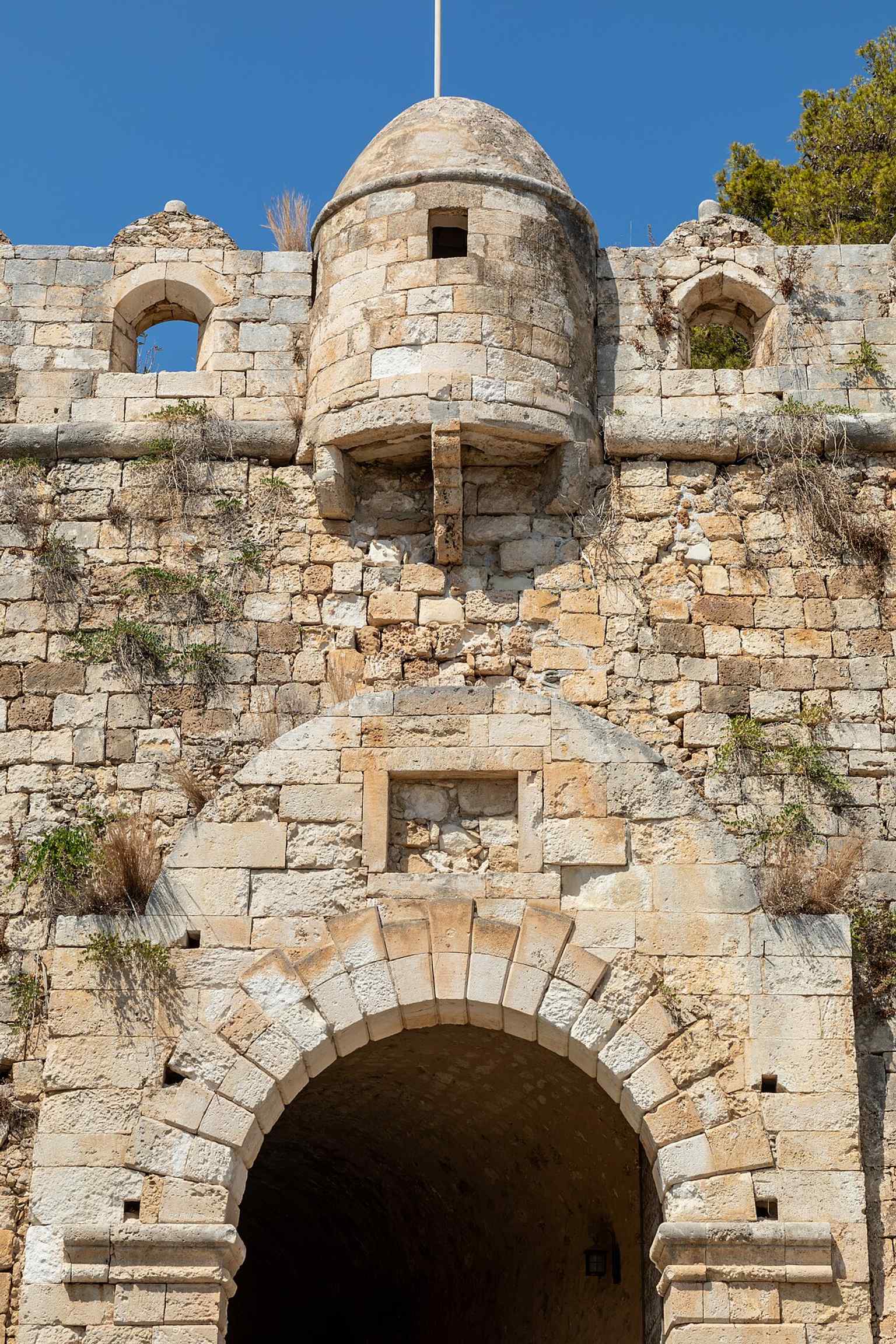
This is the main eastern gate of the Fortezza, protected by an Ottoman-era ravelin which now houses the Archaeological Museum.
This is the main eastern gate of the Fortezza, protected by an Ottoman-era ravelin which now houses the Archaeological Museum.Photo: Dietmar Rabich, Wikimedia Commons, CC BY-SA 4.0. Cropped & resized.
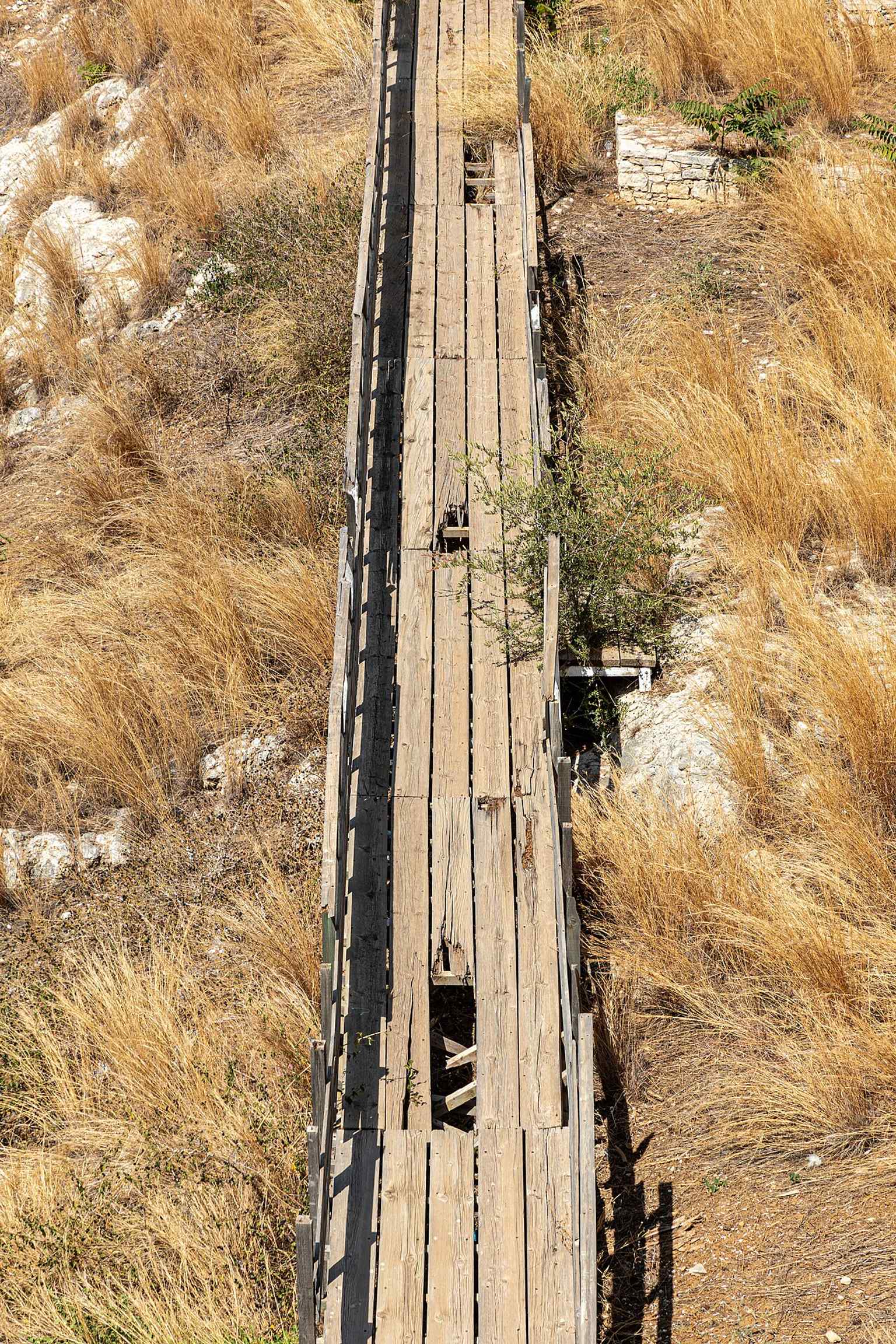
A walkway along the impressive fortification walls of the Fortezza, which span a total length of 1,307 meters around the acropolis.
A walkway along the impressive fortification walls of the Fortezza, which span a total length of 1,307 meters around the acropolis.Photo: Dietmar Rabich, Wikimedia Commons, CC BY-SA 4.0. Cropped & resized.
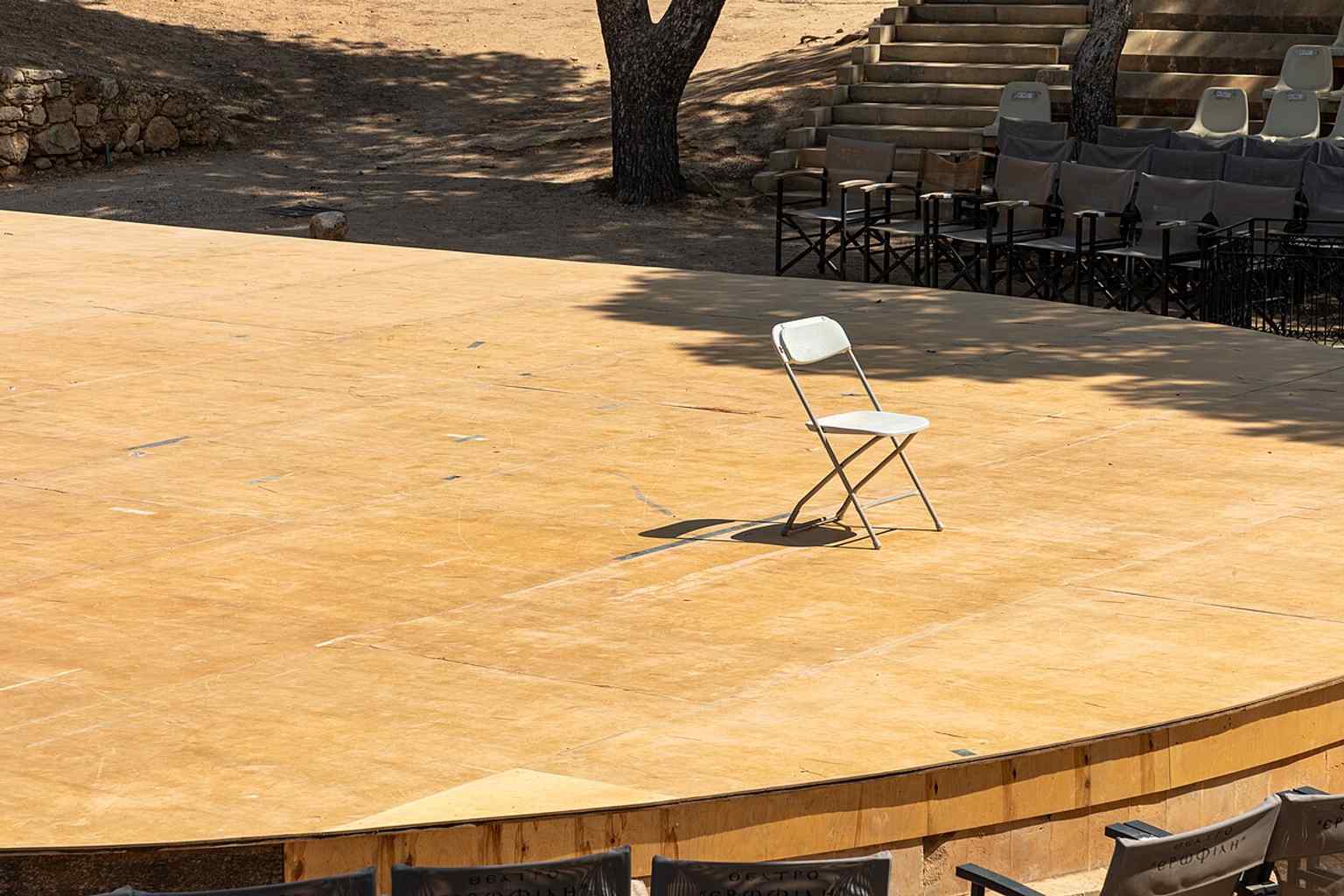
The stage of the Erofili Open-Air Theatre, opened in 1993 and situated within the St. Elias semi-bastion at the southern end of the Fortezza.
The stage of the Erofili Open-Air Theatre, opened in 1993 and situated within the St. Elias semi-bastion at the southern end of the Fortezza.Photo: Dietmar Rabich, Wikimedia Commons, CC BY-SA 4.0. Cropped & resized.
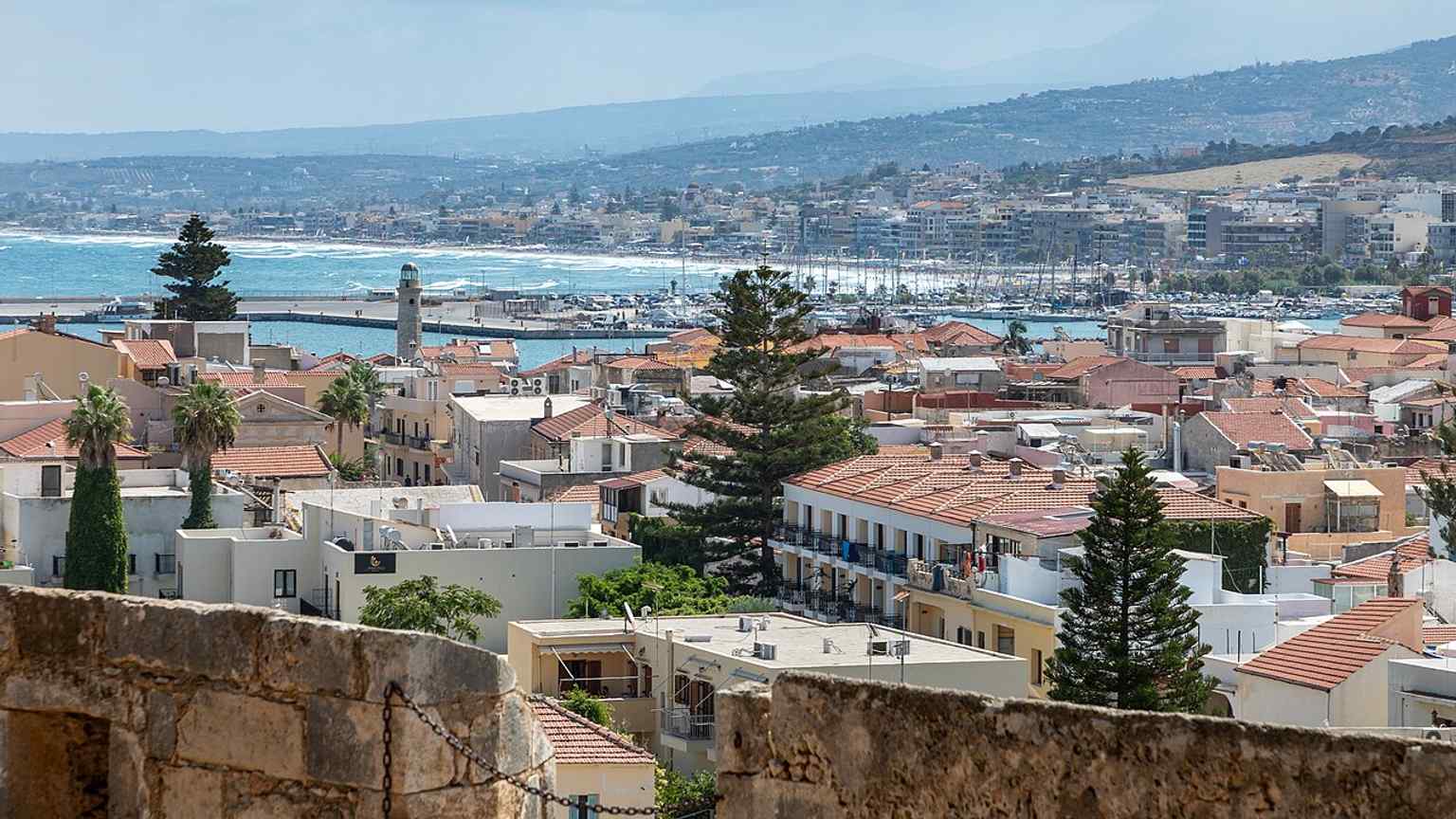
A panoramic view of Rethymno city from the Fortezza, built by the Venetians in the 16th century to protect the settlement below.
A panoramic view of Rethymno city from the Fortezza, built by the Venetians in the 16th century to protect the settlement below.Photo: Dietmar Rabich, Wikimedia Commons, CC BY-SA 4.0. Cropped & resized.
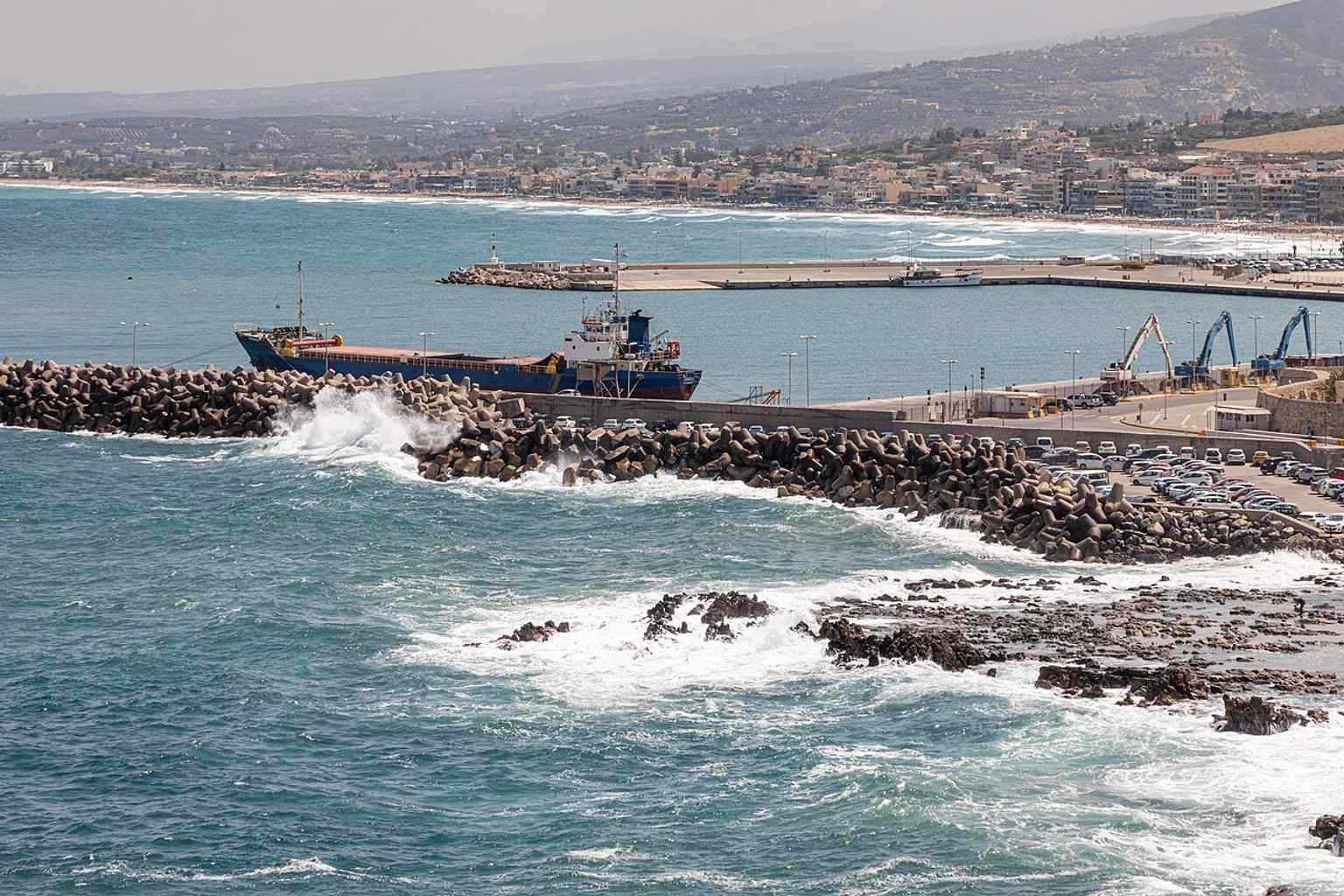
A strategic view of the small port of Rethymno from the Fortezza, highlighting its importance as the third most significant city in Crete during Venetian rule.
A strategic view of the small port of Rethymno from the Fortezza, highlighting its importance as the third most significant city in Crete during Venetian rule.Photo: Dietmar Rabich, Wikimedia Commons, CC BY-SA 4.0. Cropped & resized.
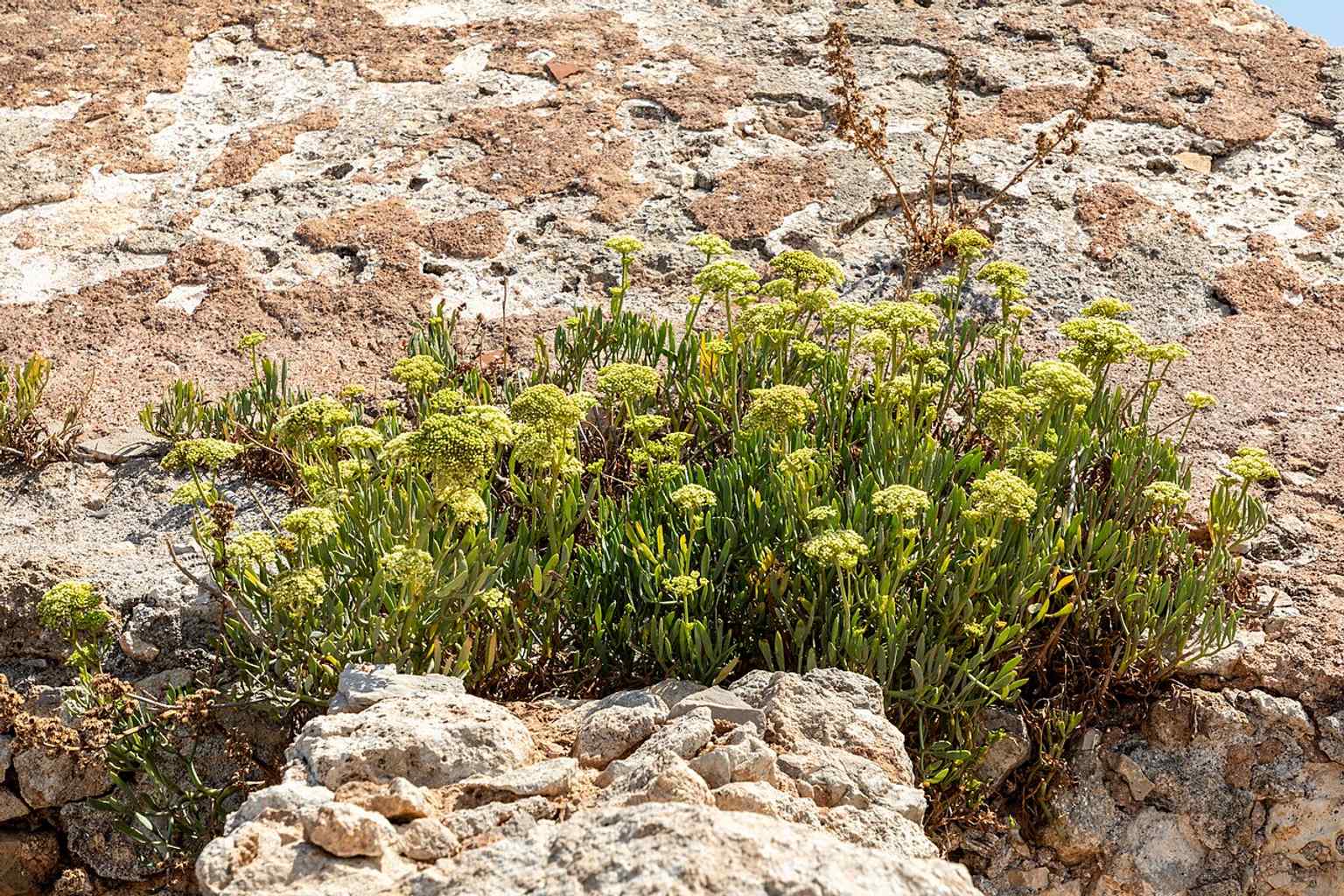
Sea fennel grows beside one of the Fortezza's powder magazines, which were essential for storing ammunition during its active use as a fortress.
Sea fennel grows beside one of the Fortezza's powder magazines, which were essential for storing ammunition during its active use as a fortress.Photo: Dietmar Rabich, Wikimedia Commons, CC BY-SA 4.0. Cropped & resized.
A detail of the stone towers along the Fortezza's fortification walls, part of the extensive defensive structure built by the Venetians to protect Rethymno.
A detail of the stone towers along the Fortezza's fortification walls, part of the extensive defensive structure built by the Venetians to protect Rethymno.Photo: Dietmar Rabich, Wikimedia Commons, CC BY-SA 4.0. Cropped & resized.
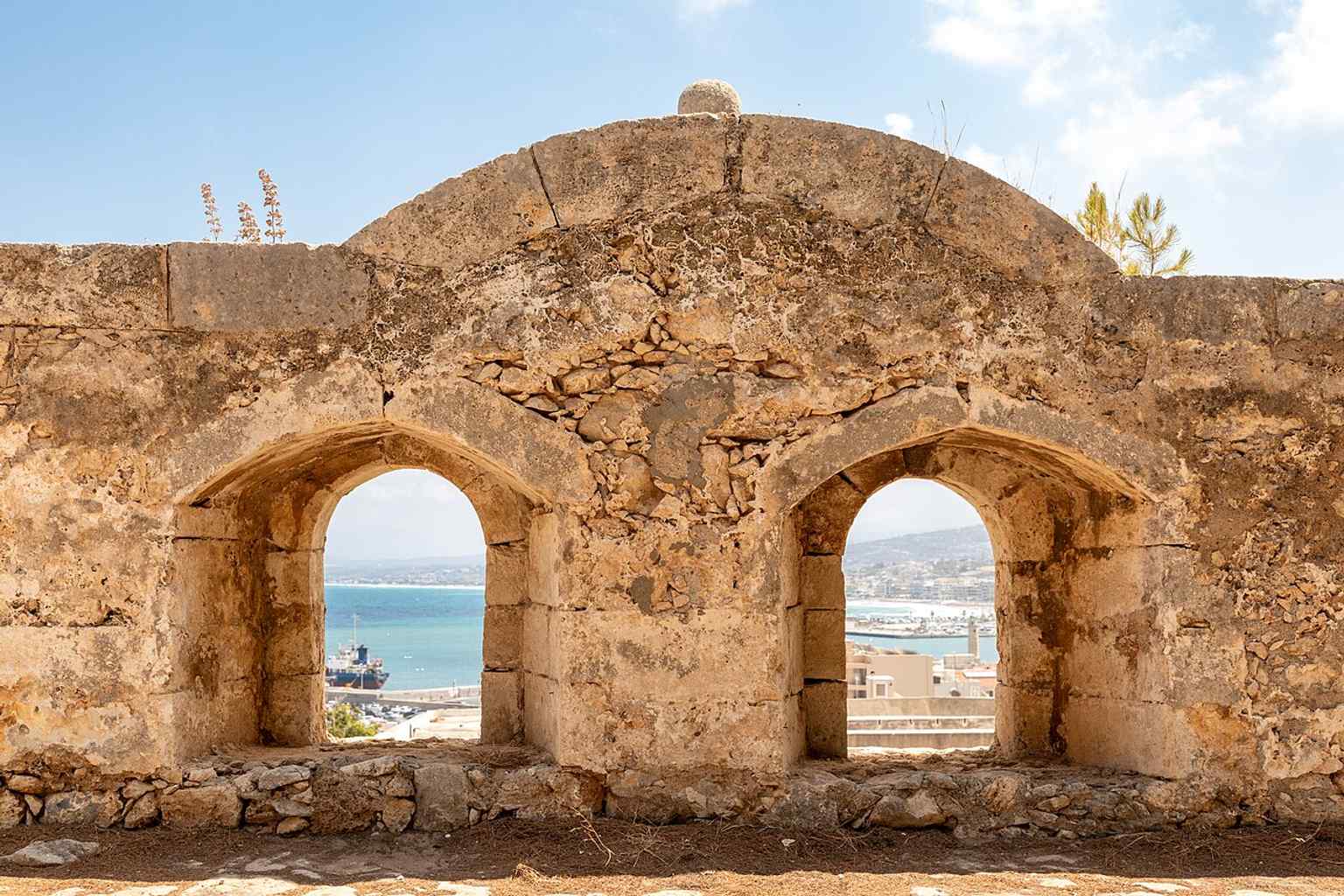
A close-up of the breastwork of the Fortezza, part of the defensive structures that were noted as being rather low and not always secure.
A close-up of the breastwork of the Fortezza, part of the defensive structures that were noted as being rather low and not always secure.Photo: Dietmar Rabich, Wikimedia Commons, CC BY-SA 4.0. Cropped & resized.
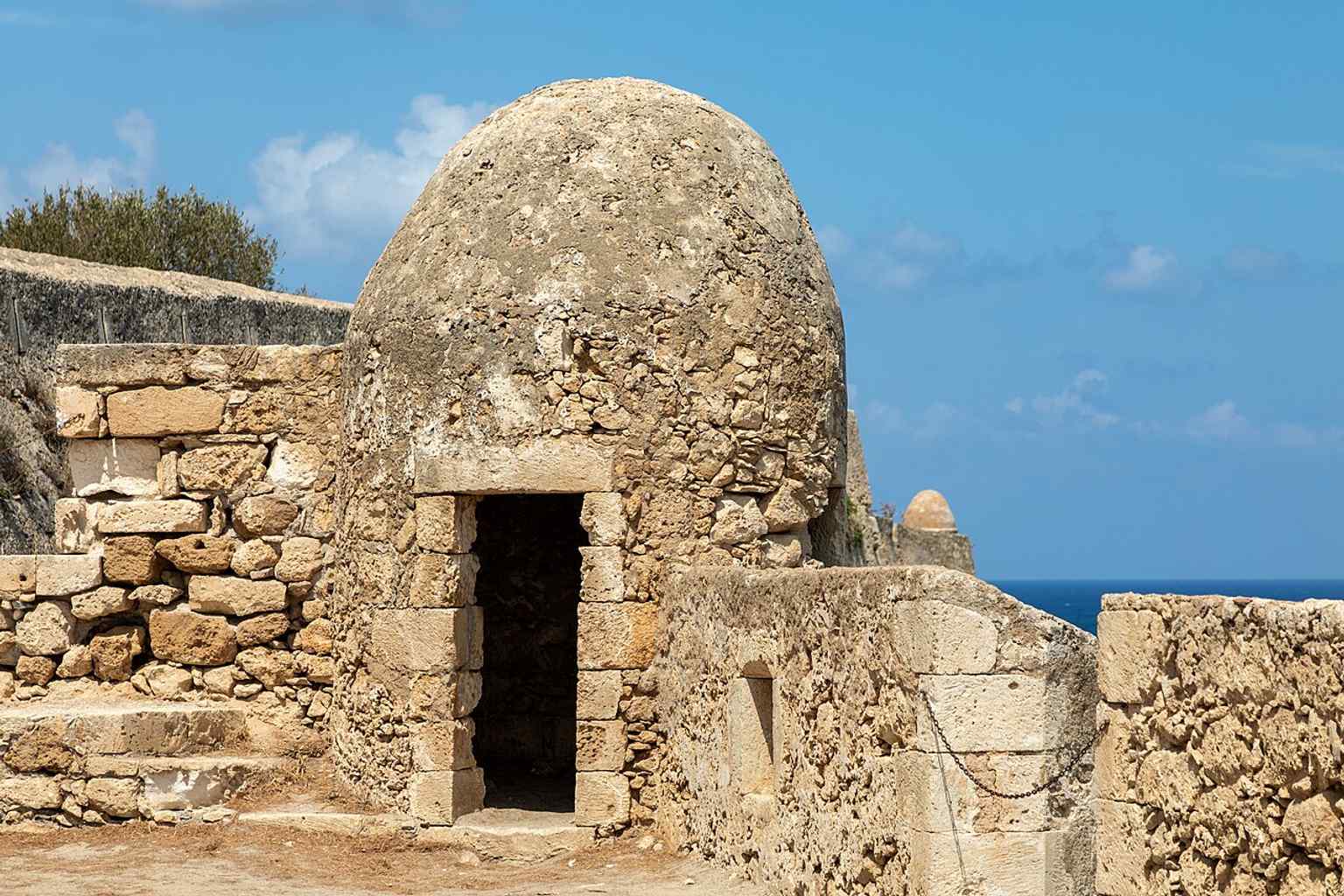
A watchtower integrated into the breastwork of the Fortezza, from where guards would have monitored for potential threats during Venetian and Ottoman rule.
A watchtower integrated into the breastwork of the Fortezza, from where guards would have monitored for potential threats during Venetian and Ottoman rule.Photo: Dietmar Rabich, Wikimedia Commons, CC BY-SA 4.0. Cropped & resized.
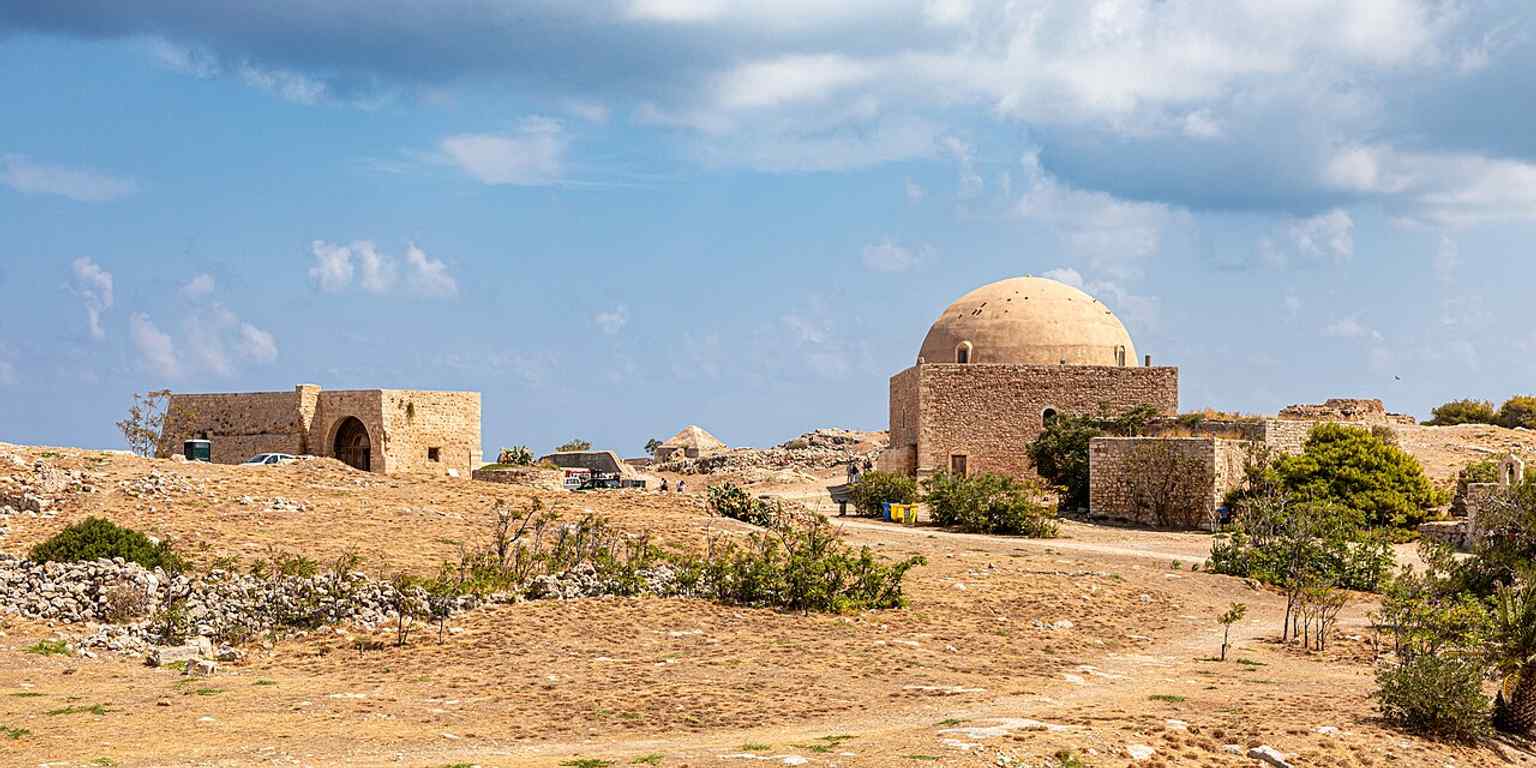
The Sultan Ibrahim Mosque stands beside what was once the Rector's residence, the home of the Venetian governor of Rethymno province, whose prisons are the only parts that survive today.
The Sultan Ibrahim Mosque stands beside what was once the Rector's residence, the home of the Venetian governor of Rethymno province, whose prisons are the only parts that survive today.Photo: Dietmar Rabich, Wikimedia Commons, CC BY-SA 4.0. Cropped & resized.
The former powder chamber and the Council Palace, which once housed a part of the Venetian administration of Rethymno within the Fortezza.
The former powder chamber and the Council Palace, which once housed a part of the Venetian administration of Rethymno within the Fortezza.Photo: Dietmar Rabich, Wikimedia Commons, CC BY-SA 4.0. Cropped & resized.
arrow_back Back to Rethymno Audio Tour: Mosques, Myths & the Fortress of Time
Loved by travellers

Thousands of tours started.
Plenty of opinions.

4.8 across the App Store and Google Play. Here's a few we keep coming back to.

starstarstarstarstar
This was a solid way to get to know Brighton without feeling like a tourist. The narration had depth and context, but didn't overdo it.
Christoph
Christoph
Brighton Tour
starstarstarstarstar
Started this tour with a croissant in one hand and zero expectations. The app just vibes with you, no pressure, just you, your headphones, and some cool stories.
download Get the app

Pop your headphones in.
Step outside.

Free to download. Tours in every city. Start in 60 seconds — no account, no card.

Download on the App StoreGet it on Google Play
starstarstarstarstar_half
4.8
AudaTours app icon
headphones
~ 4 min until your first tour starts
public
1,000+ cities worldwide
all_inclusive
AudaTours
Unlimited

Every tour. Every city. One subscription.

3096 tours2272 cities138 countries50+ languages