
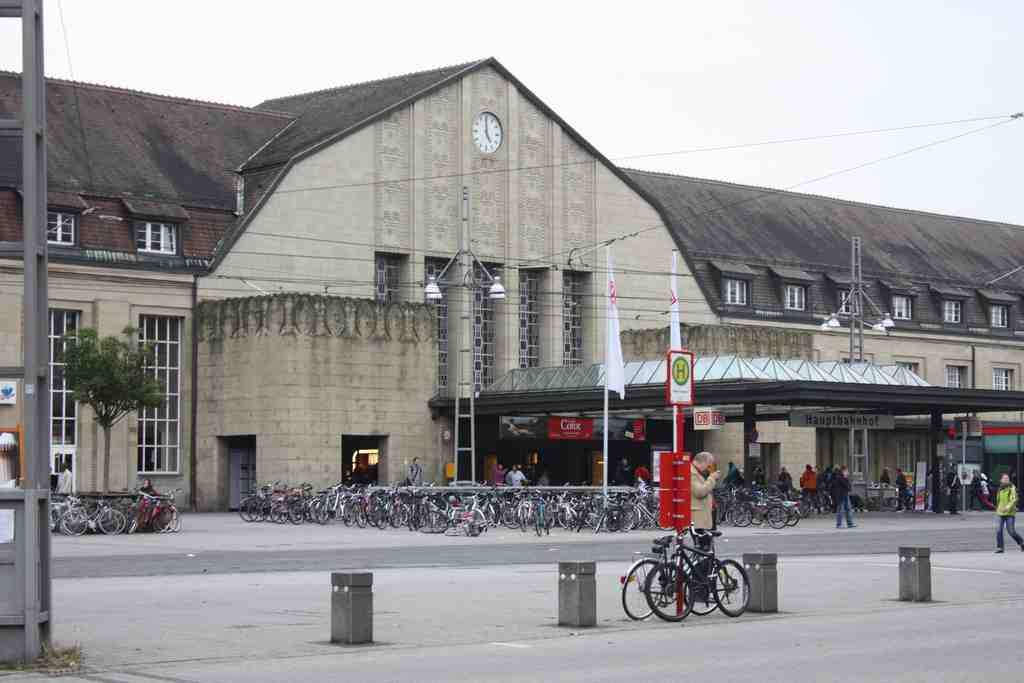
Look straight ahead at the towering sandstone facade in front of you, dominated by a large arched central gable featuring tall vertical windows and a prominent circular clock near the peak.
When the grand age of rail first arrived in Karlsruhe in the mid-nineteenth century, engineers envisioned a glorious, unstoppable iron highway connecting cities across the region. But sweeping infrastructure plans often crash head-on into the stubborn, mundane realities of daily life. The grand sweep of progress, as it turned out, had to negotiate with the exact placement of local beer gardens.
The original train station was not actually built here, but about a kilometer north. In the eighteen forties, engineers plotted the path for the grand new mainline, drawing a confident line straight through a pub called the Grüner Hof. More specifically, the tracks were set to obliterate the outdoor seating area and the beloved skittle alley, a traditional European game similar to bowling, owned by a widow named Höck.
Picture the local priorities. Industrial revolution is all well and good, but you simply do not bulldoze a pub's skittle alley without a fight.
To keep the peace and keep the ambitious project moving, railway authorities were forced into a very pragmatic compromise. They paid the widow a hefty sum of eighteen hundred Gulden, a substantial payout in today's money, and handed over an adjacent slice of a royal meadow so she could rebuild her game lanes. The literal price of modern transportation was financing a new bowling alley.
Eventually, the city grew too large for that first location. The tracks at street level were slicing the expanding town into chaotic, congested pieces, making daily traffic impossible. So, in nineteen thirteen, the entire railway hub was relocated here.
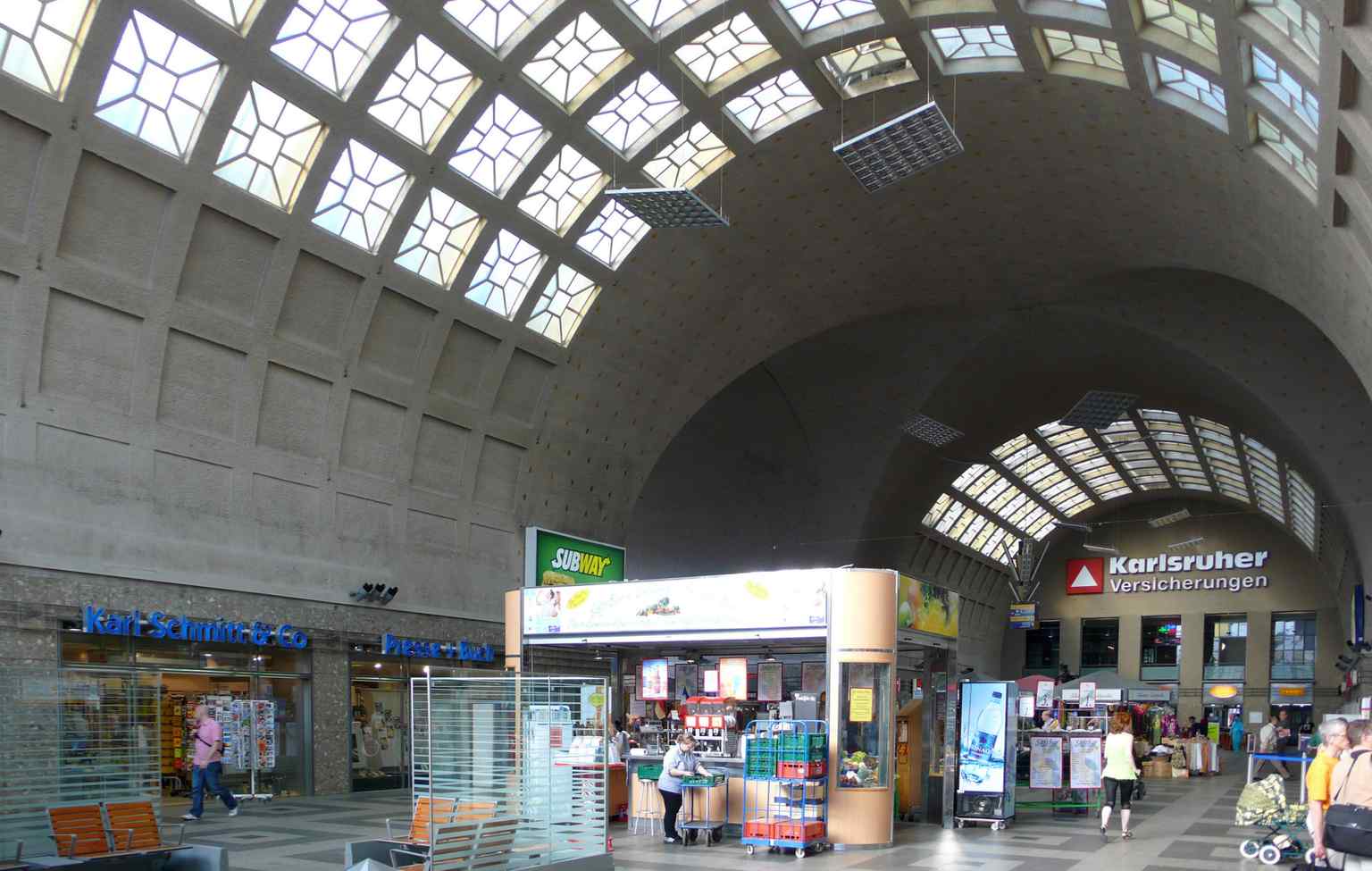
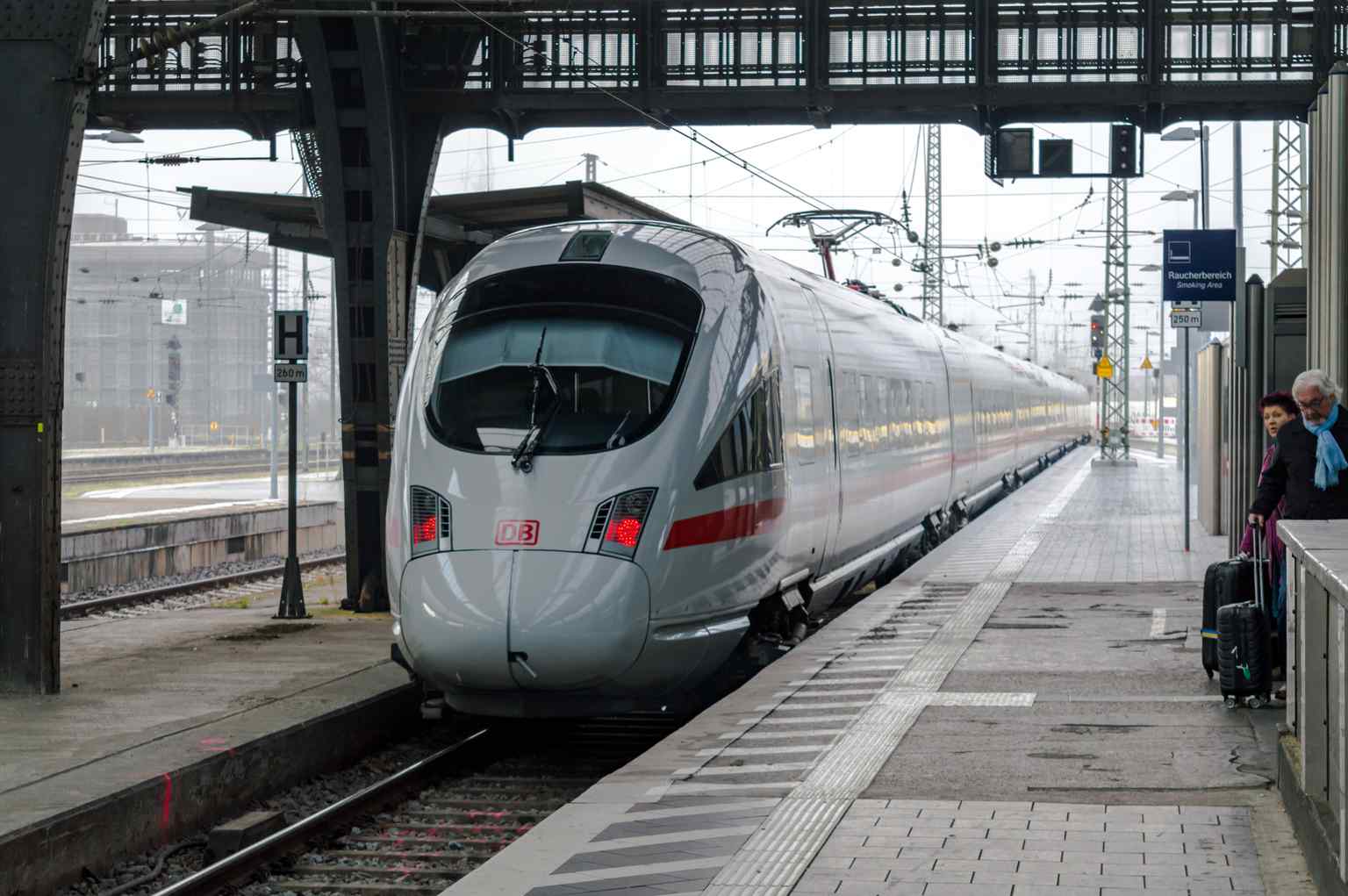
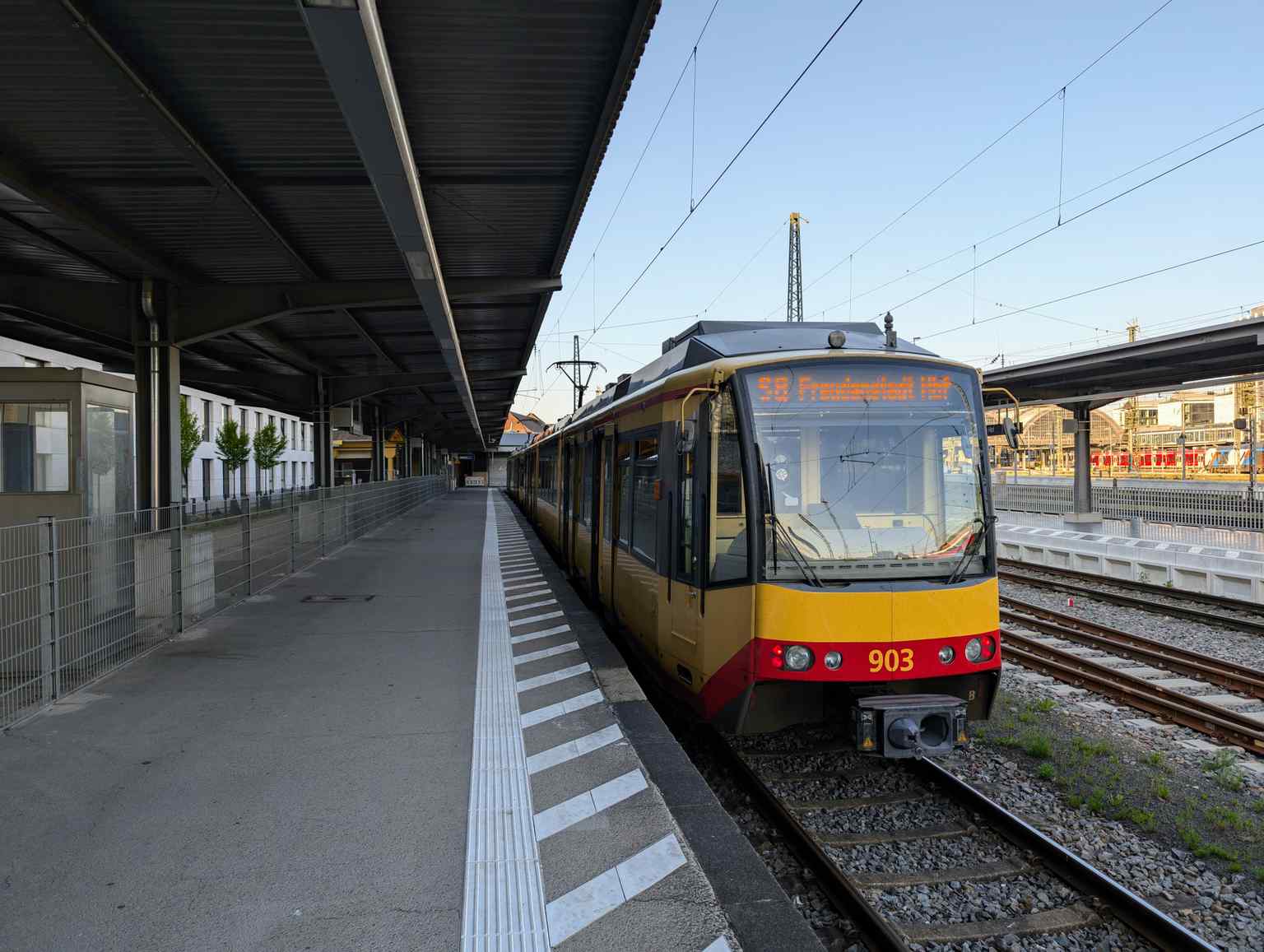
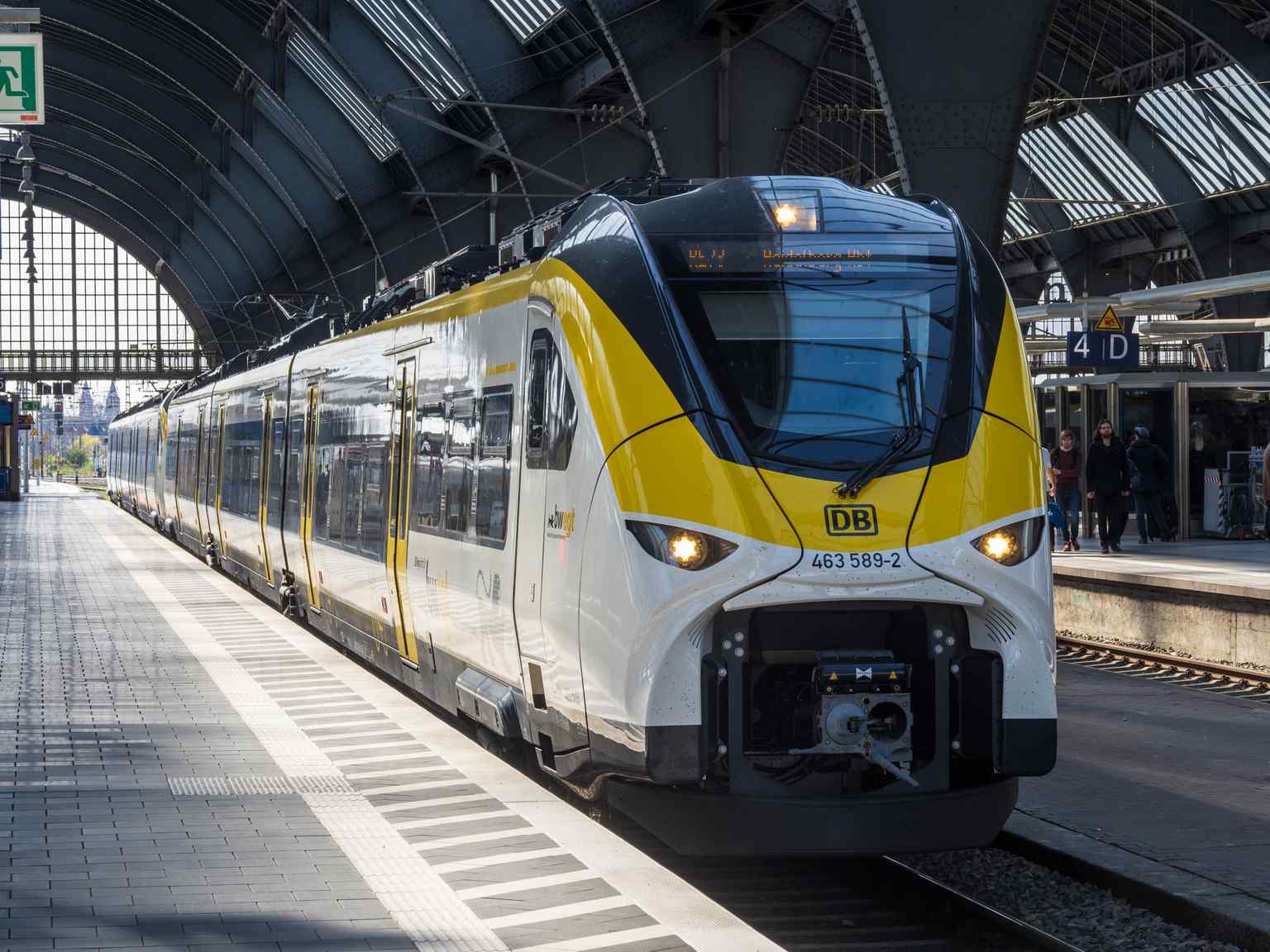
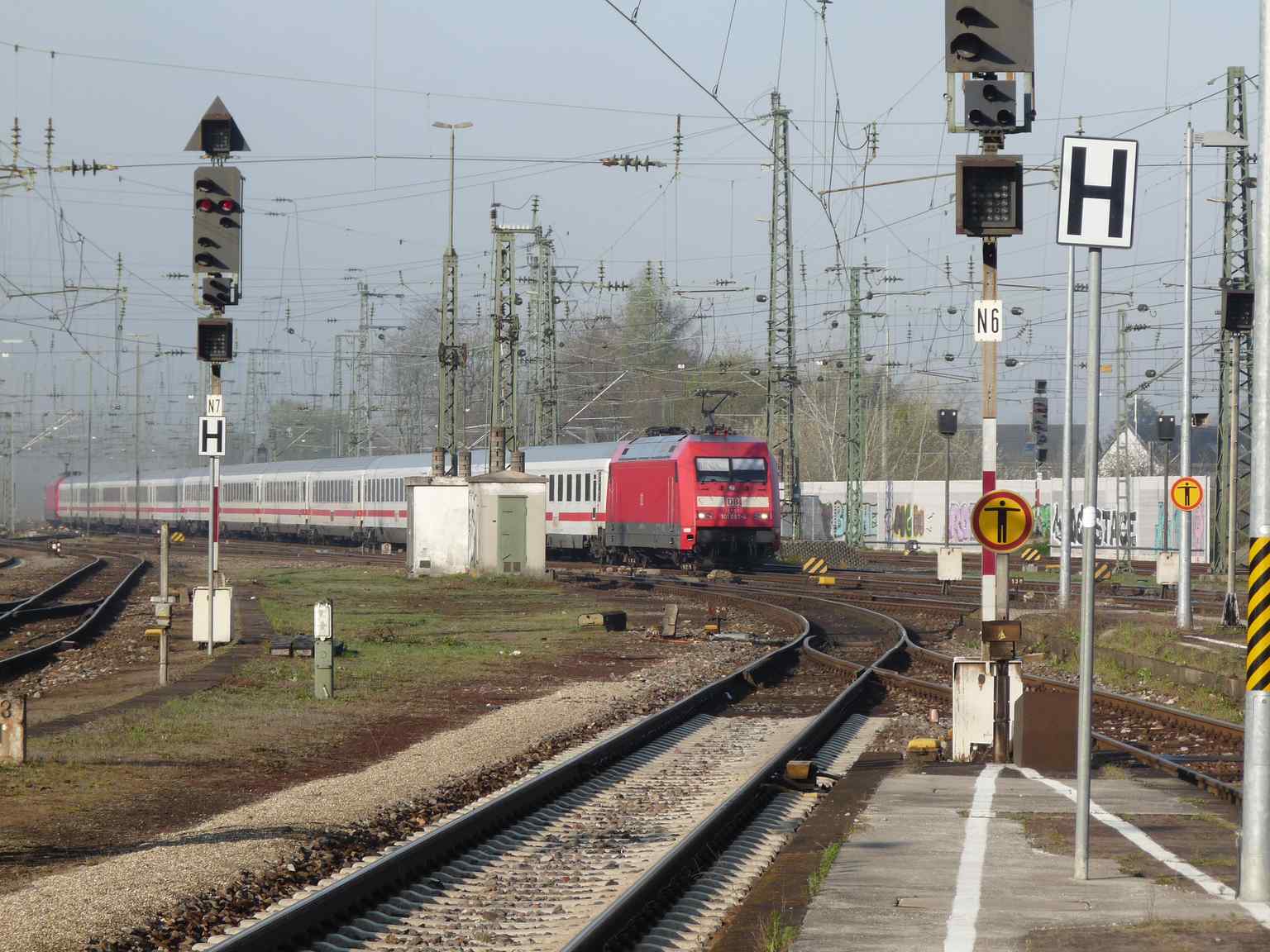
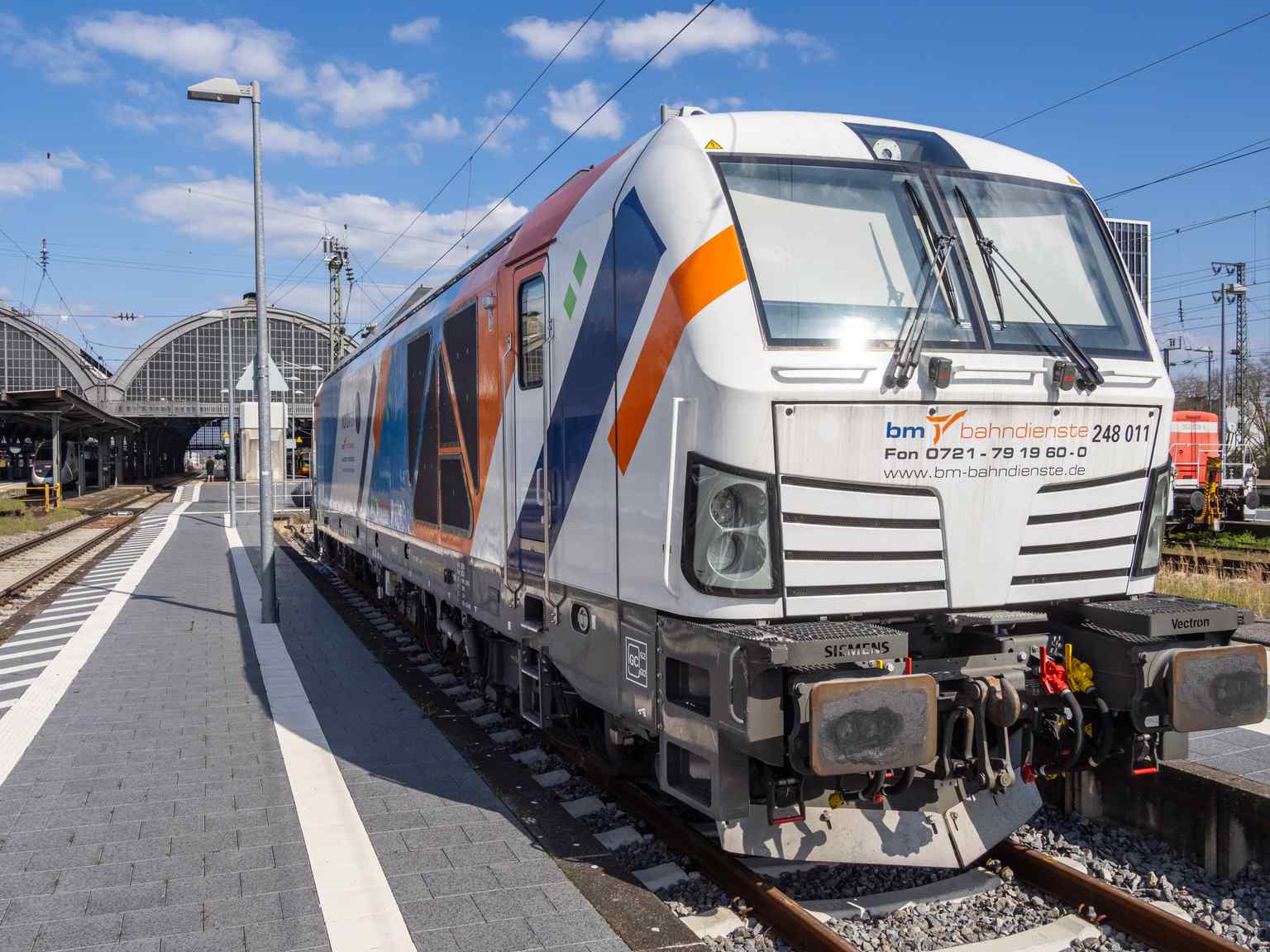
Take a glance at your screen to see the sheer scale of the station and rail network today.
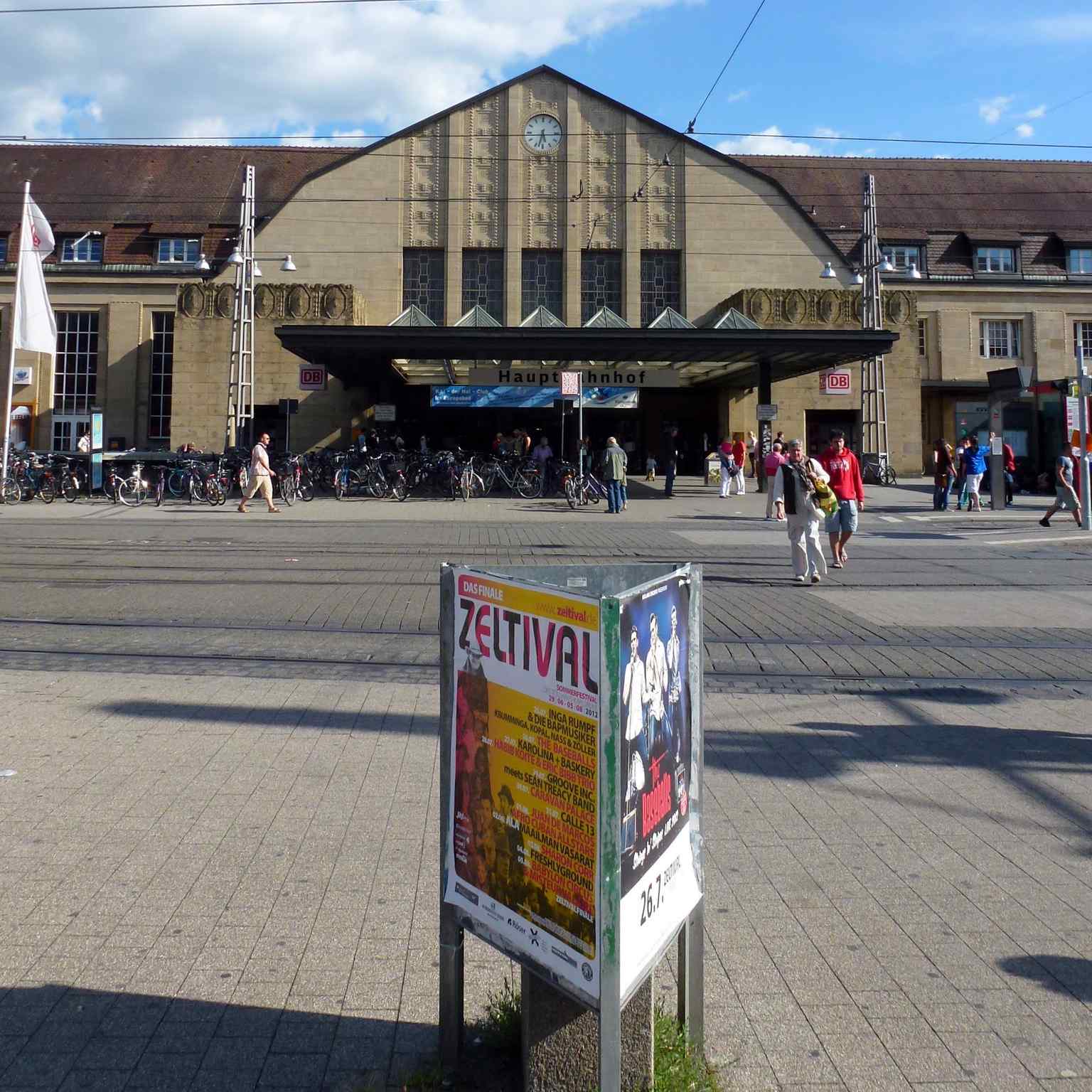
The building you are looking at now was designed by an architect named August Stürzenacker. He delivered a design blending Historism, an architectural approach that revives classical elements, with geometric Art Nouveau, a modern style favoring precise, elegant lines. It was deemed suitably modern but not too radical for conservative society.
Yet even this relocation required another stubborn compromise. To build the expansive tracks and platforms, they had to carve out a massive chunk of the neighboring gardens, leading to the chopping down of what was then the oldest Canadian poplar tree in all of Europe. Grand ambition always demands a toll.
We will now head toward the green space located just behind the station. It is an eleven-minute walk to the Karlsruhe Zoological City Garden. As we go, consider how that very park was shaped by its own unusual origins and dramatic shifts in fortune.






.jpg)

.jpg)