
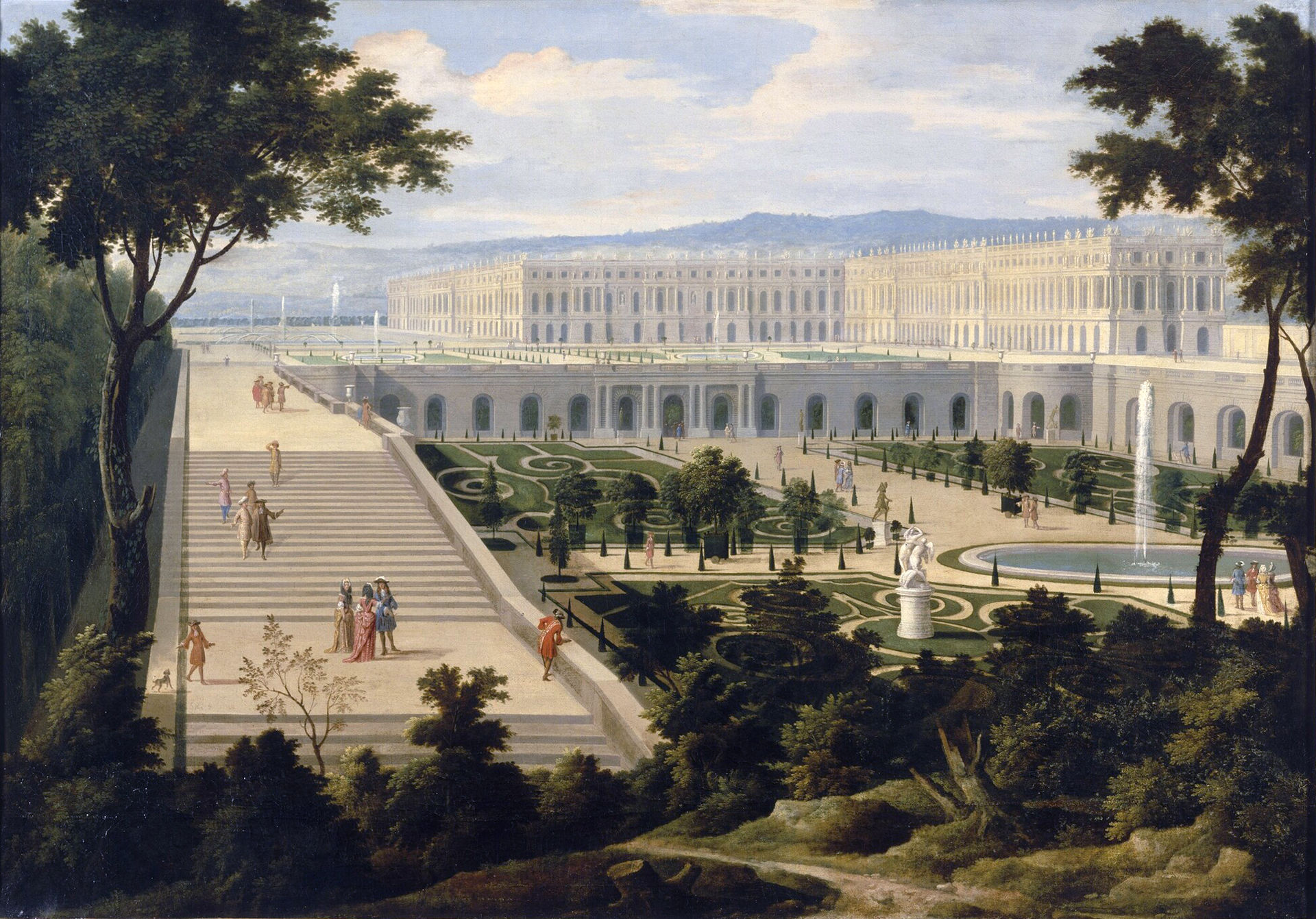
Imagine the chilly winter outside, while behind those enormous arched windows, over 1,500 potted trees-mainly orange trees, but also myrtles, laurels, and pomegranates-are basking in the warmth like VIP guests at an exclusive spa. The walls here are more than five meters thick, so thick that frost has never dared to creep in. Back in the old days, gardeners would sneak in through clever cat-sized doors in the middle of the night rather than open the massive windows. The doors were stuffed tight with straw to keep out any wintery drafts. I bet those gardeners were hoping for a little orange juice as a reward.
Now, let’s rewind to when citrus was the greatest status symbol you could show off. The orange first arrived in Europe in the 15th and 16th centuries-think of it as the iPhone of the Renaissance: rare, exotic, and everyone wanted one. The bitter orange came first, followed by the sweet variety after Vasco da Gama’s ocean adventures. An enthusiasm for these juicy novelties swept France. Ornamental orangeries became all the rage with kings and queens-Charles VIII built the first at Amboise to show off his new artichokes and bitter oranges, and Henri IV followed suit with one at the Louvre.
By summertime, from June to October, Versailles flexed its botanical muscles. Nearly 900 orange trees would be rolled out into the lower parterre for everyone to admire in neat military precision. Their blossoms inspired everything from tapestries to wedding bouquets; orange blossom is still considered a wedding favorite today. All this glory, and yet, in 1871, the Orangery briefly became something rather unexpected: a prison for the Communards after the Paris Commune. From pampered citrus to convicts-history works in mysterious ways.
If you’re wondering about the sculptural drama in the center, that’s “The Abduction of Proserpine by Pluto” by François Girardon-a bit of mythological chaos among all this botanical order. So whether you came for the history, the horticulture, or the mischievous oranges, this Orangery has many a layered tale up its leafy sleeves.




