
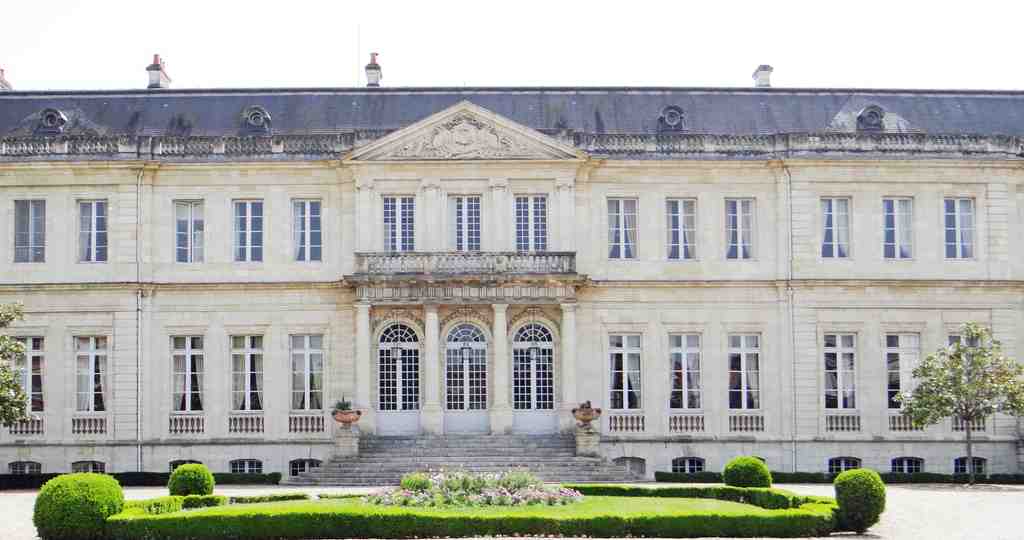
In front of you stands an impressive grand building with creamy white stone, tall windows, and a stately set of steps leading to three arched doorways right in its center-just look for the symmetrical façade and the beautiful formal garden.
Now, let’s travel back in time! Imagine the year is 1773: the original bishop’s palace suddenly collapses-talk about a bad day at the office for Bishop Jean-Louis d’Usson de Bonnac! But our bishop, who loved art as much as a cat loves a sunny window, didn’t just sit around sulking; instead, he ordered a shiny new palace right near the Grand Seminary. With skilled architect Leroy drawing up the plans, the first stone was laid in 1775. But-because even in history nothing goes according to plan-our bishop waited nearly eight years before he could move in. Come the Revolution, this palace got a wild new life: from bishop’s digs, to schoolhouse, to home of a Legion of Honour cohort, before landing as the prefecture of Lot-et-Garonne in 1809. When government officials moved in, they even tore off the balustrade on the roof for their own style statement. But trouble wasn’t done: in 1904, a dramatic fire gutted the place, leaving only blackened walls. In 1910, the roof was rebuilt like a “Mansart hat,” giving it a new silhouette. Finally, in 1947, the palace was crowned a historic monument. Who knew a building could have so many lives?




