

Wycieczka audio po Davis: Sztuka, ikony i przygody w arboretum
Gdzie indziej można spacerować pod 100-letnimi dębami, poczuć zapach kwiatów pomarańczy i znaleźć sekrety ukryte za lśniącymi szklanymi ścianami – wszystko w jedno popołudnie? Davis to coś więcej niż miasteczko uniwersyteckie. To gobelin sztuki, natury i radykalnych idei ukrywających się na widoku. Ta wycieczka audio z przewodnikiem odkrywa historie kryjące się pod cichymi ścieżkami i tętniącymi życiem placami Davis. Poznaj ludzi i pasje, które ukształtowały serce UC Davis i jego tajemnicze otoczenie. Dlaczego wybuch podziemnego aktywizmu pozostawił trwałe ślady w krajobrazie Arboretum? Jaka ukryta kontrowersja prawie uciszyła światowej sławy wykonawcę w Mondavi Center? Jaki jest prawdziwy powód tajemniczego wzoru na ścianie galerii Manetti Shrem? Wyrusz w drogę i przejdź od zielonych szlaków do galerii tętniących artystycznym buntem. Poznaj Davis jako miejsce niespodzianek, wynalazków i szeptanych dramatów na każdym kroku. Rozpocznij swoją podróż. Pozwól Davis pokazać swoją dziką stronę.
Podgląd trasy
O tej trasie
- scheduleCzas trwania 40–60 minsIdź we własnym tempie
- straighten4.3 km trasy pieszejPodążaj wyznaczoną trasą
- location_onLokalizacjaDavis, Stany Zjednoczone
- wifi_offDziała offlinePobierz raz, korzystaj gdziekolwiek
- all_inclusiveDożywotni dostępOdtwarzaj ponownie w dowolnym momencie
- location_onStart przy Dom Dresbach–Hunt–Boyer
Przystanki na tej trasie
To spot the Dresbach-Hunt-Boyer House, look for a cream-colored, two-story home with tall, narrow windows, wood siding, decorative brackets under the roof, and a fancy balustrade…Czytaj więcejPokaż mniej
To spot the Dresbach-Hunt-Boyer House, look for a cream-colored, two-story home with tall, narrow windows, wood siding, decorative brackets under the roof, and a fancy balustrade above its welcoming front porch at 604 2nd Street. Now, take in this scene and let your mind wander back to the early 1870s, when Davis was still dust and dreams, and a successful merchant named William Dresbach decided to build a house that would make all his neighbors jealous. Just picture the swish of those long dresses and the sharp snap of wool suits as men and women strolled past this proud Italianate beauty-the only one of its kind still standing in Davis. The wood siding feels almost warm in the sunlight, and those ornate brackets peeking out from under the roofline seem almost as fancy as a Victorian mustache wax! Dresbach was more than just a dapper dresser; he served as the town’s very first postmaster, though luck didn’t always follow him-he lost this home to bankruptcy by 1879. The story only gets twistier as the house exchanged hands, landing firmly with the Hunt family at the turn of the century, where it picked up stories and secrets with each new resident. Mary Boyer, Frank Hunt’s niece, held onto the house well into the groovy 1970s, making sure its legacy never faded. By the way, this stately spot has been on the National Register of Historic Places since 1976. Not bad for a home that’s witnessed over a century of hopes, hiccups, and history-without ever losing its sense of style!
Otwórz dedykowaną stronę →

Pokaż jeszcze 9 przystankówPokaż mniej przystankówexpand_moreexpand_less
To spot George Hart Hall, just look for a large, pinkish-beige U-shaped building with a bold sign over the front entrance, right at the edge of the Quad. Imagine you’re back in…Czytaj więcejPokaż mniej
To spot George Hart Hall, just look for a large, pinkish-beige U-shaped building with a bold sign over the front entrance, right at the edge of the Quad. Imagine you’re back in 1928-students and professors bustling around a brand-new building, the air filled with excitement and maybe the occasional “moo!” from the Animal Science department. This place was the original powerhouse for animal research at UC Davis, thanks to Dr. George H. Hart, who insisted that if cows and chickens were going to revolutionize farming, they needed room to work. Designed in elegant Spanish Revival style, George Hart Hall stood out then and still does now, with its pinkish-beige walls that seem to blush under the sun. Through the decades, this building has seen debates, discoveries, and even a tug-of-war over whether it deserved a spot on the National Register of Historic Places. Spoiler alert: It won, despite the chancellor’s protests! After an $8.9 million makeover, it transformed from an animal hub to a home for the arts and humanities, and even sheltered the Gorman Museum of Native American Art until 2023. So if these walls could talk, I bet they’d have stories that would make both cows and poets proud!
Otwórz dedykowaną stronę →To spot the Shields Library, look for a large, grey, and modern rectangular building with plenty of glass, right in front of you beyond the broad concrete steps and a striking…Czytaj więcejPokaż mniej
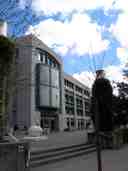
To spot the Shields Library, look for a large, grey, and modern rectangular building with plenty of glass, right in front of you beyond the broad concrete steps and a striking curved bay window at the entry. Now, imagine stepping up to a library so packed with stories, you could probably hear the whispers of 3.2 million books calling you inside-if you listen closely enough! Shields Library is the grand study kingdom of UC Davis, a place built in pieces, just like (some students joke) their term papers. Way back in 1940, the first chunk was built, and students would walk in facing the Quad. But then came World War II: suddenly, the crackle of radios filled the reading room as the Army Signal Corps trained right here-if you stood inside, you might have heard marching boots. In the swinging sixties, the building stretched and wrapped around to the south and east. Even the doors couldn't sit still: first they faced north, then east, and finally-like a satisfied cat-they settled on the west after a big expansion in 1990. Inside, there’s art tucked in corners, computers humming, and all kinds of students finding their favorite study spot. Whether you’re after rare treasures in the Special Collections or just craving a quiet place with good Wi-Fi, Shields is where past and present meet to swap stories-even if the books are a bit dusty!
Otwórz dedykowaną stronę →To spot the Manetti Shrem Museum of Art, look for a striking white building just across the street, topped with a sweeping, wave-like canopy of metal beams that casts artistic…Czytaj więcejPokaż mniej
To spot the Manetti Shrem Museum of Art, look for a striking white building just across the street, topped with a sweeping, wave-like canopy of metal beams that casts artistic shadows on the ground beneath-a true standout in the landscape. Welcome to the Manetti Shrem Museum of Art, where creativity stretches farther than the eye can see! Can you feel the buzz in the air? That grand canopy over your head-almost like a giant art installation itself-was inspired by the flow and geometry of the nearby fields surrounding Davis, designed to play with light and shadow in the most delightful ways. Step closer and imagine walking into a place where, in the 1960s and ‘70s, adventurous artists broke all the old rules and invented new ones-right here in little ol’ Davis! UC Davis’s art department, led by Richard Nelson, drew in a famous cast: Wayne Thiebaud, known for his scrumptious paintings of pies and cakes; Robert Arneson, the leader of something called “defiant provincialism”-which sounds like a punk rock band, but was really a wild, homegrown style of art; and a host of others who shaped entirely new genres of conceptual, performance, and video art. This dream museum didn’t just appear overnight. For nearly 60 years, professors and artists whispered and planned, longing for a space to show off their crazy, ground-breaking work. And then, with help from some very generous supporters-Margrit Mondavi (of Napa wine fame), Jan Shrem, and Maria Manetti Shrem-the vision came to life. They poured millions into the project, ensuring Davis would have a true temple for artistic adventure. Architects from Brooklyn and a local team thought way outside the box for the building’s design. Do you notice those sweeping glass curves and the huge versatile spaces inside? Christopher Hawthorne from the LA Times called it gorgeous and inviting-and who are we to argue? This is a place where anybody-students, families, curious wanderers-can wander from lobby to gallery, maybe even stumbling on Wayne Thiebaud’s vibrant jams or a surreal Bruce Nauman sculpture. There are nearly 6,000 works here, with gifts from Thiebaud, Shrem, and other art world legends. You’re not just looking at a museum. You’re standing at a creative crossroads where a radical bunch dared to bring world-class art to a small-town setting. And, just maybe, you’re part of its next great story. Wondering about the background, design or the collection? Feel free to discuss it further in the chat section below.
Otwórz dedykowaną stronę →To spot the Bohart Museum of Entomology, look for the building with bold white columns that form geometric shapes in front and a tall, round red cylinder on the right side - you…Czytaj więcejPokaż mniej
To spot the Bohart Museum of Entomology, look for the building with bold white columns that form geometric shapes in front and a tall, round red cylinder on the right side - you can't miss it, it almost looks like a modern sculpture that decided to turn into a museum. Now, imagine opening a secret vault, but instead of gold and jewels, you find more than seven million insects, each one with its own story to tell! This is the magic of the Bohart Museum of Entomology, founded all the way back in 1946 by Professor Richard M. Bohart - a man so fascinated by bugs that he turned collecting them into a life’s work. If you ever wondered where the bugs have their own library, this is it! Today, this museum is the seventh largest insect collection in North America. From the buzzing beetles of California to rare butterflies from Indonesia and even mysterious critters from Australasia, this place is a global bug bonanza. But it’s not just a dusty hall full of pinned insects - oh no! This museum is buzzing with scientists and students from the Entomology Department at UC Davis, who use these specimens for research, detective work, and even college classes. Just think: every year, 30,000 new insect guests arrive here - some found on wild adventures, some donated by enthusiastic bug lovers, and some sent by scientists from far and wide. Each visitor to the museum, whether an undergrad looking for answers to a homework question or a child wide-eyed with wonder, adds to the energy here. And with Director Lynn Kimsey at the helm since 1989, the excitement keeps growing. Don’t let those tiny insects fool you - this place is an epicenter of curiosity, research, and stories with more legs than you can count. If you listen closely, maybe you’ll even hear the whispering wings of history all around you!
Otwórz dedykowaną stronę →Directly in front of you, you’ll spot a shimmering creek with lush green trees arching overhead and soft grasses trailing along the banks-just follow the winding water to find the…Czytaj więcejPokaż mniej
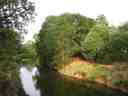
Directly in front of you, you’ll spot a shimmering creek with lush green trees arching overhead and soft grasses trailing along the banks-just follow the winding water to find the lush heart of the Arboretum! Welcome to the University of California, Davis Arboretum, where the spirit of adventure grows right alongside the 22,000 plants and trees! Imagine it’s 1936, the world is bustling and UC Davis decides it needs a green, peaceful hideaway-so it plants the seeds for this 100-acre living museum. As you stand here now, you’re standing along the old north channel of Putah Creek, once a wild, meandering stream, now a peaceful haven where you might just spot a duck or two gliding across the water. Picture the sun dancing through Valley oaks that have stood here for two centuries, their branches arching over winding paths that stretch for 3.5 miles-perfect for walkers, joggers, cyclists, and the occasional squirrel marathon. You can almost hear the quiet buzz of horticulturists puzzling over rare Mediterranean herbs, or see curious students examining the feathery leaves of acacias, each specimen carefully tracked in the Arboretum’s huge online database-talk about plant-ternet! The Arboretum is like a world tour in one stroll. Over here, eucalyptus and kangaroo paws from Australia wave in the breeze. Around the bend, hardy desert cacti from South America soak in the sun. Sneak a peek into the Ruth Risdon Storer Garden to find perennials that laugh in the face of drought-who knew plants had a sense of humor? Wander a little further to the medieval-inspired moon-viewing garden, where you’ll almost expect to find a wise old wizard gazing into the night sky. Scientists and students from every field use this place as an outdoor classroom, getting hands-on with everything from towering redwoods-one of the largest collections outside their native range-to tiny, spicy bush flowers that make the whole garden smell like a secret recipe. All of this is free to visit, day or night, so you might even catch a moonlit walk. And with 17 different themed gardens, you just might find yourself lost in a plot twist of petals or swept away by a mysterious new fragrance. So take your time, breathe deep, explore at your own pace-here, every leaf has a story, and you’re part of the Arboretum’s next chapter!
Otwórz dedykowaną stronę →



Najczęściej zadawane pytania
Jak rozpocząć trasę?
Po zakupie pobierz aplikację AudaTours i wpisz kod realizacji. Trasa będzie gotowa do natychmiastowego rozpoczęcia – po prostu dotknij \"Play\" i podążaj trasą z nawigacją GPS.
Czy potrzebuję internetu podczas trasy?
Nie! Pobierz trasę przed rozpoczęciem i korzystaj z niej w pełni offline. Jedynie funkcja czatu wymaga internetu. Zalecamy pobieranie przez WiFi, aby oszczędzać dane mobilne.
Czy to wycieczka grupowa z przewodnikiem?
Nie – to samodzielny audioprzewodnik. Zwiedzasz niezależnie, we własnym tempie, z narracją audio odtwarzaną przez telefon. Bez przewodnika, bez grupy, bez harmonogramu.
Ile trwa trasa?
Większość tras zajmuje 60–90 minut, ale to Ty kontrolujesz tempo. Wstrzymuj, pomijaj przystanki lub rób przerwy, kiedy chcesz.
Co jeśli nie zdążę ukończyć trasy dzisiaj?
Żaden problem! Trasy mają dożywotni dostęp. Wstrzymaj i wznów, kiedy chcesz – jutro, za tydzień lub za rok. Twój postęp jest zapisywany.
W jakich językach są dostępne trasy?
Wszystkie trasy są dostępne w ponad 50 językach. Wybierz preferowany język podczas realizacji kodu. Uwaga: języka nie można zmienić po wygenerowaniu trasy.
Gdzie znajdę trasę po zakupie?
Pobierz darmową aplikację AudaTours z App Store lub Google Play. Wpisz kod realizacji (wysłany e-mailem), a trasa pojawi się w Twojej bibliotece, gotowa do pobrania i rozpoczęcia.
Jeśli trasa Ci się nie spodoba, zwrócimy Ci pieniądze. Skontaktuj się z nami pod adresem [email protected]
Bezpieczna płatność przez 


