
50+ języków

 Kluż-Napoka · Rumunia
 Audioprzewodniki po Kluż-Napoka
Odkryj Kluż-Napoka z samodzielnymi pieszymi audioprzewodnikami
headphones
1 tras
pin_drop
20 zabytków
translate
Najważniejsze zabytki
Kluż-Napoka, które każdy zna.
Zabytki z każdego przewodnika — i trasy, które powiedzą Ci to, czego przewodniki nie mówią.
Kilka słów o Kluż-Napoka
Transylvania's crossroads city where three cultures share one skyline
Cluj-Napoca carries at least three names and three souls. To German settlers who built it in the 13th century it was Klausenburg; to Hungarians who made it a Transylvanian capital it was Kolozsvar; to Romanians it is Cluj. Nicolae Ceaușescu added 'Napoca' to the name in 1974 as an assertion of ancient Dacian-Roman roots, but the medieval core tells the older story: the 15th-century Saint Michael's Church on Unirii Square, one of the finest Gothic structures in Romania, stands where the city's competing histories converge.
The Babes-Bolyai University, formed in 1959 from the merger of Romanian and Hungarian universities, is now the largest in Romania.
Teaching still happens in both languages, alongside German, and the 80,000-student population gives Cluj-Napoca an energy that spills out onto the cafe terraces around Piata Unirii on warm evenings. The city has become one of the most important technology and startup hubs in Central Europe without losing the sense that it is first a place for living well.
Kluż-Napoka
Kluż-Napoka FAQ
Before you walk.
Każda trasa po Kluż-Napoka, w Twoim języku.
Wszystkie 50+ języków w cenie każdej rezerwacji.
🇬🇧 English🇫🇷 Français🇪🇸 Español🇩🇪 Deutsch🇮🇹 Italiano🇯🇵 日本語🇨🇳 中文🇰🇷 한국어+ 41 więcej
star AudaTours Unlimited
Odwiedzasz więcej niż jedno miasto? Subskrybuj.
Odblokuj wszystkie trasy w Kluż-Napoka — i tysiące więcej na całym świecie. Anuluj w dowolnym momencie.
$4.99/tydzień · Anuluj w dowolnym momencie

Więcej w Rumunia
Odkryj Rumunia arrow_forwardInne miasta do zwiedzenia w Rumunia.


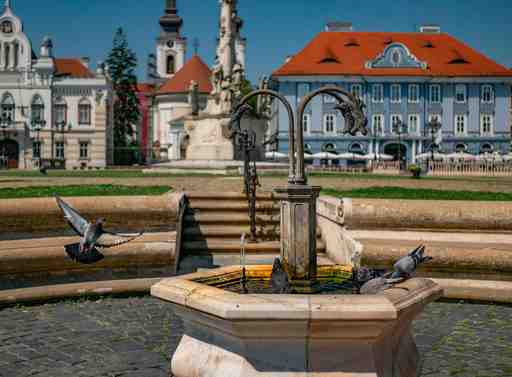
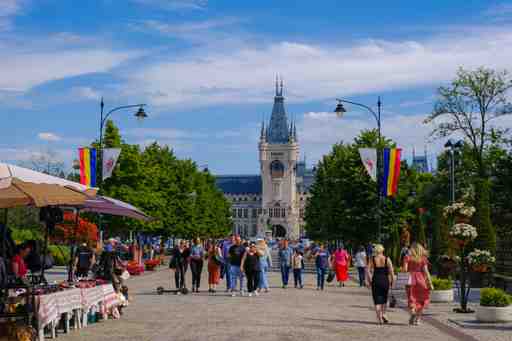
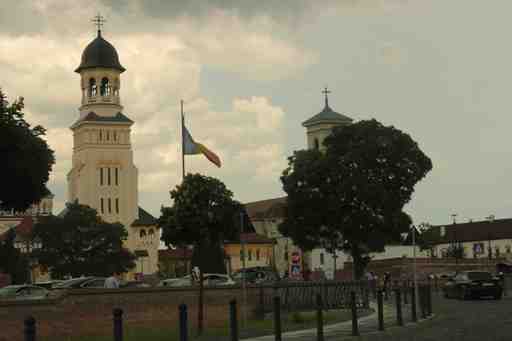

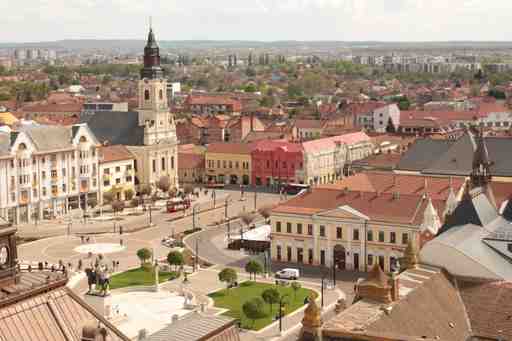
Uwielbiany przez podróżników na całym świecieTysiące rozpoczętych tras.
Tysiące rozpoczętych tras.
Mnóstwo opinii.
4.8 w App Store i Google Play. Oto kilka, do których wracamy.
starstarstarstarstar
Ta trasa była świetnym sposobem na poznanie miasta. Historie były ciekawe, bez przesadnego scenariusza, i uwielbiałam możliwość zwiedzania we własnym tempie.

Jess
Trasa po Tbilisistarstarstarstarstar
To był solidny sposób na poznanie Brighton bez poczucia bycia turystą. Narracja miała głębię i kontekst, ale nie przesadzała.

Christoph
Trasa po Brightonstarstarstarstarstar
Zacząłem tę trasę z croissantem w jednej ręce i zerowymi oczekiwaniami. Aplikacja po prostu idzie z Tobą, bez presji, tylko Ty, Twoje słuchawki i fajne historie.

download Pobierz aplikację Słuchawki w uszach.


Słuchawki w uszach.
Wyjdź na zewnątrz.
Darmowe pobieranie. Trasy w każdym mieście. Zacznij w 60 sekund — bez konta, bez karty.

headphones
~ 4 min do startu pierwszej trasy
public
1000+ miast na świecie
all_inclusive
AudaTours
Unlimited
Każda trasa. Każde miasto. Jedna subskrypcja.
3096 tras2272 miast138 krajów50+ języków
$39 /rok
all_inclusive Odkryj Bez Limitu