
50+ języków

 Gdańsk · Polska
 Audioprzewodniki po Gdańsk
Odkryj Gdańsk z samodzielnymi pieszymi audioprzewodnikami
headphones
2 tras
pin_drop
20 zabytków
translate
Najważniejsze zabytki
Gdańsk, które każdy zna.
Zabytki z każdego przewodnika — i trasy, które powiedzą Ci to, czego przewodniki nie mówią.
Kilka słów o Gdańsk
Where World War II started, and communism began to end.
Gdansk was first documented in 997 AD when Saint Adalbert of Prague passed through a settlement at the Baltic coast. It became one of the great Hanseatic ports, exporting grain and timber through the Middle Ages at a scale that made it one of the wealthiest cities in northern Europe. Then history took turns that few other cities have experienced as intensely: Prussian annexation in 1793, then the Free City of Danzig under League of Nations oversight from 1920, then the German invasion on September 1, 1939, which began at the Westerplatte military transit depot at the city's harbour. World War II started here, at a garrison that held out for seven days before surrendering.
By March 1945, 90 percent of the city centre had been destroyed.
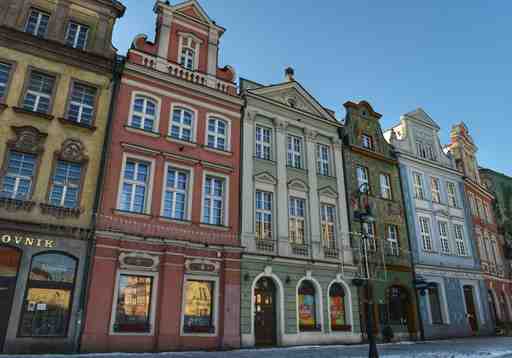
The Poles who moved in after the war rebuilt the old town brick by brick from 17th-century engravings, creating a reconstruction so complete that visitors often assume the Long Lane, the Artus Court, and the massive Gothic facade of St Mary's Church are original. St Mary's is one of the largest brick churches in the world, capable of holding 25,000 people. The Medieval crane on the waterfront, the Zuraw, was rebuilt and still works. Neptune's Fountain in the Long Market is original.
Gdańsk
Gdańsk FAQ
Before you walk.
Każda trasa po Gdańsk, w Twoim języku.
Wszystkie 50+ języków w cenie każdej rezerwacji.
🇬🇧 English🇫🇷 Français🇪🇸 Español🇩🇪 Deutsch🇮🇹 Italiano🇯🇵 日本語🇨🇳 中文🇰🇷 한국어+ 41 więcej
star AudaTours Unlimited
Odwiedzasz więcej niż jedno miasto? Subskrybuj.
Odblokuj wszystkie trasy w Gdańsk — i tysiące więcej na całym świecie. Anuluj w dowolnym momencie.
$4.99/tydzień · Anuluj w dowolnym momencie

Więcej w Polska
Odkryj Polska arrow_forwardInne miasta do zwiedzenia w Polska.


Uwielbiany przez podróżników na całym świecieTysiące rozpoczętych tras.
Tysiące rozpoczętych tras.
Mnóstwo opinii.
4.8 w App Store i Google Play. Oto kilka, do których wracamy.
starstarstarstarstar
Ta trasa była świetnym sposobem na poznanie miasta. Historie były ciekawe, bez przesadnego scenariusza, i uwielbiałam możliwość zwiedzania we własnym tempie.

Jess
Trasa po Tbilisistarstarstarstarstar
To był solidny sposób na poznanie Brighton bez poczucia bycia turystą. Narracja miała głębię i kontekst, ale nie przesadzała.

Christoph
Trasa po Brightonstarstarstarstarstar
Zacząłem tę trasę z croissantem w jednej ręce i zerowymi oczekiwaniami. Aplikacja po prostu idzie z Tobą, bez presji, tylko Ty, Twoje słuchawki i fajne historie.

download Pobierz aplikację Słuchawki w uszach.


Słuchawki w uszach.
Wyjdź na zewnątrz.
Darmowe pobieranie. Trasy w każdym mieście. Zacznij w 60 sekund — bez konta, bez karty.

headphones
~ 4 min do startu pierwszej trasy
public
1000+ miast na świecie
all_inclusive
AudaTours
Unlimited
Każda trasa. Każde miasto. Jedna subskrypcja.
3096 tras2272 miast138 krajów50+ języków
$39 /rok
all_inclusive Odkryj Bez Limitu